Castelnau des Fieumarcon
about the project
"An extraordinary example of a dream turned into reality. A daunting task superbly executed"
Simon Pott
Chairman of the Judges RICS Awards
status of project
Developed & Concluded
project execution: 1978-2001
project operations: 2001-2024
Details
Denomination: Castelnau des Fieumarcon
AKA: the 12/13th century fortified village of the Marquis of Fieumarcon
Branding denomination: The Castelnau
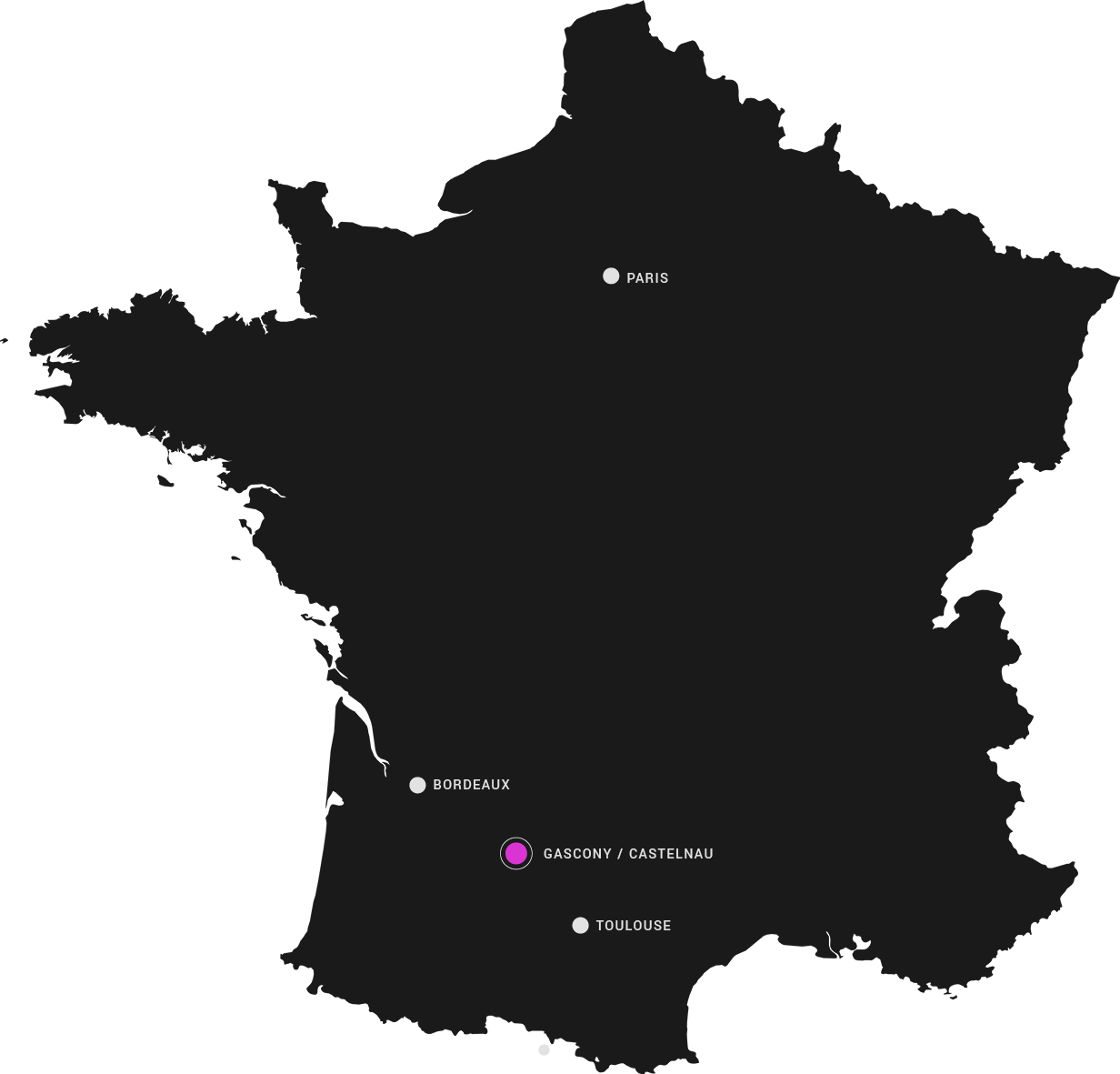
Location: Lagarde Fieumarcon, Gascony, France
Owner & Developer: Frederic Coustols and family
Renovation Period: Phase I from 1978-1988 + Phase 2 from 1989-2001
Awards: 2001 RICS Awards – Regeneration Category; 1992 VMF Award; 1992 ISMH Award
team members
Founder: Frederic Coustols
Restoration: Frederic, Georges, Paule Françoise and Jean Coustols
Management: Jean Coustols
Visual Strategy Architecture: Creative Digital Design
collaborators
Anneli Faiers, Jean Landre, Taatoo, Littlewing Photos, Antony Merat, Darek Smietna Photography, Jonny Barratt, Fire Horse Photography, Isasouri Photo, Carrie Lavers Photography, Laure Sophie Photographie, Sammy Gao, Jess Yu, Gonçalo Leandro, Christine Boubee, Margreet Markerink, Didier Billes, Lost Tribe (Claire Ogden and Philip Rwankole).
short description
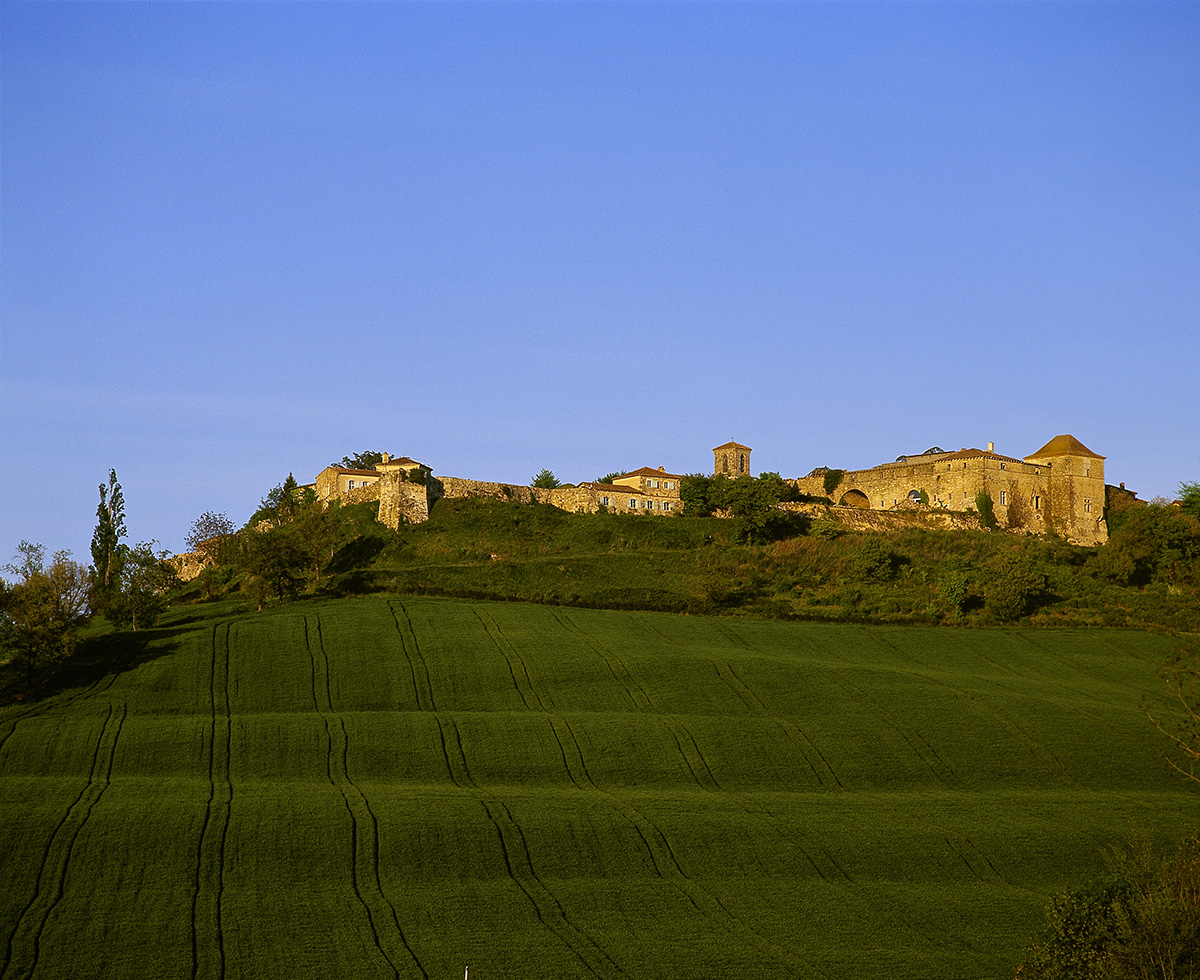
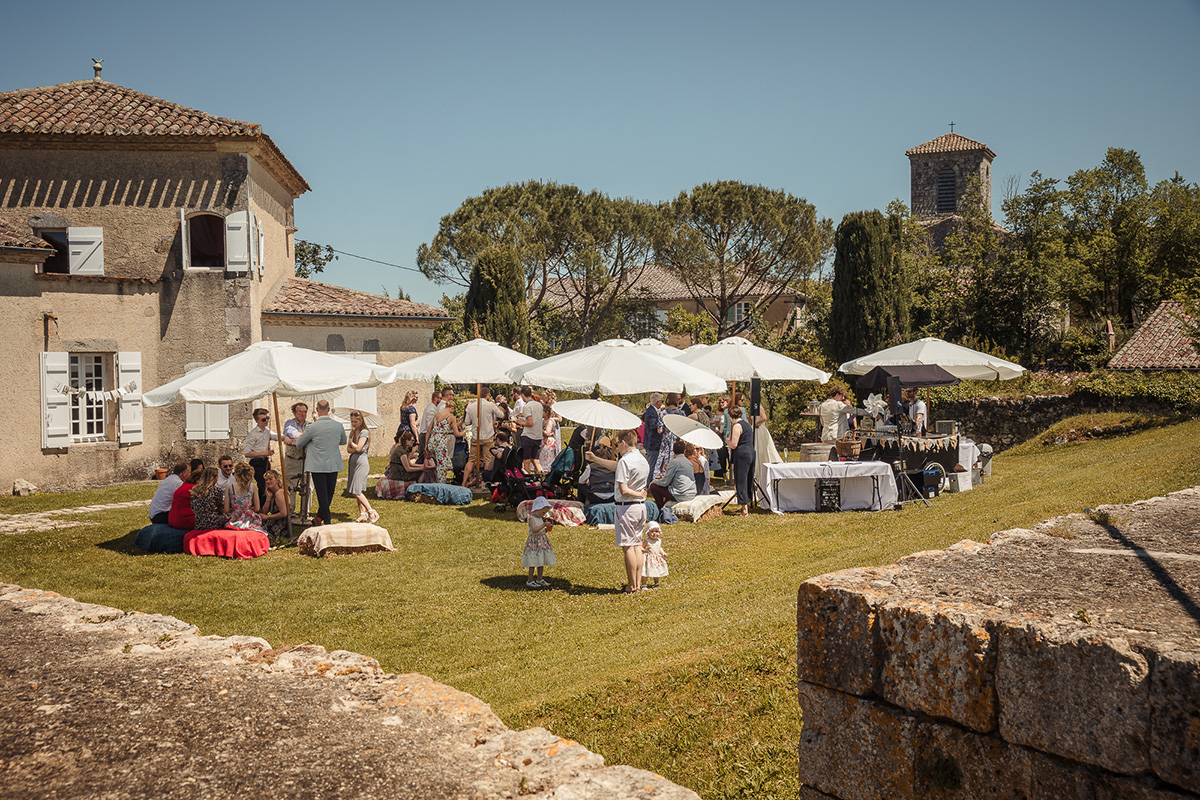
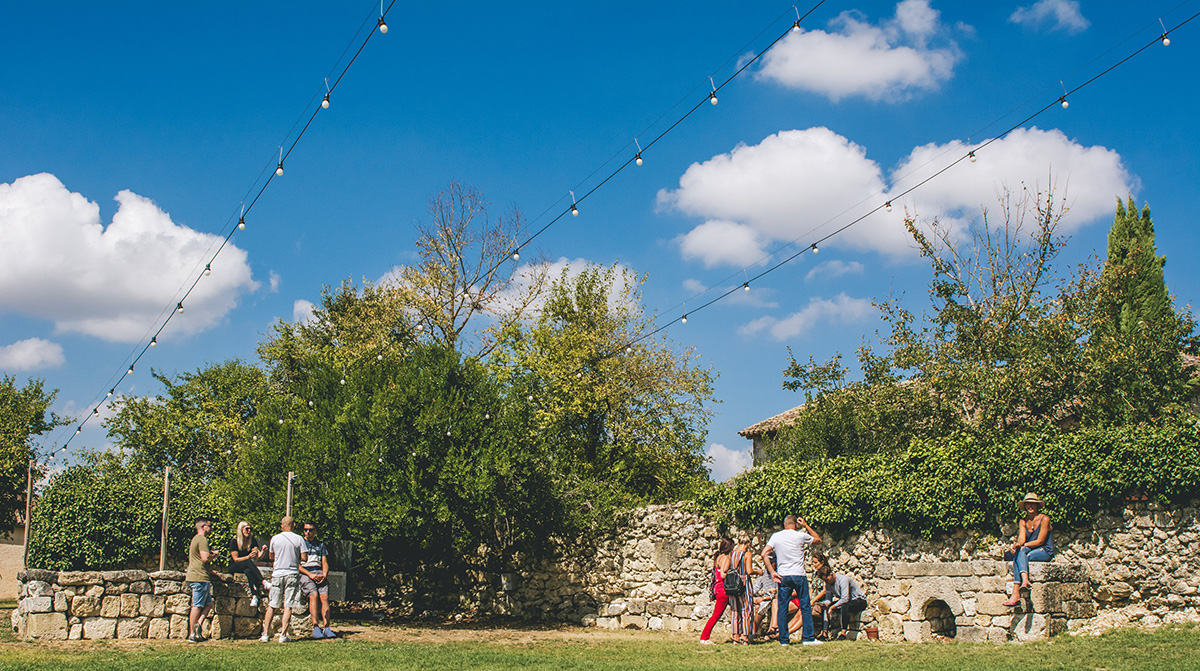
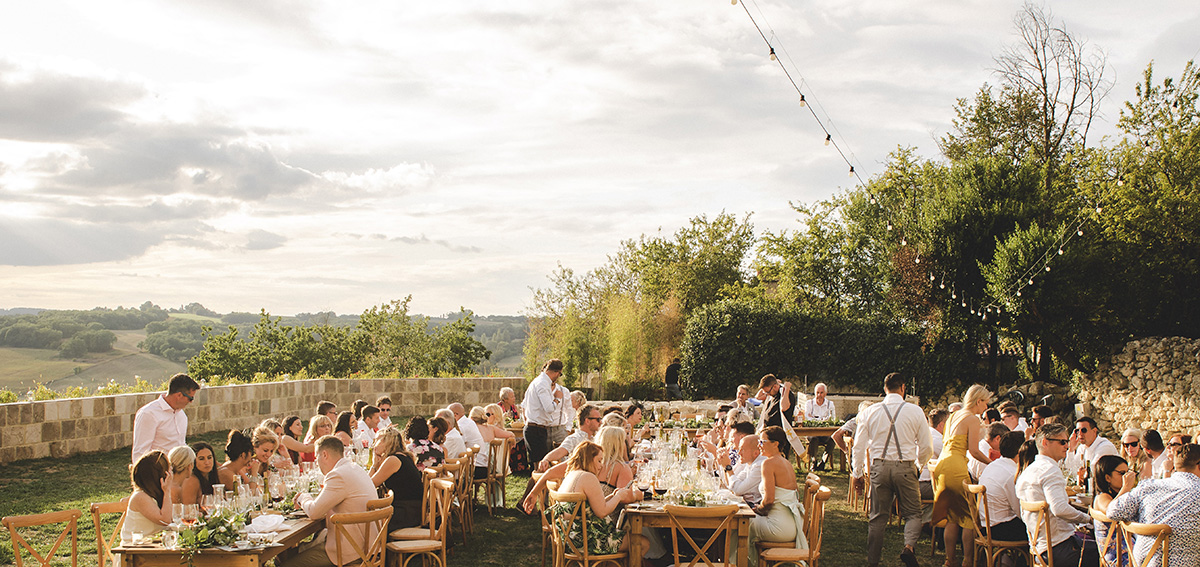
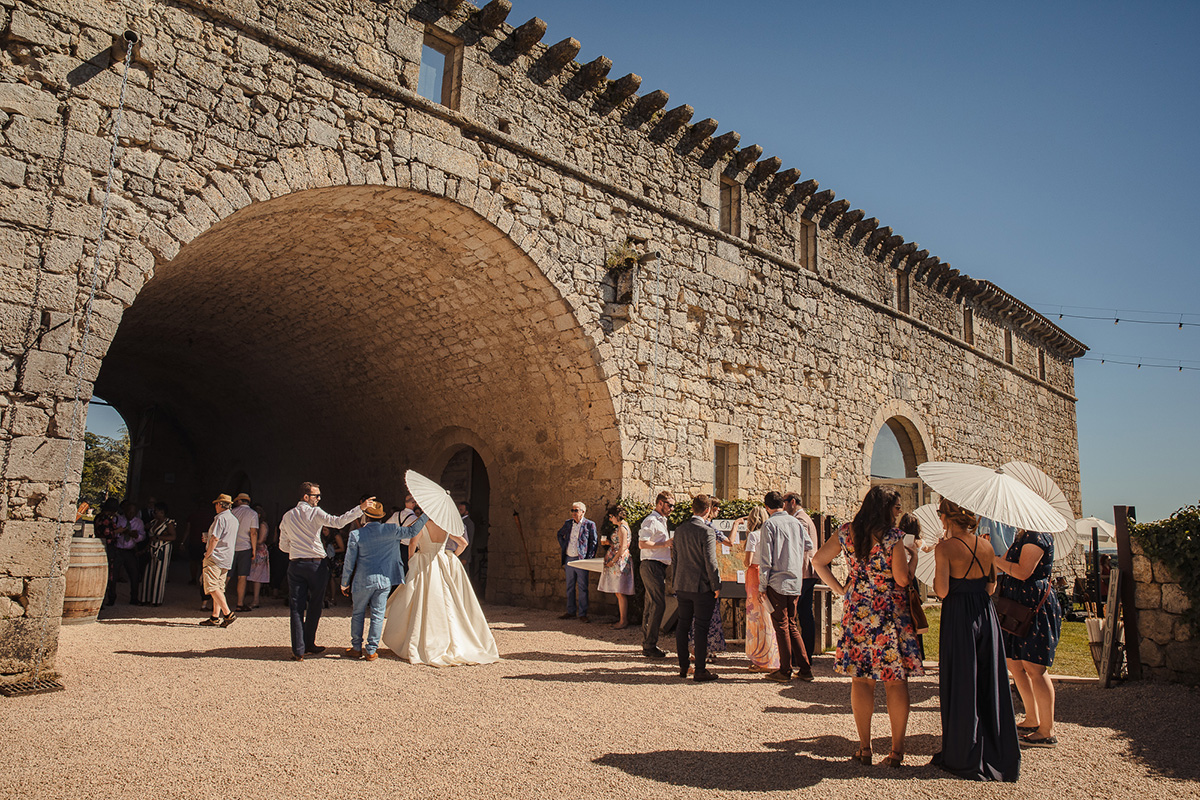
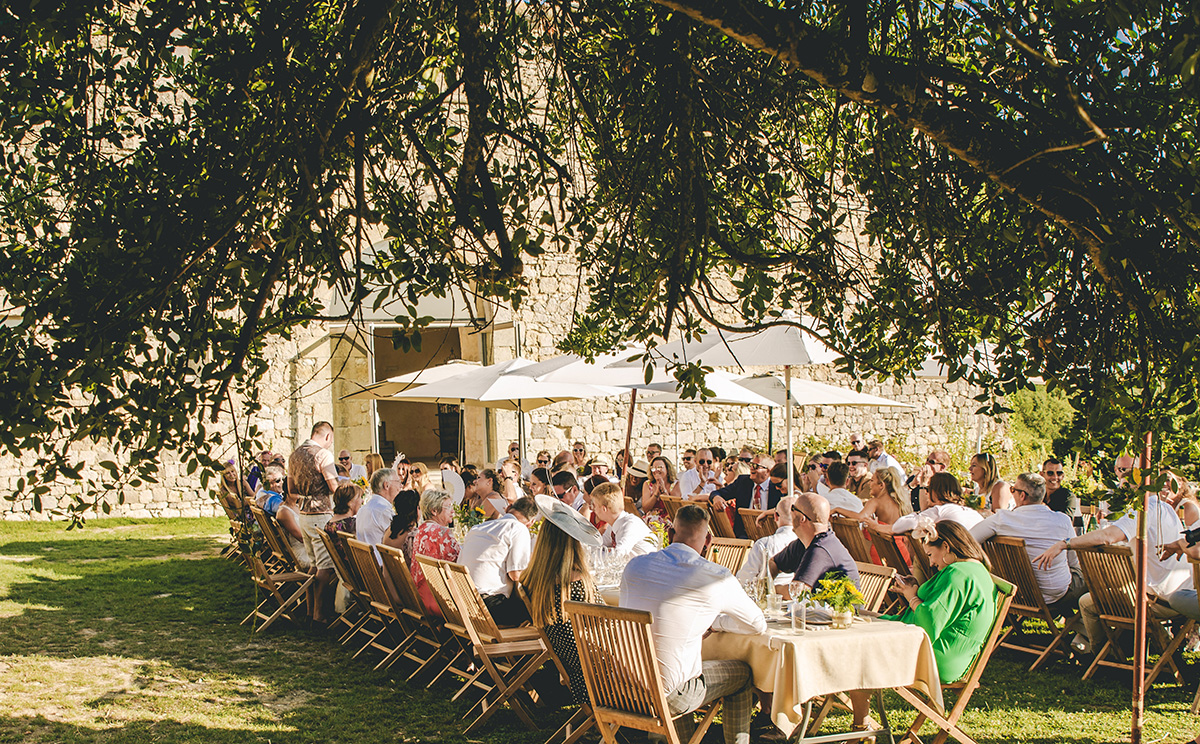
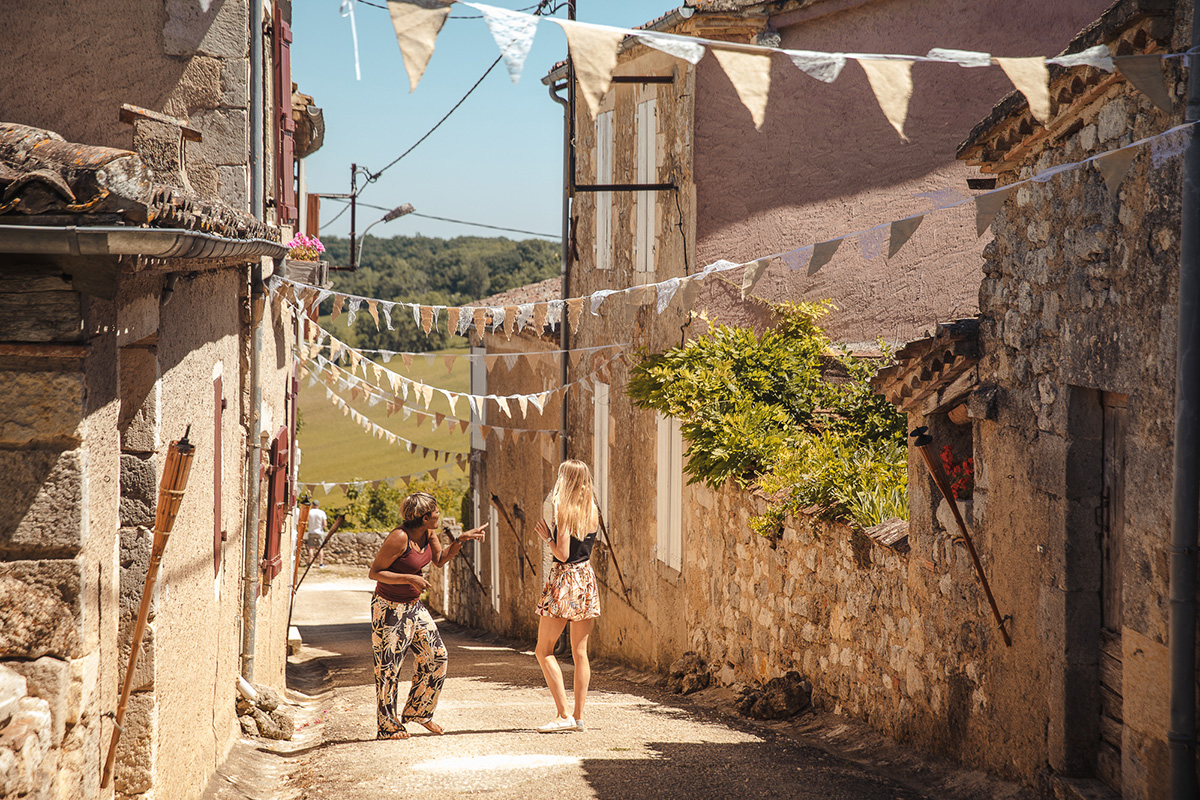
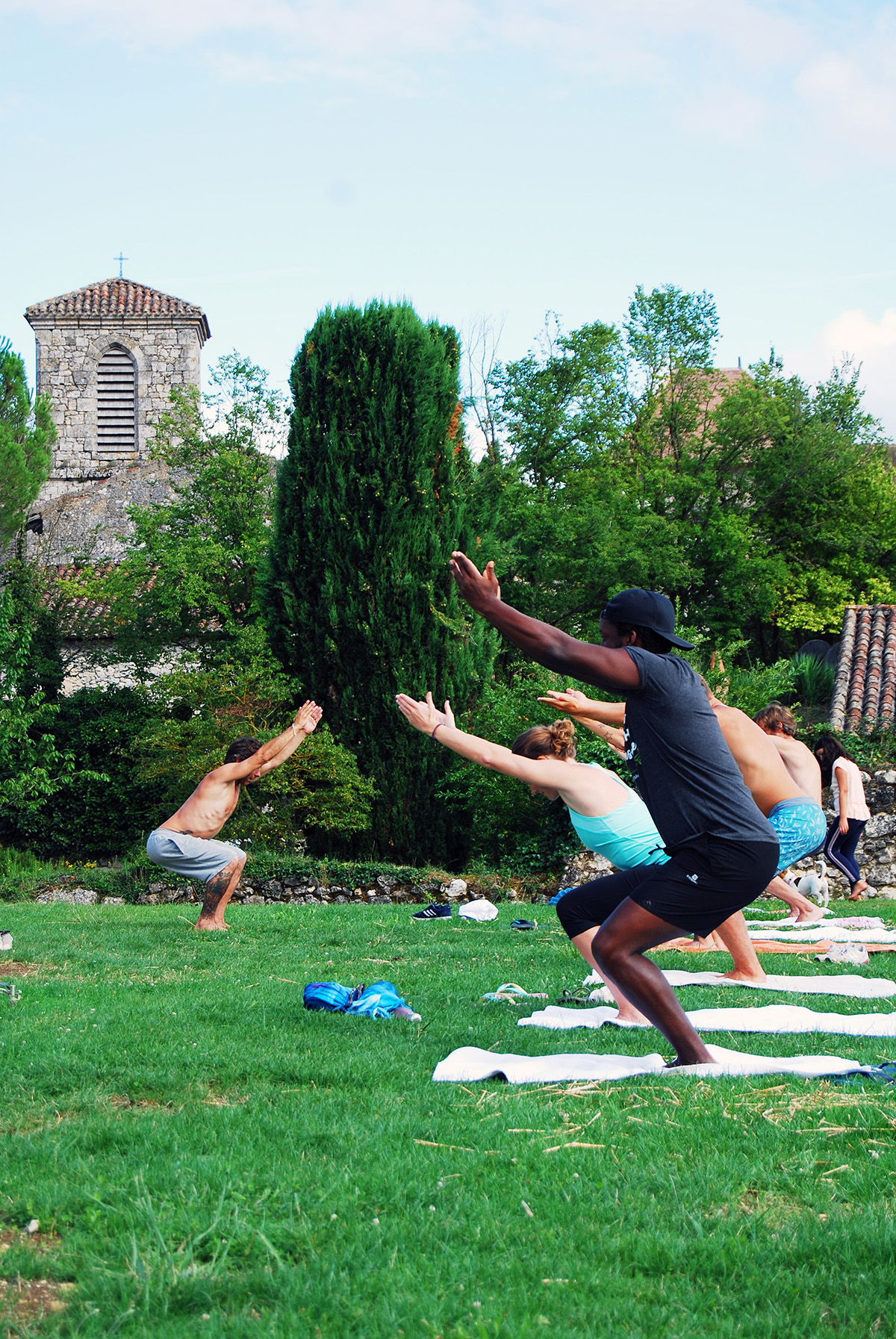
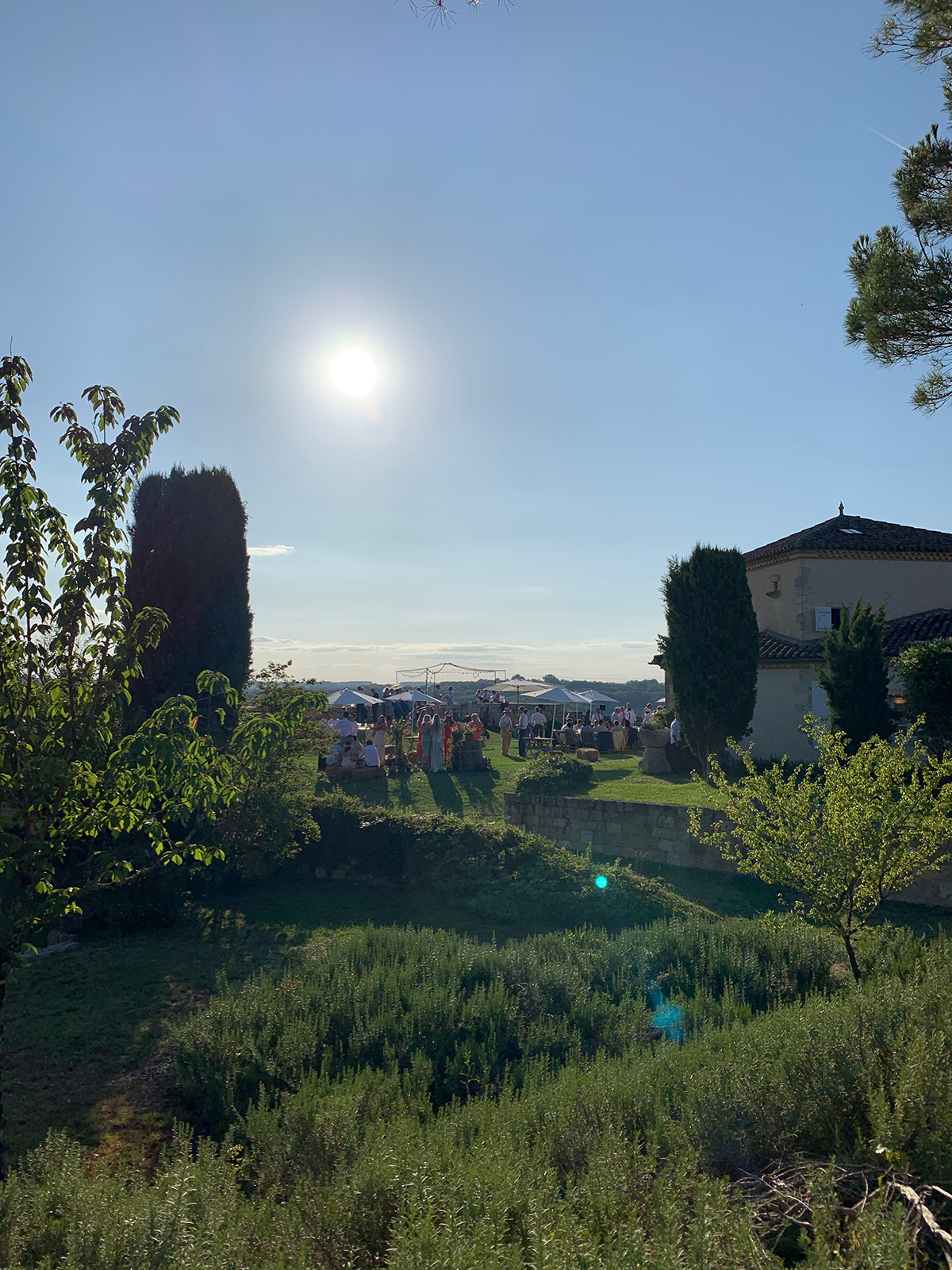
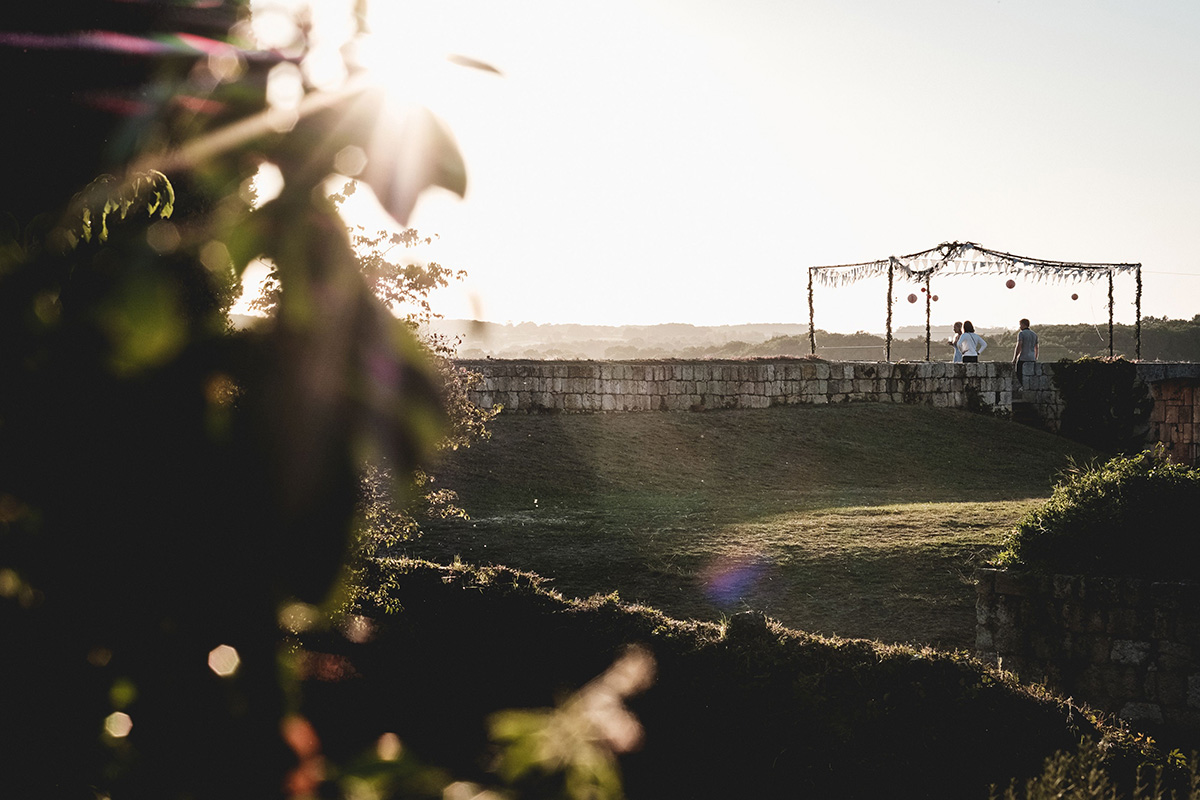
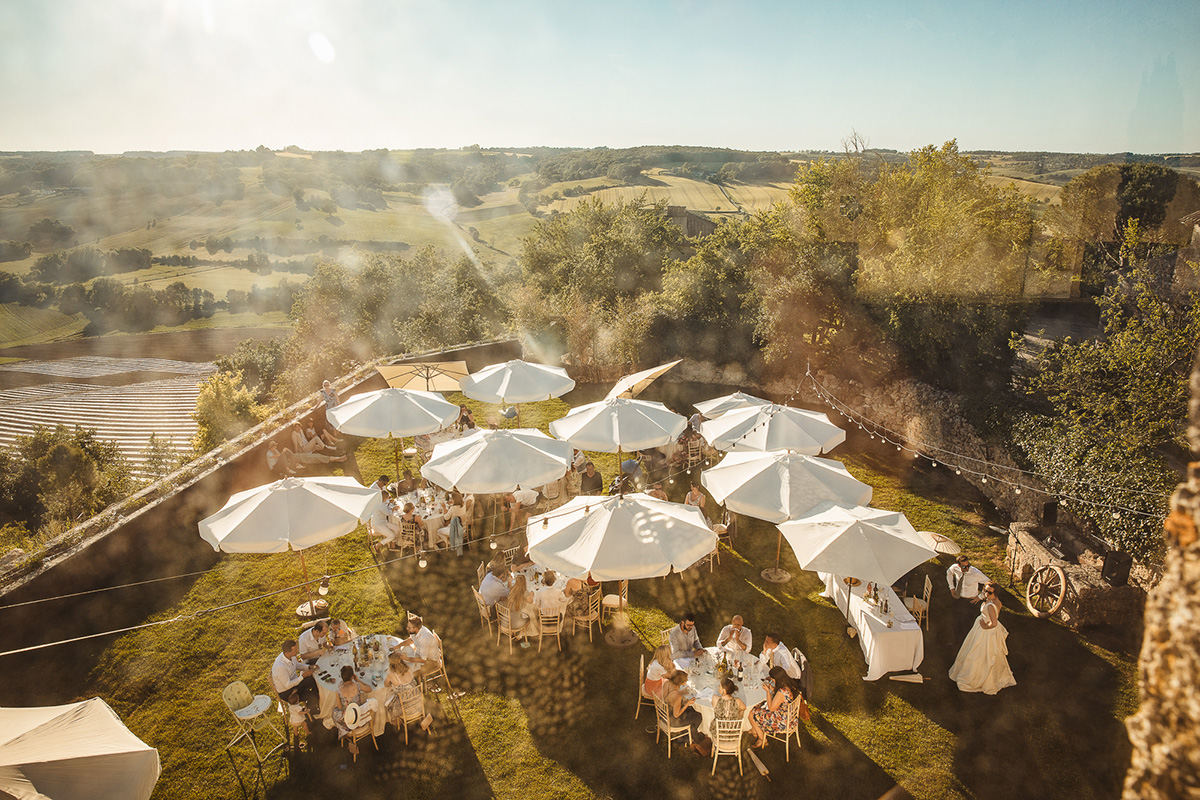
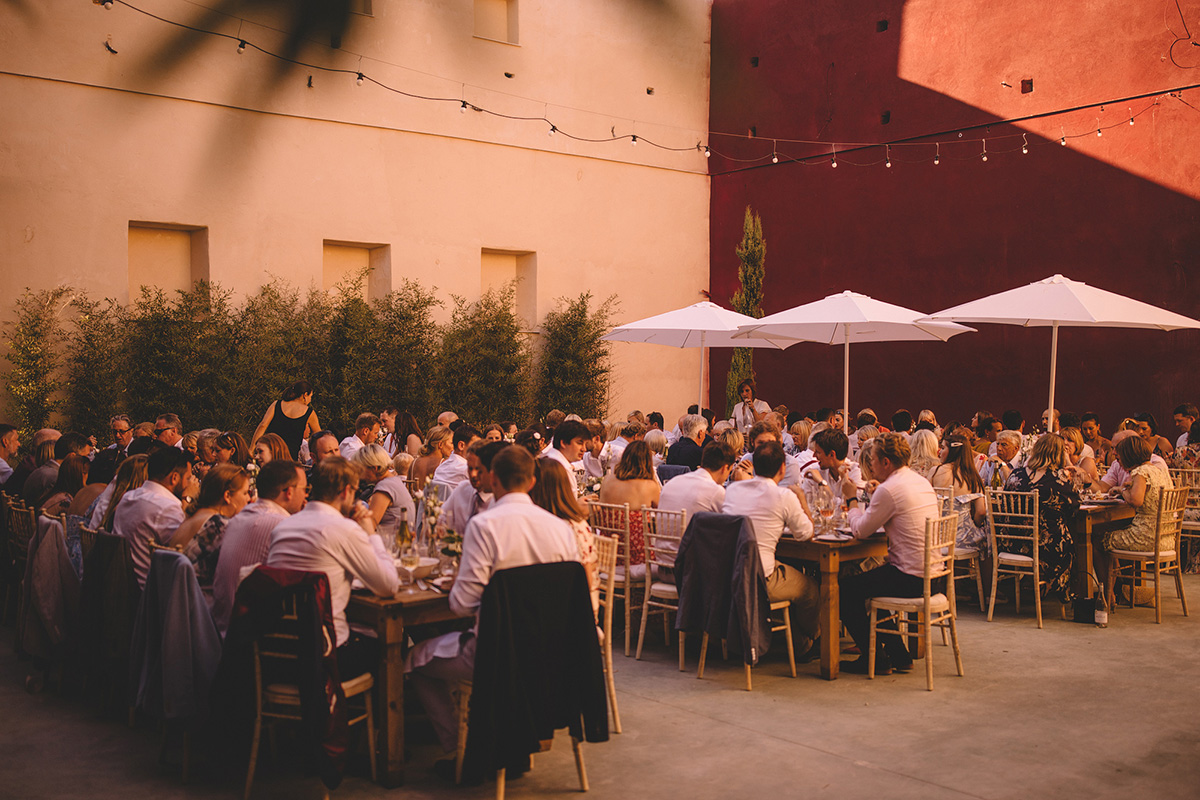
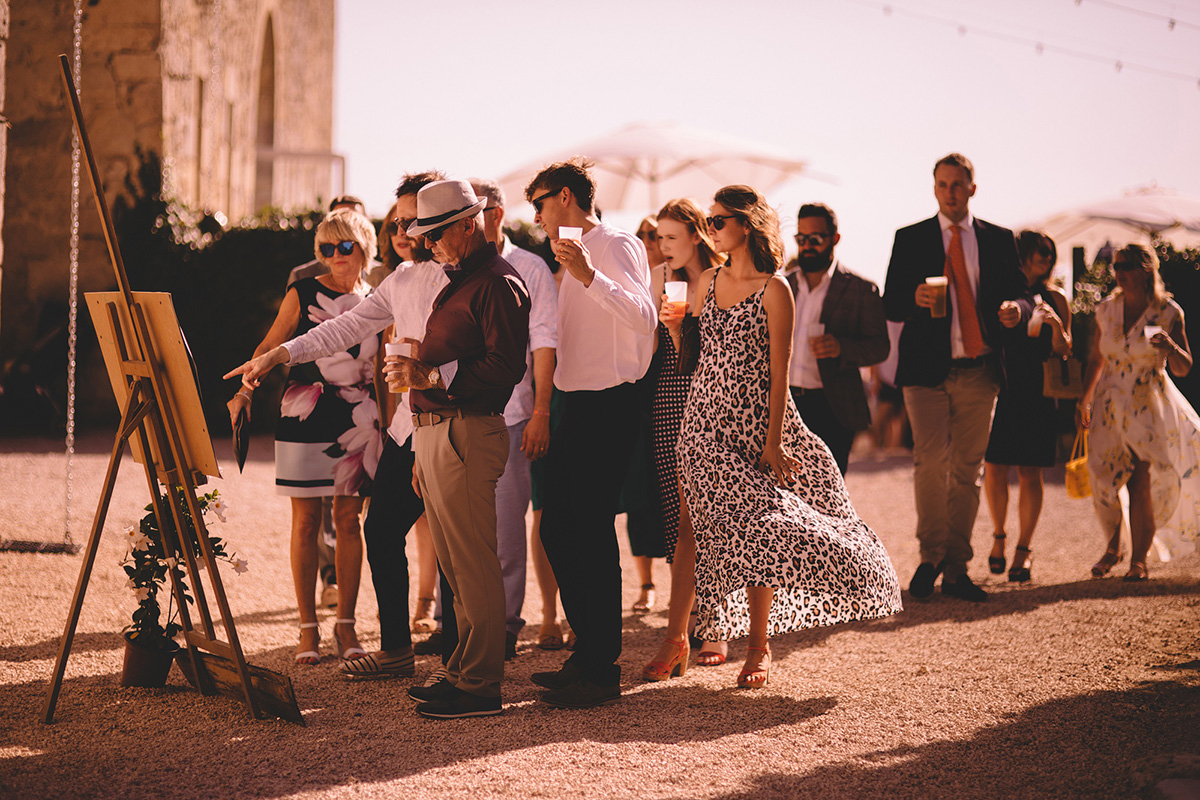
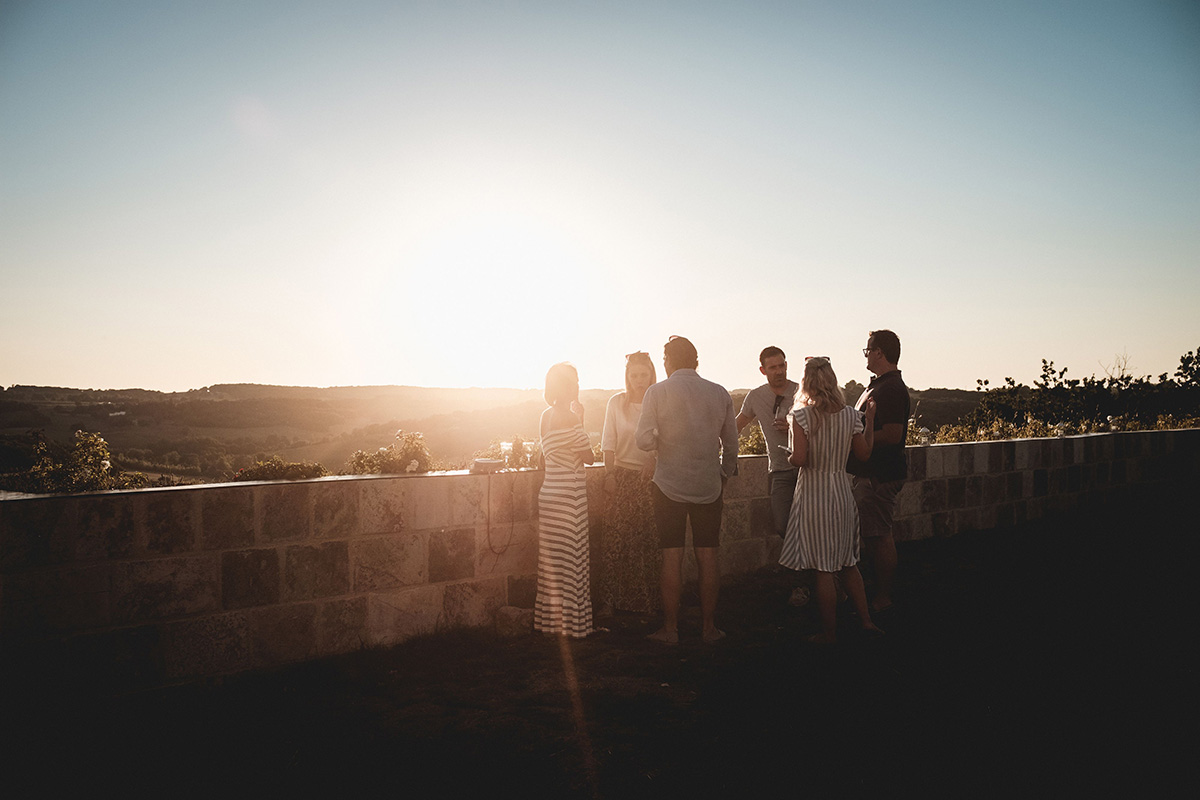
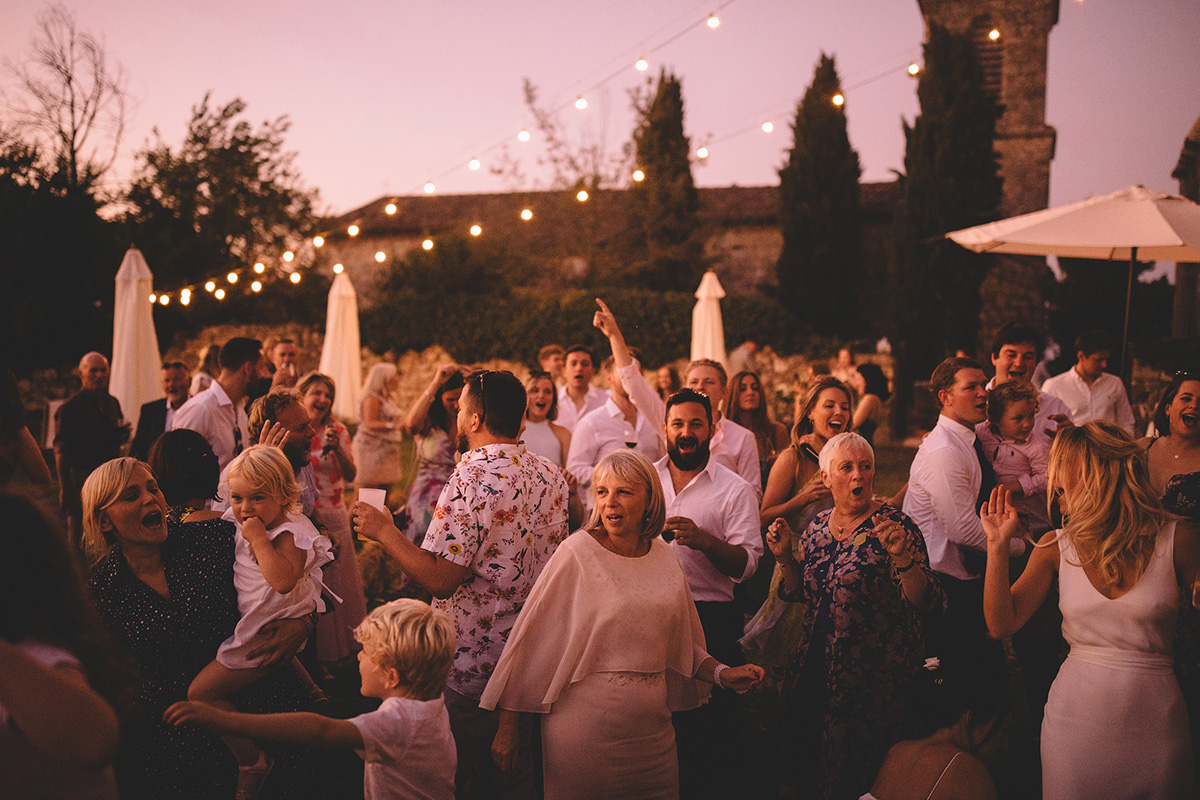
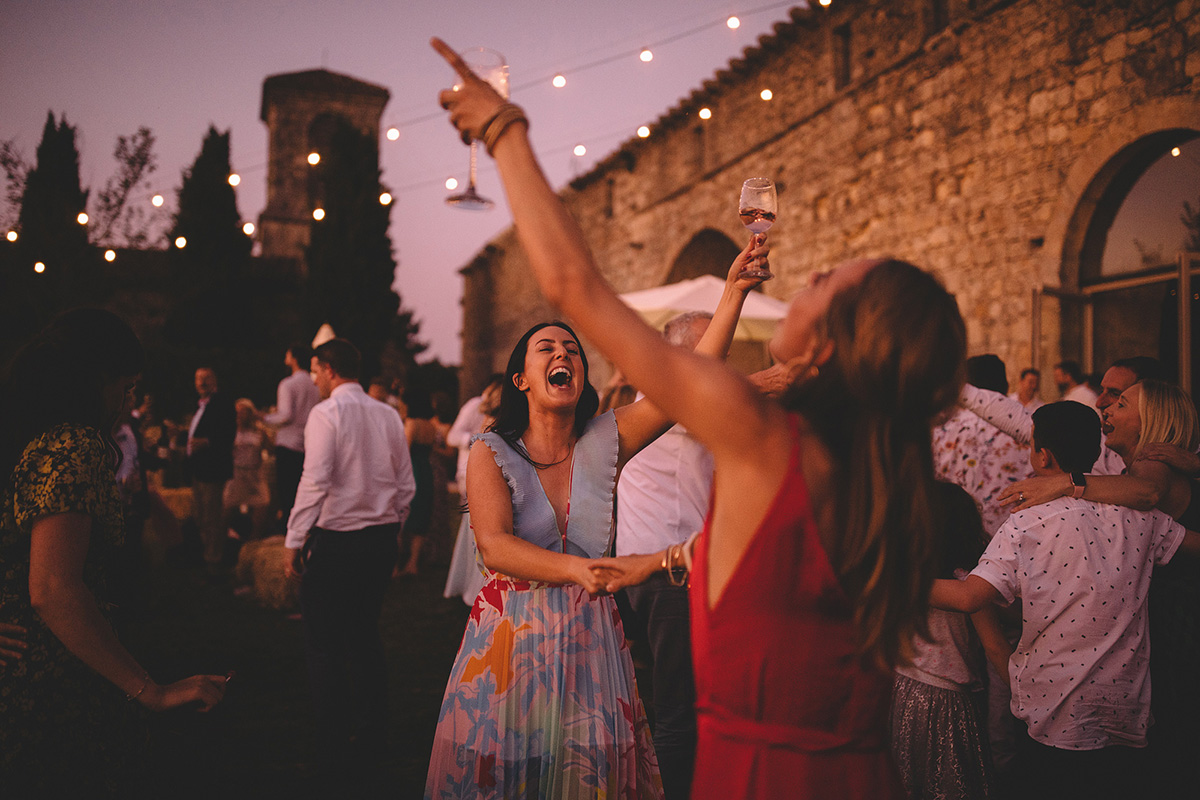
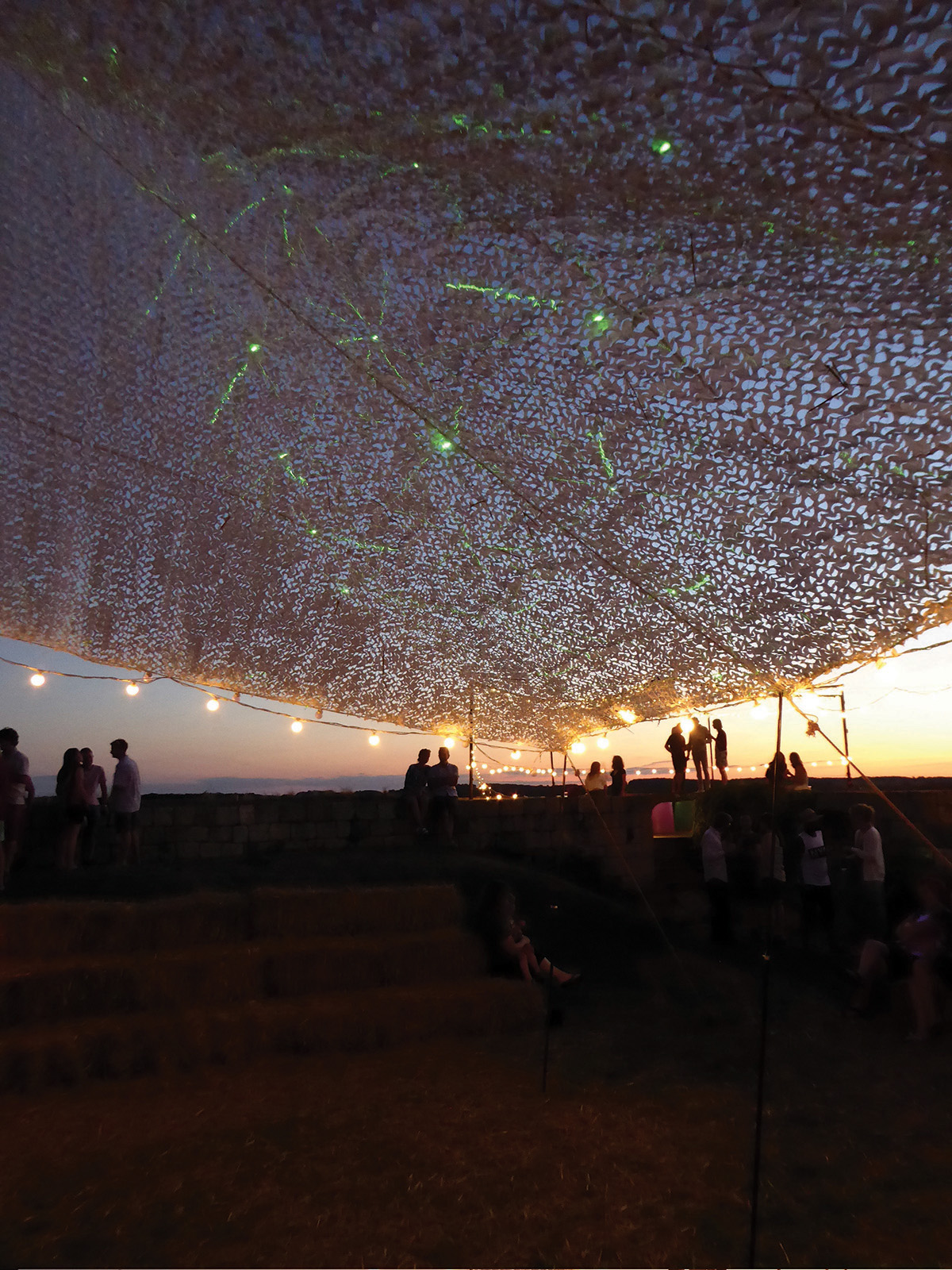
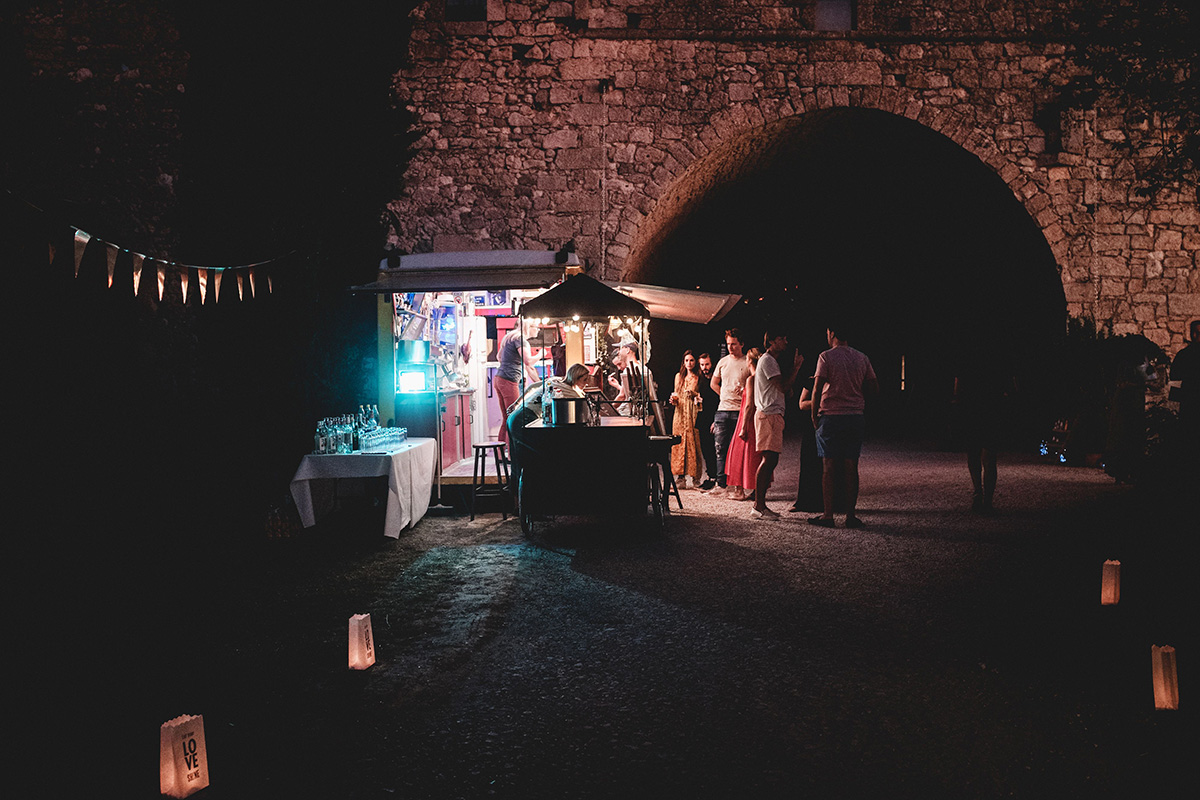
Castelnau des Fieumarcon, globally known as The Castelnau, is a destination event venue unlike any other. The opportunity to take over an entire fortified village for a special occasion is truly unique and offers guests exceptional freedom to create an experience entirely their own. The Castelnau is a place where people can be together and share meaningful moments while also finding space and tranquillity to rest and enjoy the surrounding countryside.
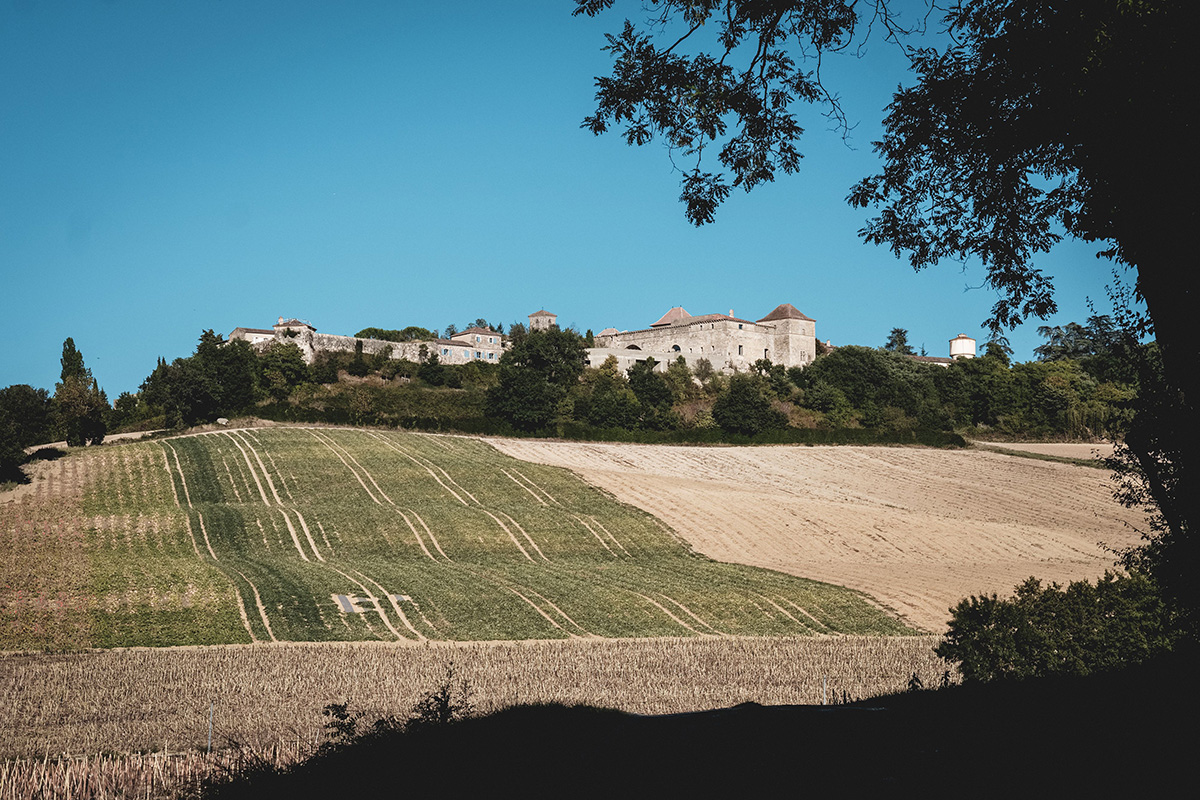
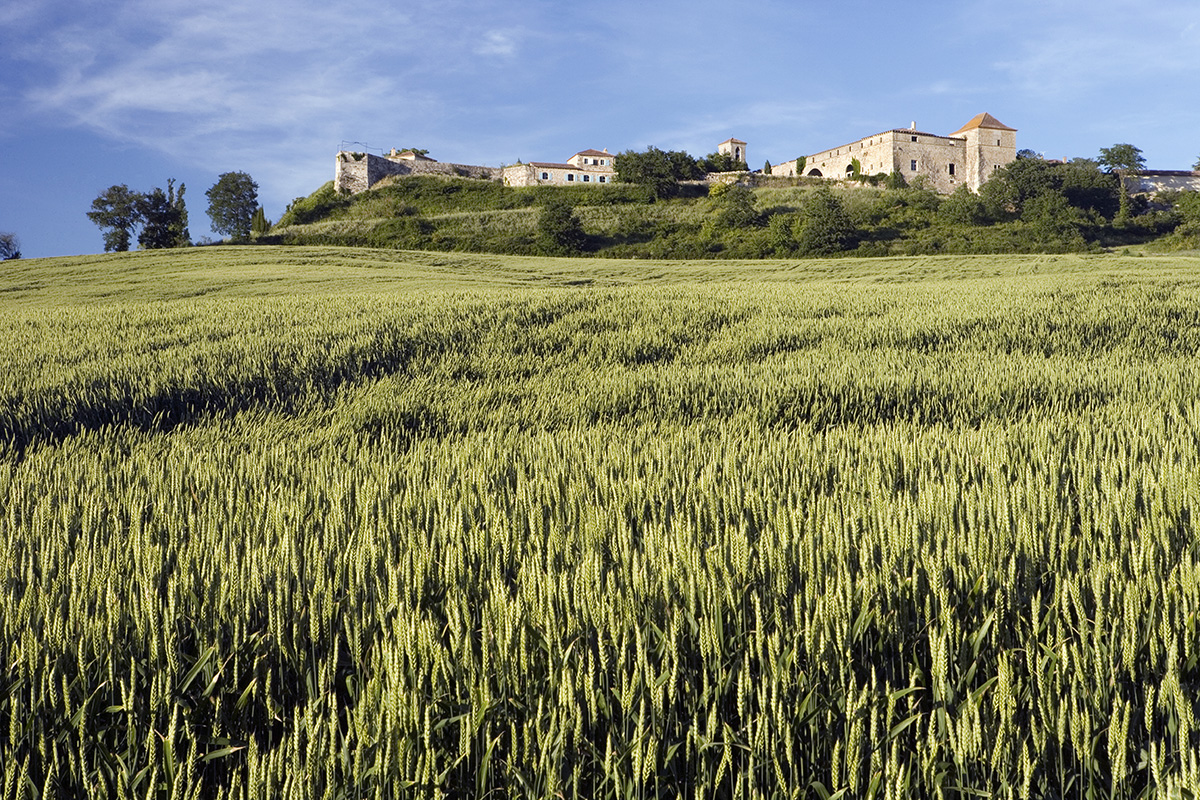
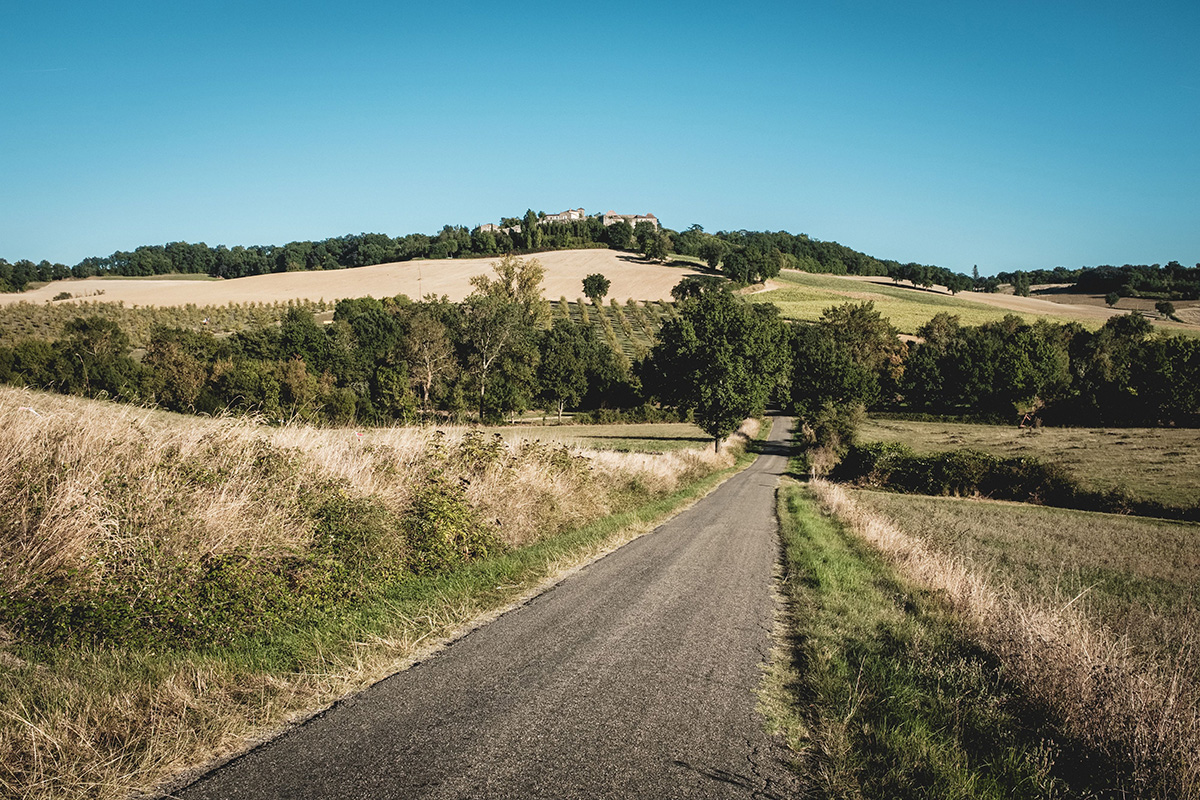
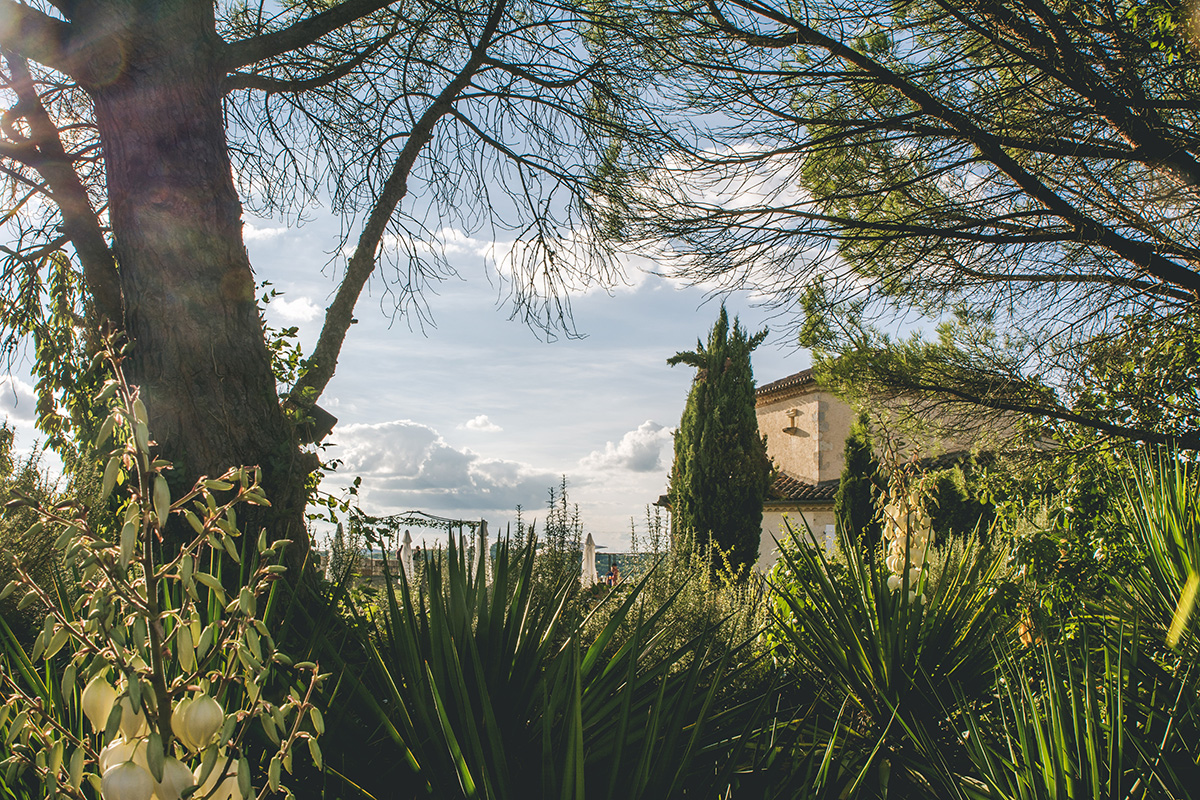
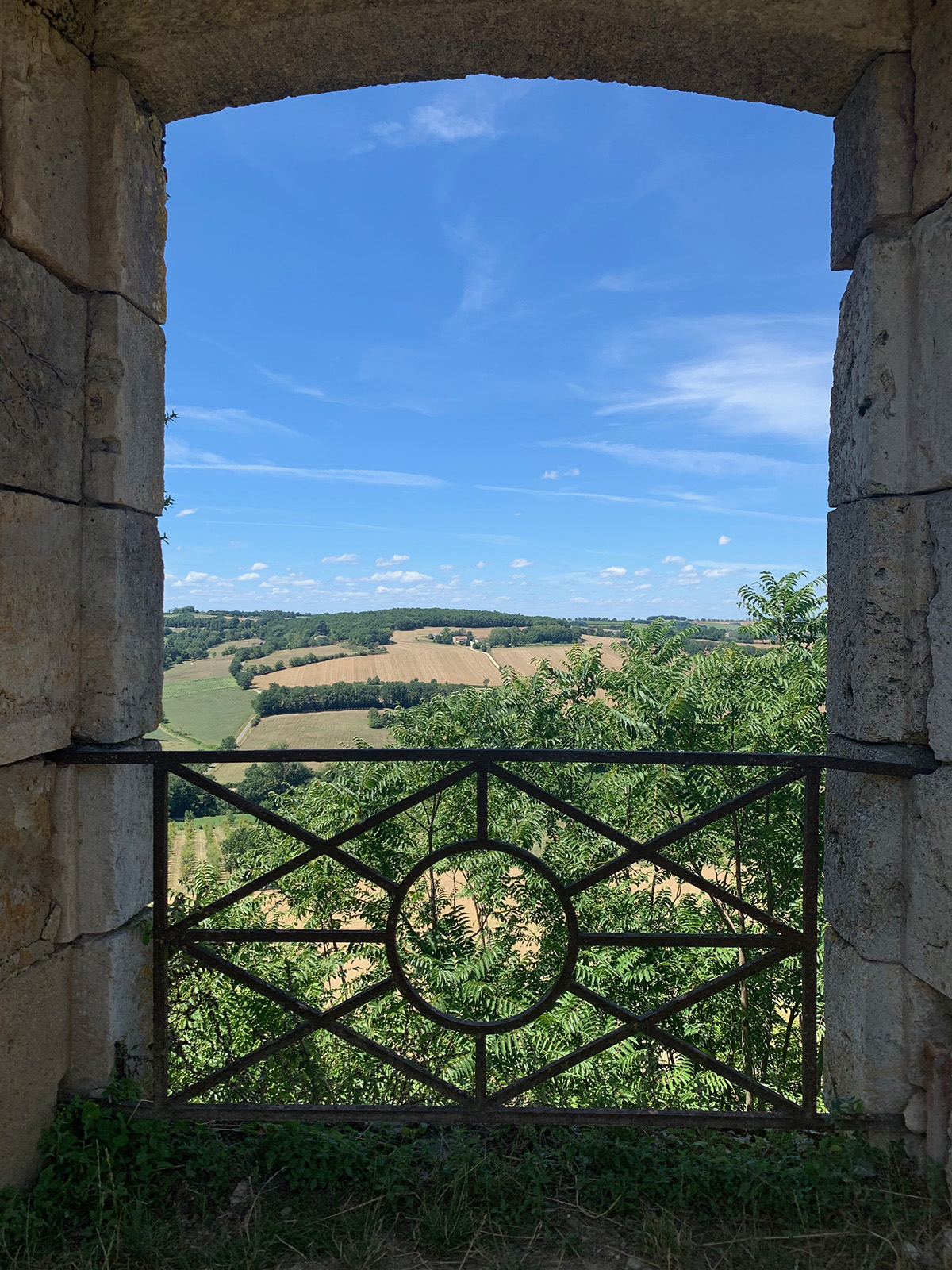
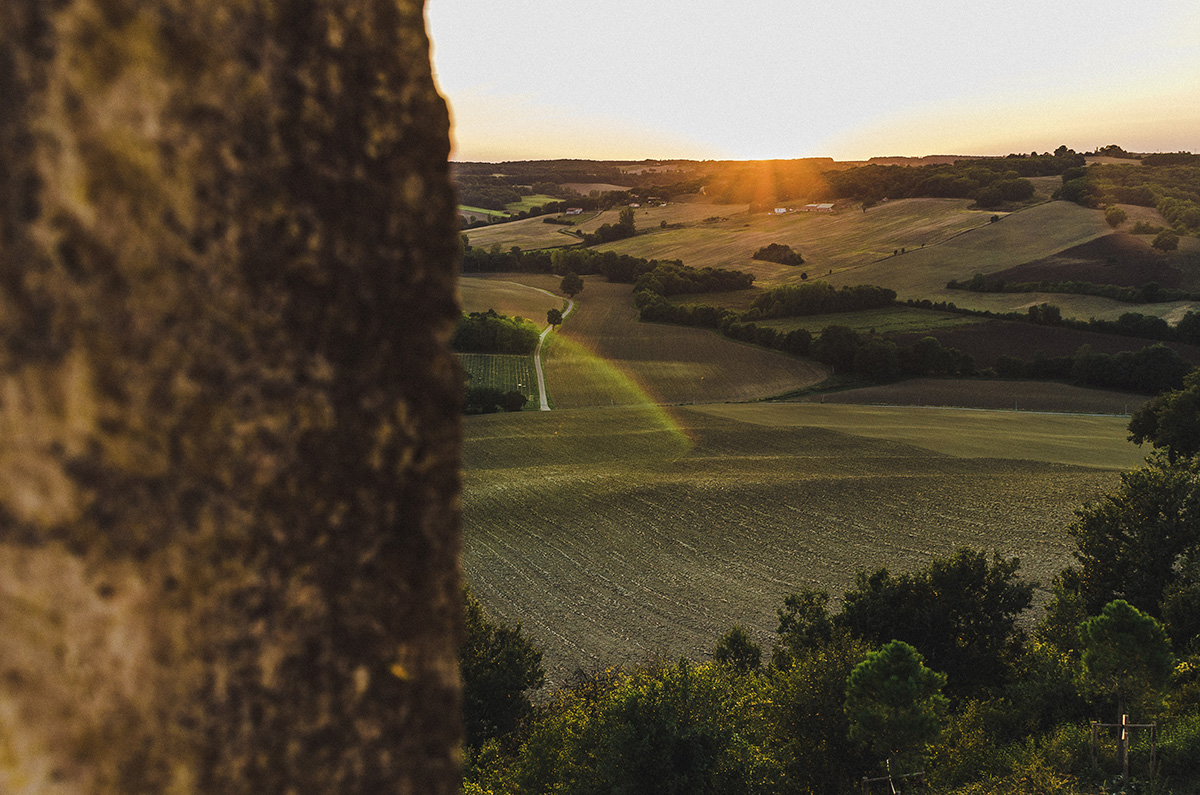
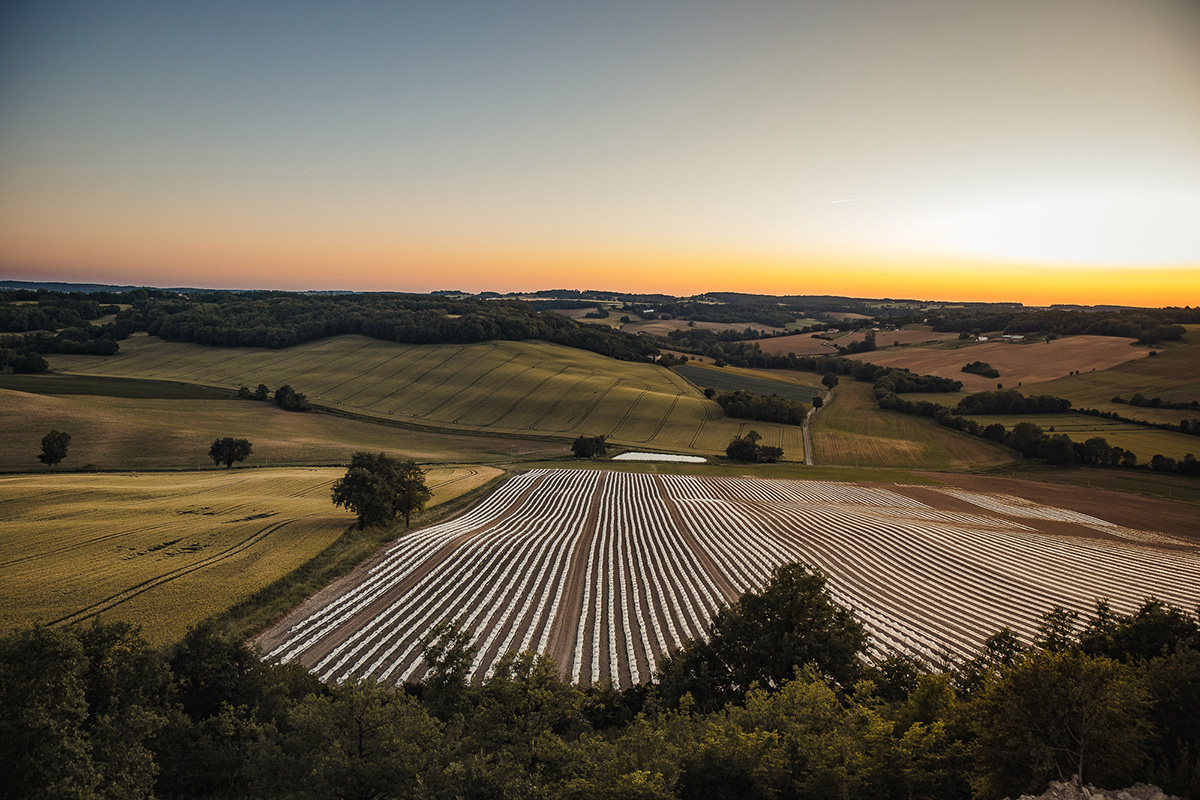
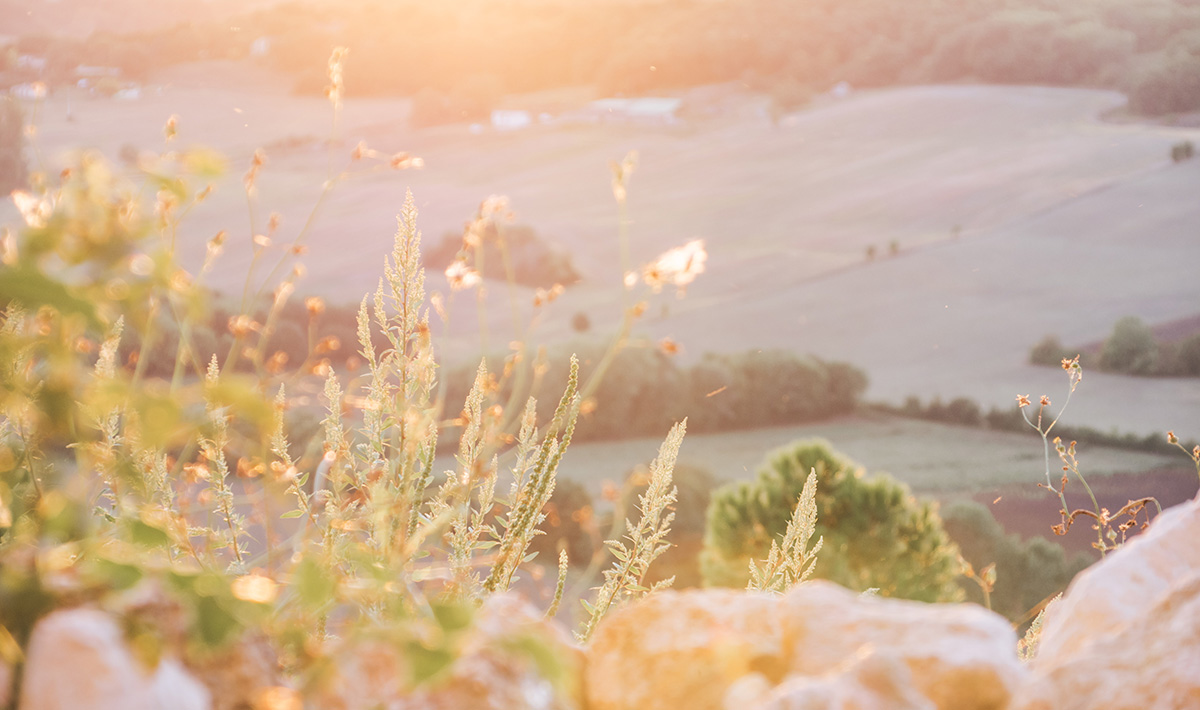
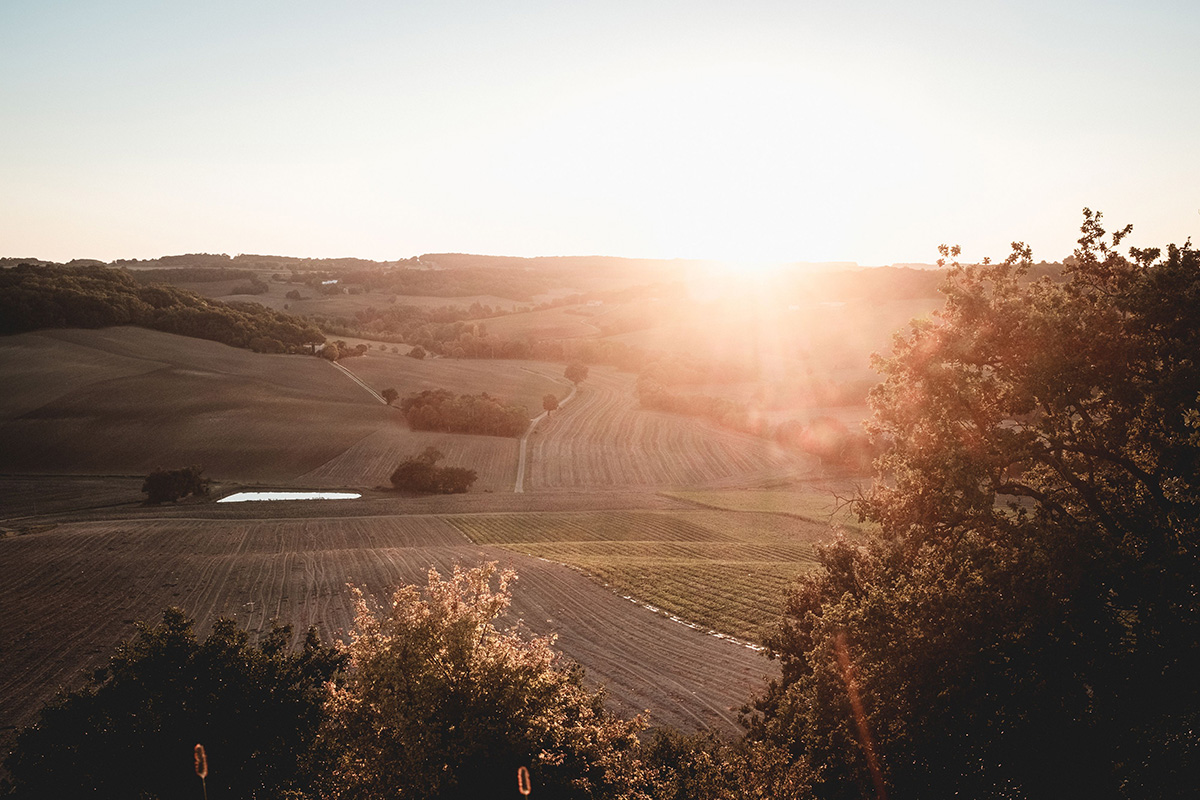
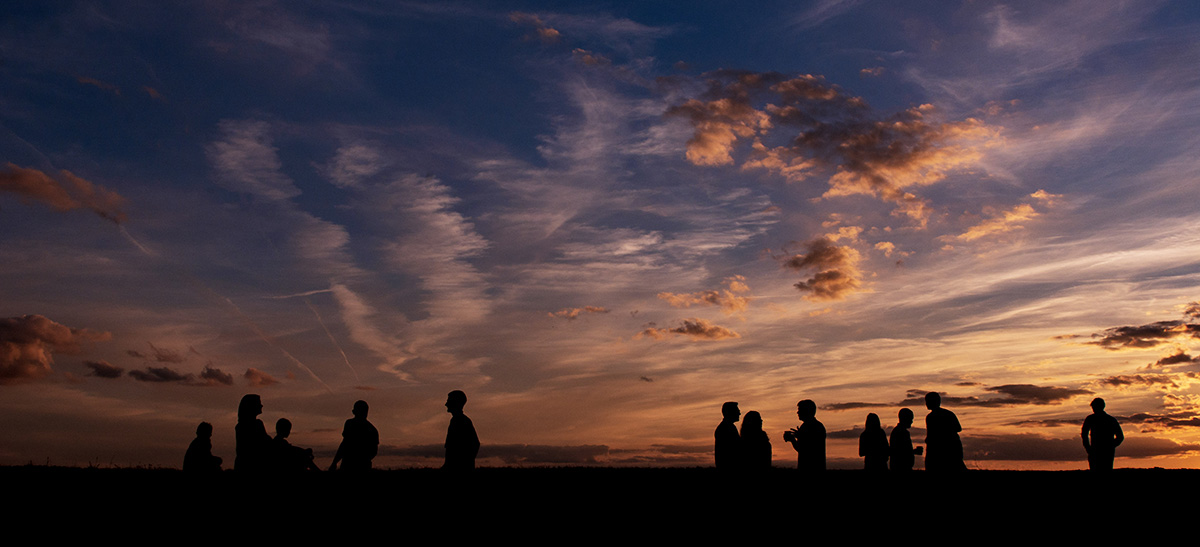
From its elevated position, the Gascon landscape stretches in every direction as far as the eye can see. Every corner of the village reveals another place to explore, unwind and appreciate life.
since 1143 A.C.
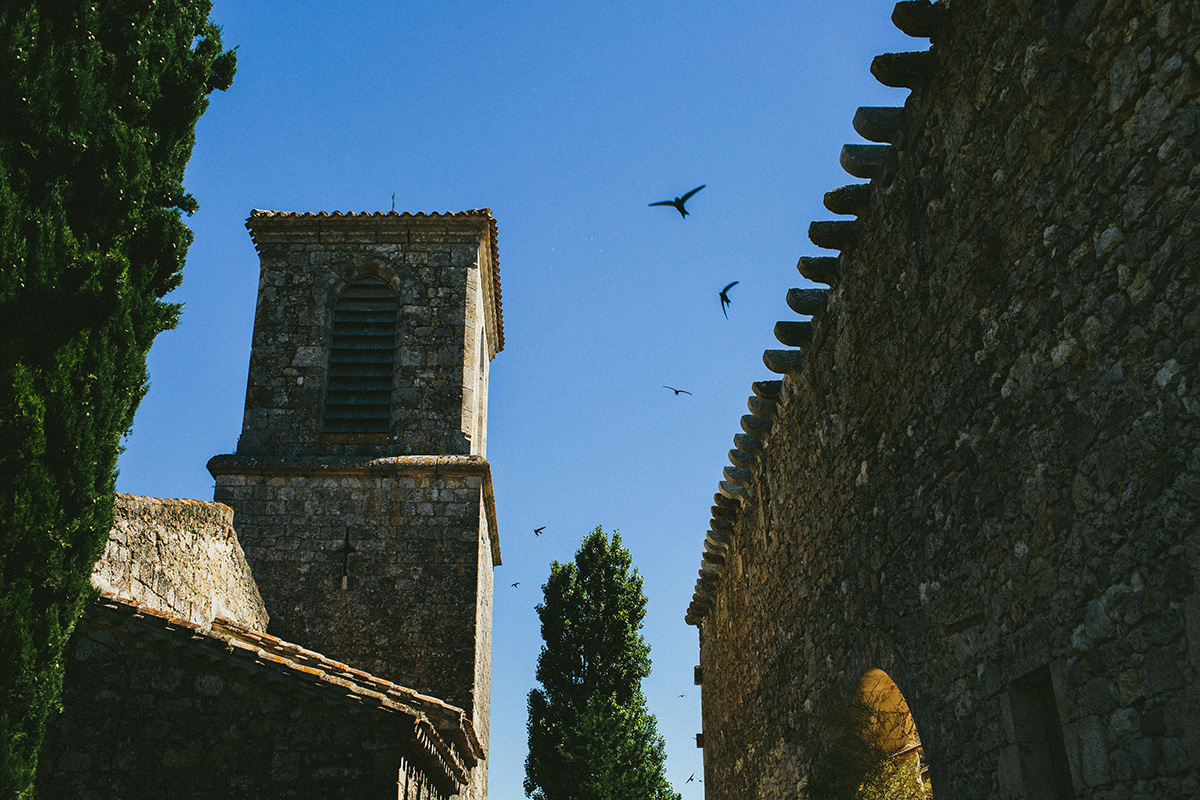
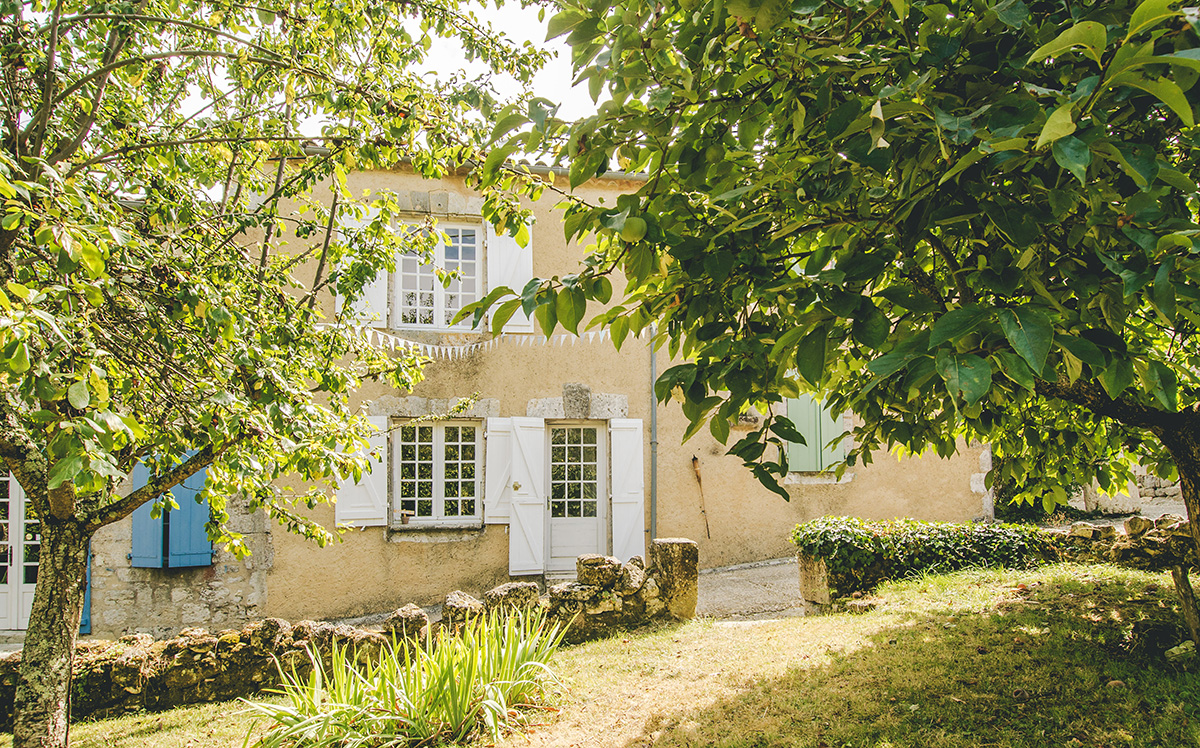
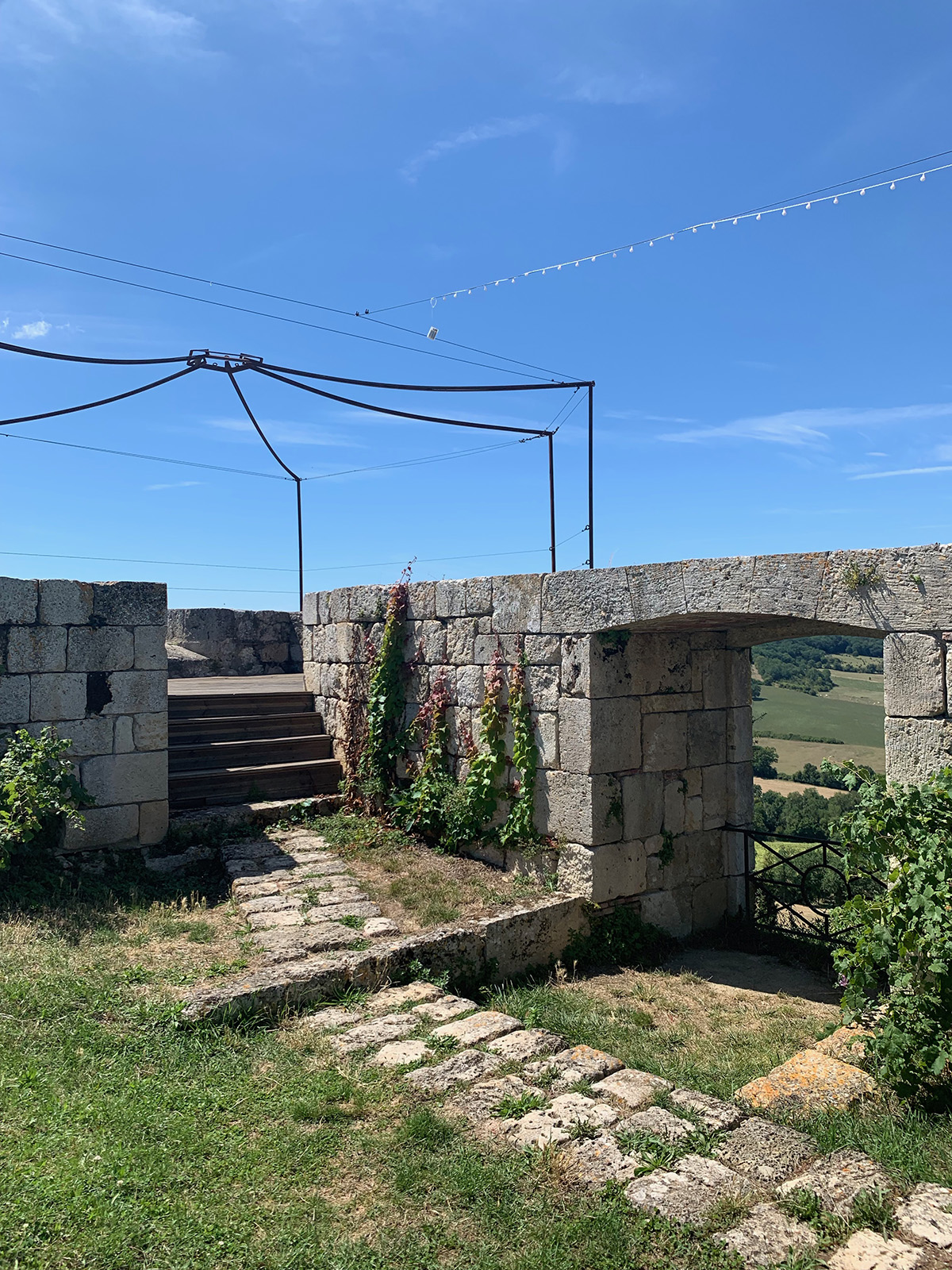
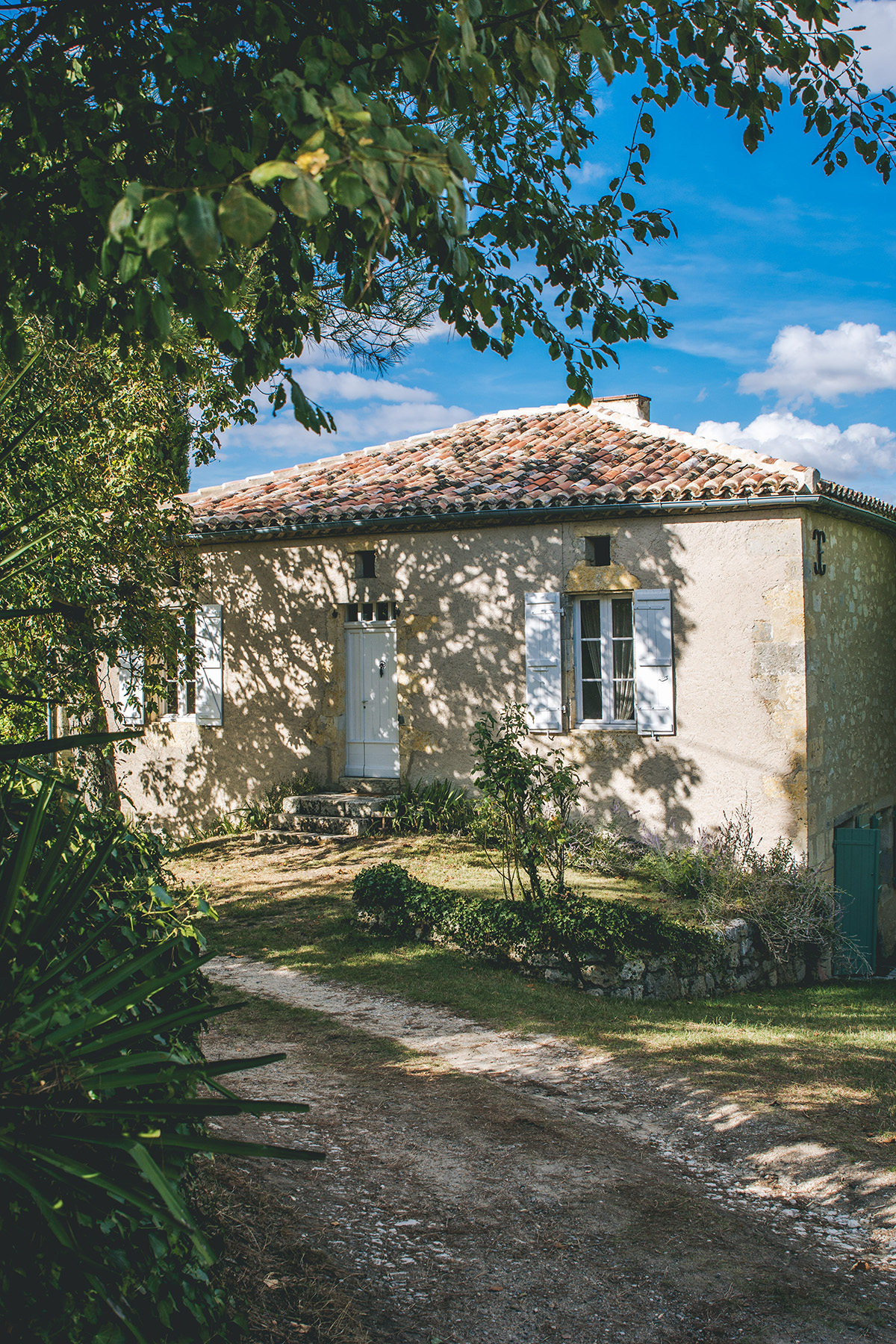
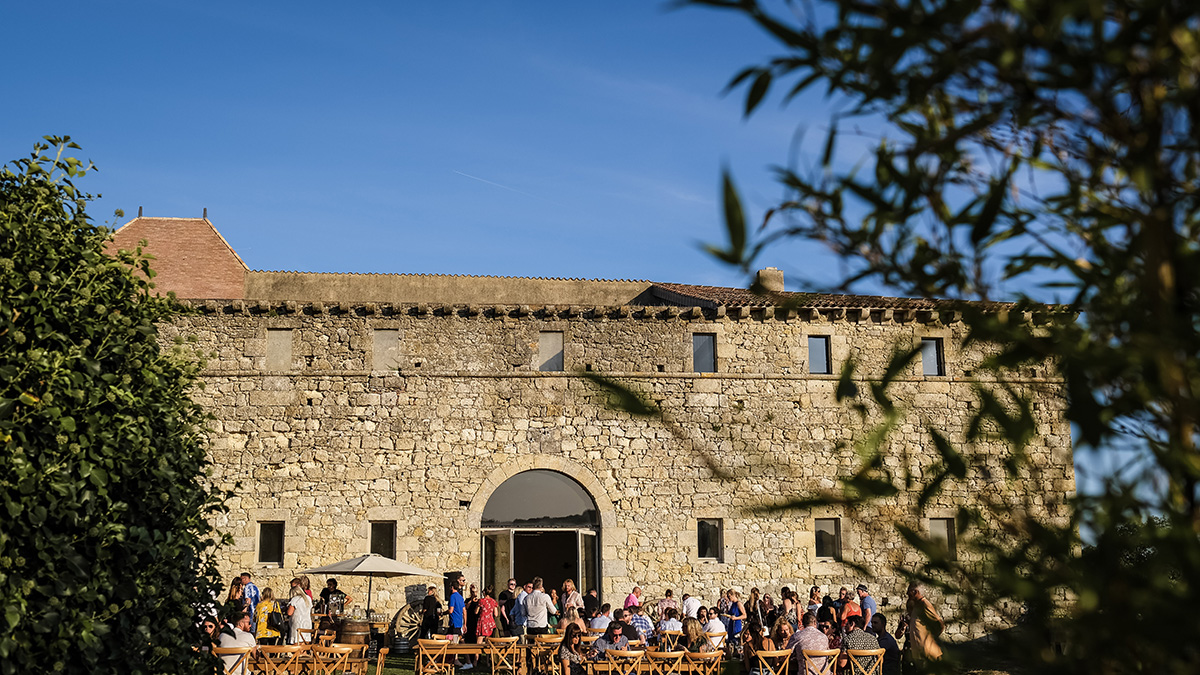
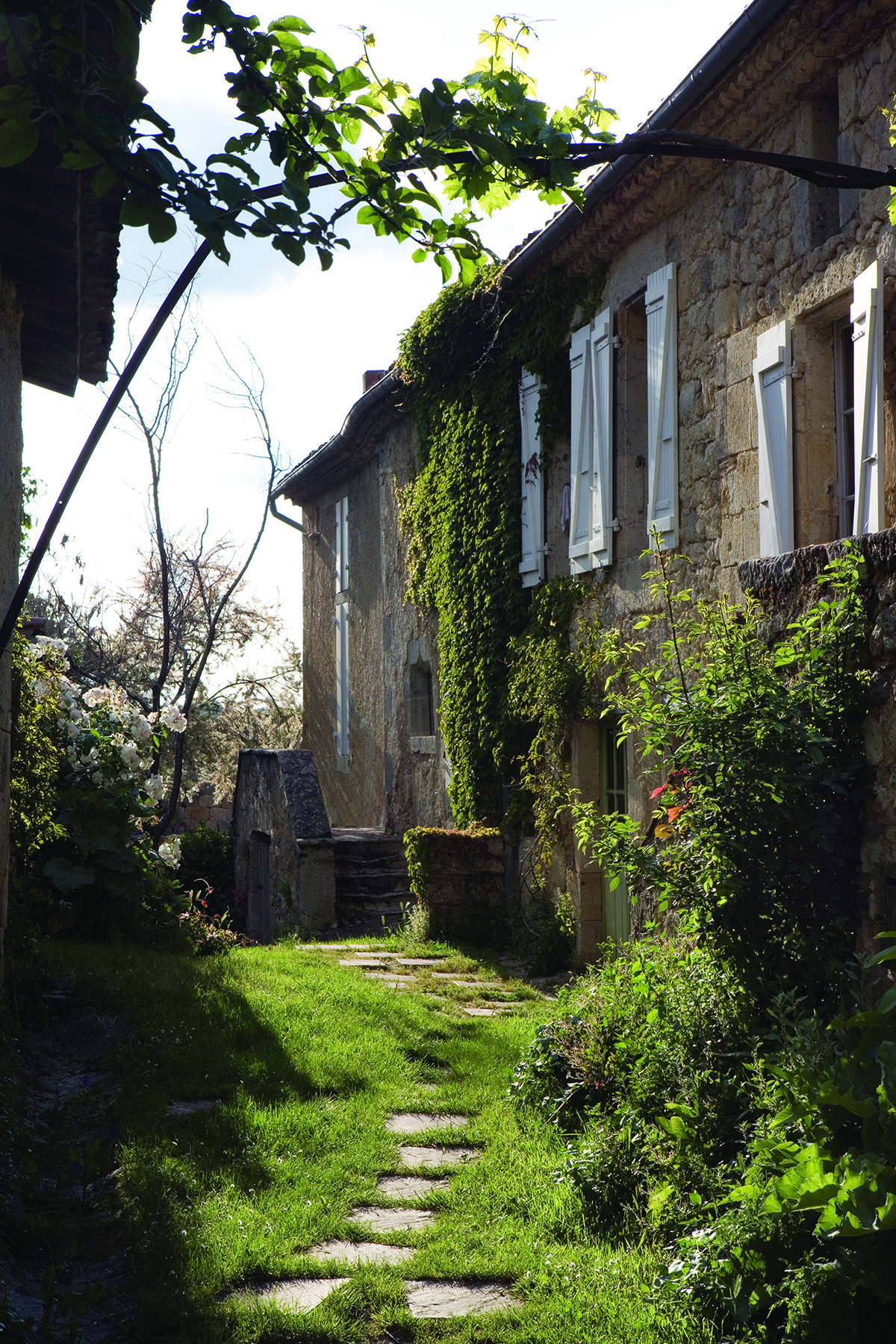
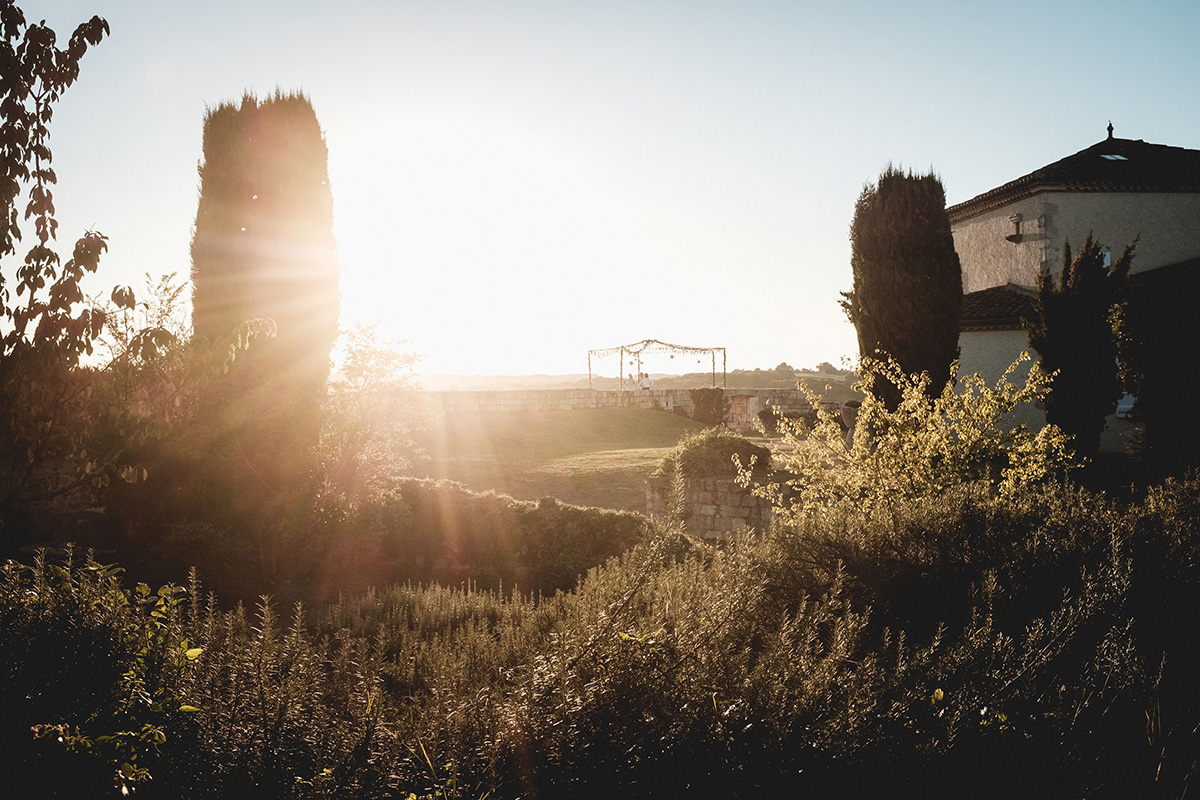
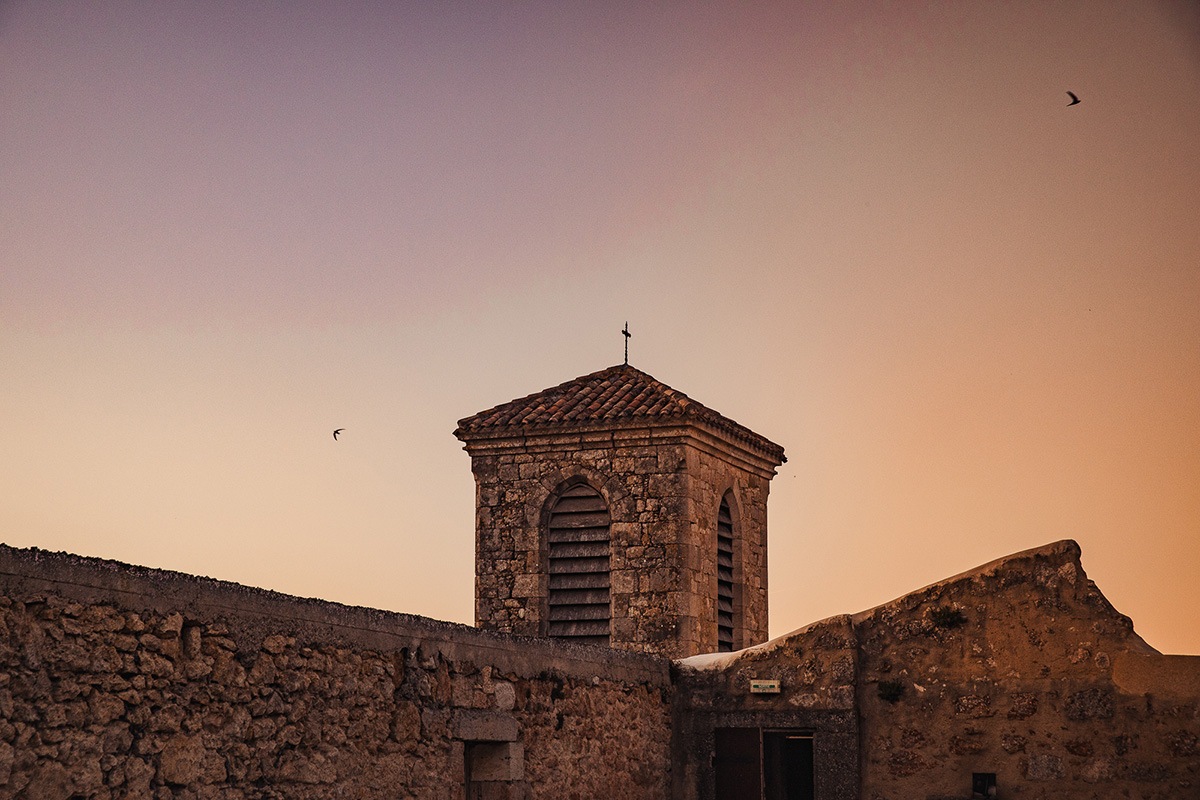
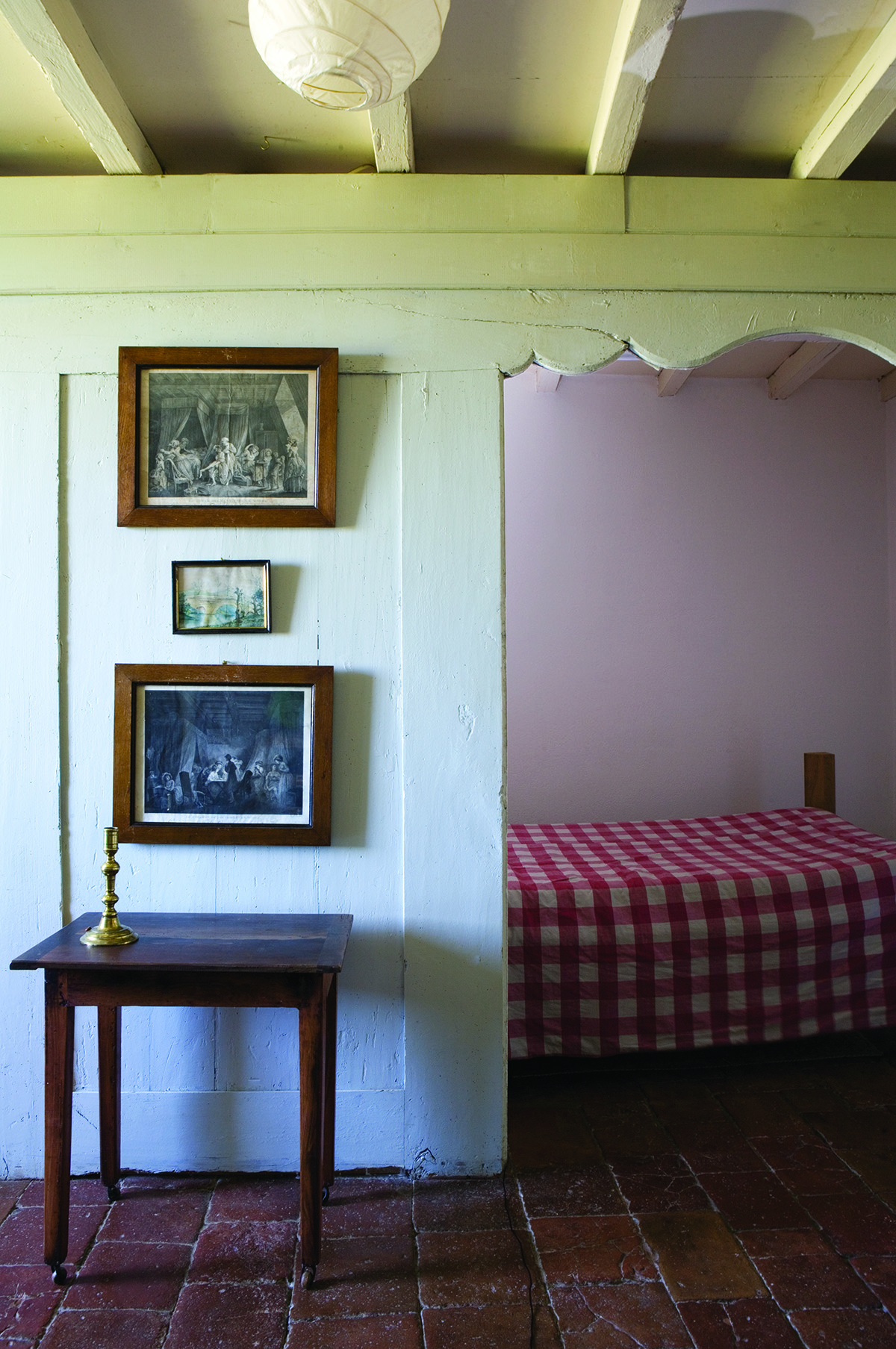
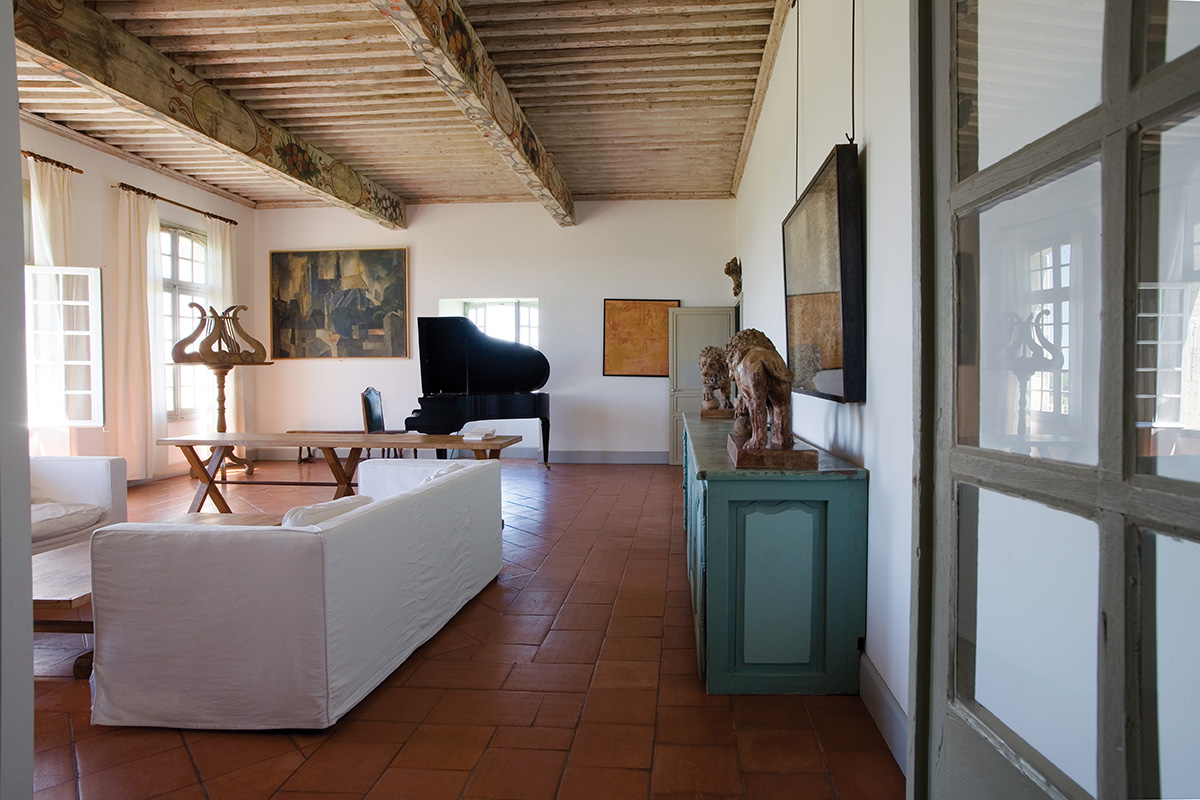
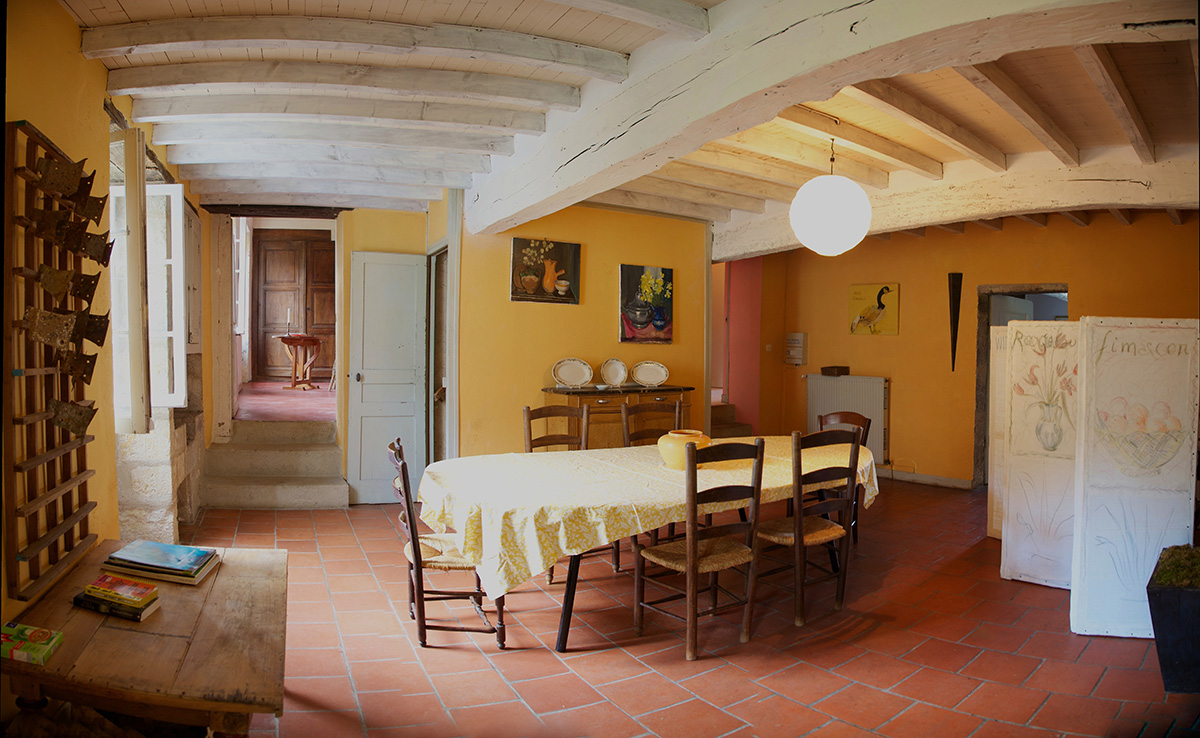
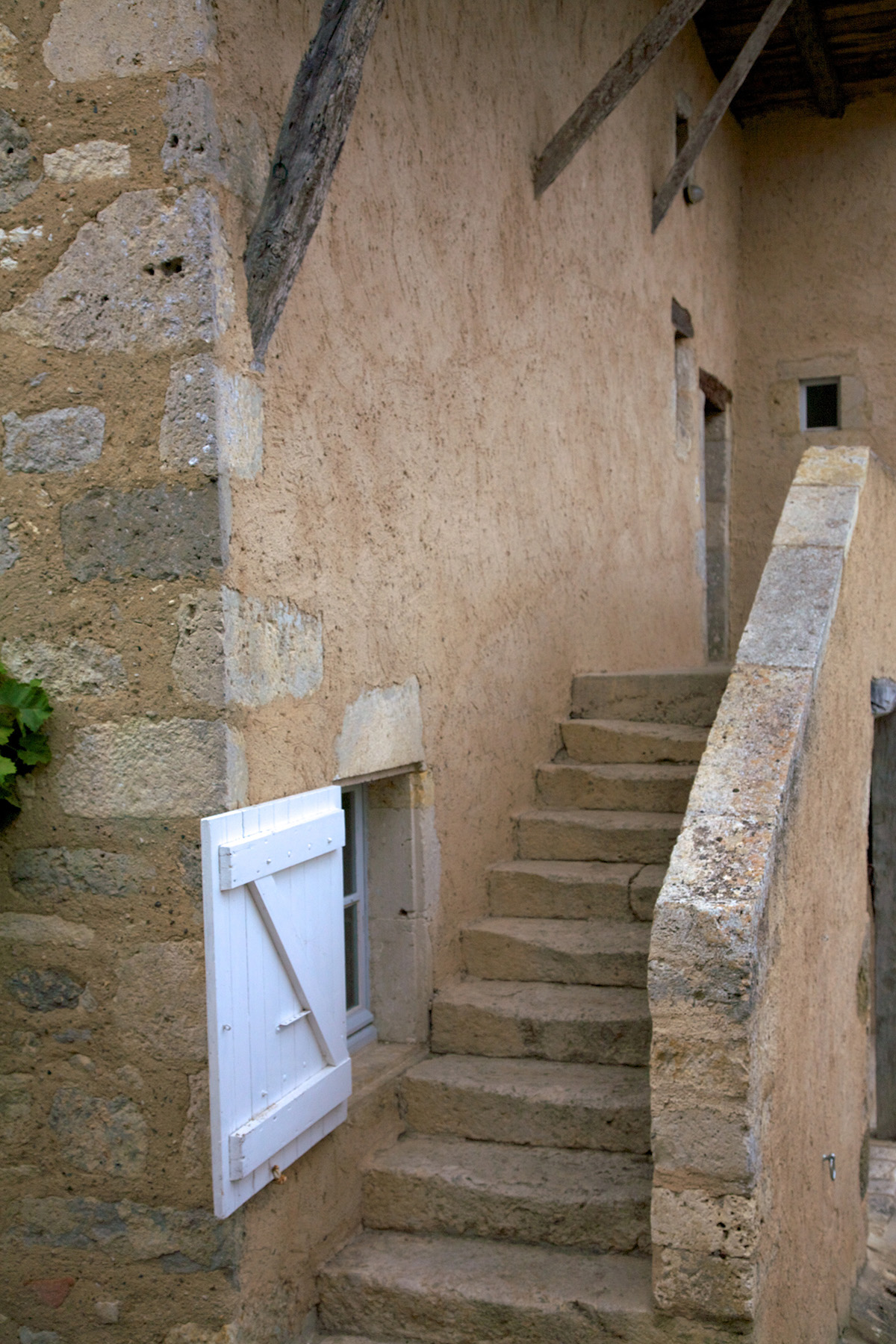
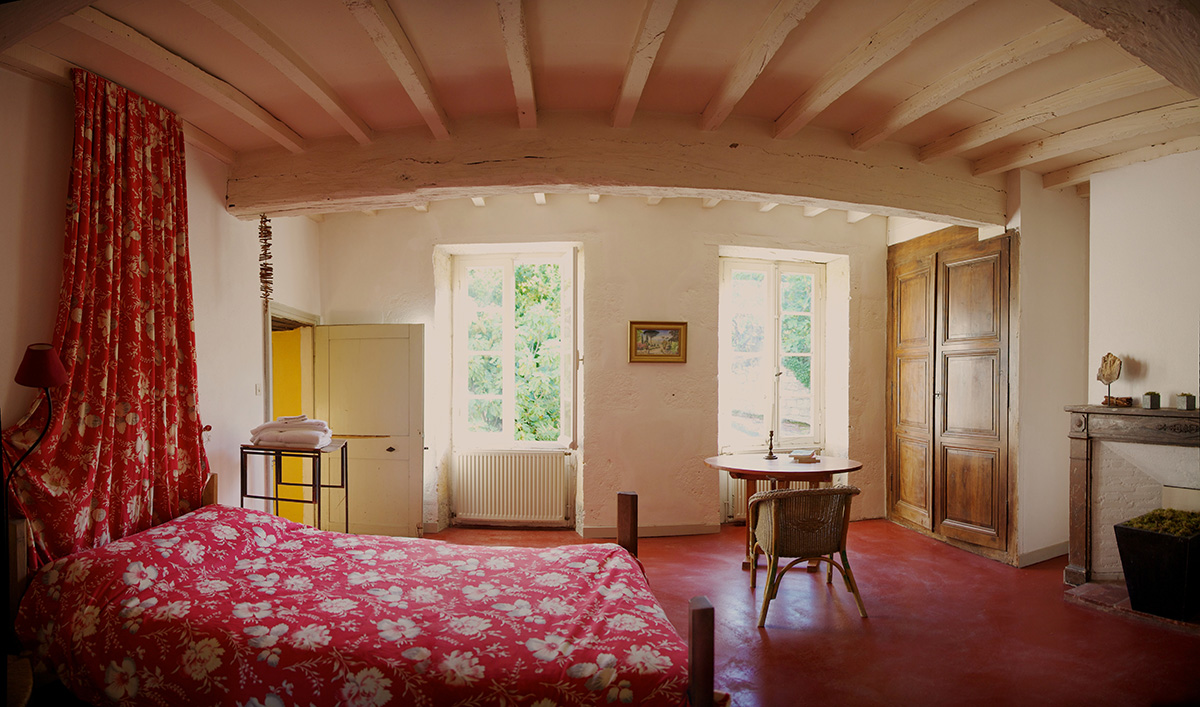
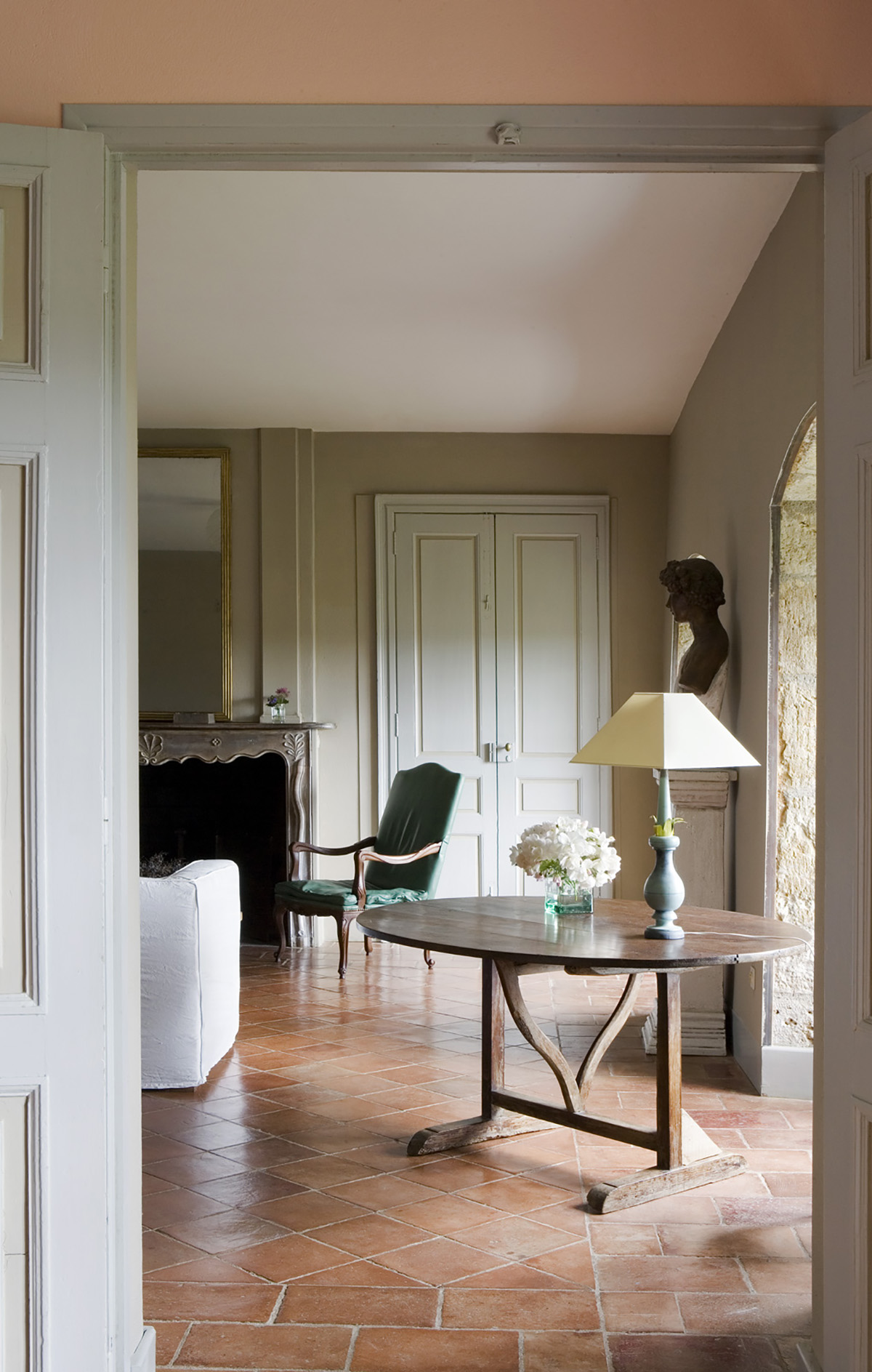
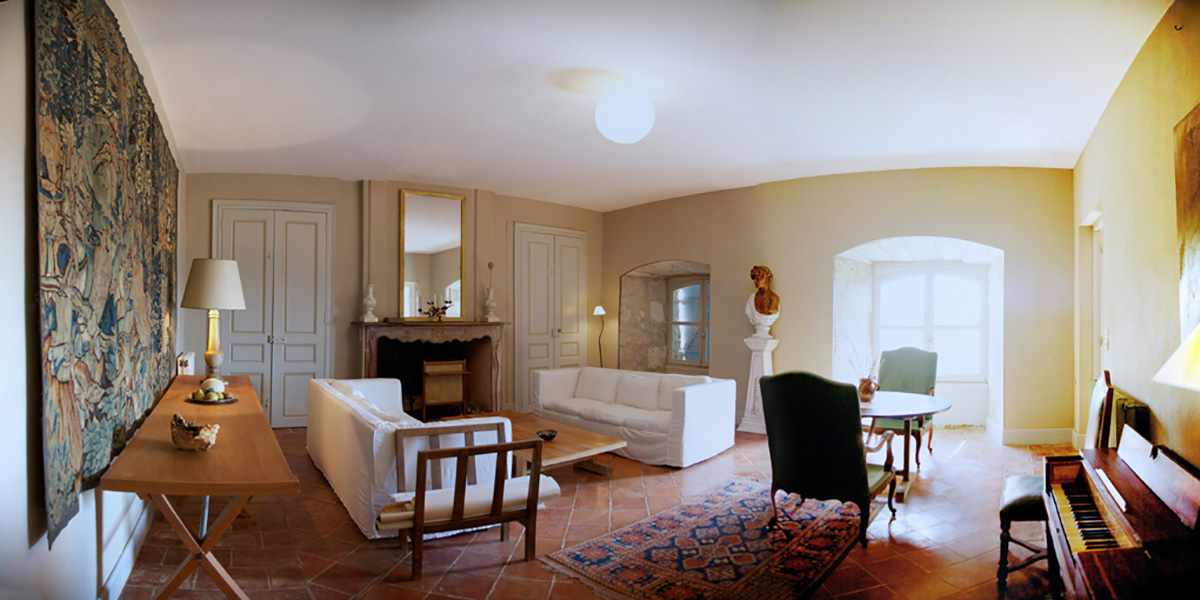
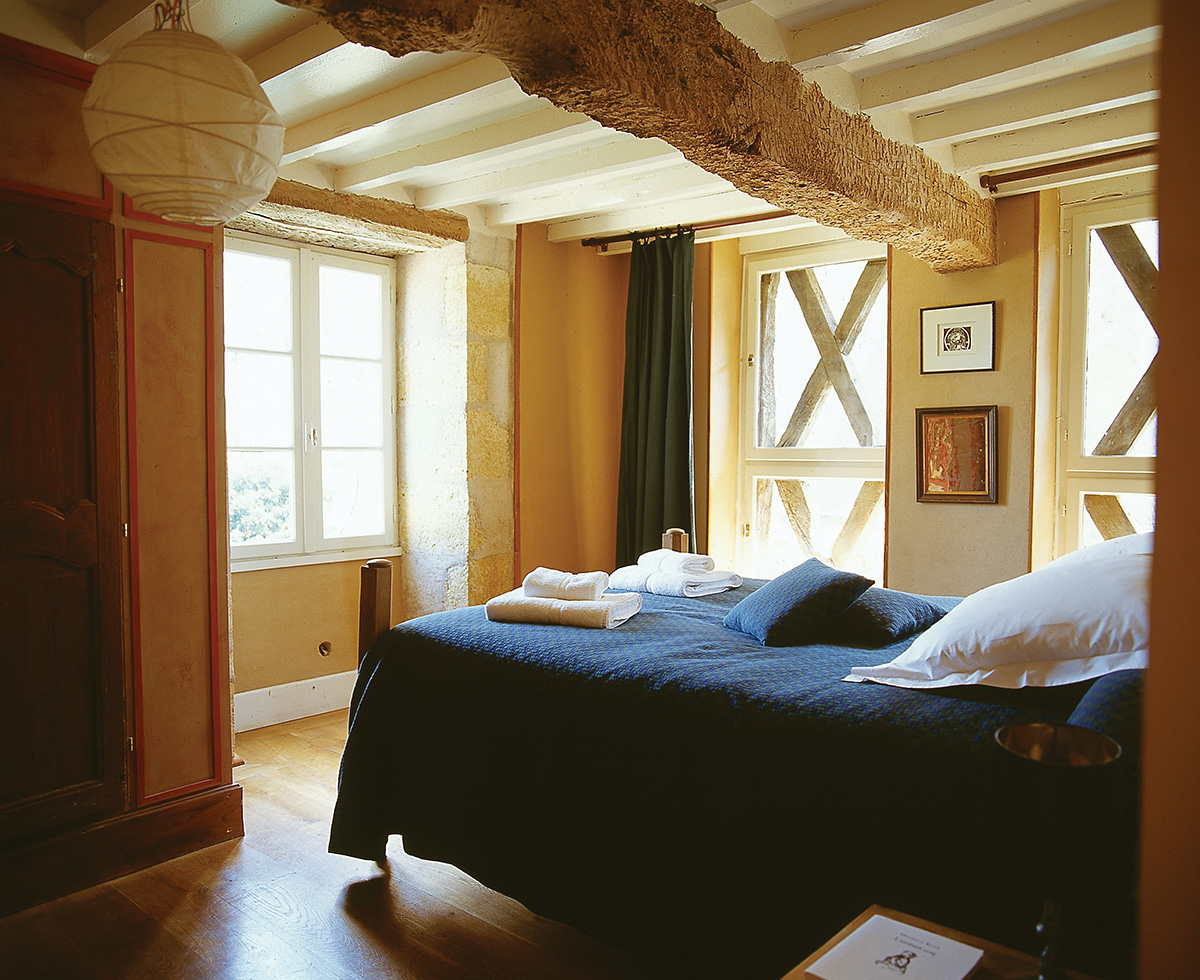
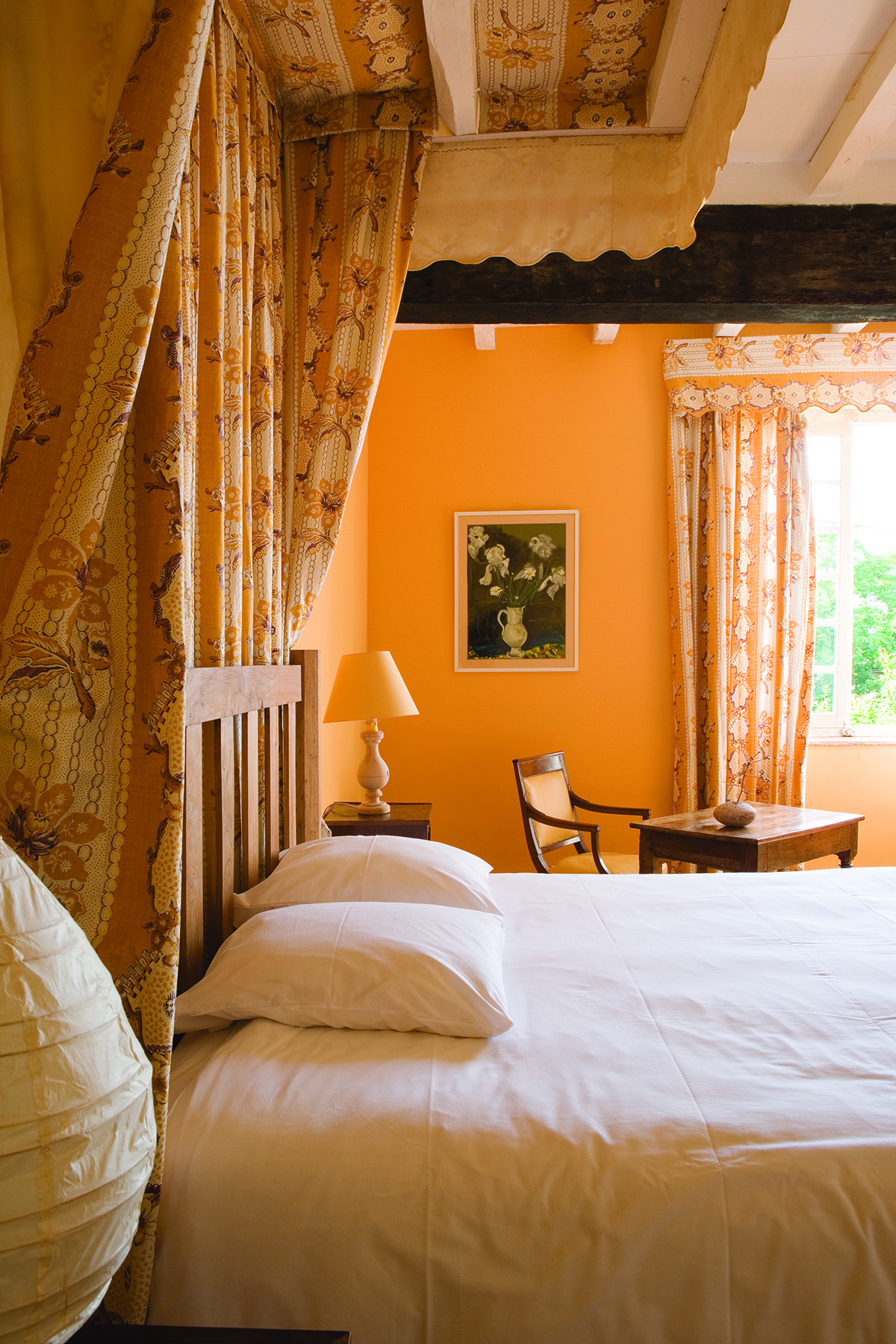
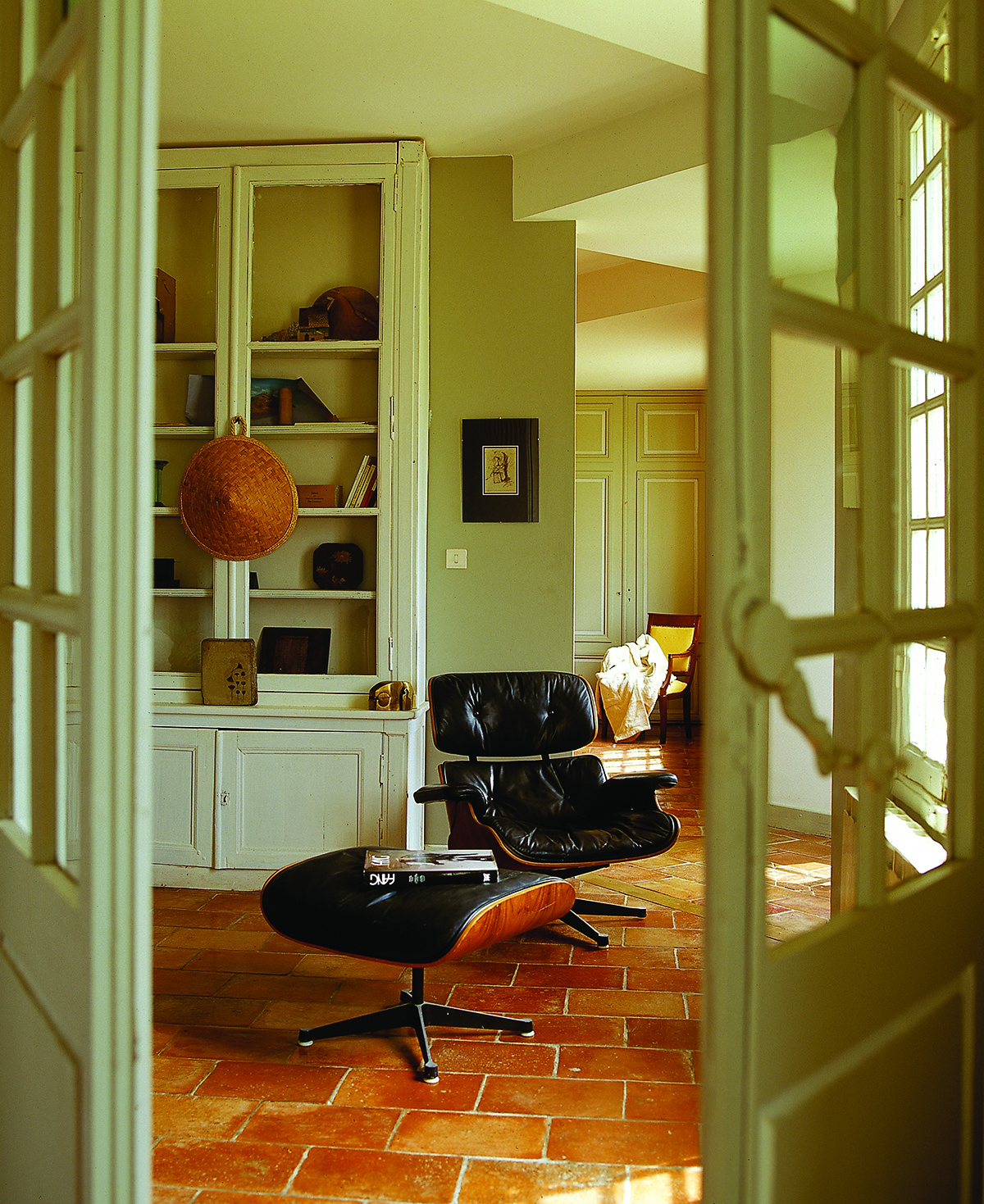
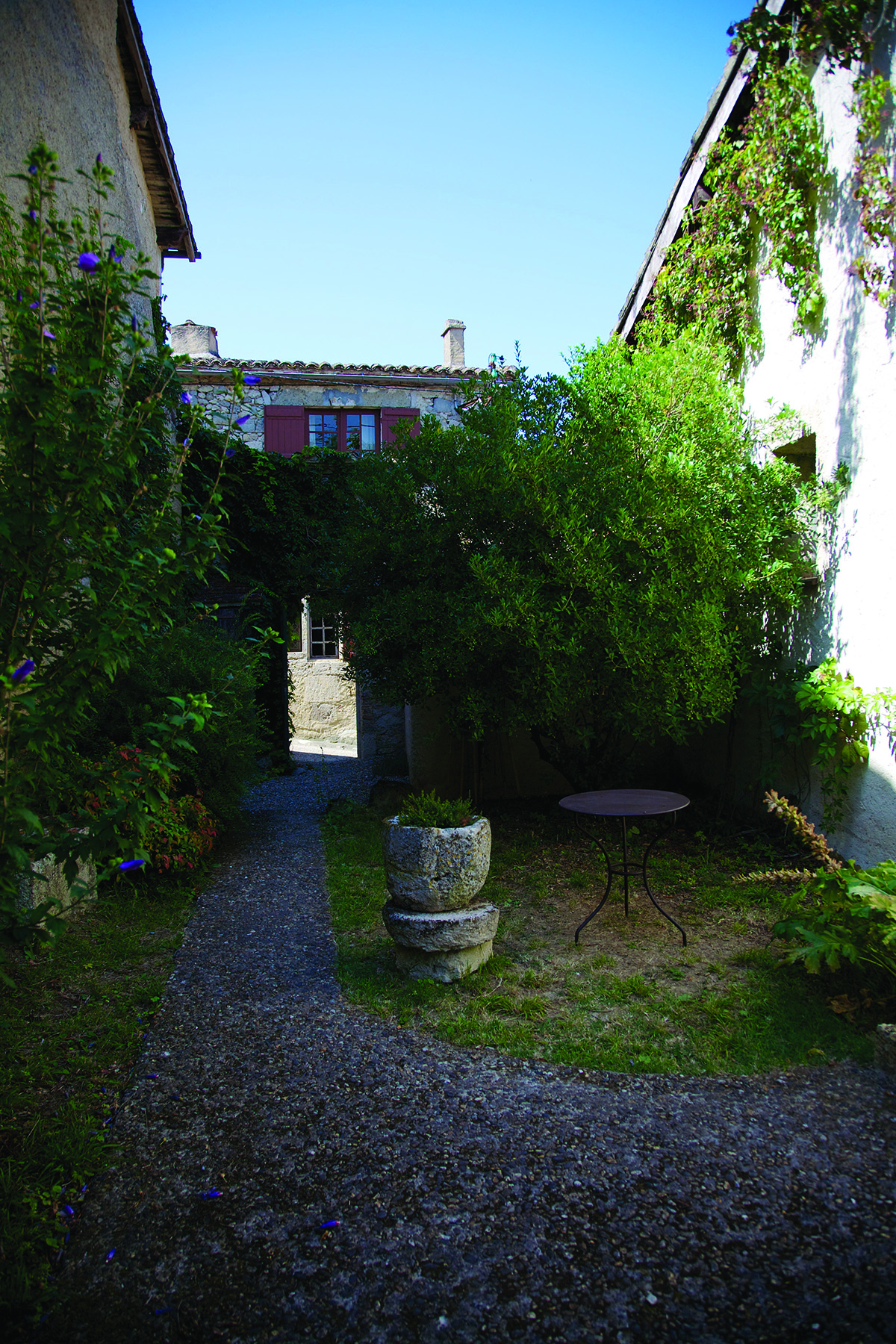
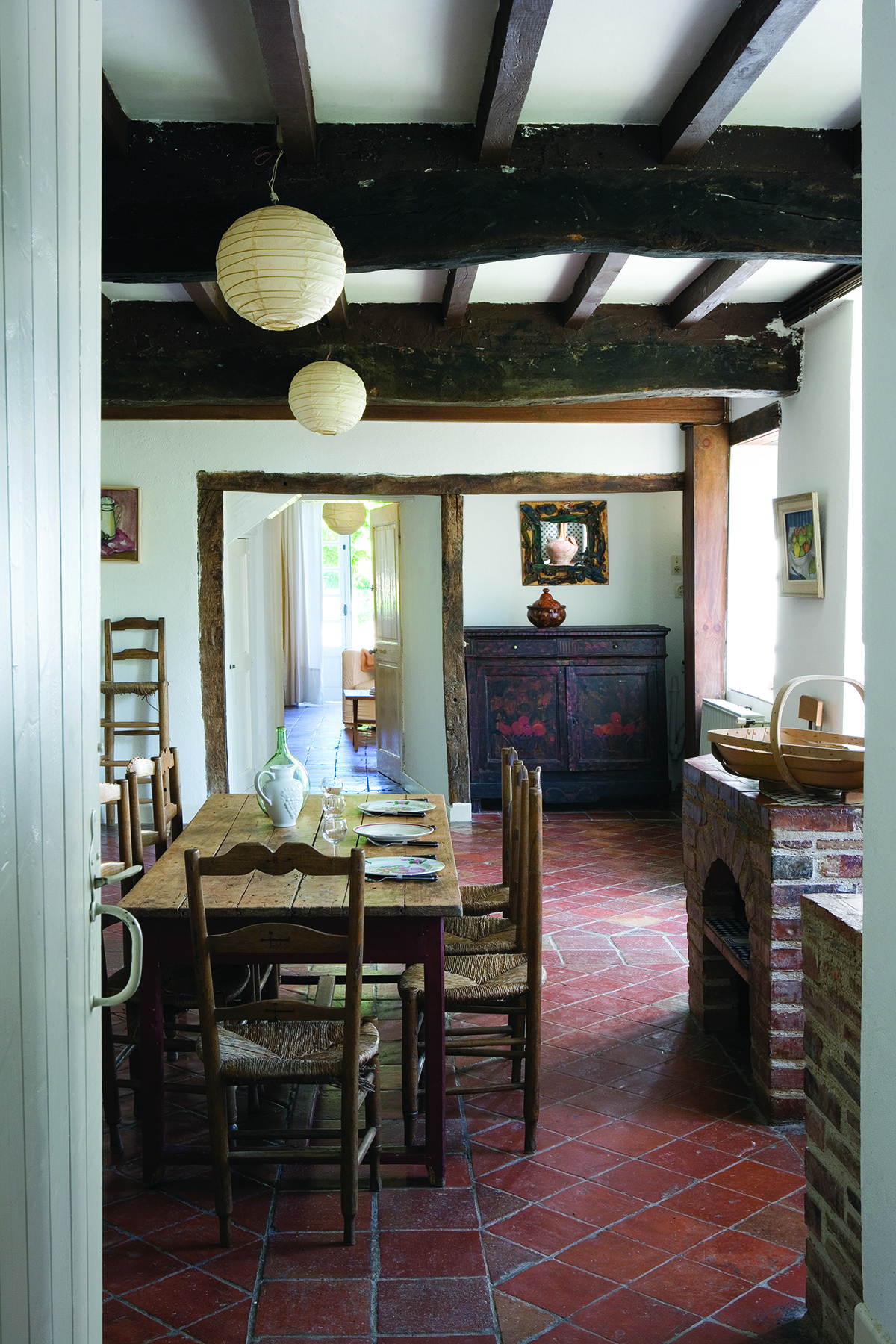
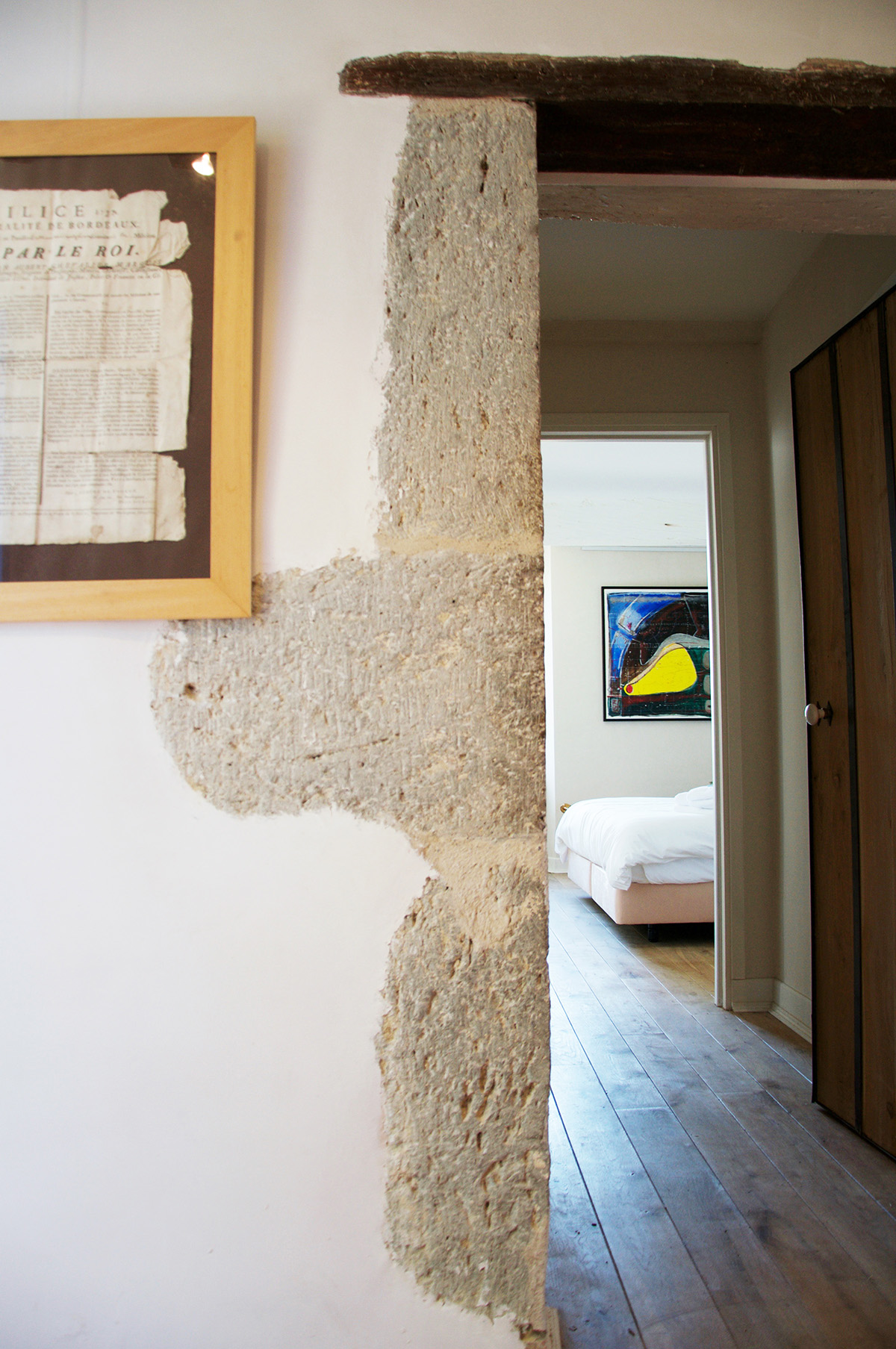
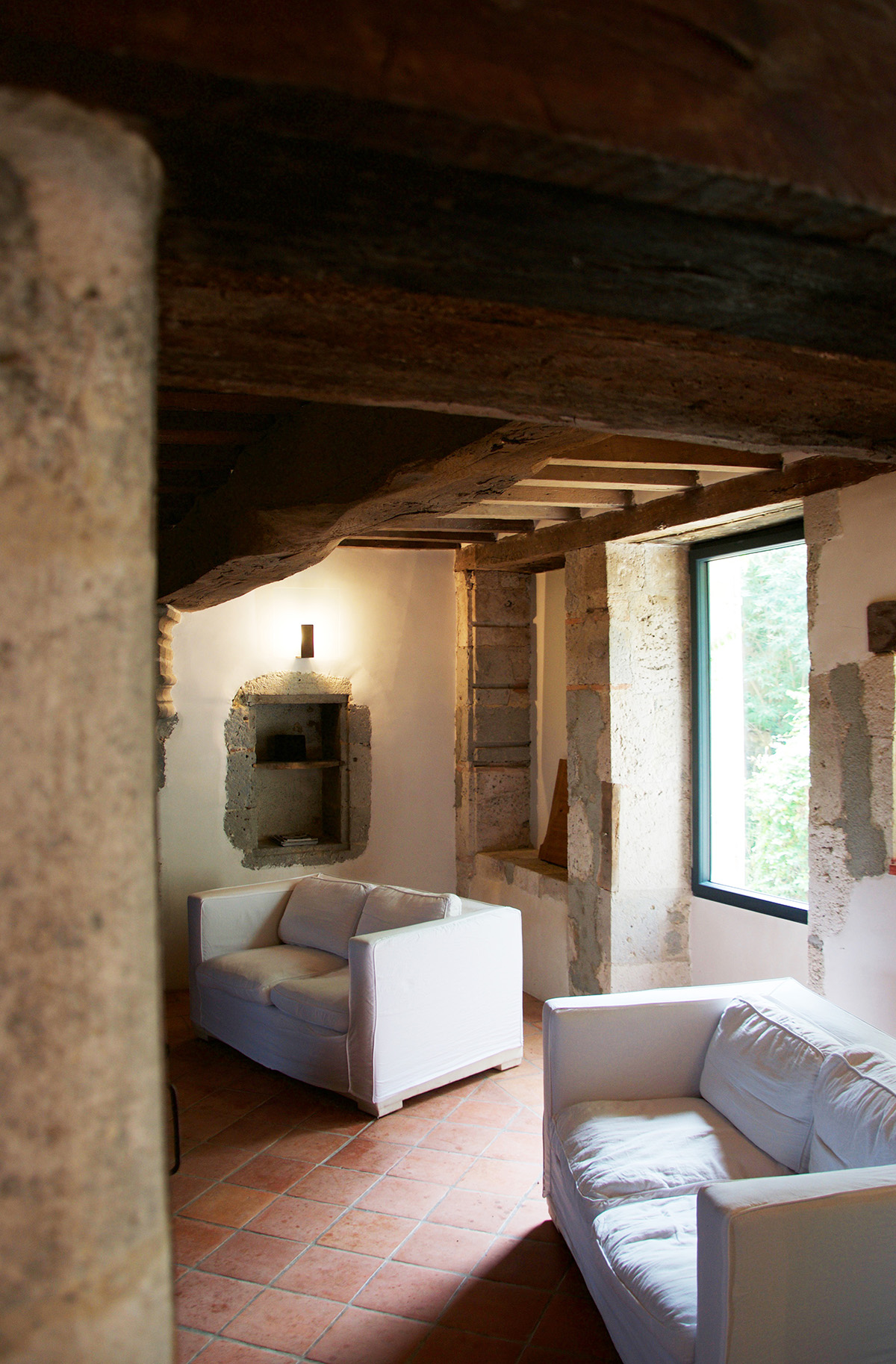
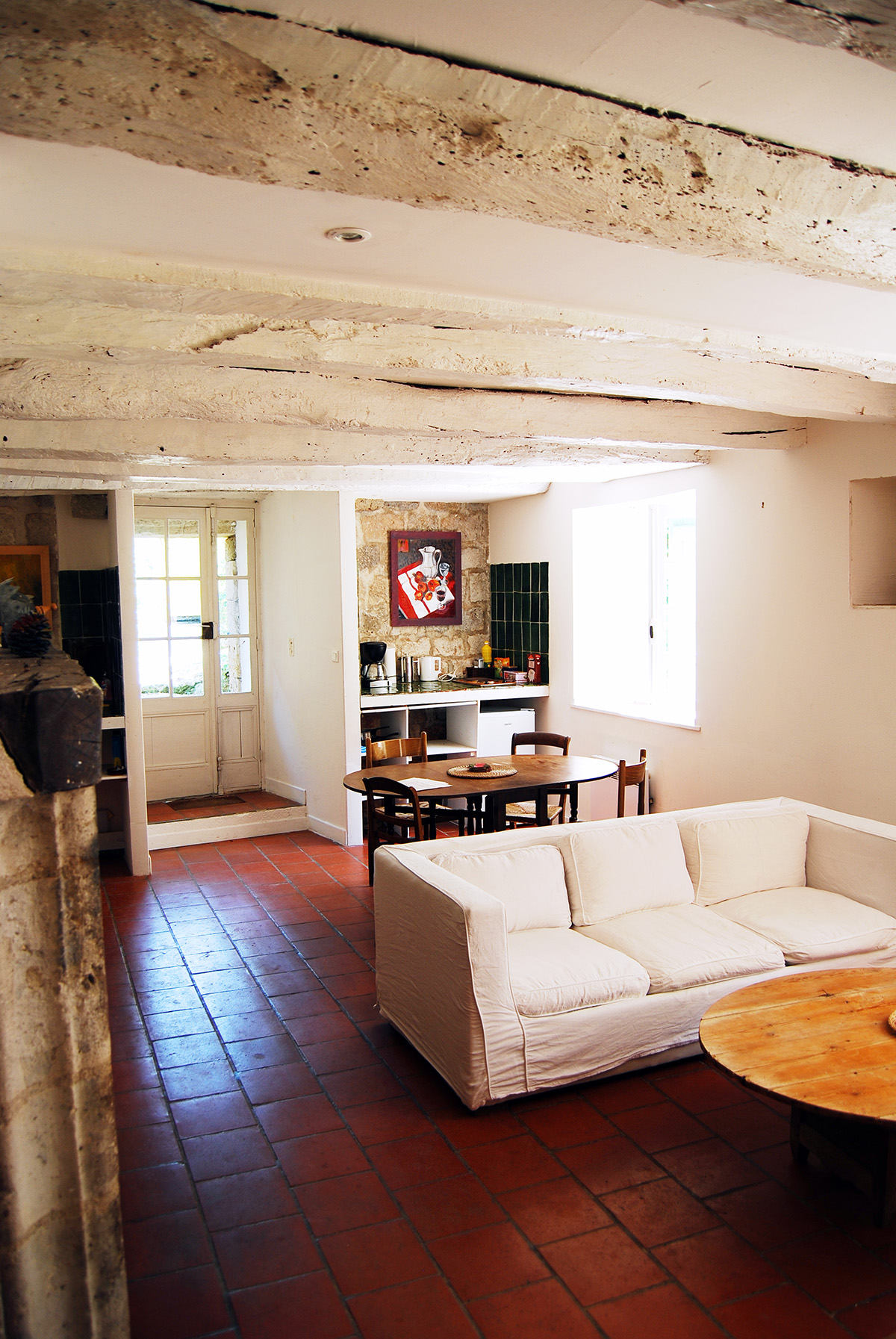
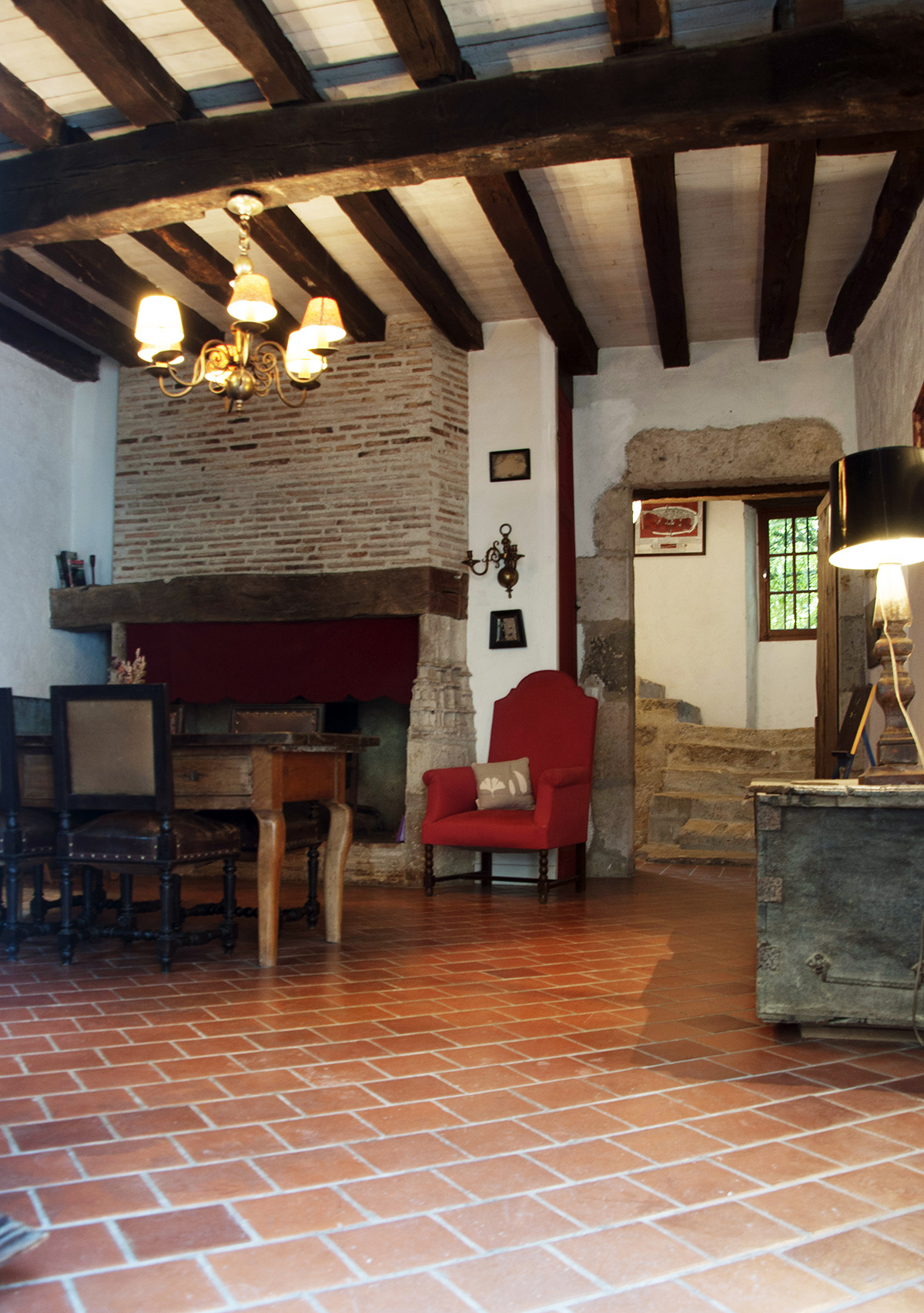
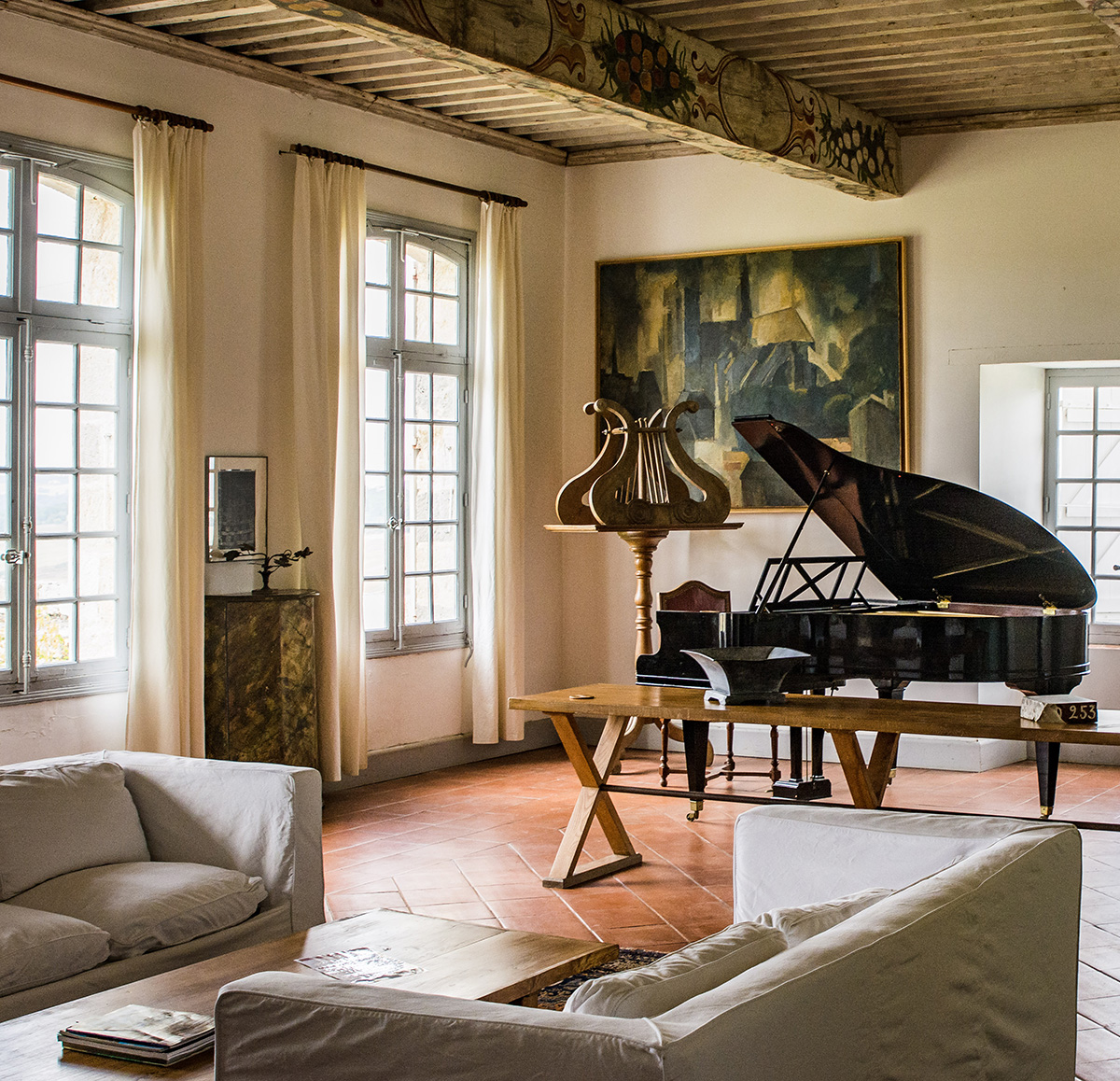
It is a fortified stronghold more than eight hundred years old. Operating as a hotel while offering sixteen individual houses for guests, multiple gardens and terraces, a banquet hall and an open air château, the village stands as a remarkable monument of Gascon architecture filled with antiques and art. Once a thriving medieval settlement, it has been brought back to life as a place to celebrate meaningful moments with the people you love.
Here, guests can also discover the history of this ancient village and learn how it has continued to live, breathe and evolve across the centuries.
brief history
1660-1680
The estate stables were built outside the walls of the stronghold. A document dated 1683 records that the consuls, magistrates and residents of the area acknowledged the hamlet of Lagarde and its lordship under the Marquis of Fieumarcon, at that time Jean Jacques de Cassagnet de Tilladet of Narbonne and Lomagne. The document includes a list of residents and their professions.
A total of thirty six families, representing 240 people out of the region’s approximately four hundred inhabitants, lived within the stronghold, along with the family of the Marquis of Fieumarcon. Among those listed were Jeannet de Condom, consul; Joseph de Condom, magistrate; Jean Martis, burger; Blaise Lacapere and Blaise Lafitte, surgeons; Jean Cadeilhan and Jeannet Gaudis, flax weavers; Lamazère, lawyer; François Bonneau, labourer; a carpenter; Blaise Bonne, blacksmith; Sieur Pierre Vidart, man at arms; a quarryman; a tailor; a saddler; Jean Castera, shoemaker; and Pierre Goudis, brazier.
1730
Emery de Fieumarcon died without heirs in 1760, and the title passed to the son of his sister. According to an inventory discovered from that period, the castle was in a poor state of repair and close to ruin. Emery himself had never visited the estate.
1797
Assets belonging to Henri Thomas Charles de Preissac Selignac were seized and sold during the Revolution. These assets included a building, pastures and areas of fallow land. The building consisted of eight ground floor rooms with large arched cellars beneath them and seven rooms on the first floor, all described as being in a severe state of disrepair. The remainder of the castle had been demolished in accordance with the law. The rubble, the surrounding terraces and the trees on the site were included in the sale, along with the eastern section of the property, the church, barns and stables, the arable land and the commune of Lagarde to the north. The ditch separating these areas and the central wall of the stronghold were also specified.
The reserve price was set at 2,100 pounds, and the property was auctioned for 17,000 pounds to Pierre Baquet, a citizen of Lectoure. Throughout the nineteenth century and continuing into the mid twentieth century, some property owners allowed buildings to deteriorate or intentionally destroyed them to avoid paying land taxes. When the school burned down, it was rebuilt outside the walls of the property. Craftsmen had disappeared from the area, and only one house remained partially inhabited in order to retain hunting rights. Many houses were sold to travelling families who used them primarily for storage while camping outside.
By 1960, the entire 800 hectare commune of Lagarde had only 125 inhabitants, a stark contrast to the 477 residents recorded in 1841.
additional info
Born in the region, the project’s initiator found inspiration in the simplicity and intelligence of vernacular architecture, particularly in its use of local materials, its balanced room proportions and its thoughtful spatial organisation. This interest was strengthened by a growing concern for the countryside, the landscape and the many traditional houses that, at the time, were rapidly falling into disrepair.
Research revealed that many farm owners were hesitant to undertake refurbishment, especially when it involved installing modern services such as electricity, water and sewerage. It also became clear that a State programme administered by the Ministry of Agriculture, known as SAFER, required owners wishing to sell their land and buildings to sell directly to the State. Established during a period in which national policy promoted large scale industrial agriculture, the programme aimed to consolidate small farms into parcels of more than thirty hectares to maximise productivity. As a result, increasing numbers of traditional farmhouses were abandoned and fell into dilapidation.
An early proposal was presented to the Ministry to create an investment fund dedicated to maintaining traditional farm buildings in order to preserve the rural landscape. The proposal was not adopted at the time. Two decades later, however, a similar scheme was implemented by the French State.
By the nineteenth and early twentieth centuries, some property owners had allowed buildings to deteriorate or intentionally demolished them to avoid paying land taxes. When the school burned down, it was rebuilt outside the stronghold walls. Skilled craftspeople had largely disappeared from the area, and only one house remained partially inhabited to retain hunting rights. Three houses were sold to travelling families who used them for storage while camping nearby. By 1960, the commune of Lagarde, covering eight hundred hectares, had only one hundred and twenty five inhabitants compared to four hundred and seventy seven recorded in 1841.
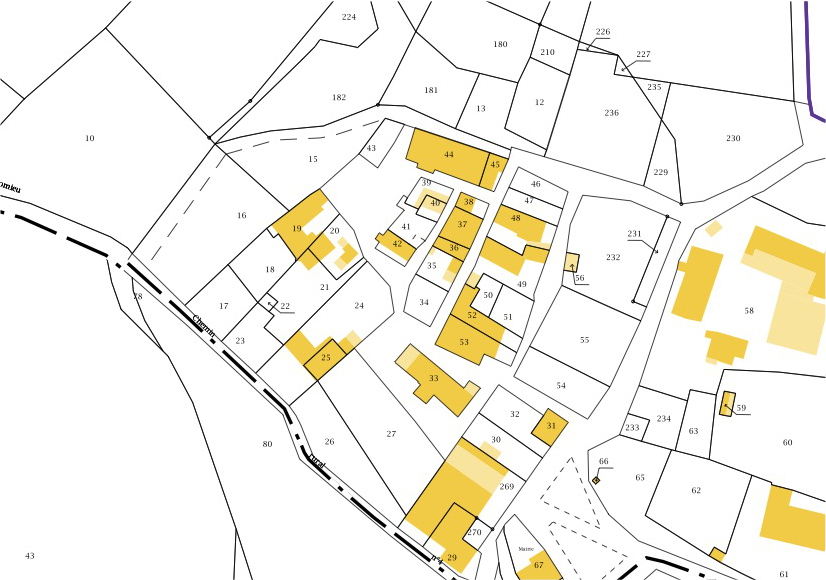
Archaeological investigations undertaken during the restoration of the stronghold confirmed that it had originally included a fortified perimeter with ditches on three sides, two entrance points, an interior castle, defensive walls, thirty six houses built against the inner ramparts, a chapel and the estate stables located on the flat ground outside the walls.
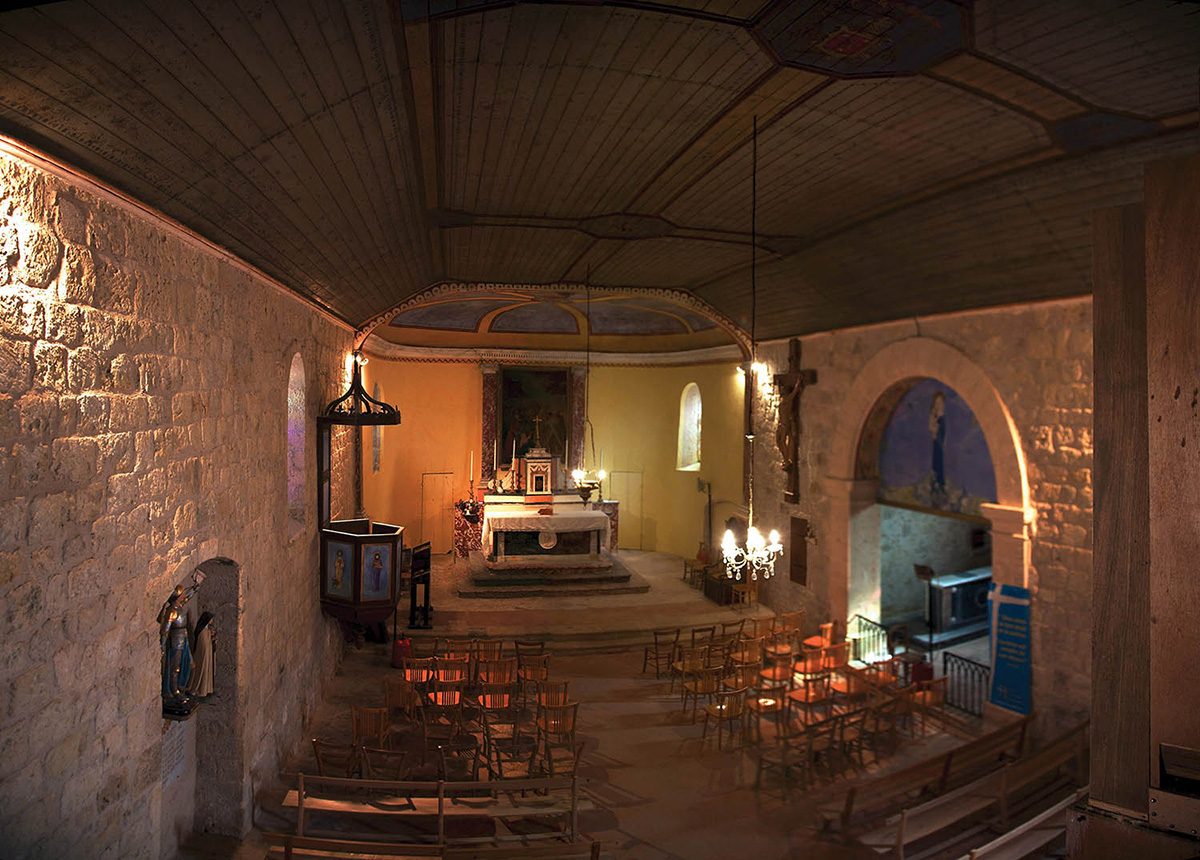
By 1978, the only structures remaining were the ruined seventeenth century stables, the enclosing walls of the stronghold, seventeen ruined houses within the perimeter and the ivy covered chapel.
In 1978, a native of the region with a long standing interest in conservation was approached by the local baker to purchase three dilapidated houses within the original fortified village of Lagarde Fimarcon, a commune covering eight hundred hectares. After researching the history of the site, the decision was made to acquire the entire village, with the exception of the church, which remained State property. What emerged from the overgrown ruins was the structure of a medieval stronghold that had once housed approximately 240 inhabitants in the thirteenth century.
At the time of acquisition, the stronghold was uninhabitable and the population of the wider commune had fallen to around 120 people. The objectives guiding the regeneration of the village were clear and grounded in long term sustainability:
To demonstrate that restoring existing buildings for rental at fair market value could be as economically viable, or even more so, than constructing new housing estates.
To show that the local population would naturally choose to return to such an environment, preferring it to contemporary State housing developments. This was considered socially desirable and likely to result in an improved quality of life for the community.
To preserve the traditional landscape surrounding the village.
To revitalise historic craftsmanship and skills by drawing upon the knowledge, memory and commitment of long standing members of the community. Through training and re education, these practices could once again be integrated into the restoration process.
The regeneration programme for the village was implemented in phases with the support of limited grants and incentives from the French State, totalling approximately 1.5 million francs for the restoration of the seventeen houses within the stronghold. The agreement required that tenants be offered ten year leases at fixed rents regulated by the State.
In 1984, both the church and the monumental stables were classified as historic monuments, and the countryside visible from the Castelnau was also placed under protection.
By 1988, all seventeen houses inside the castle walls had been fully restored, along with three additional houses outside the walls. Sixteen families, representing thirty six people, chose to relocate from nearby urban areas and establish their homes within the Castelnau. The gradual restoration of the stronghold acted as a catalyst for wider revitalisation, and by 1988 the population of the commune had begun to grow again, reaching 165 inhabitants.
As the first phase of the Castelnau restoration progressed and proved successful, the scale of the human effort involved led to a growing awareness of the principles and practices that are now recognised as sustainable development. This awareness naturally shaped the next objectives for the future use of the Castelnau.
In the following years, a series of programmes, experiments and activities were implemented:
• the acquisition of two neighbouring farms and their de-pollution through a four year programme completed in 2000, designed to provide sufficient organic food for the stronghold and surplus produce for the local economy
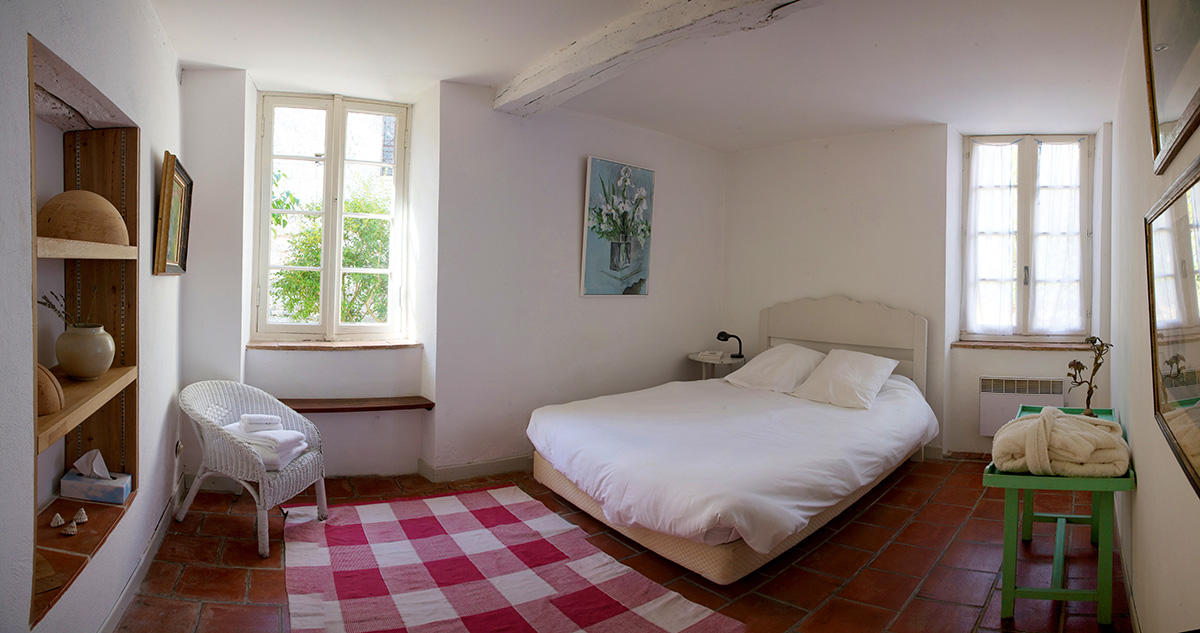
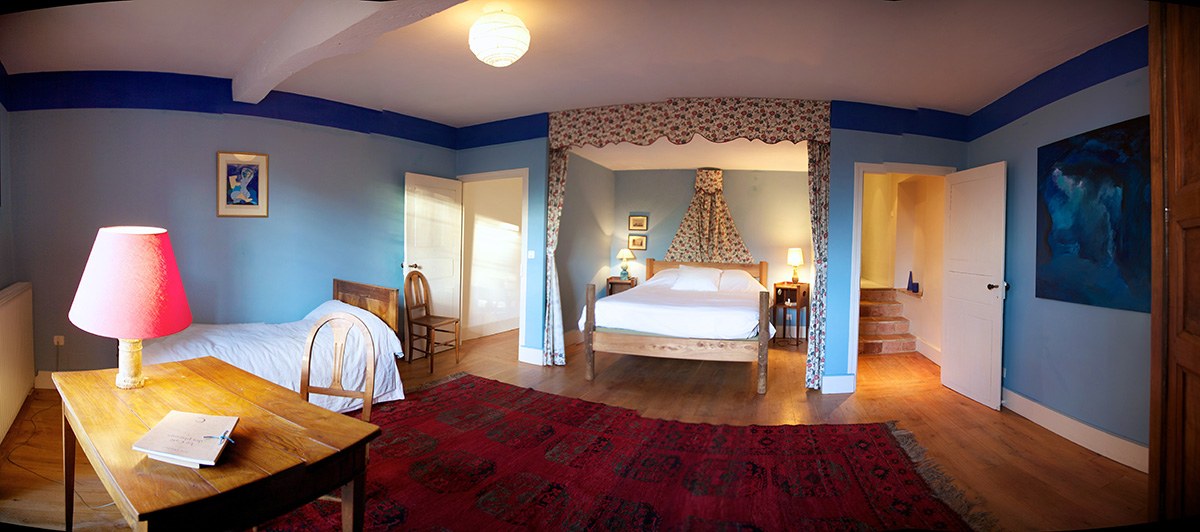
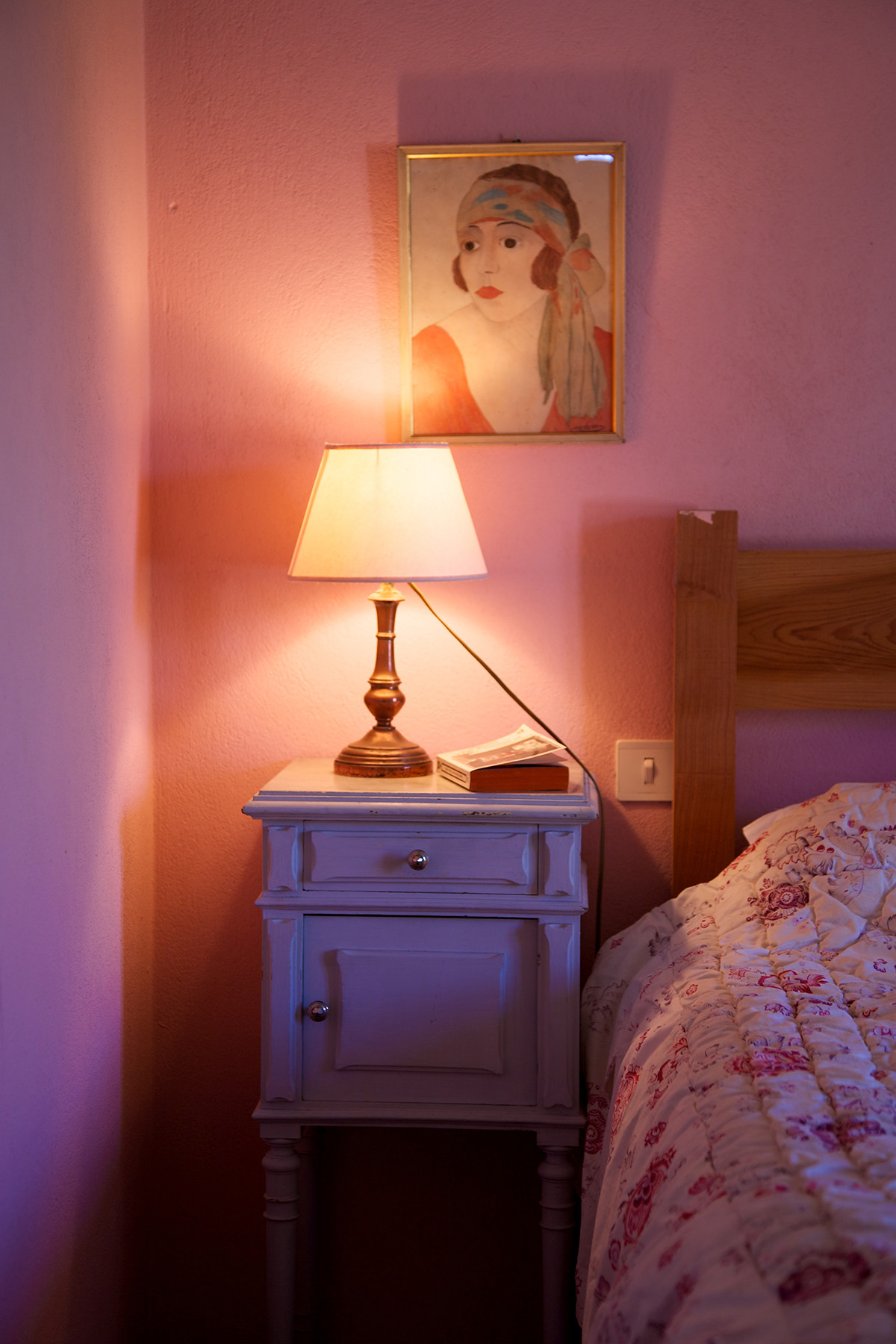
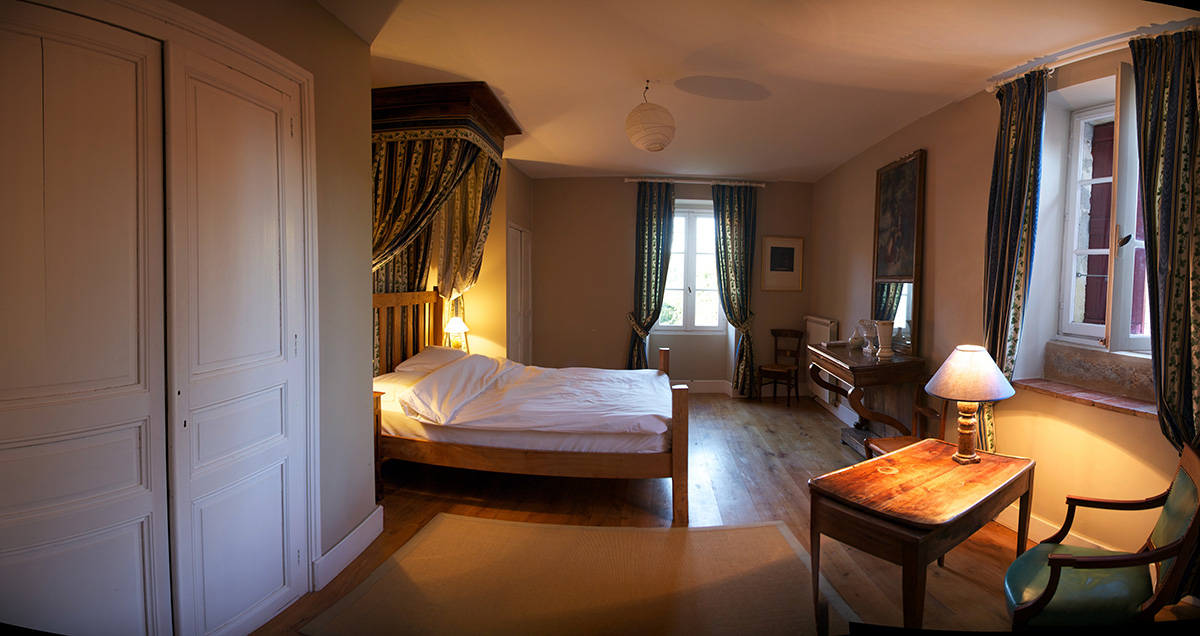
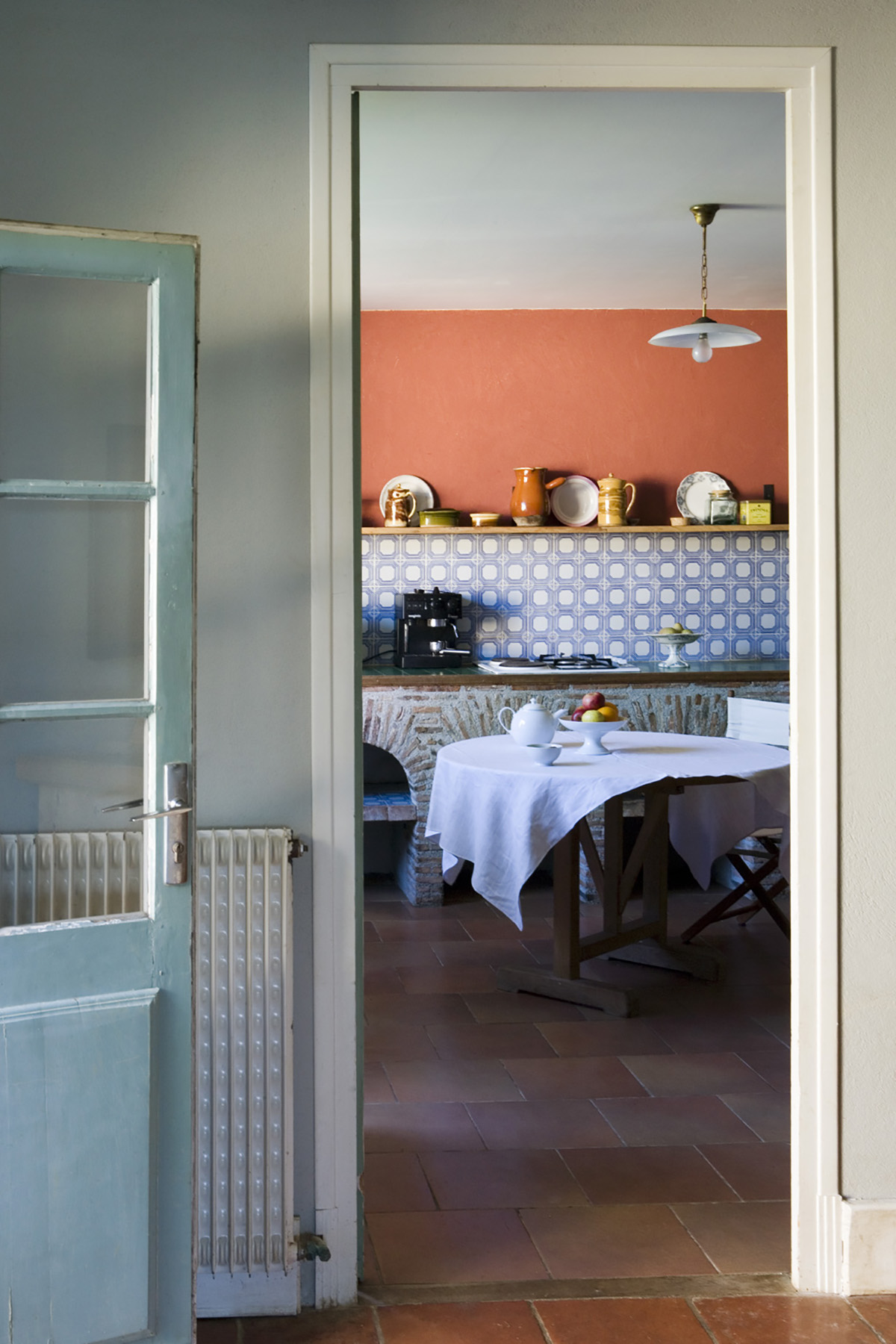
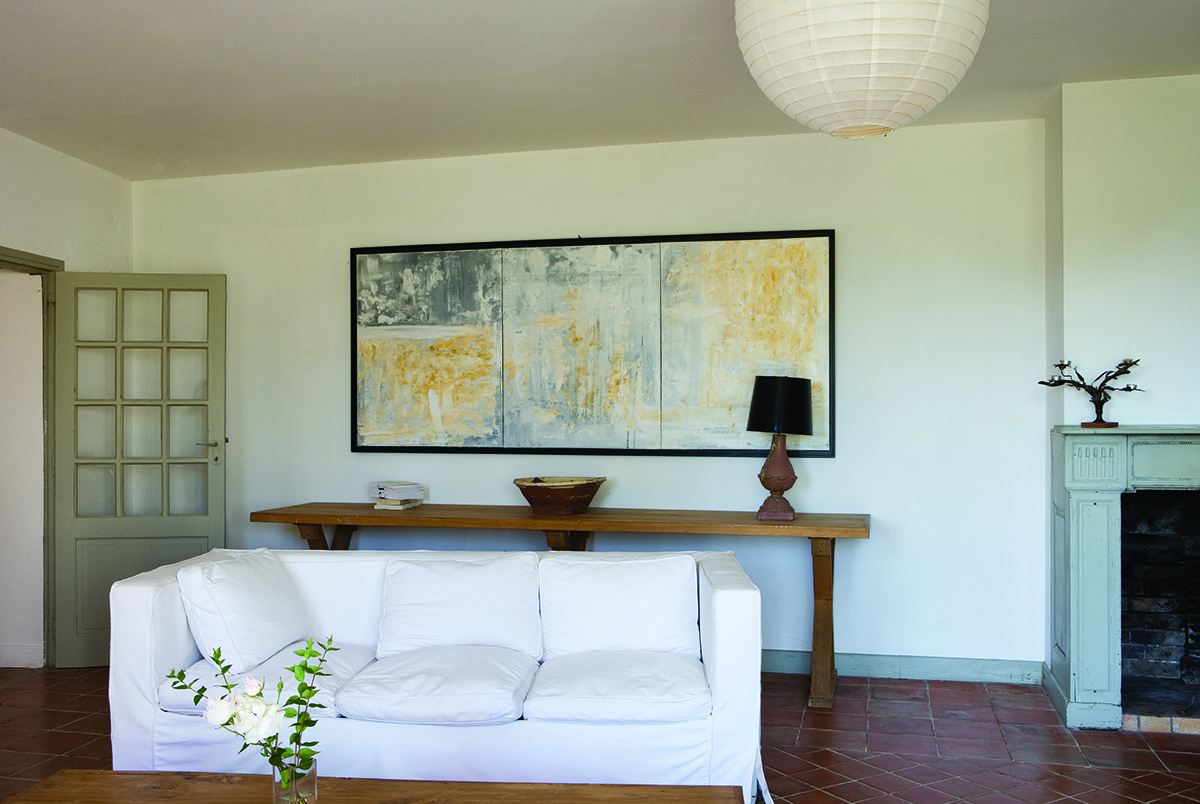
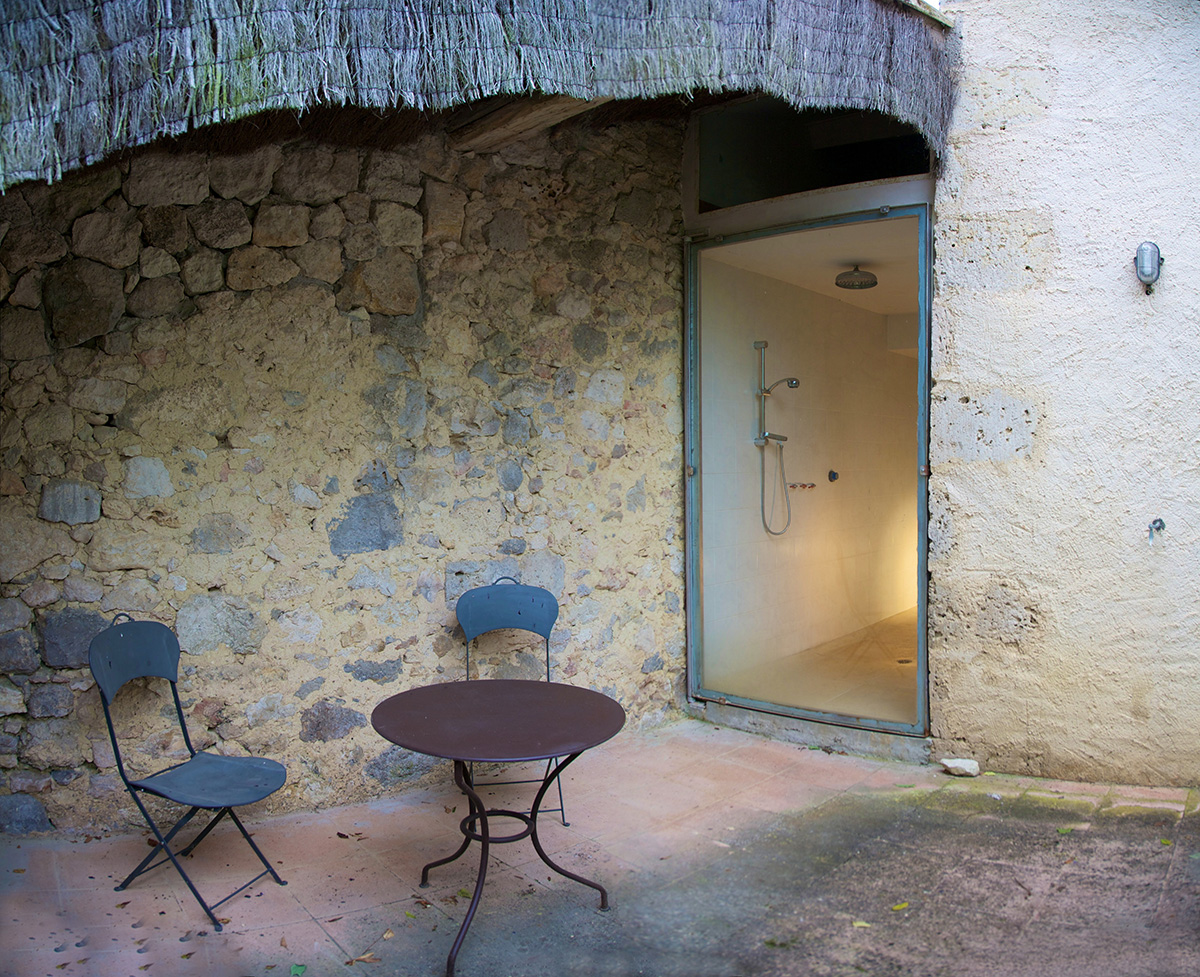
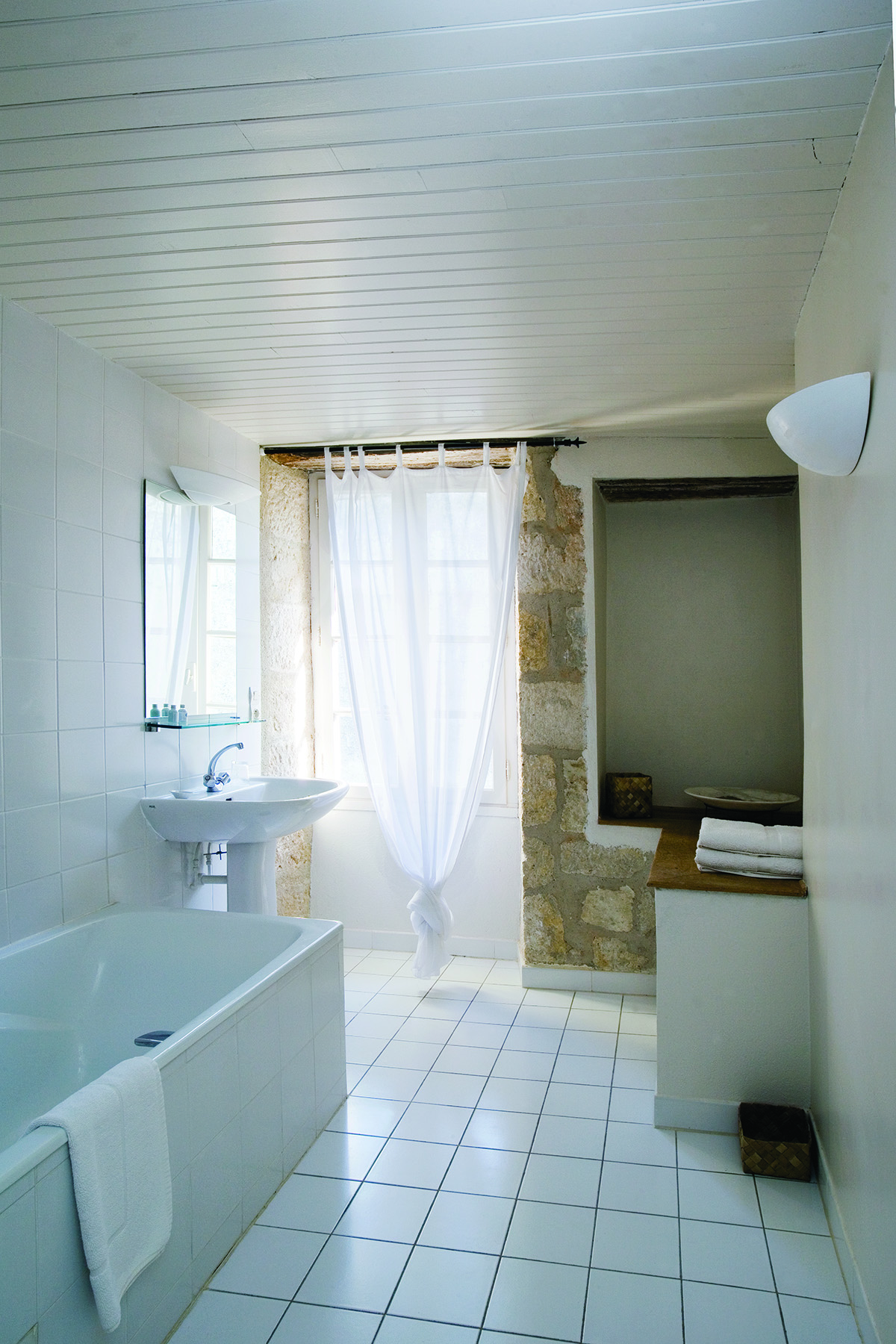
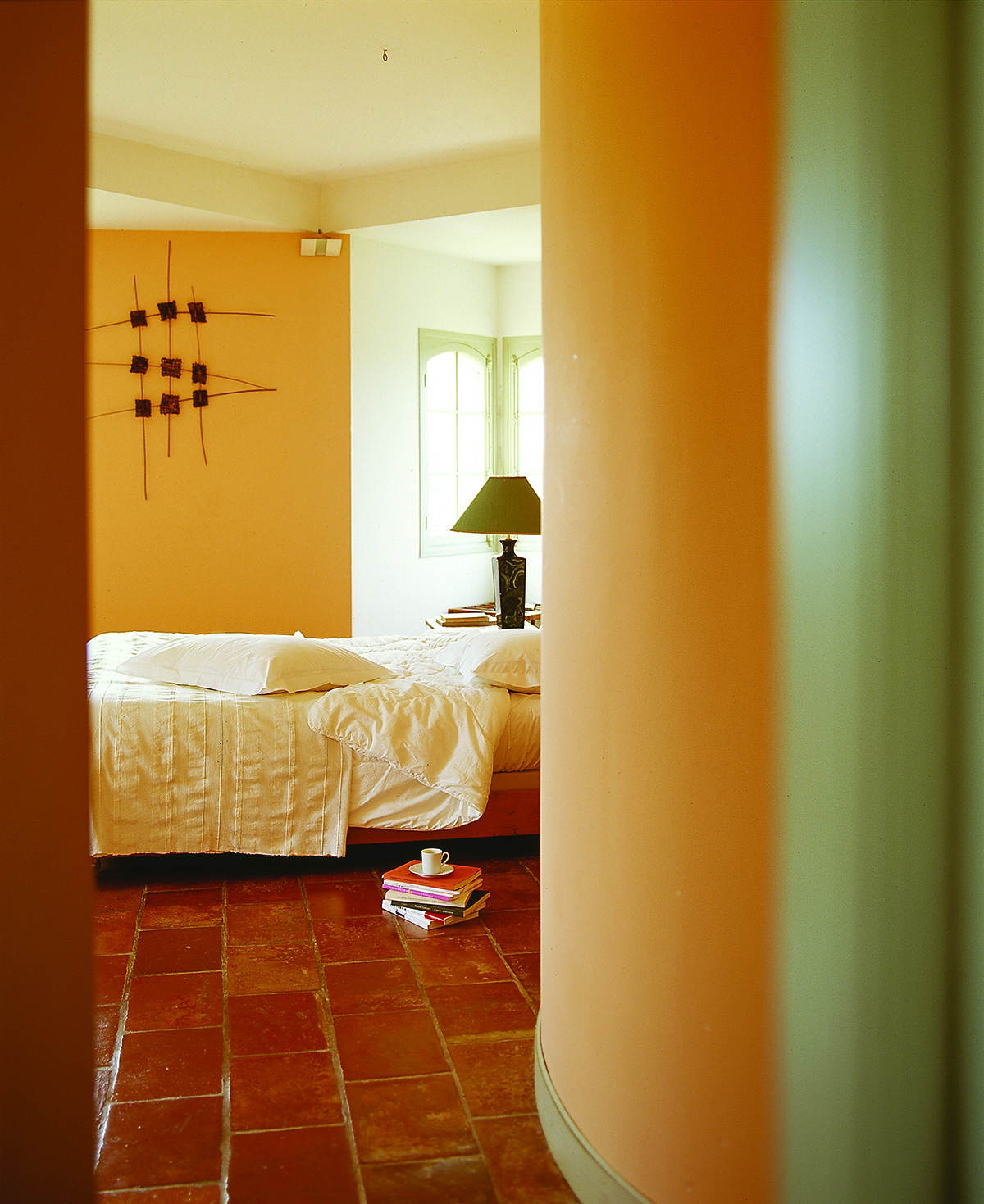
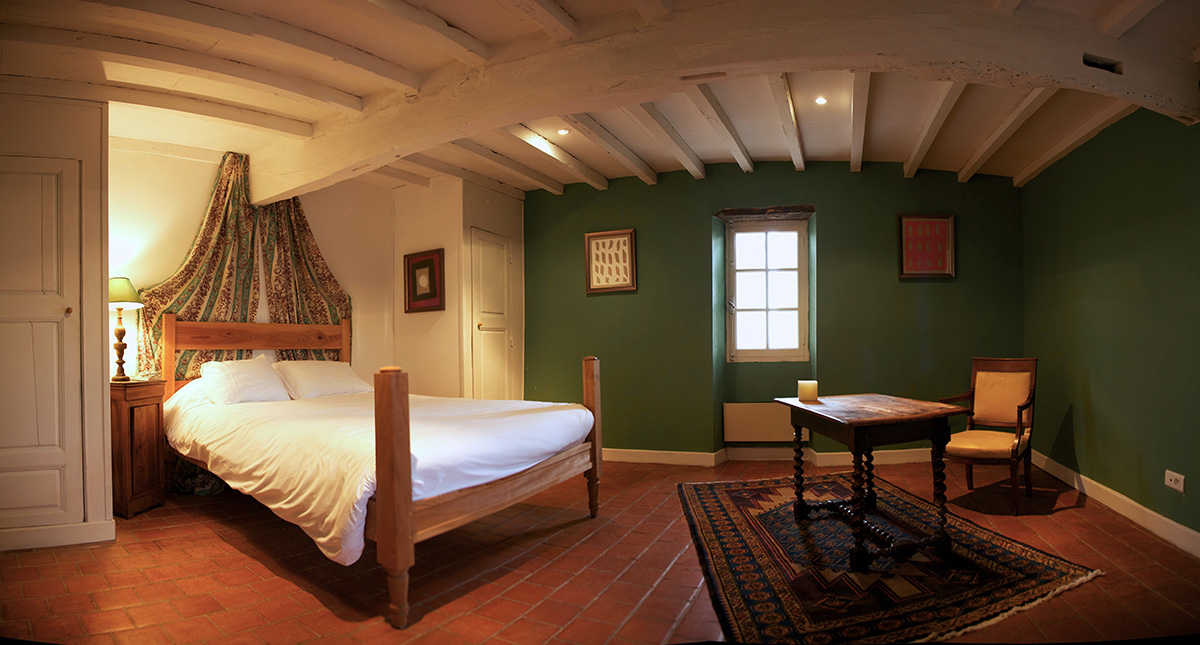
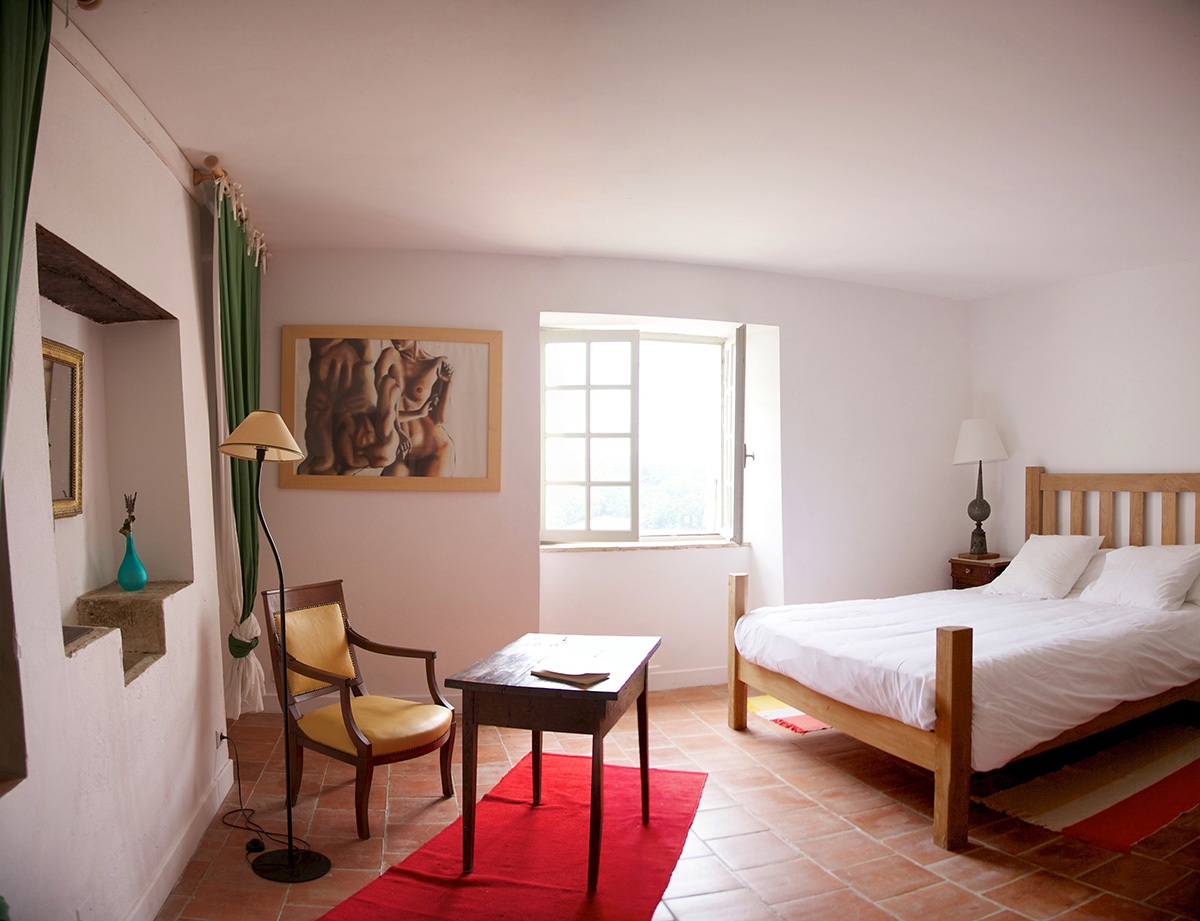
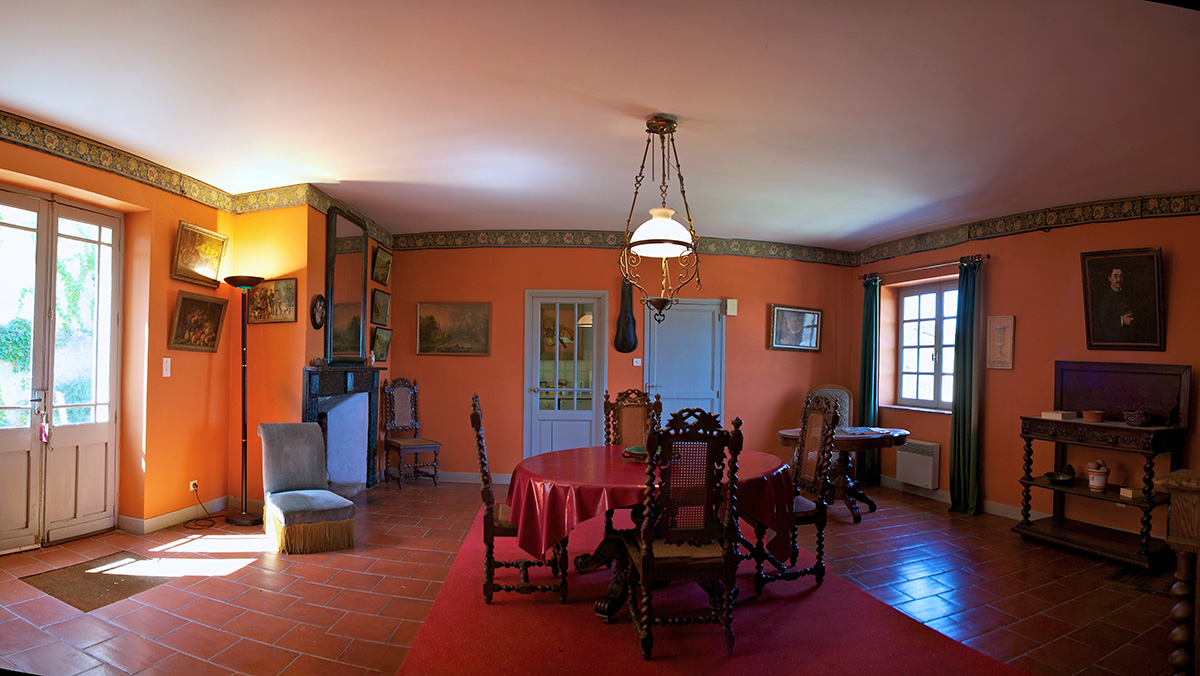
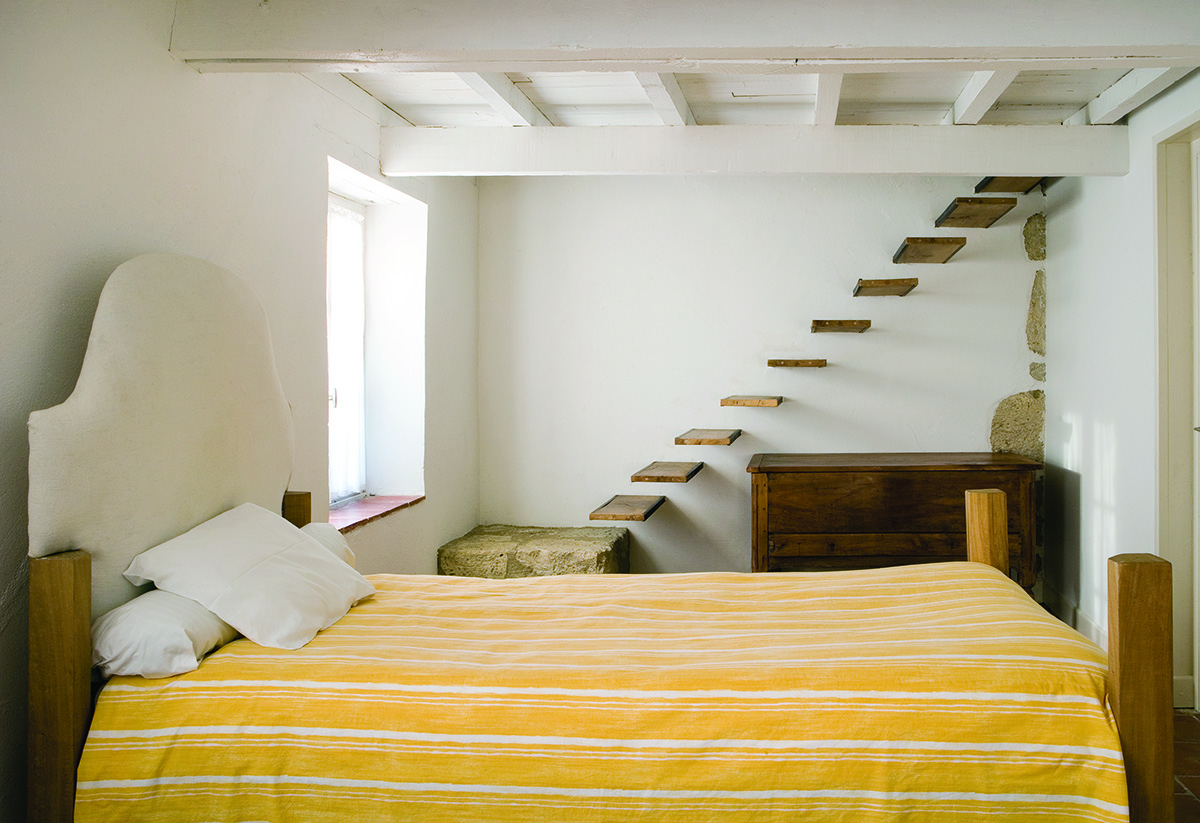
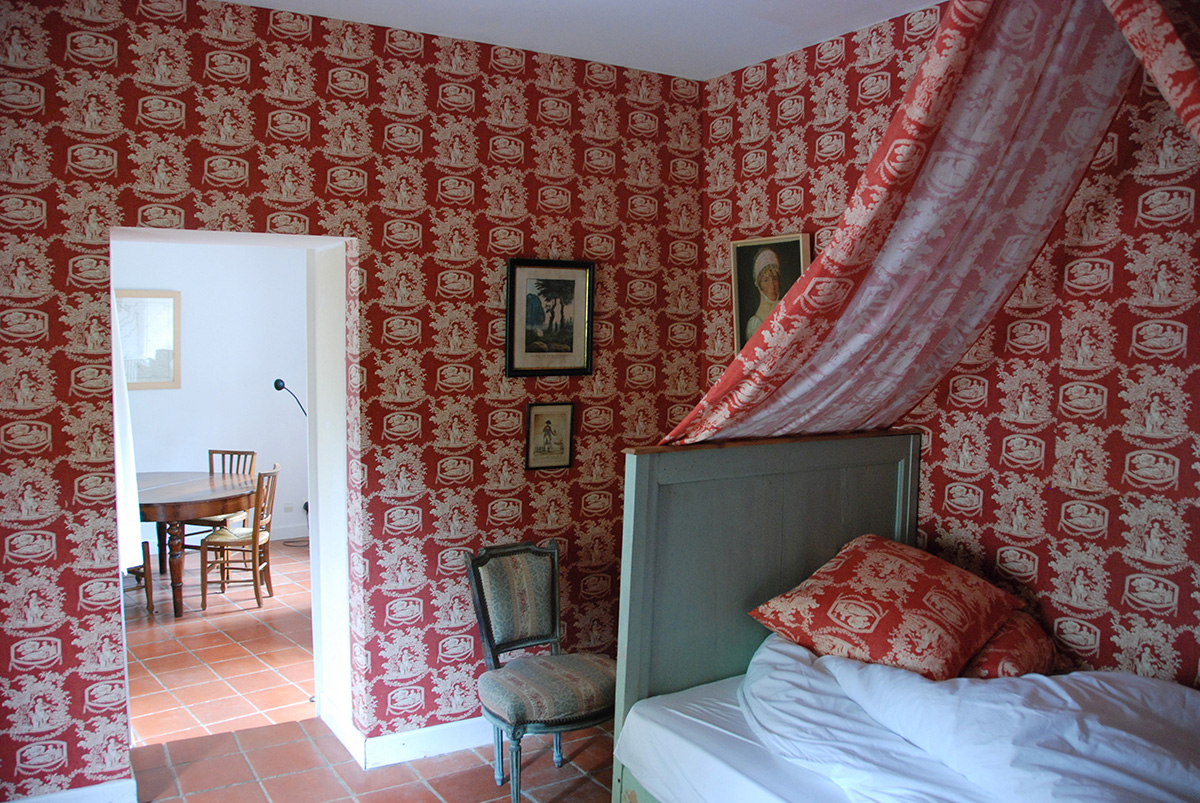
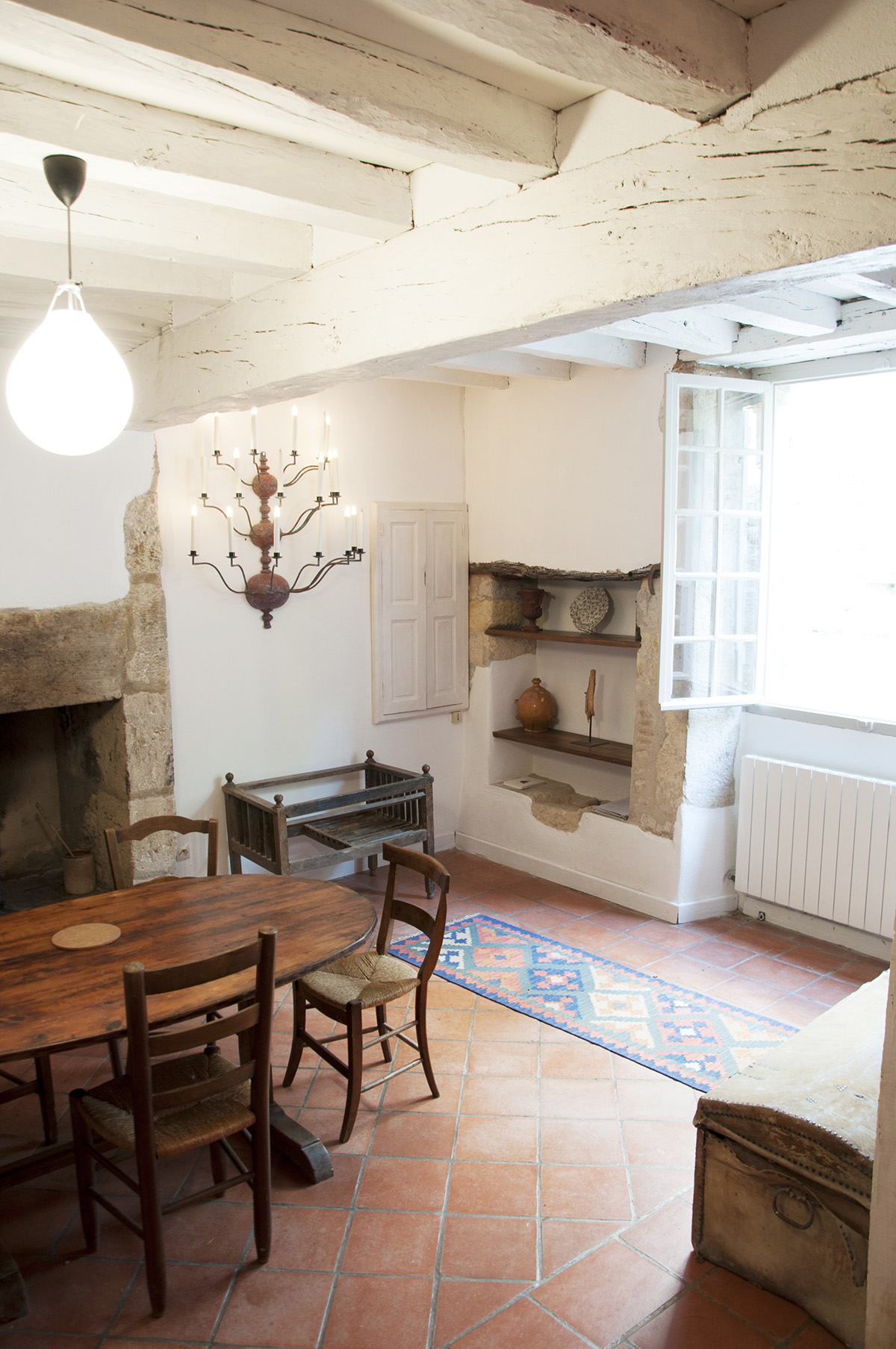
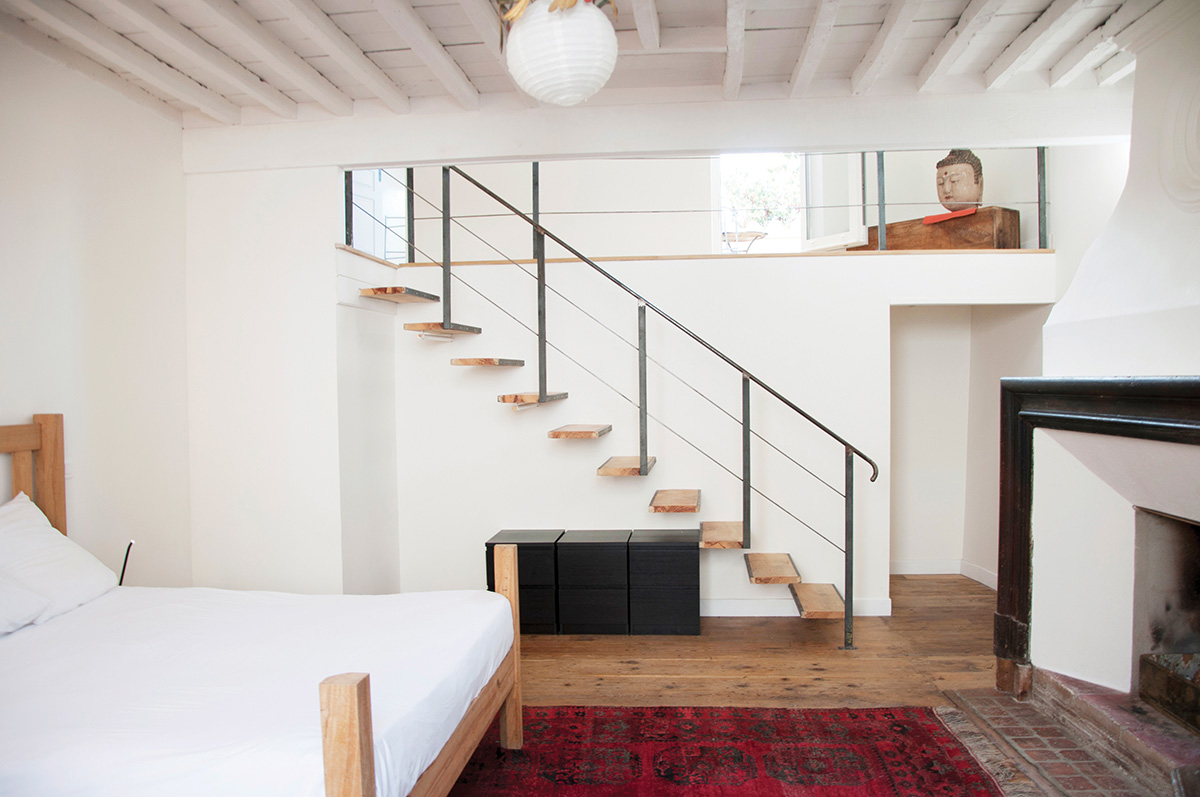
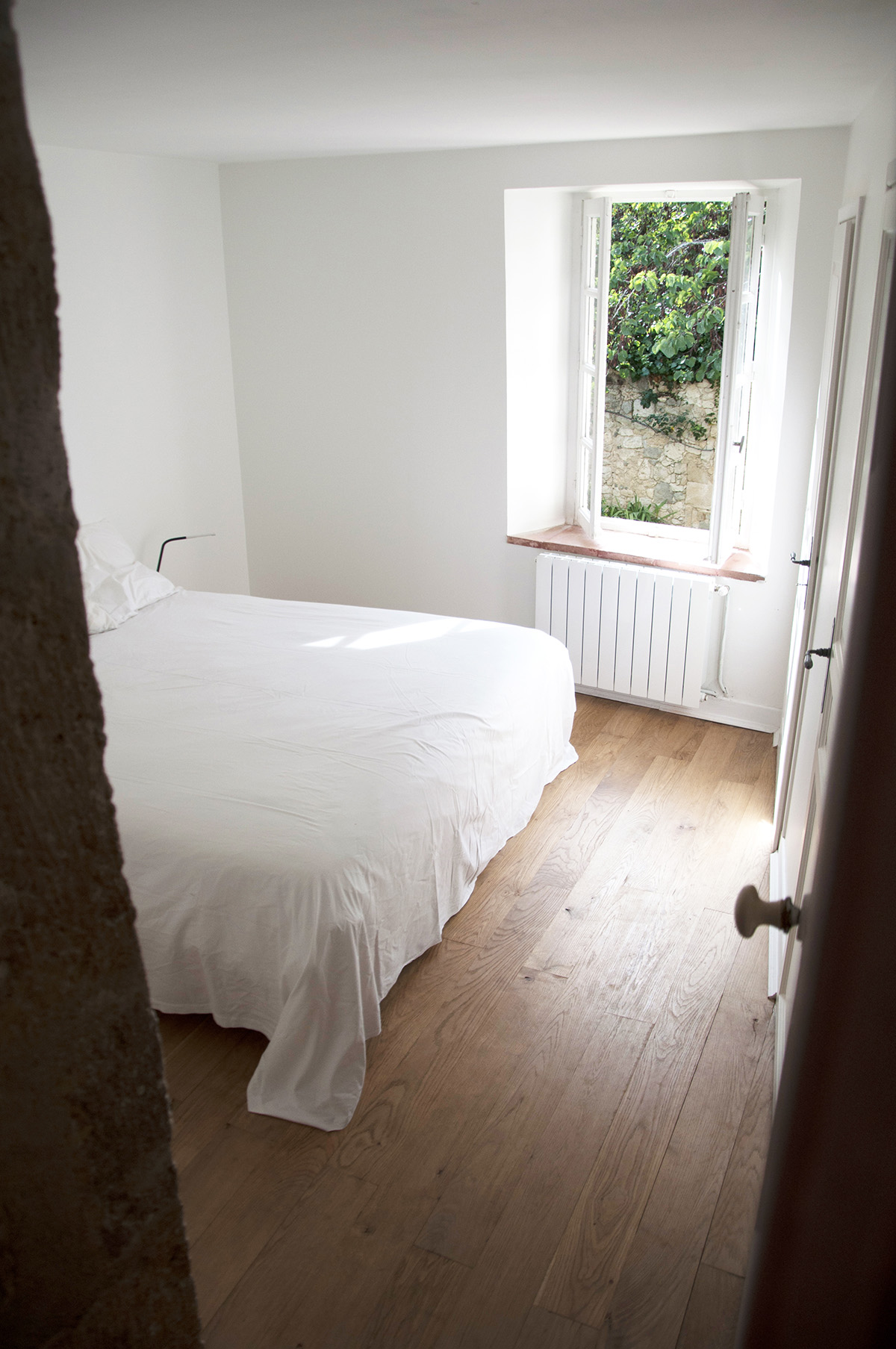
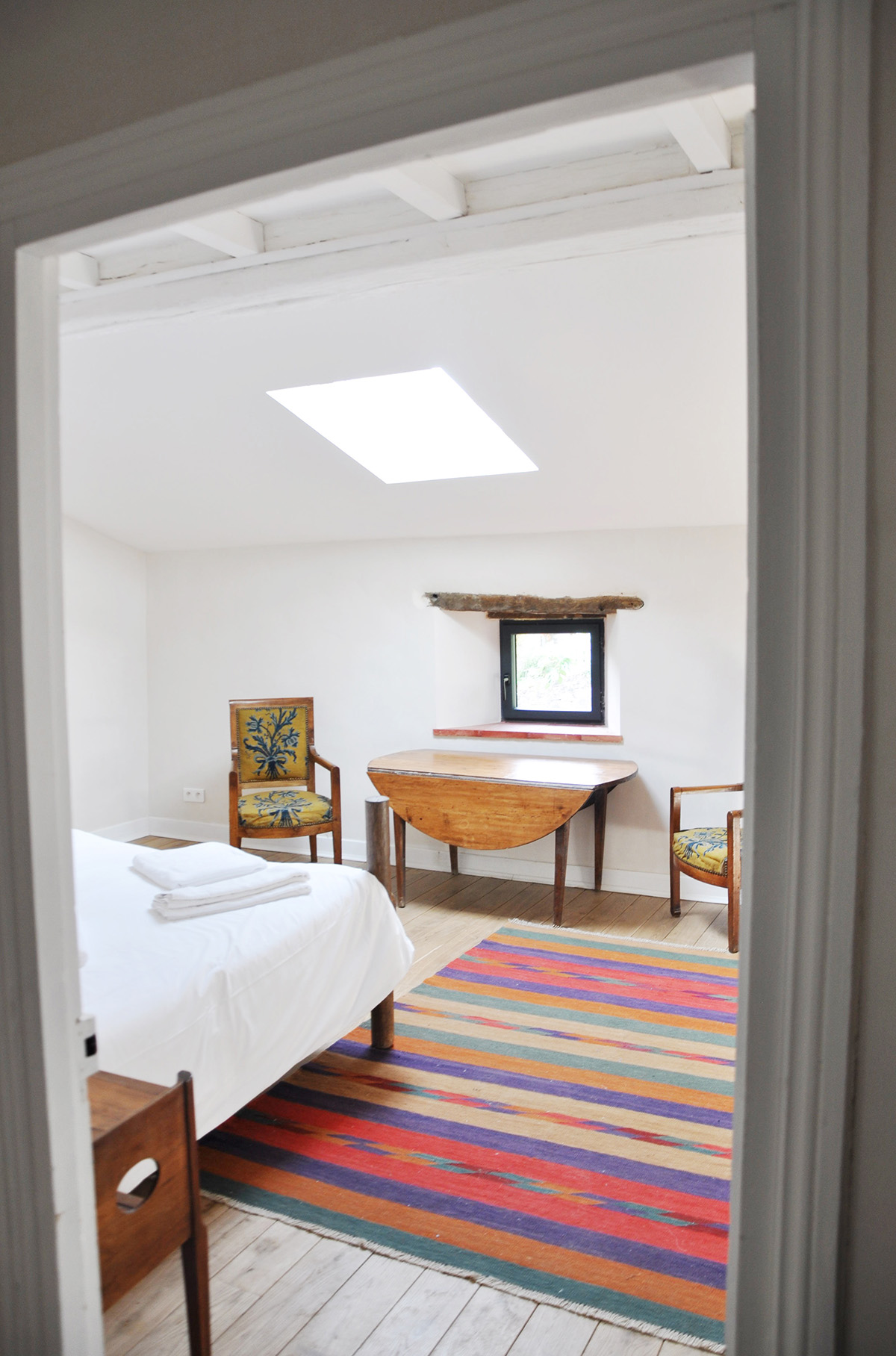
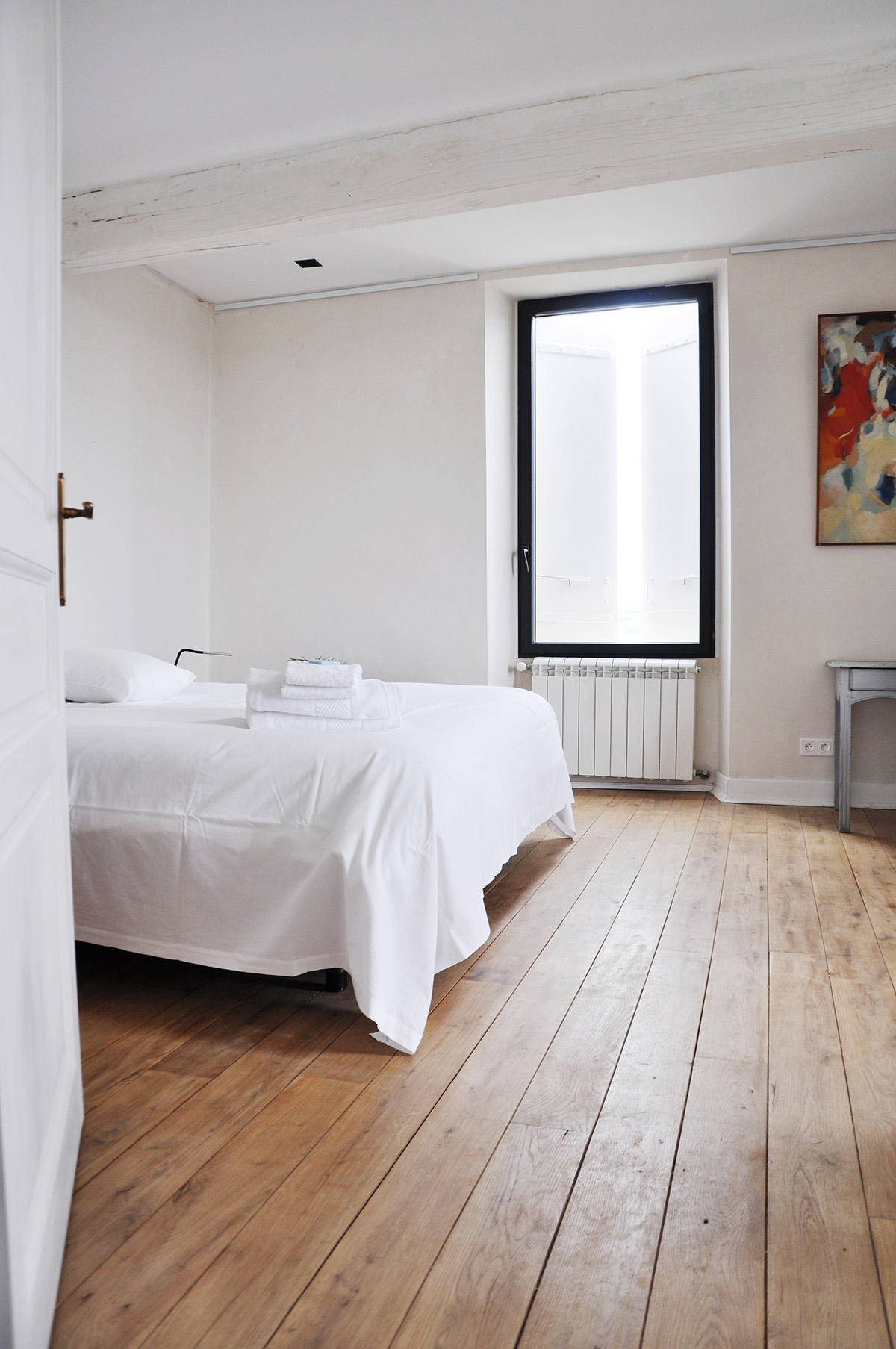
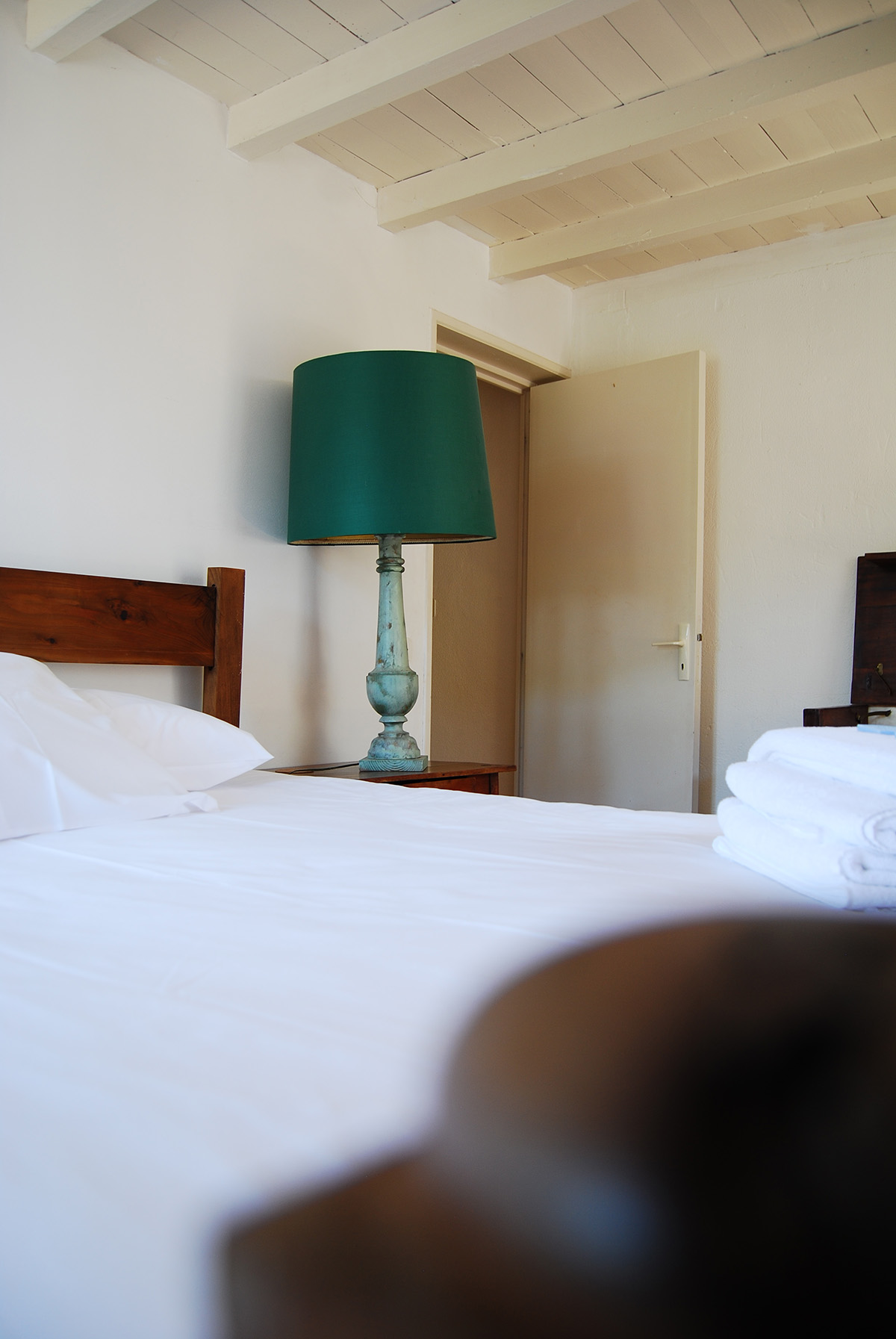
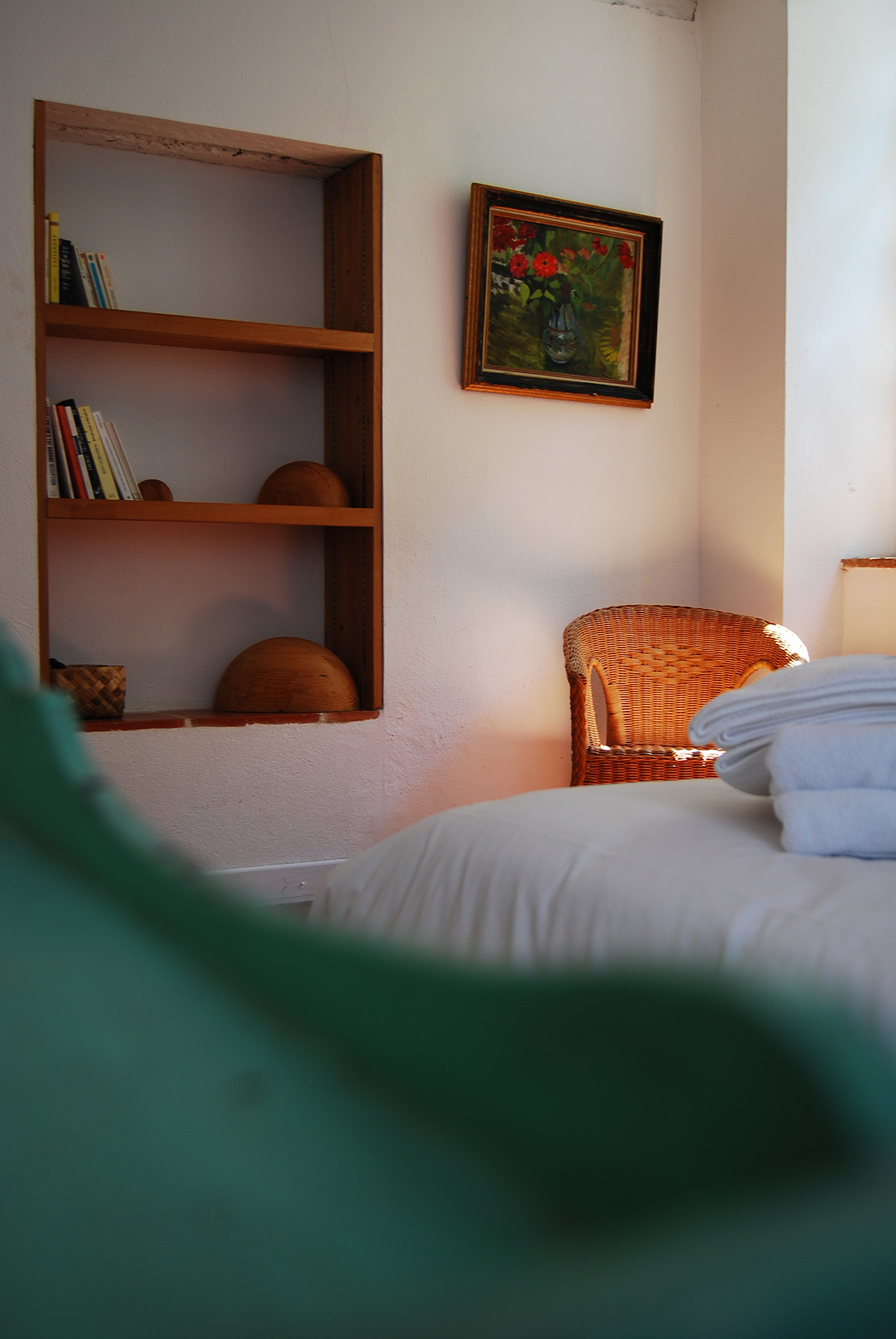
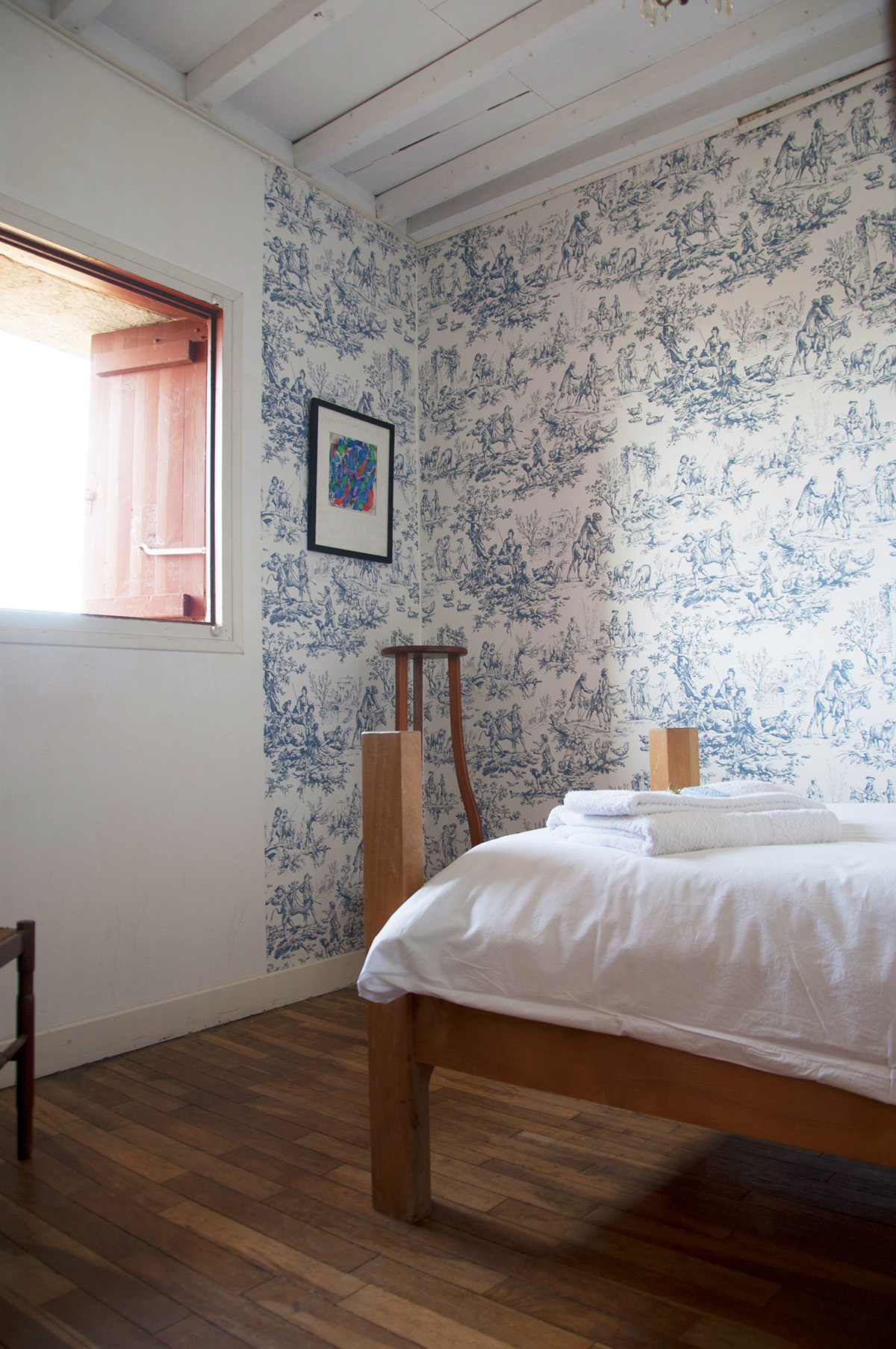
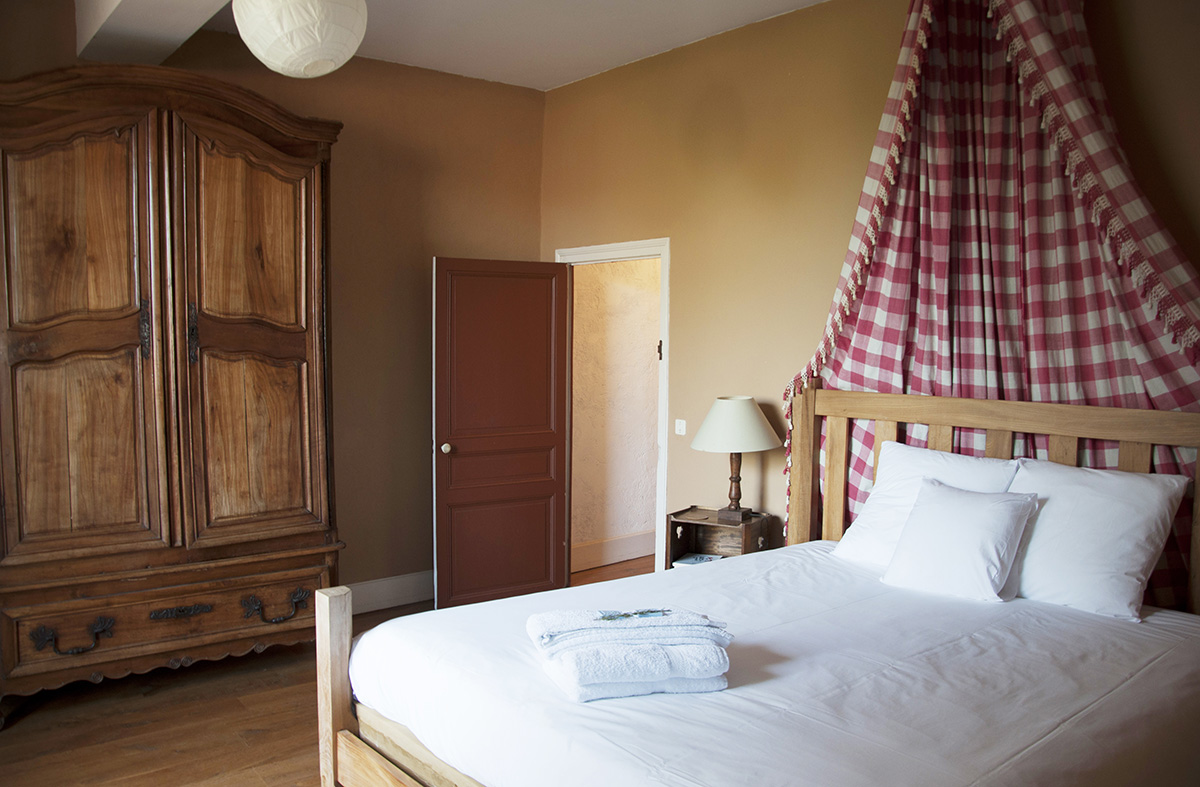
• the adaptation, refurbishment and furnishing of the houses with antiques, along with the creation of five meeting rooms and forty five suites or bedrooms with bathrooms
• the restoration of the five metre high and one point five metre wide perimeter walls of the Castelnau, comprising a total length of six hundred metres, of which sixty metres remain to be completed, followed by the installation of appropriate lighting
• the creation and planning of gardens and landscaped areas within and outside the walls using indigenous flora
• the continued engagement of local craftspeople and the use of traditional building materials
• the creation of a library of approximately four thousand books focused on sustainable development, now located at Palácio Belmonte in Lisbon
• the preparation of a regional gastronomy programme using organic produce
• the financing, together with partners including Phil Hawhes, Andrew Hryniewicz and the San Francisco Institute of Architecture, of a curriculum for a master’s degree in ecological design, intended for a future Lagarde School to be built on the farm by architecture students
• the organisation of a four day sustainable development conference chaired by Professor K. H. Robert, President of The Natural Step
• the hosting of ongoing cultural programmes in music and literature for postgraduate students, involving participation from the local community
By early 2001, the population of the commune had increased to 215 inhabitants. On 12 February 2002, the Castelnau des Fieumarcon project received the RICS Award 2001 in London.
The next stage of the regeneration programme focuses on Phase Three, which will bring the stables, the farms and the natural resources of the surrounding communes into an integrated plan to establish Castelnau des Fieumarcon as the Historical Resort. Conceived as a self contained and secure retreat in a remarkable and distinctive environment, the Historical Resort will offer state of the art meeting spaces, accommodation and a full range of supporting facilities.
The Lagarde Historical Resort will be professionally operated within a naturally designed and sustainably managed setting. It is intended for use by private and corporate groups for retreats, forums, outreach programmes, brainstorming sessions, family gatherings, special events and master classes in areas such as painting, music, history, architecture and gastronomy.
The Lagarde Historical Resort comprises sixteen houses with gardens and thirty four suites or bedrooms available for guests.