Palácio Belmonte
about the project
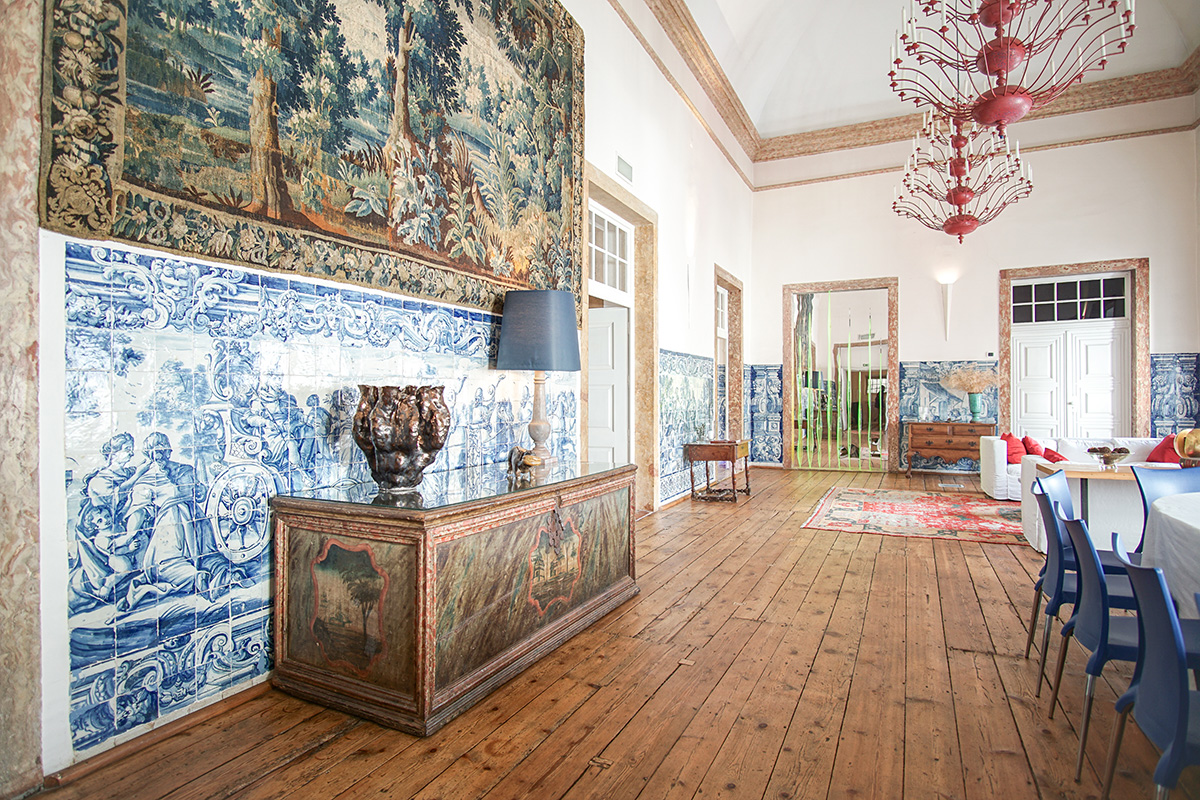
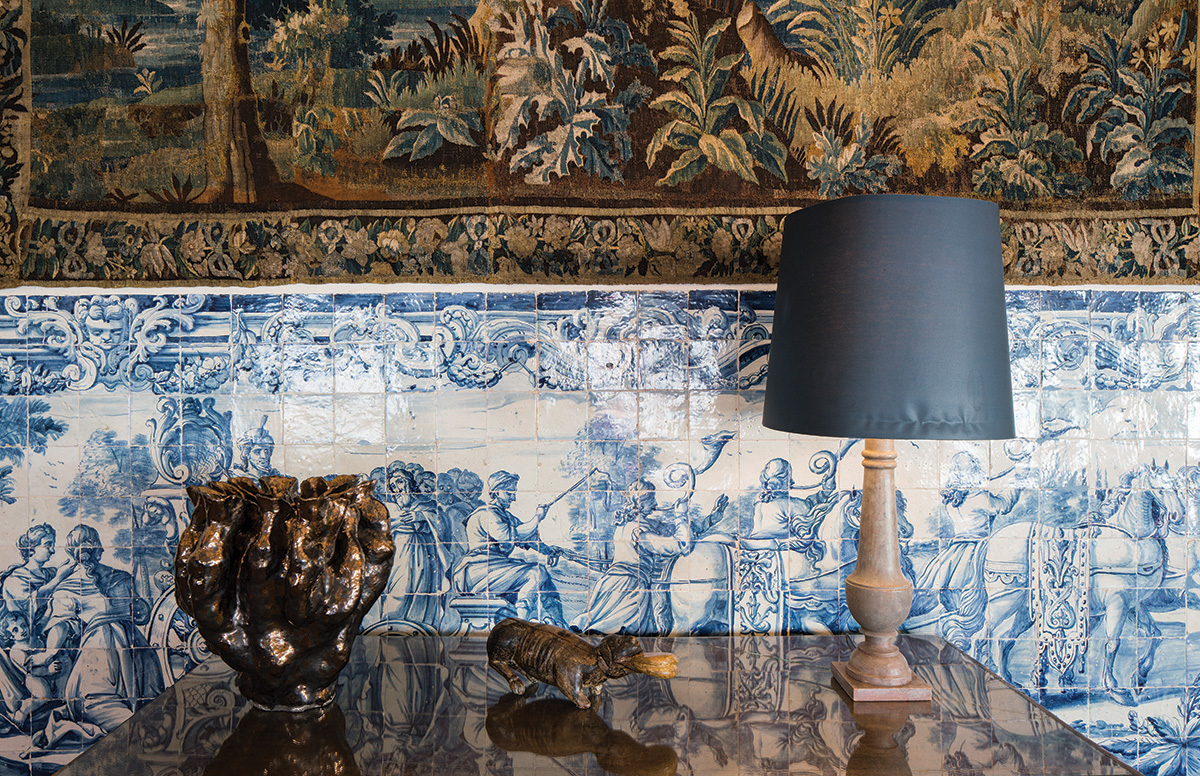
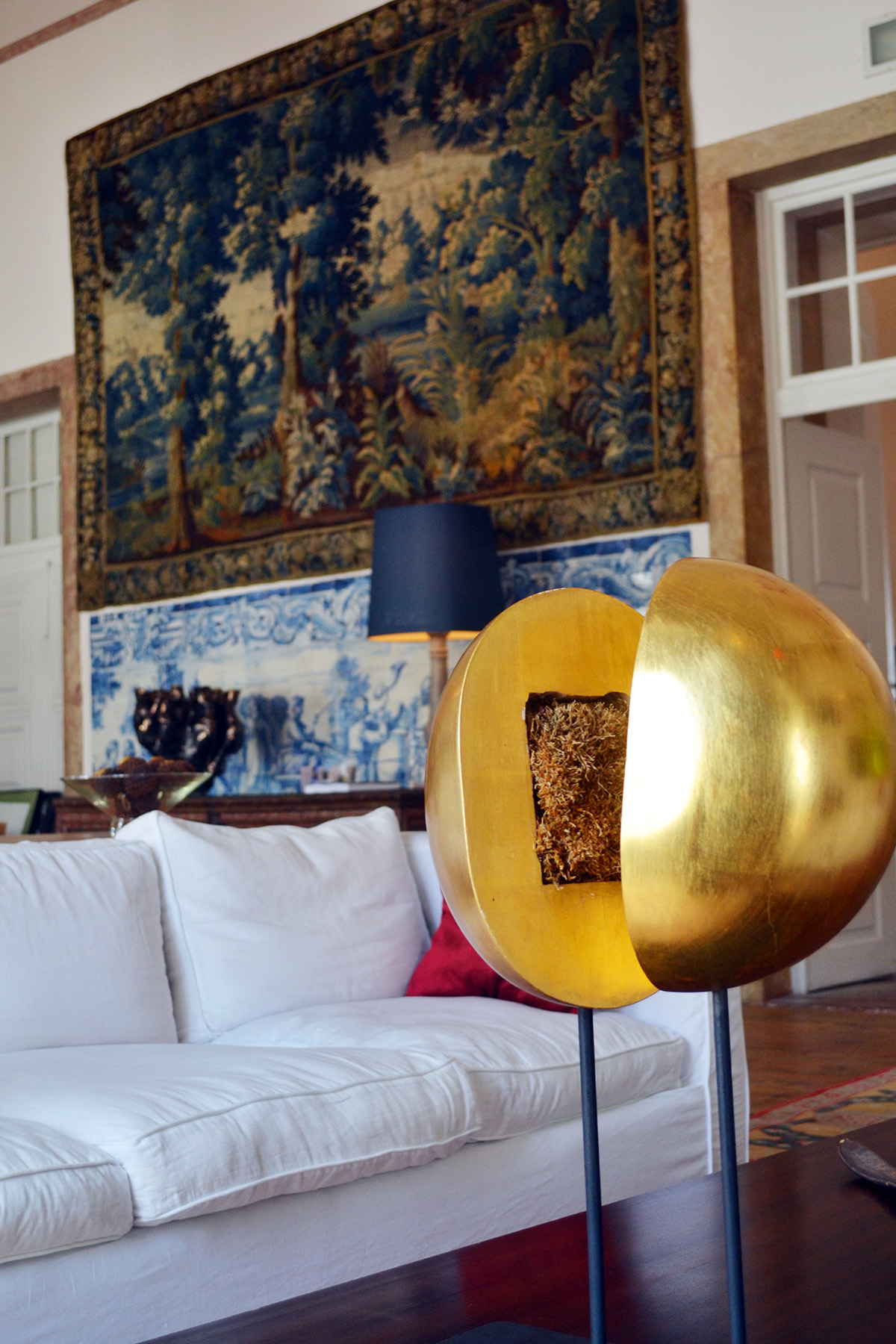
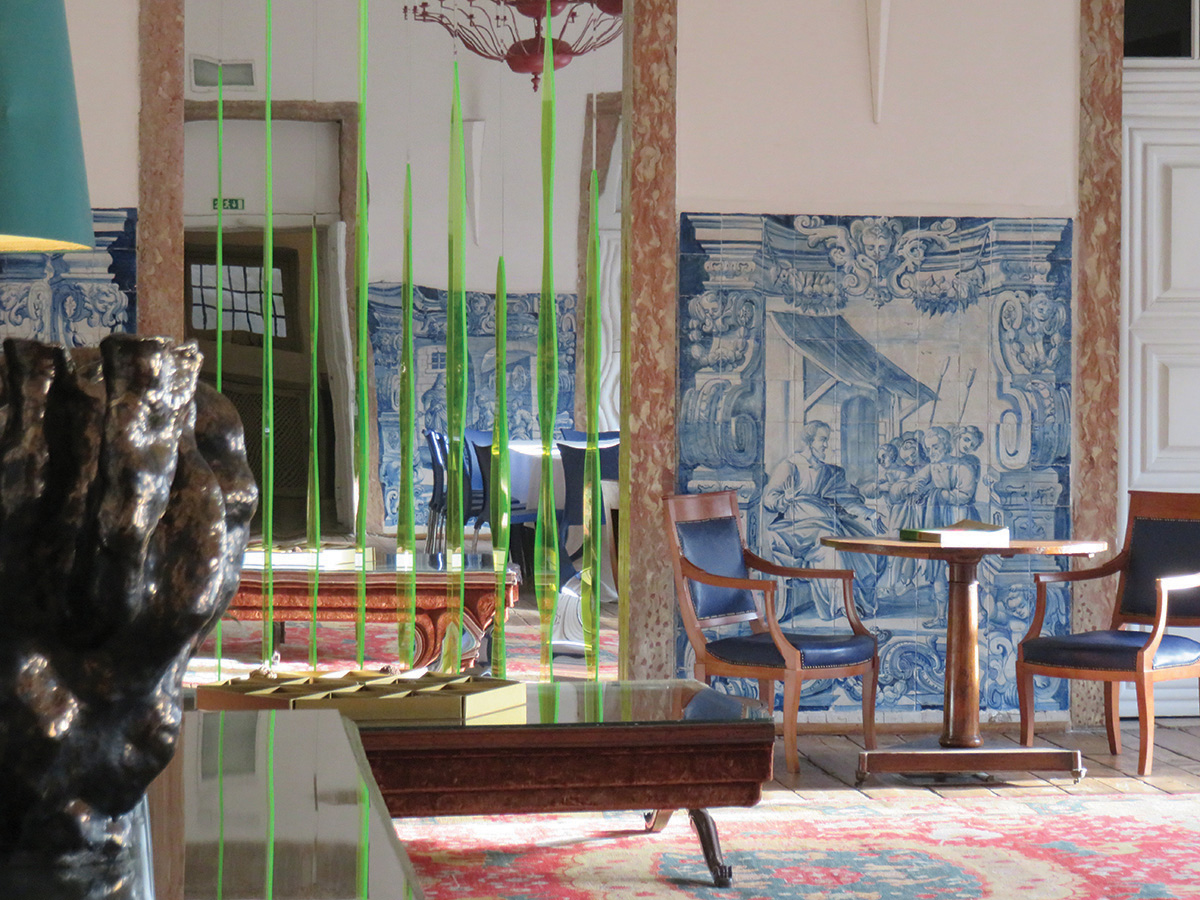
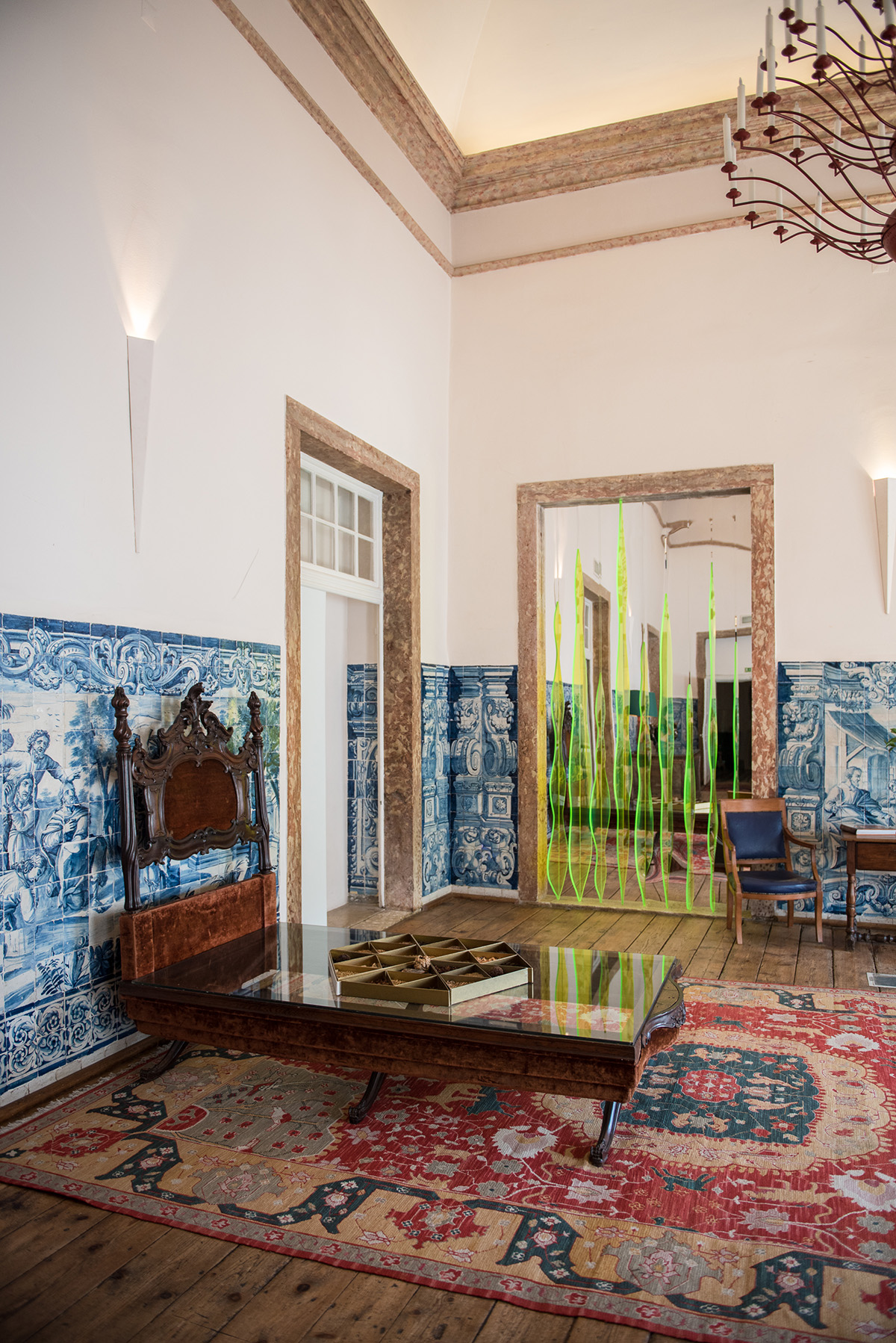
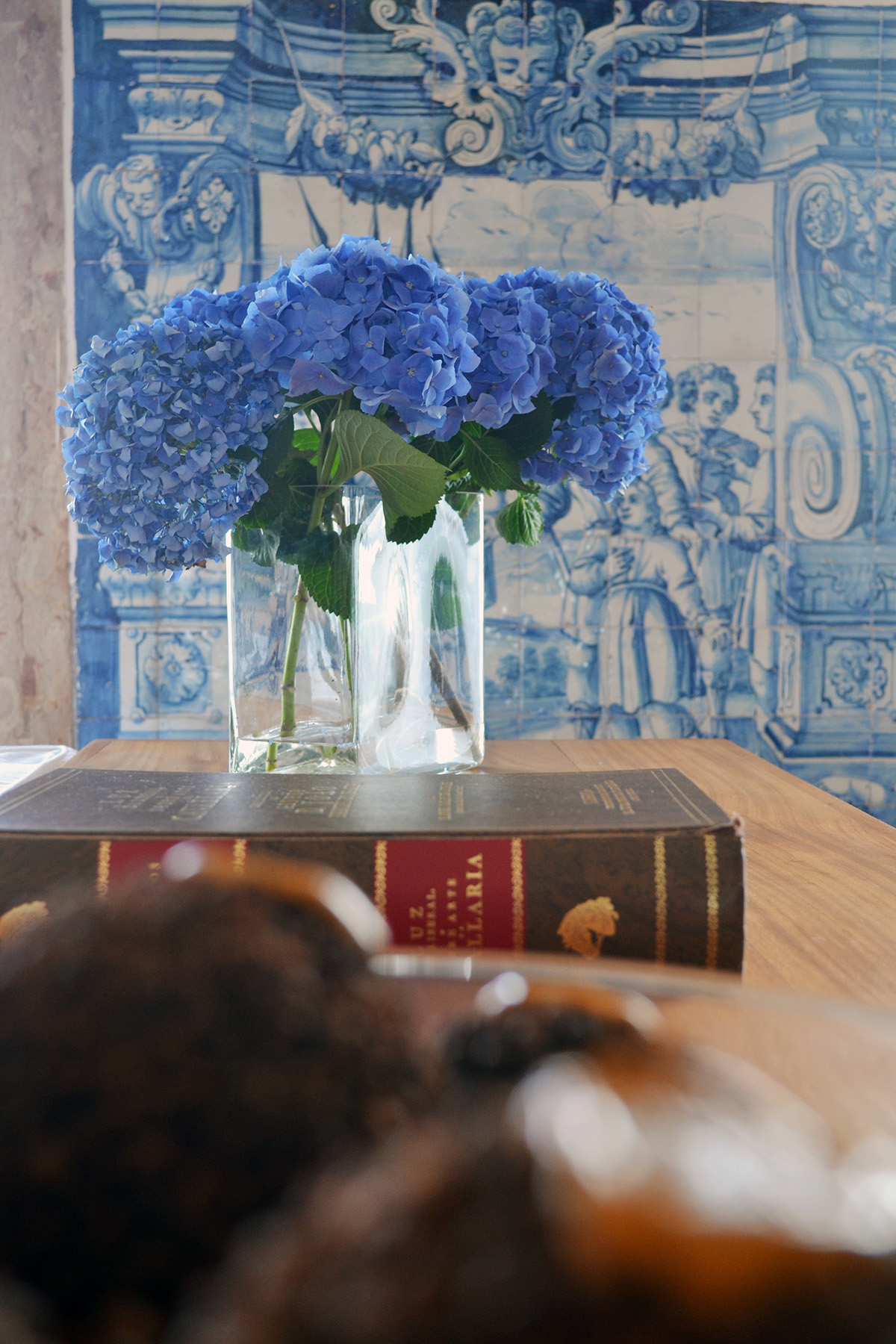
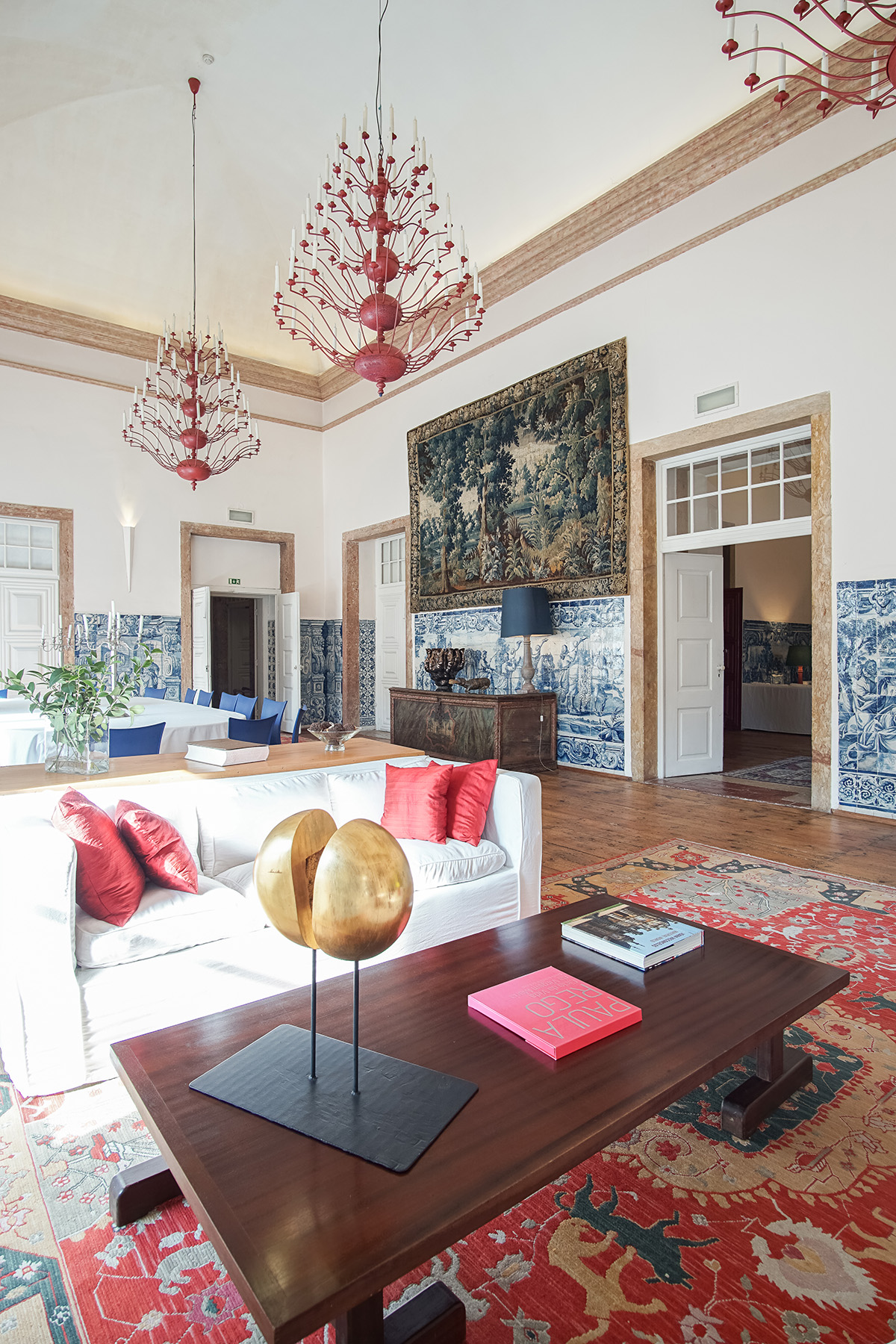
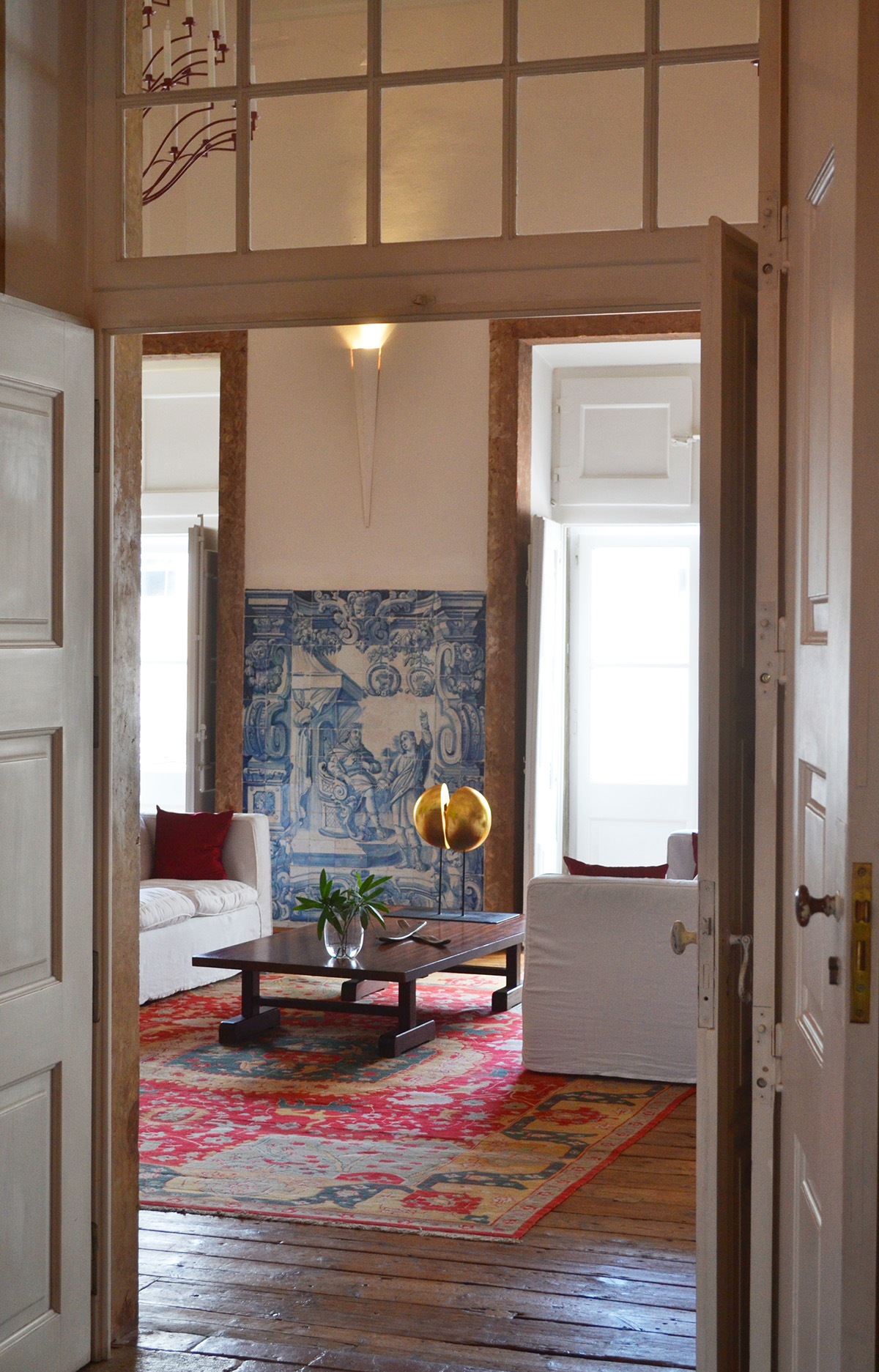
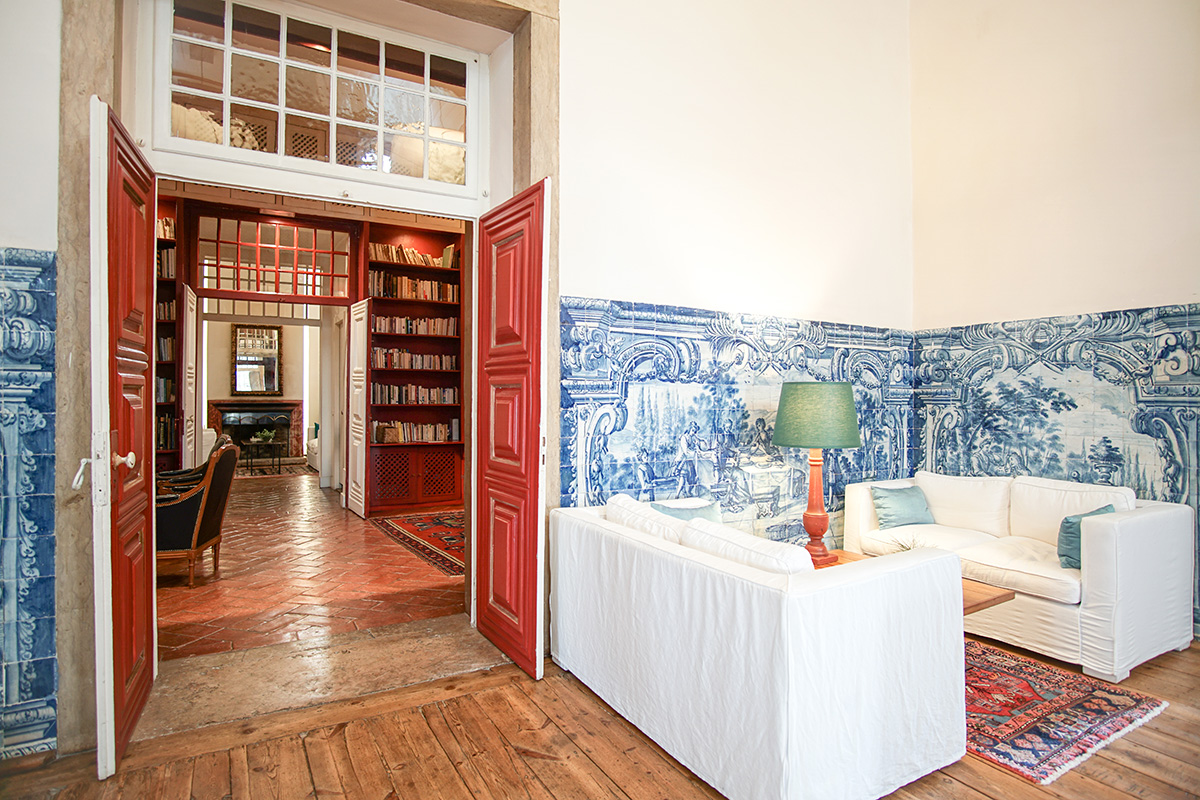
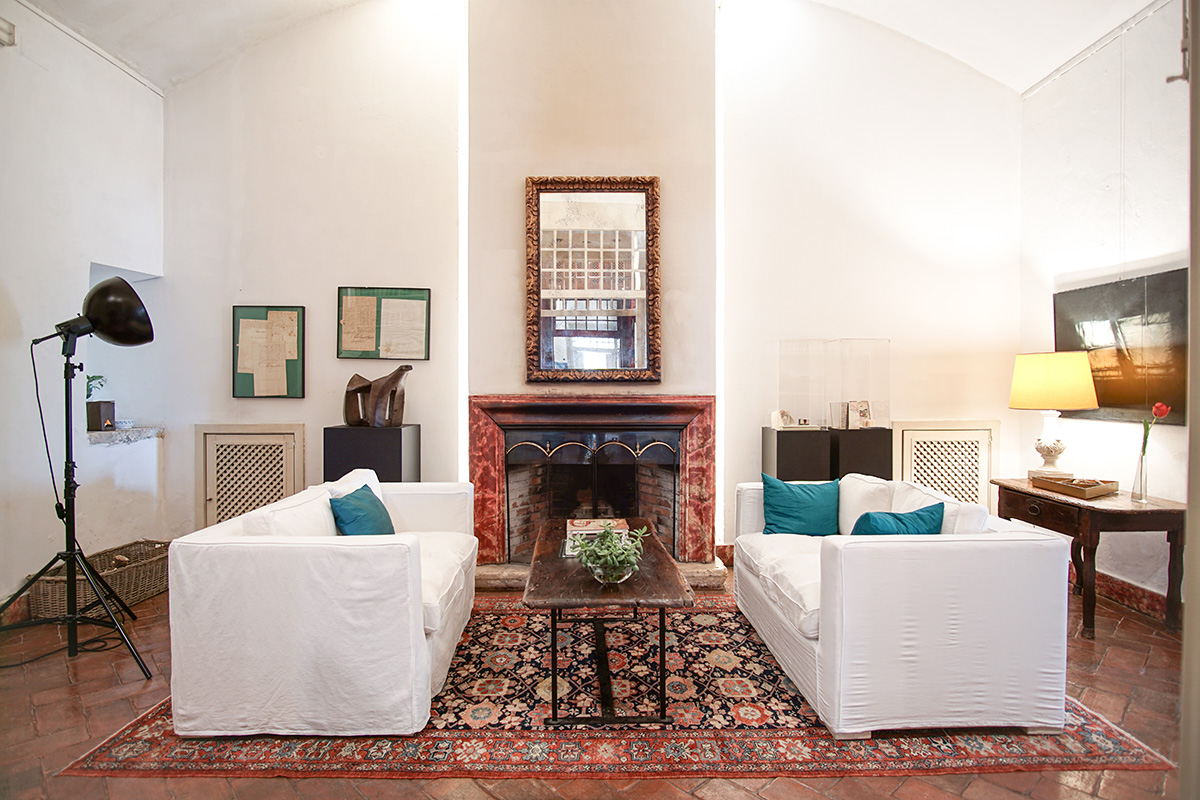
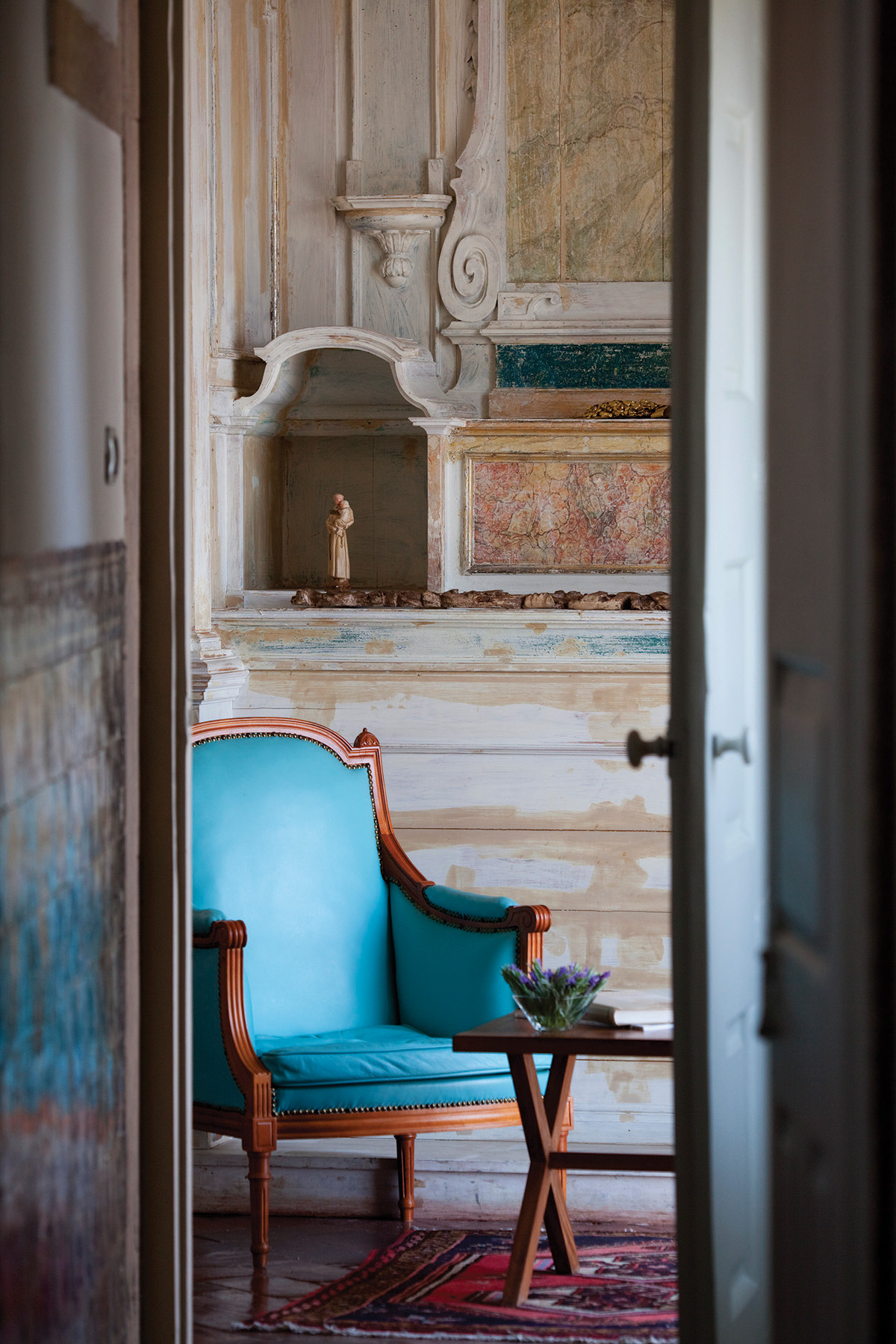
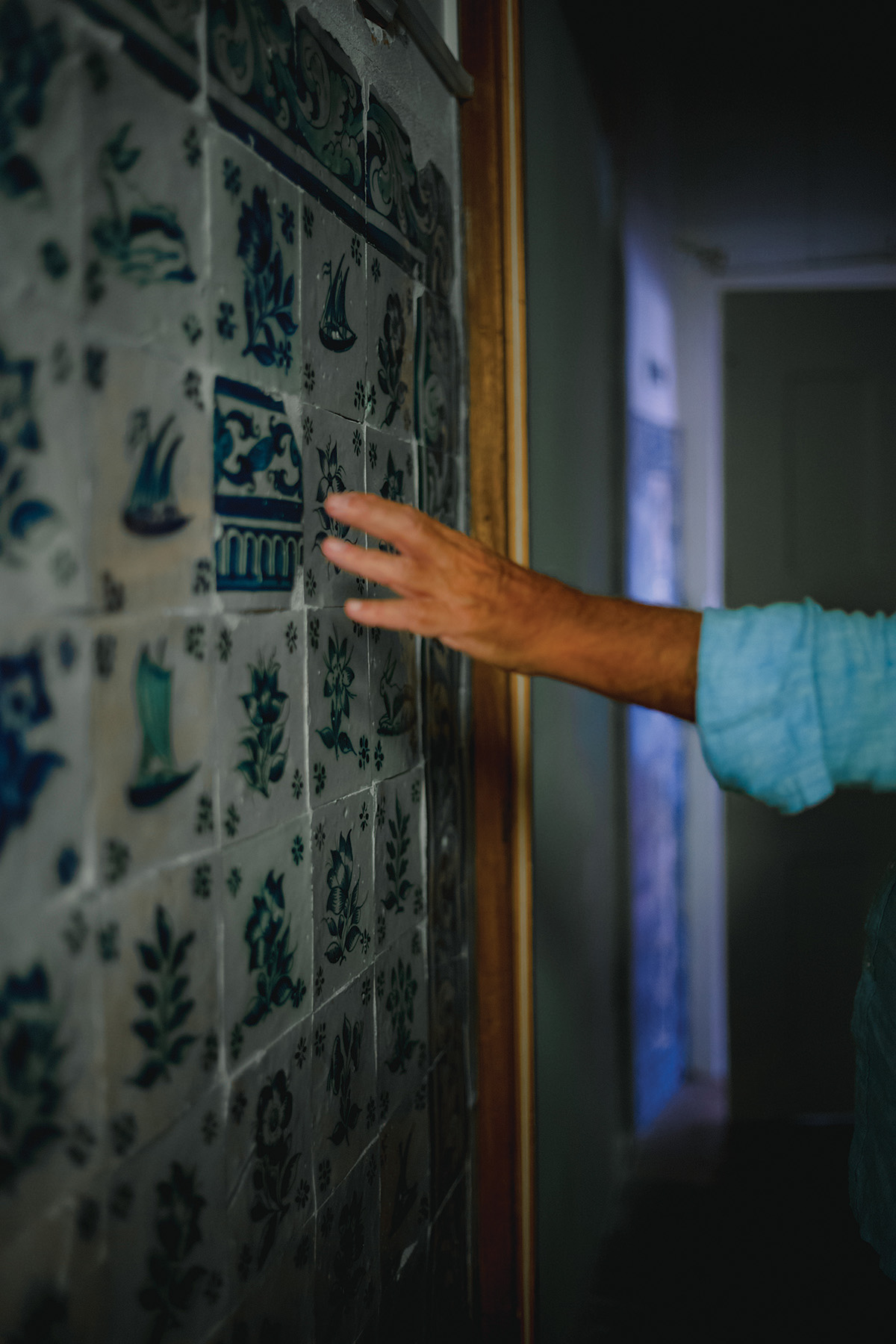
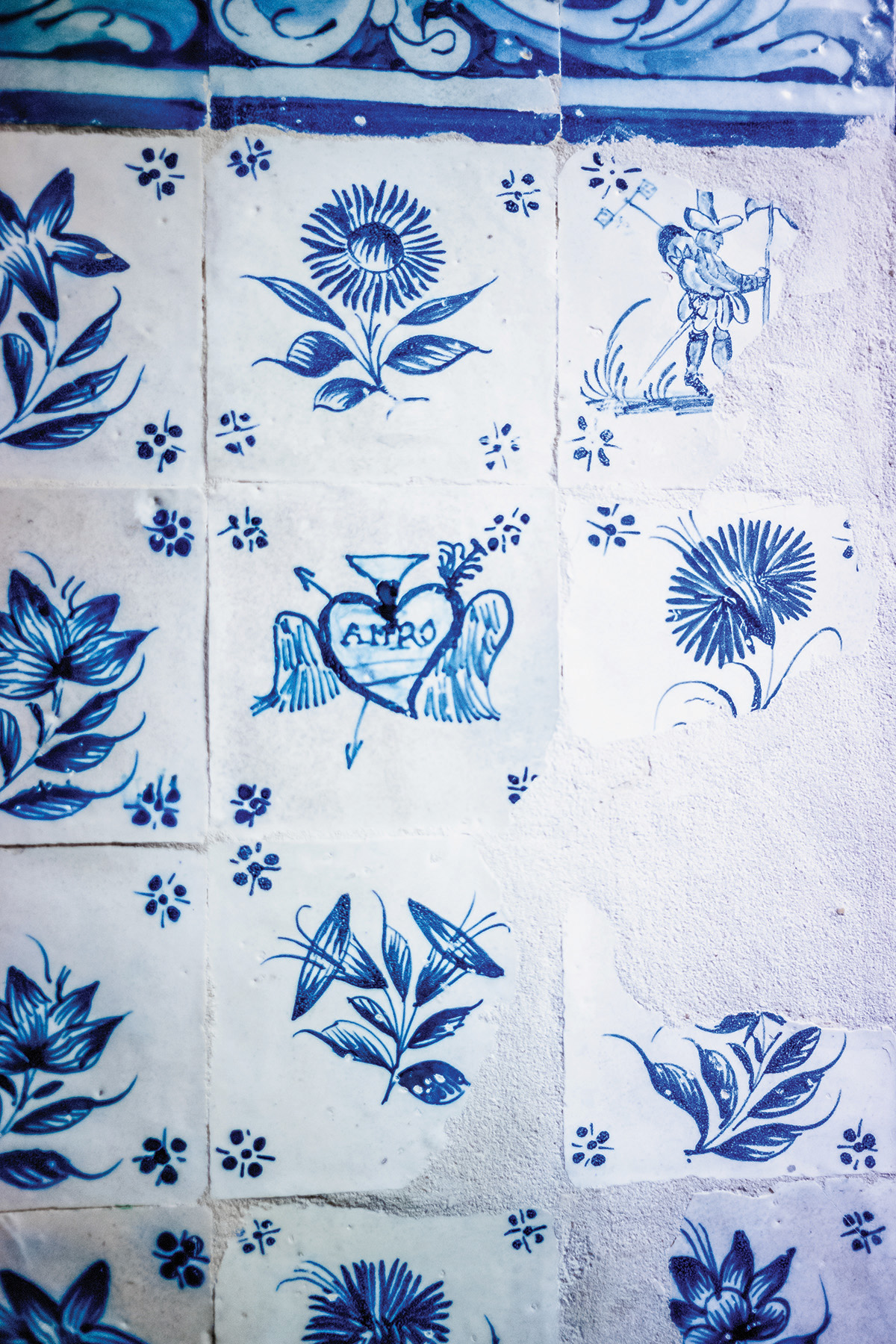
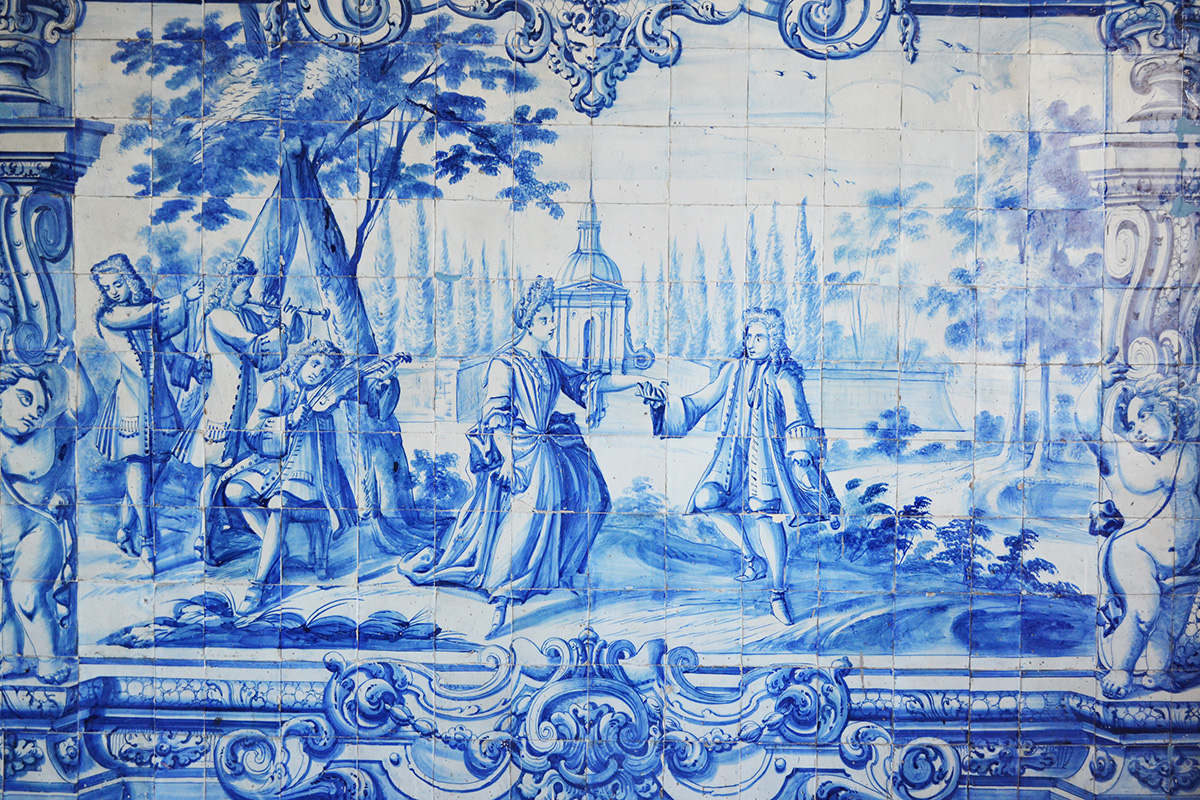
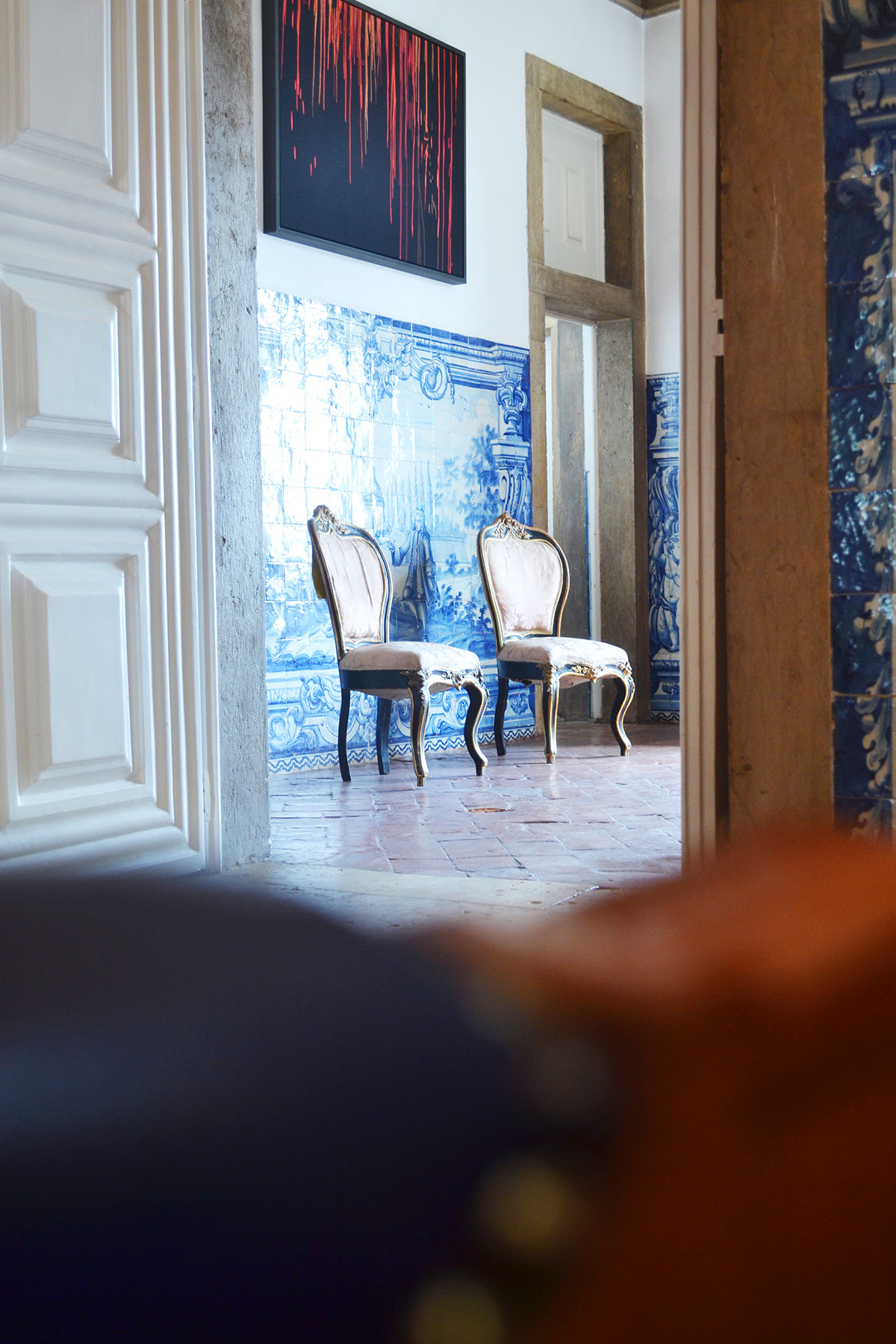
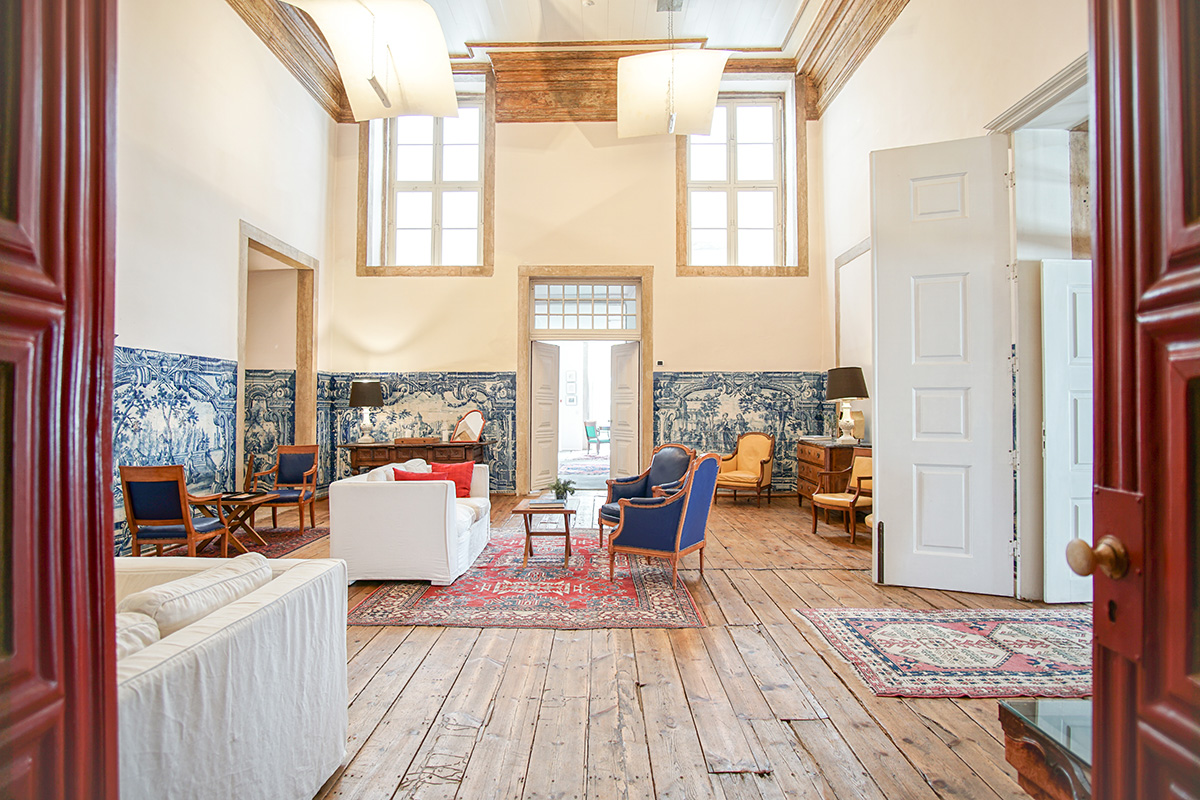
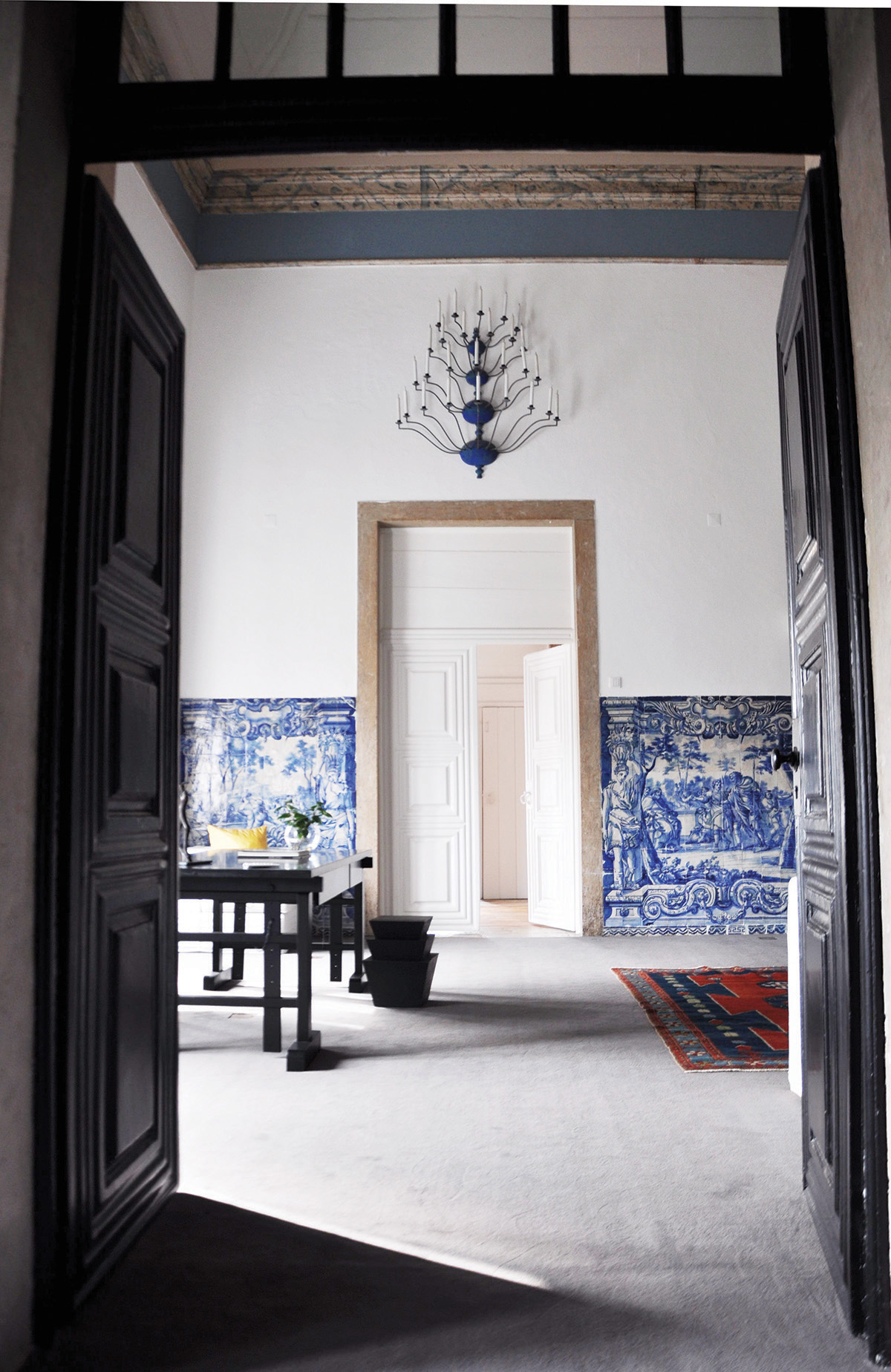
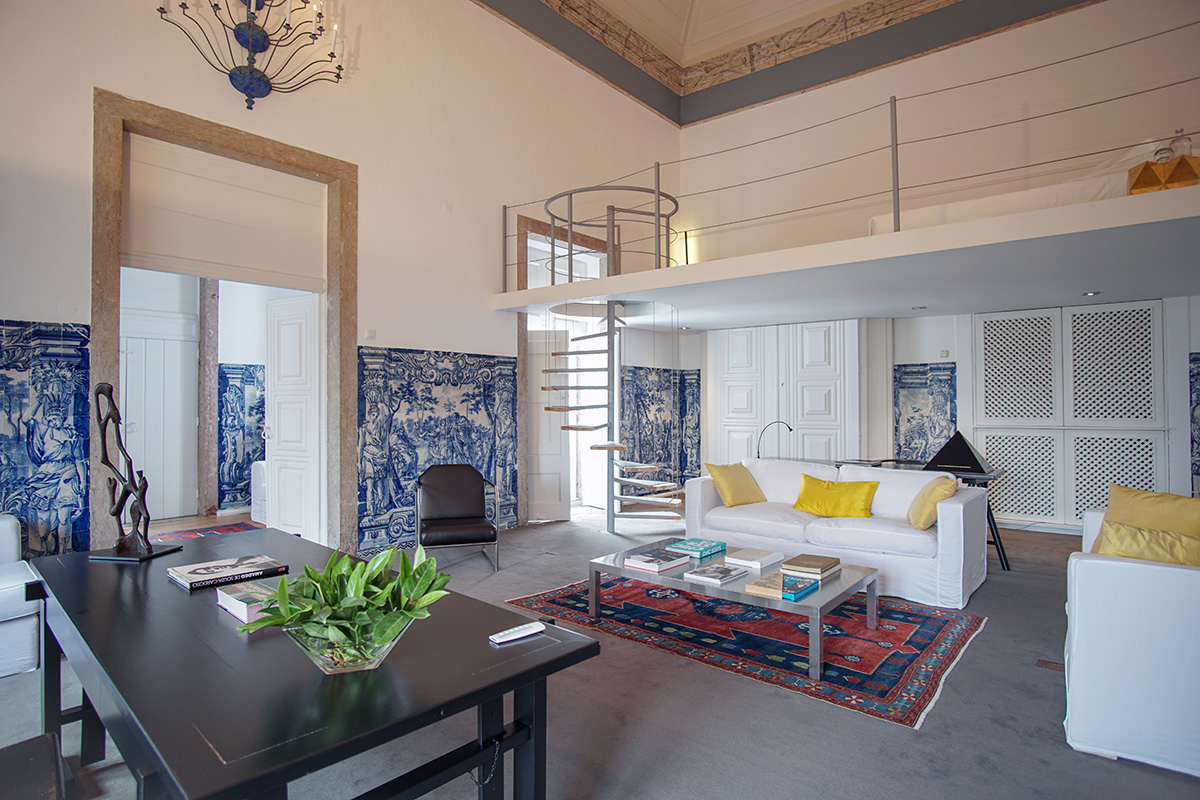
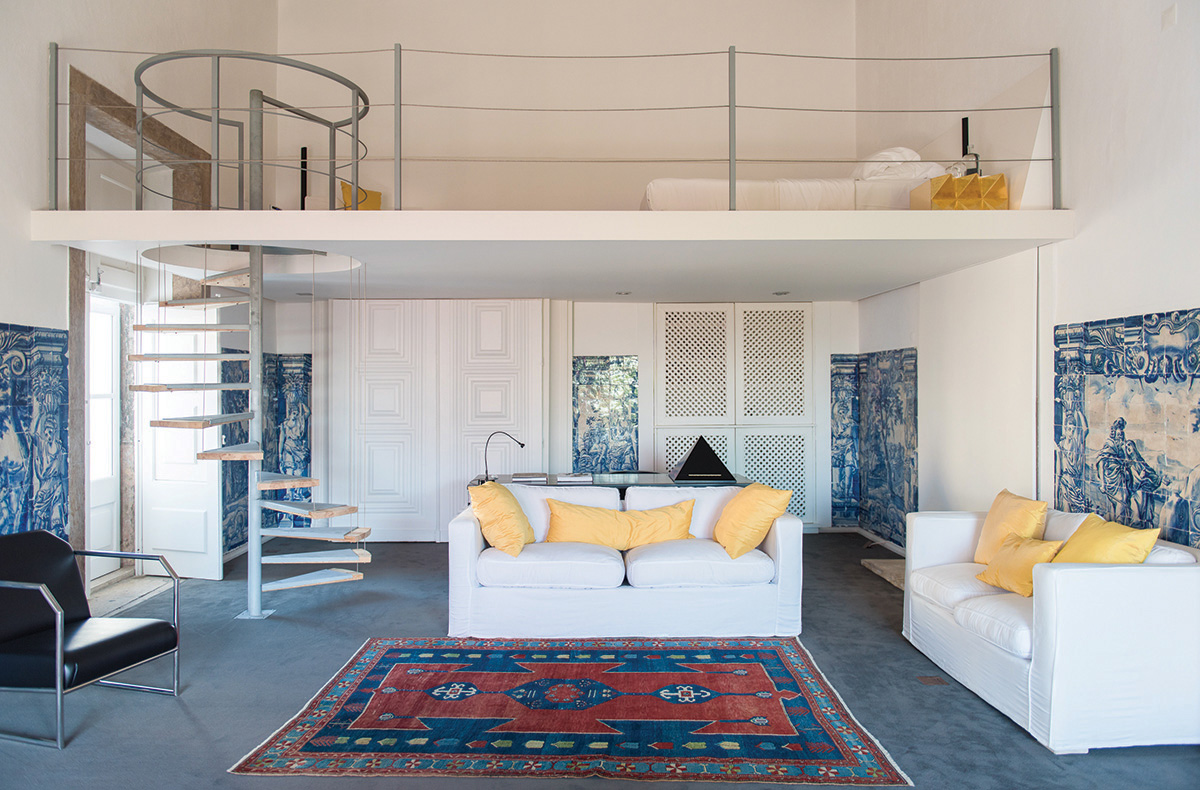
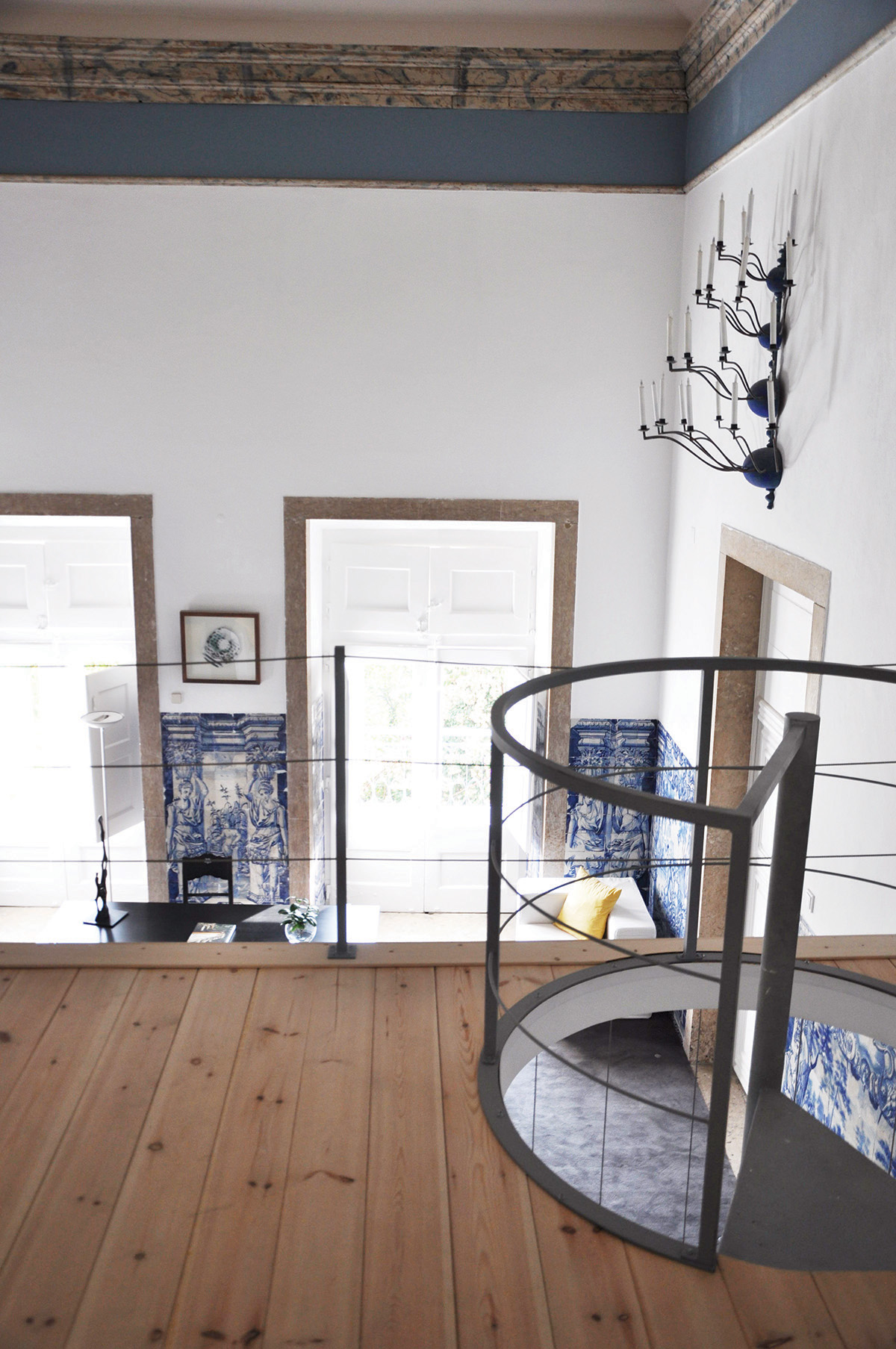
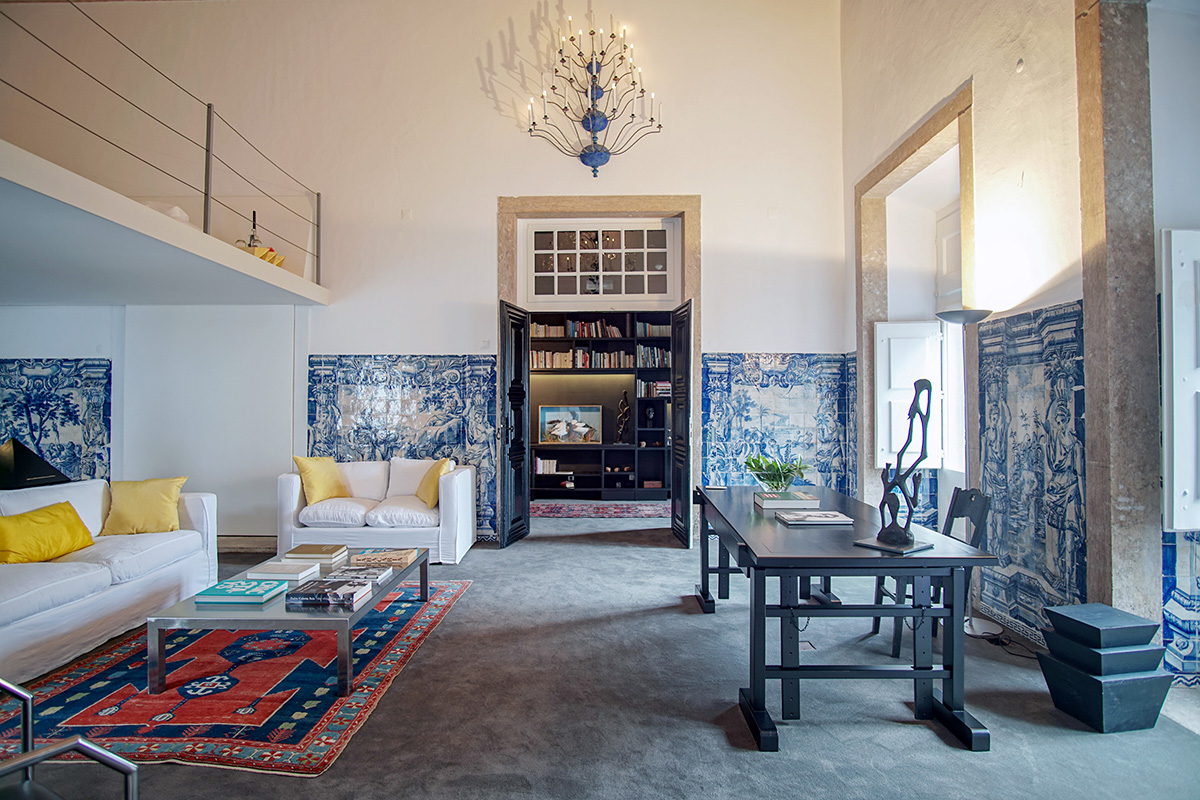
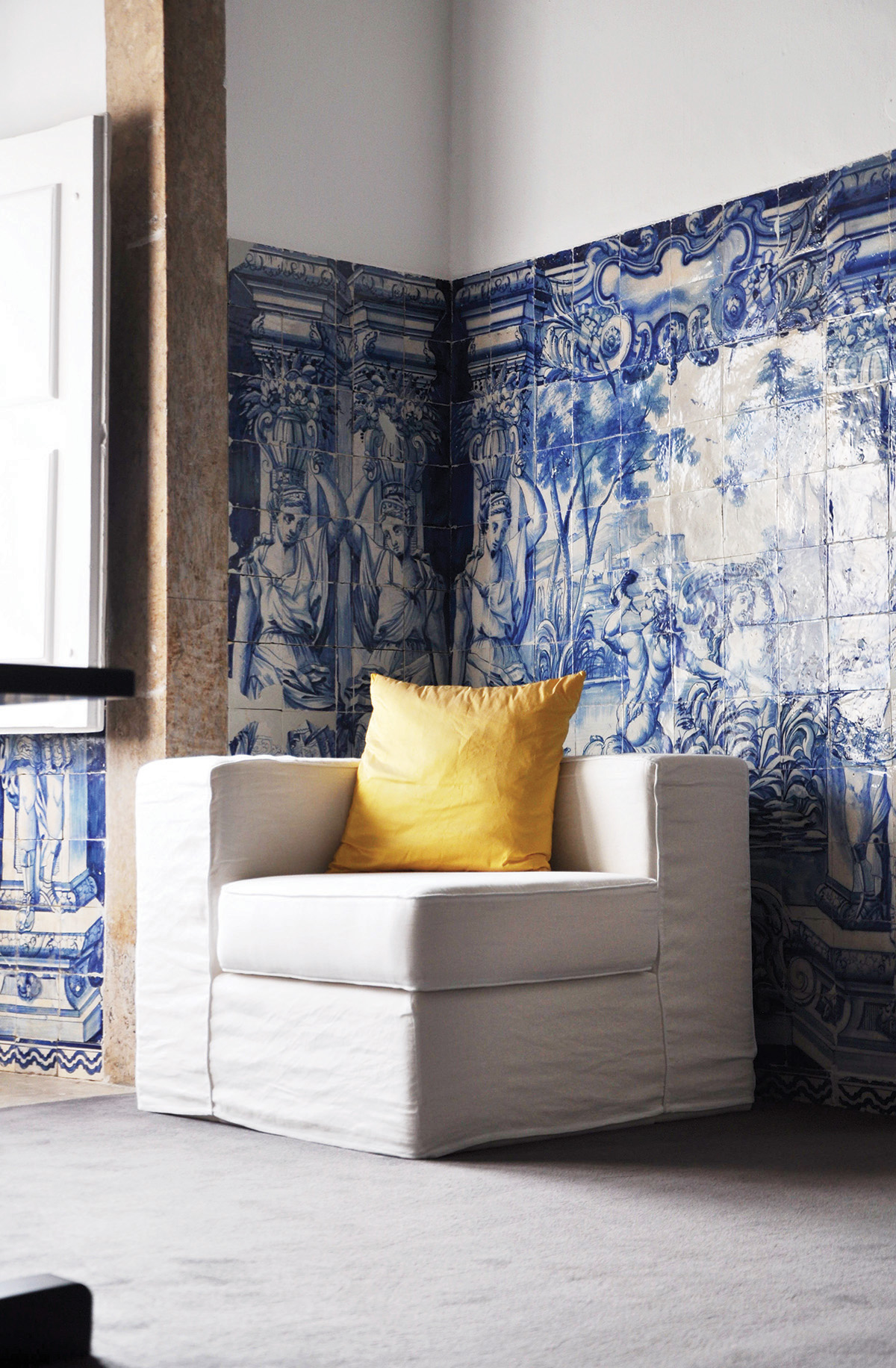
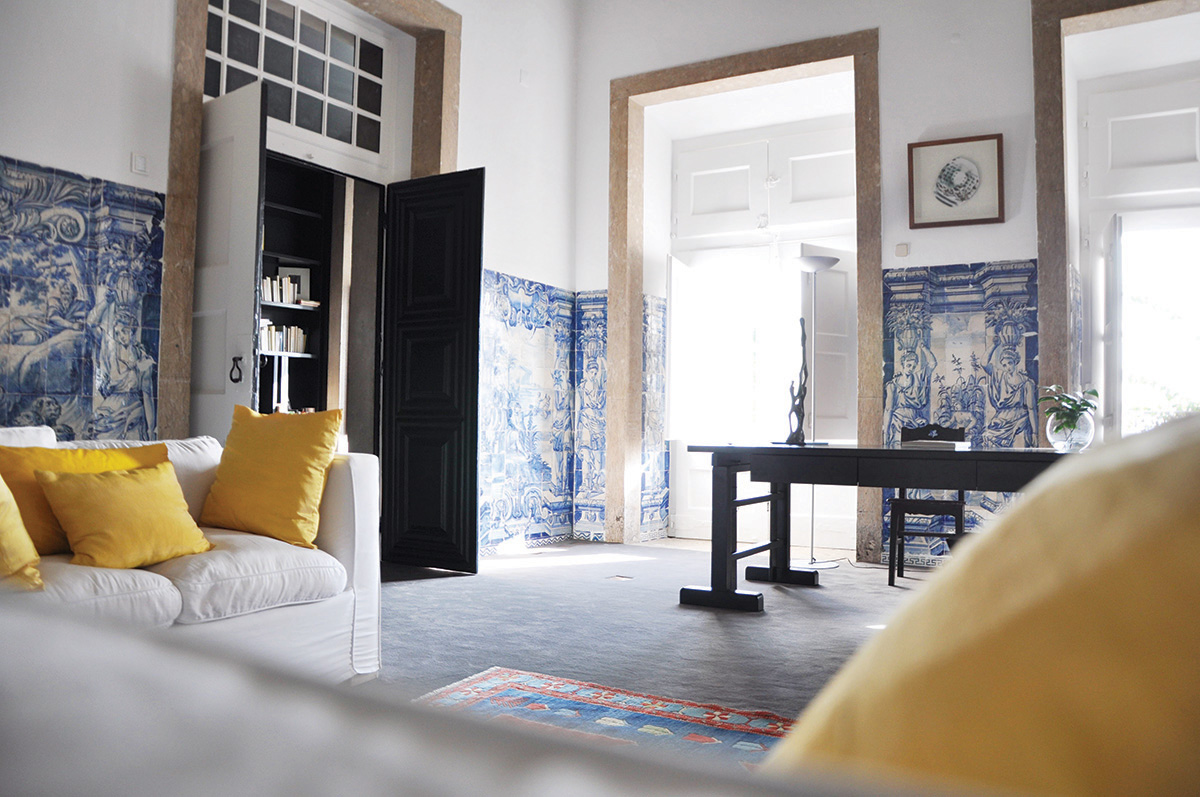
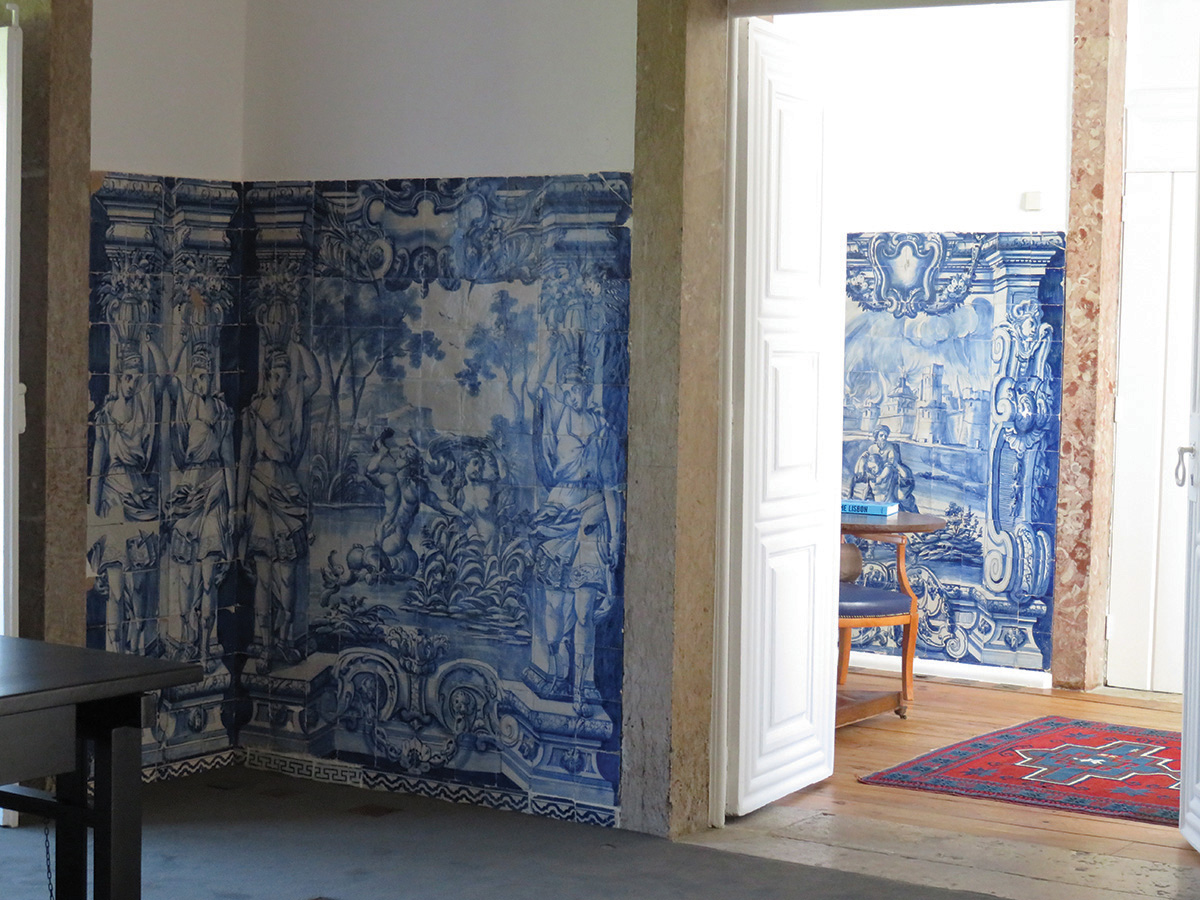
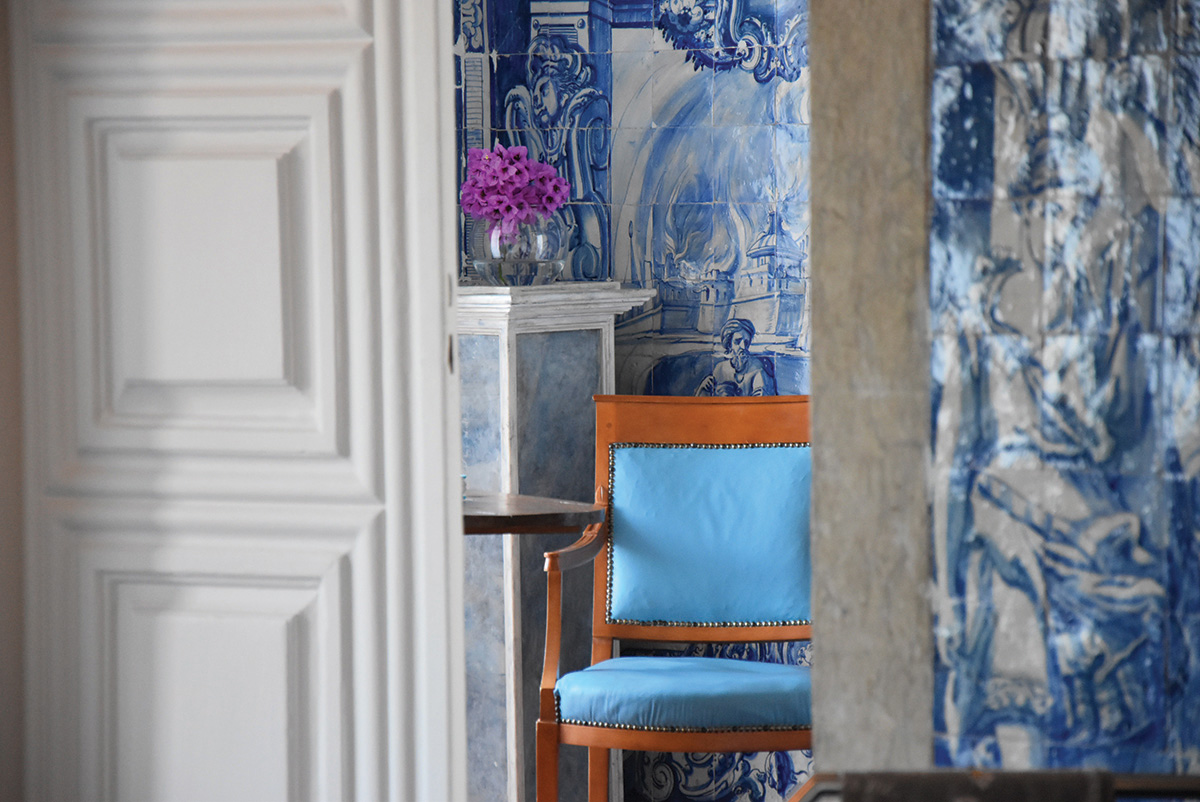
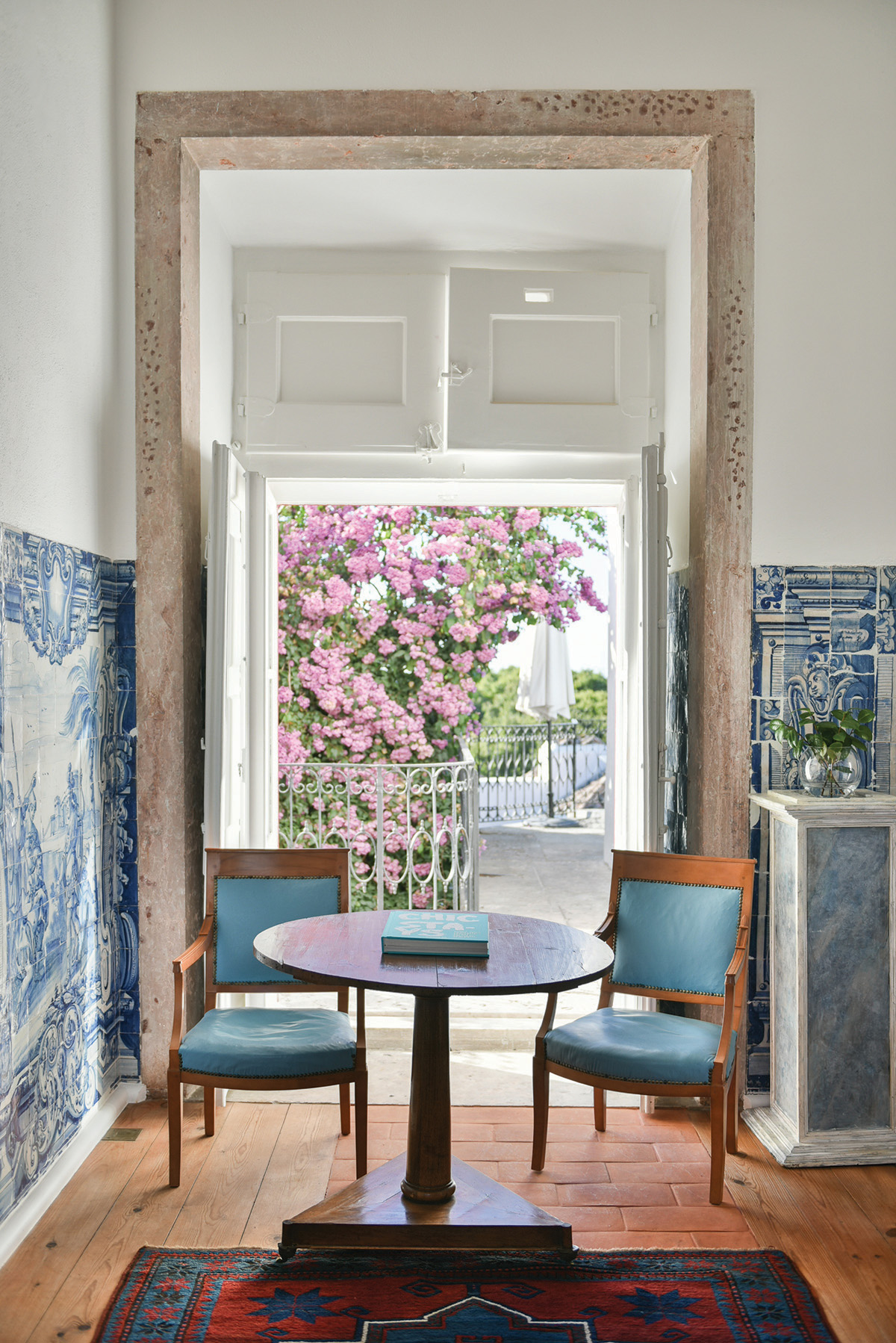
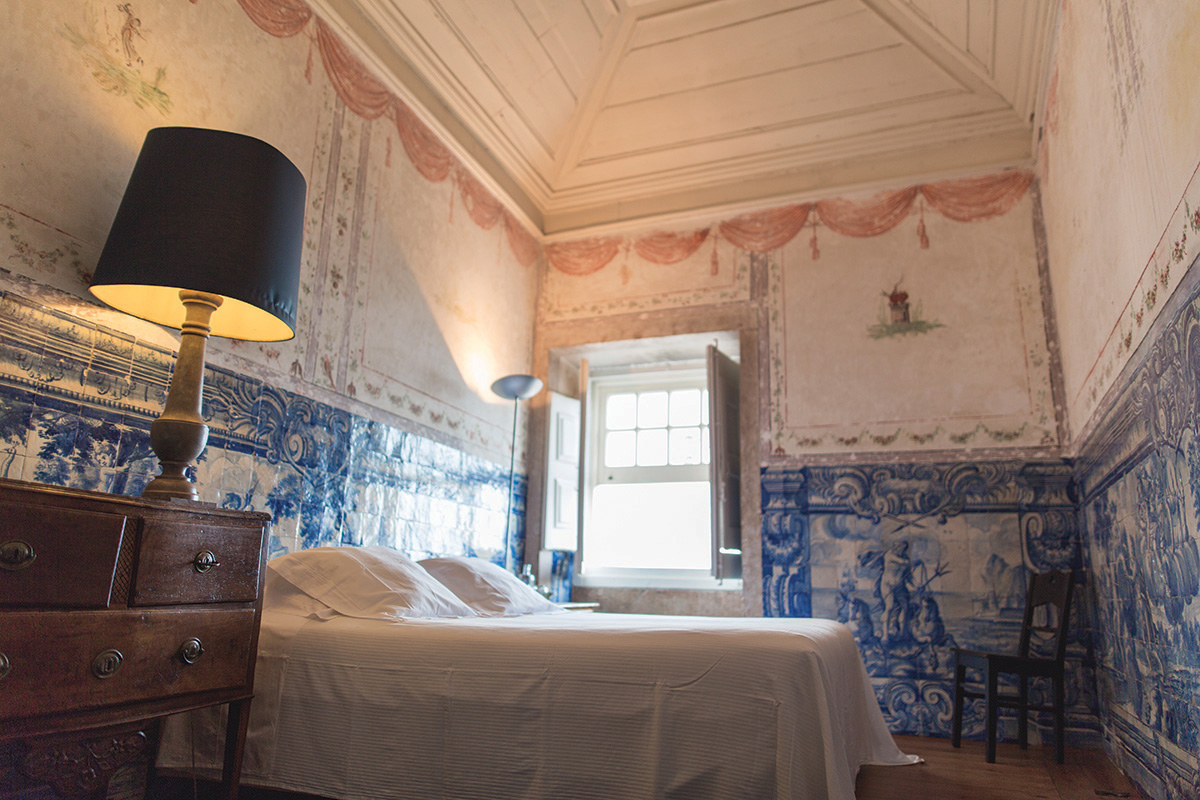
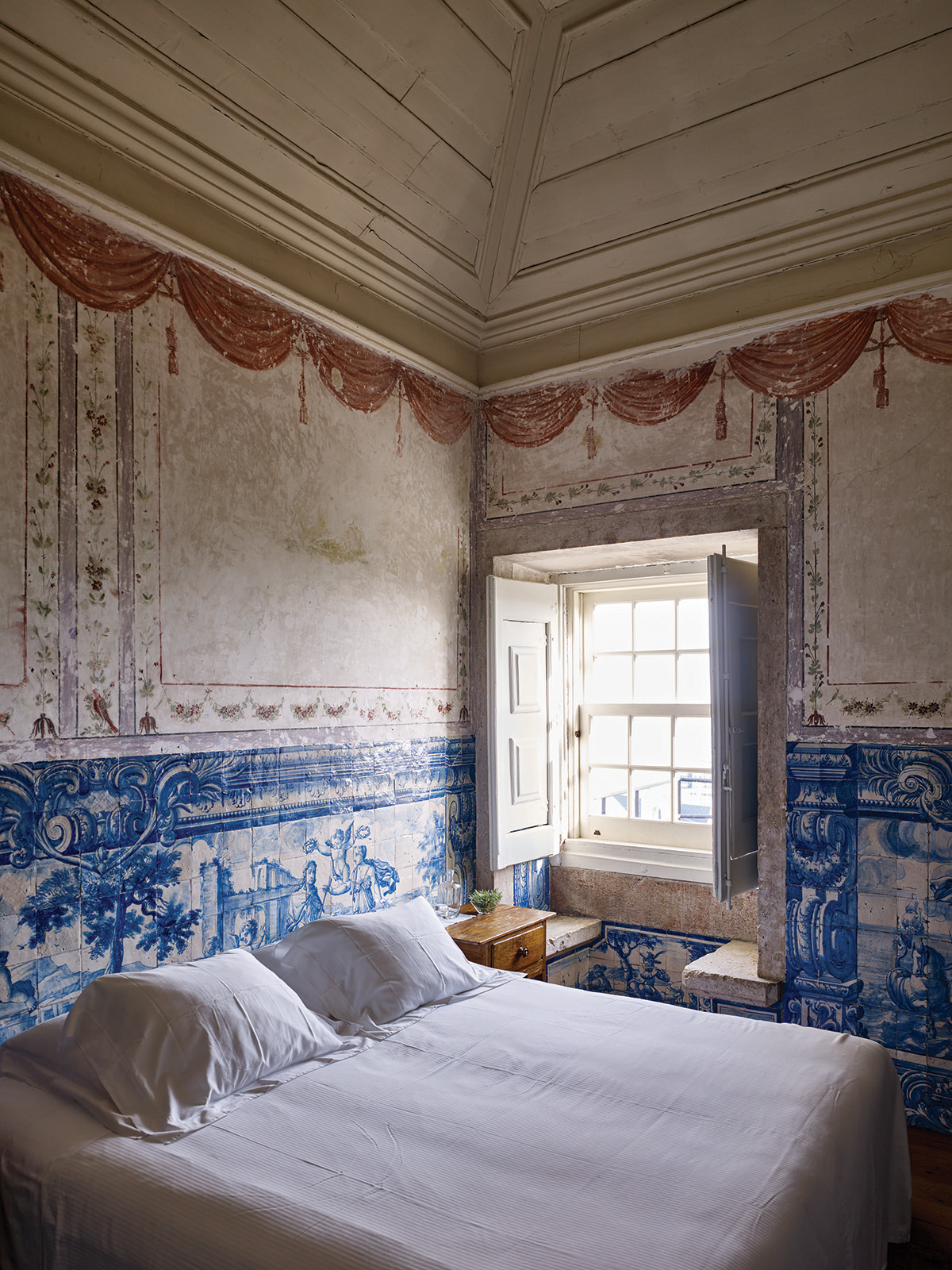
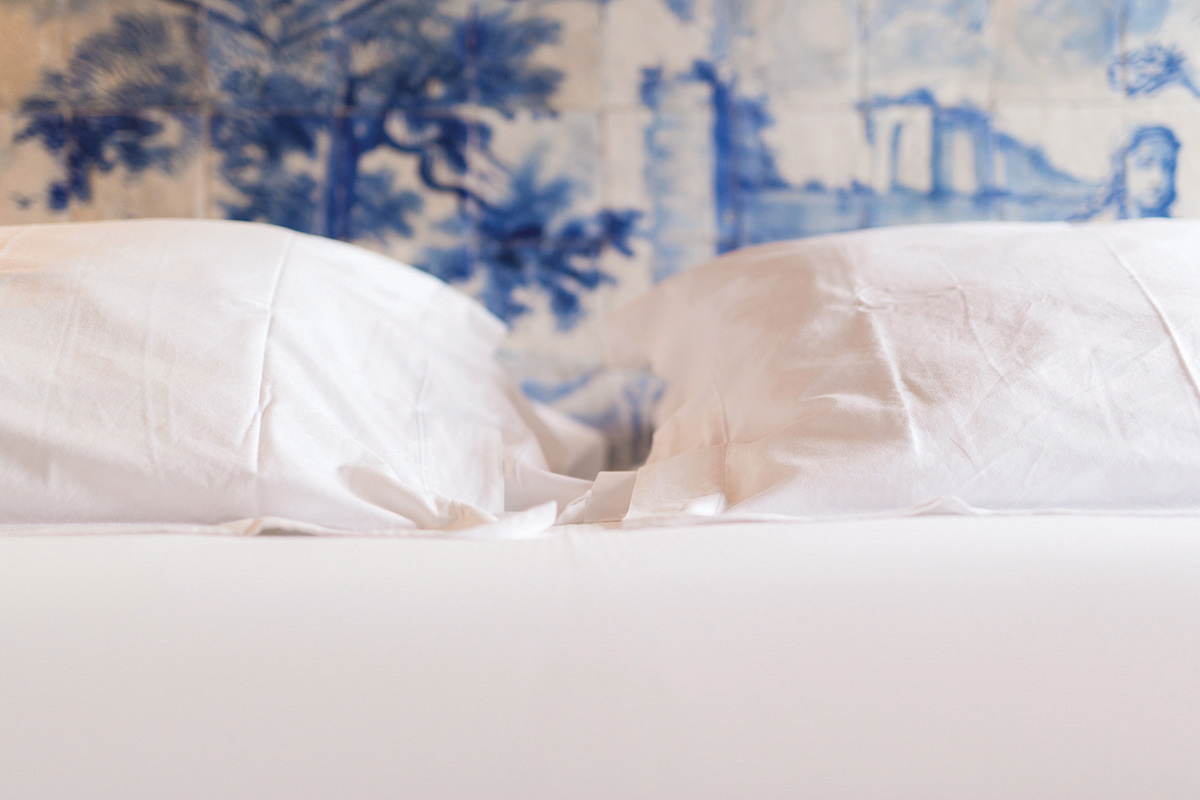
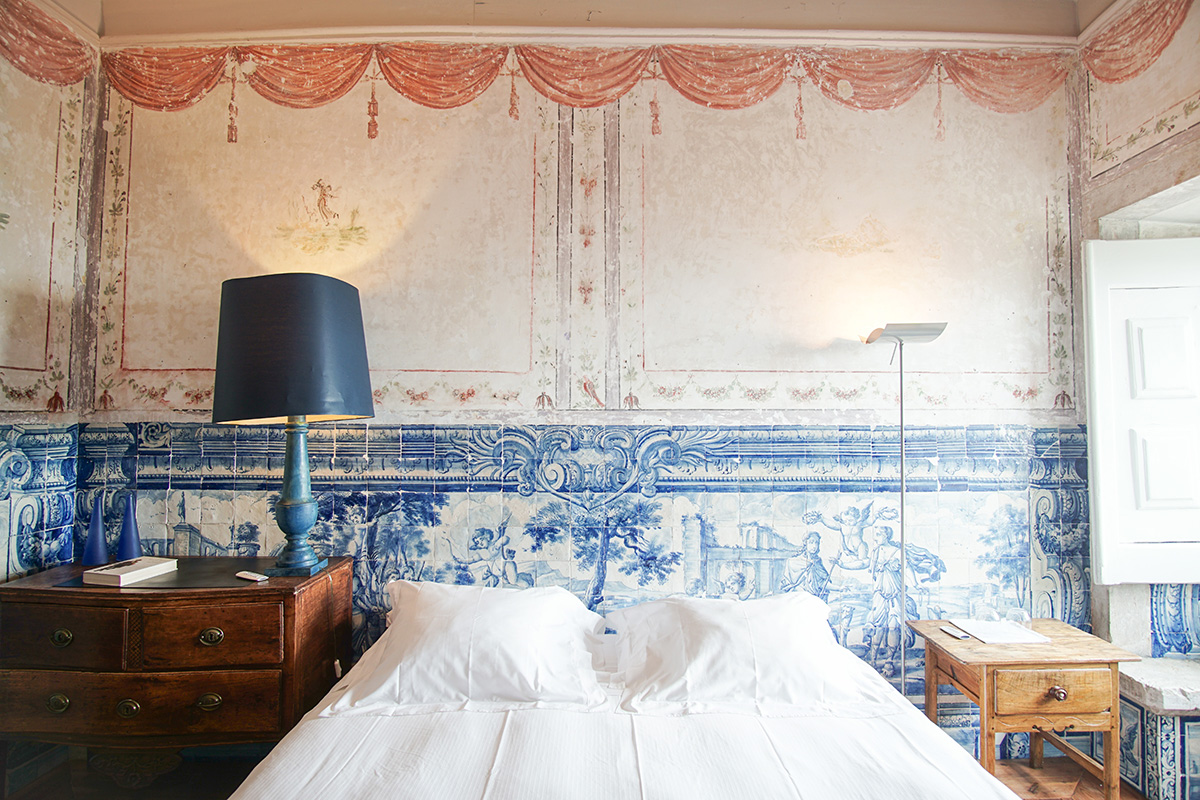
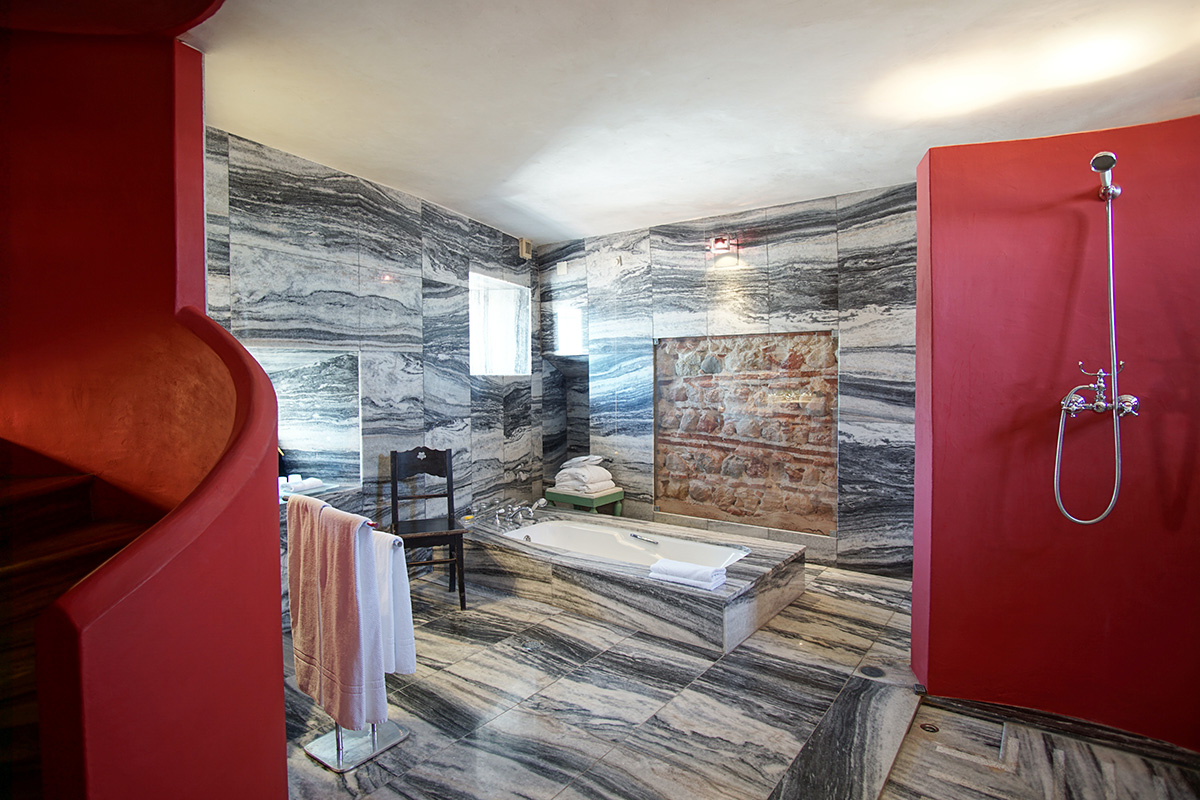
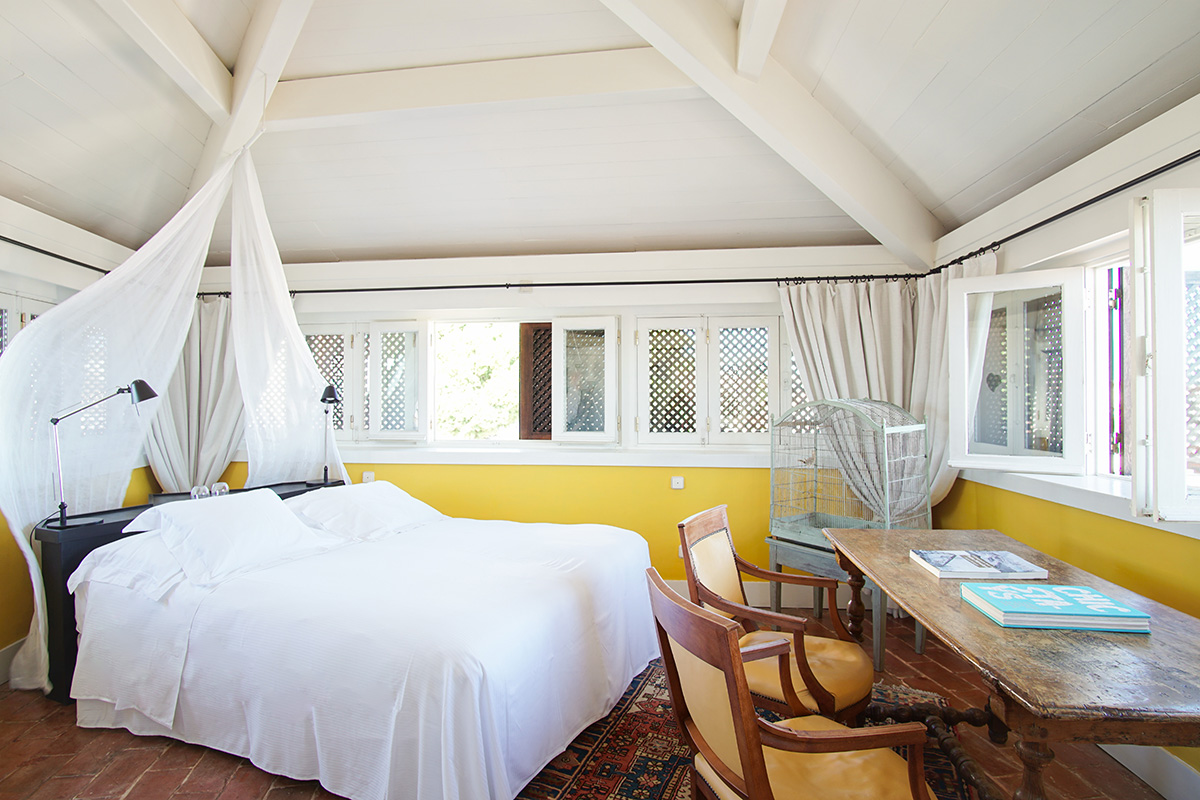
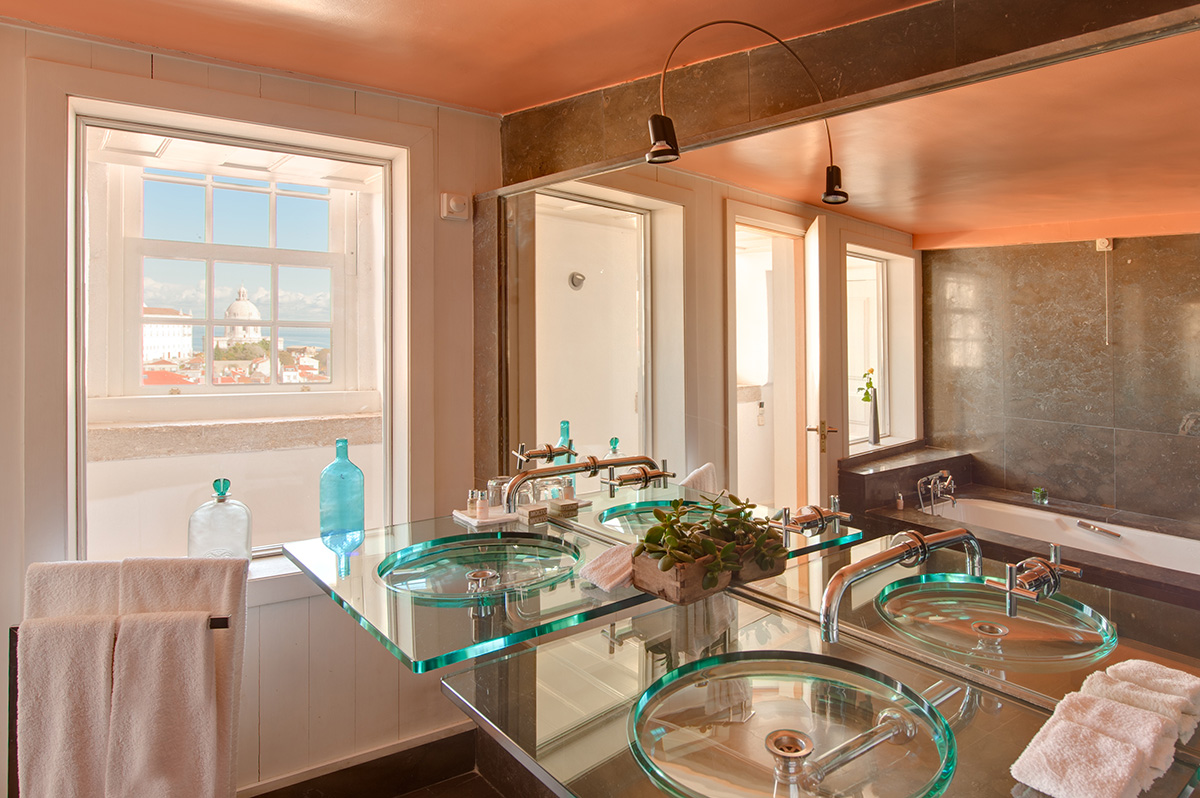
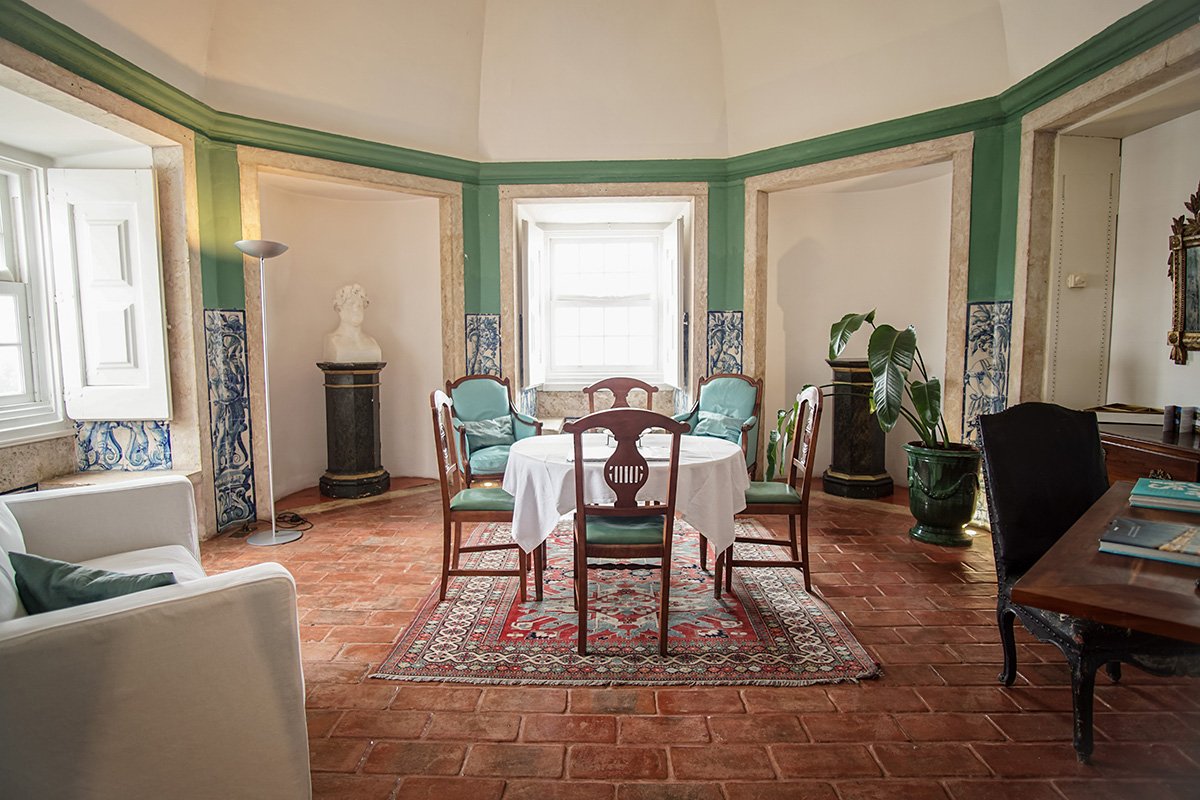
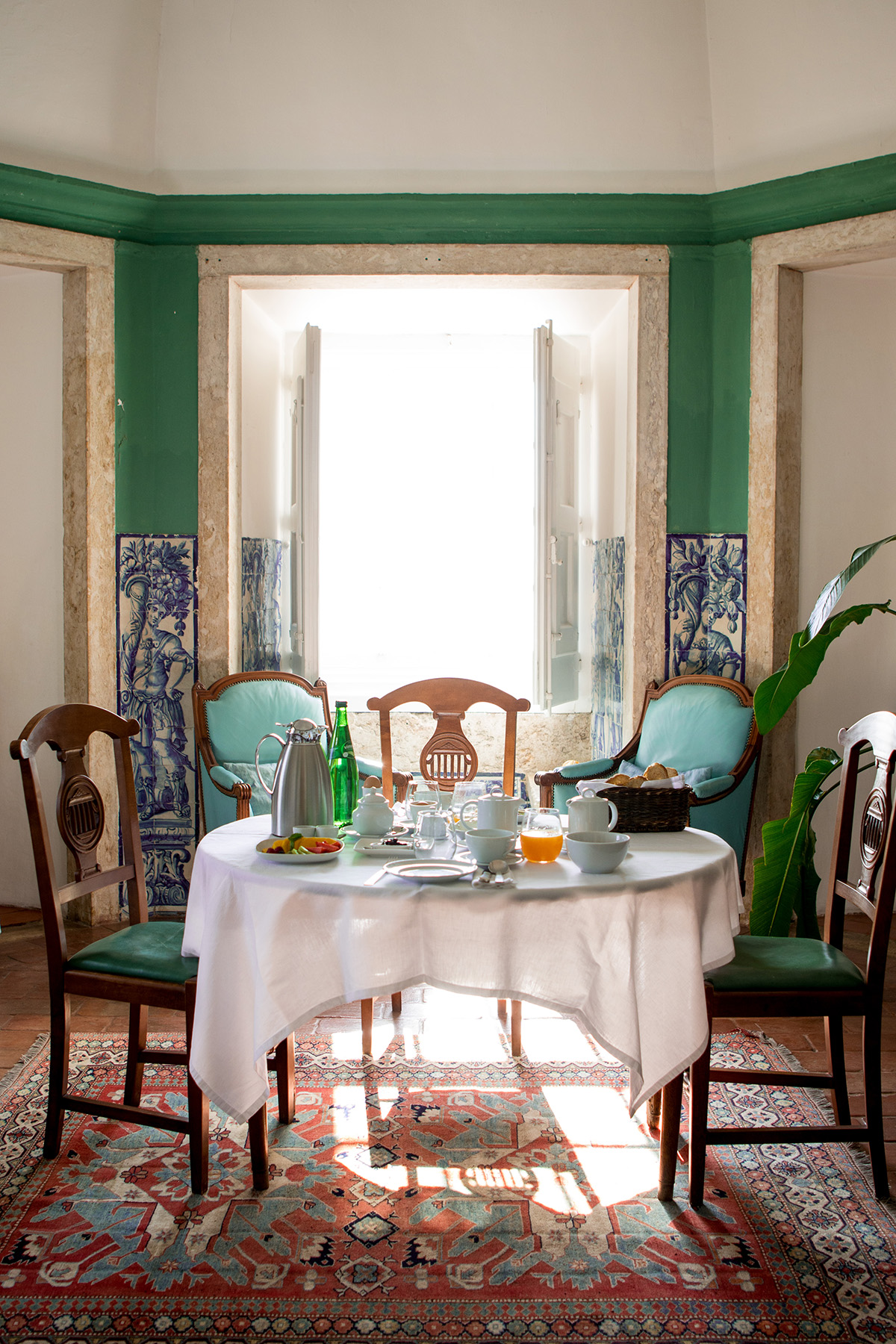
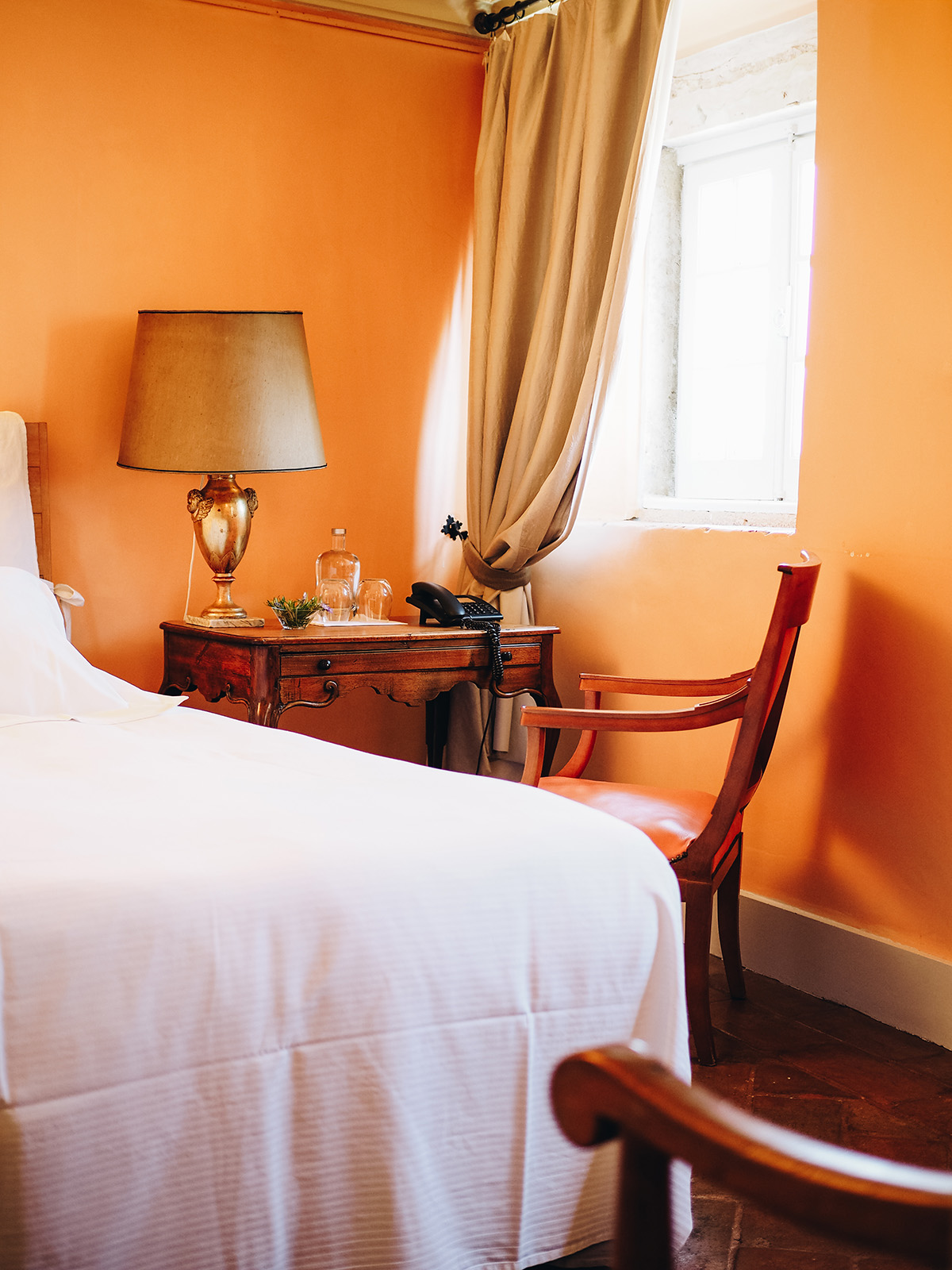
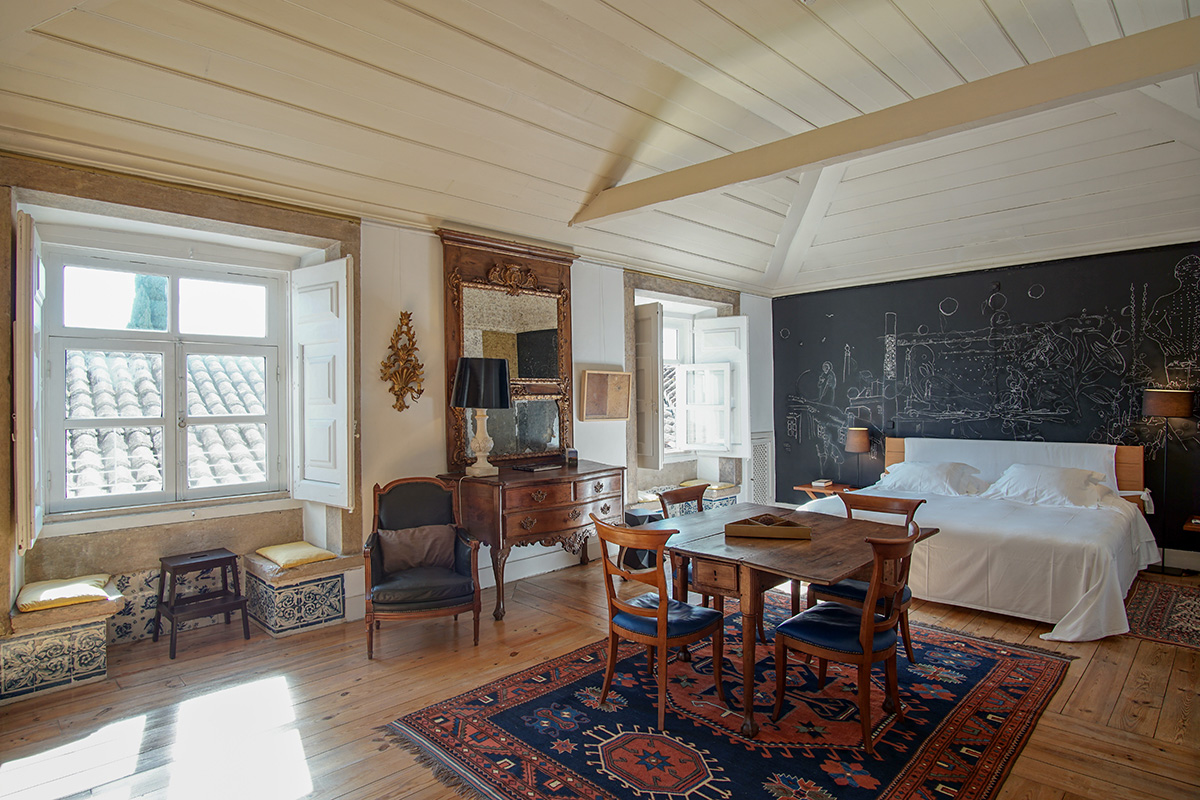
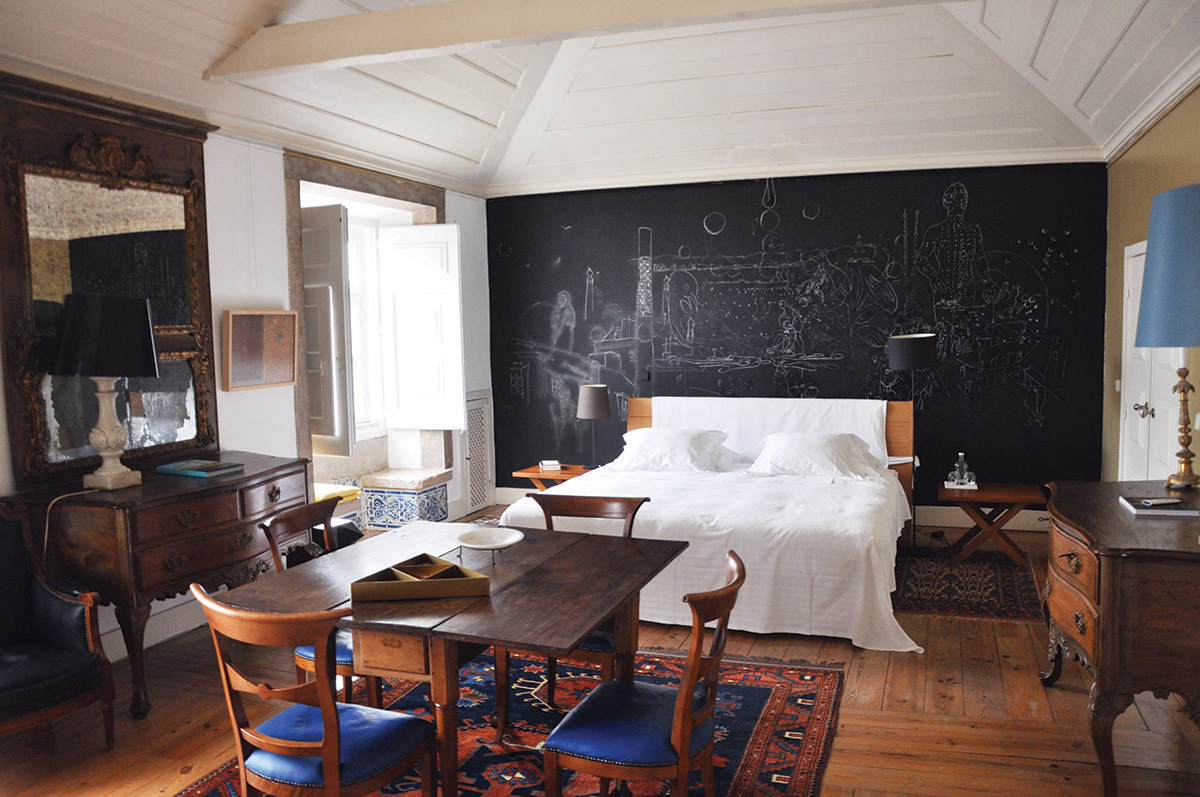
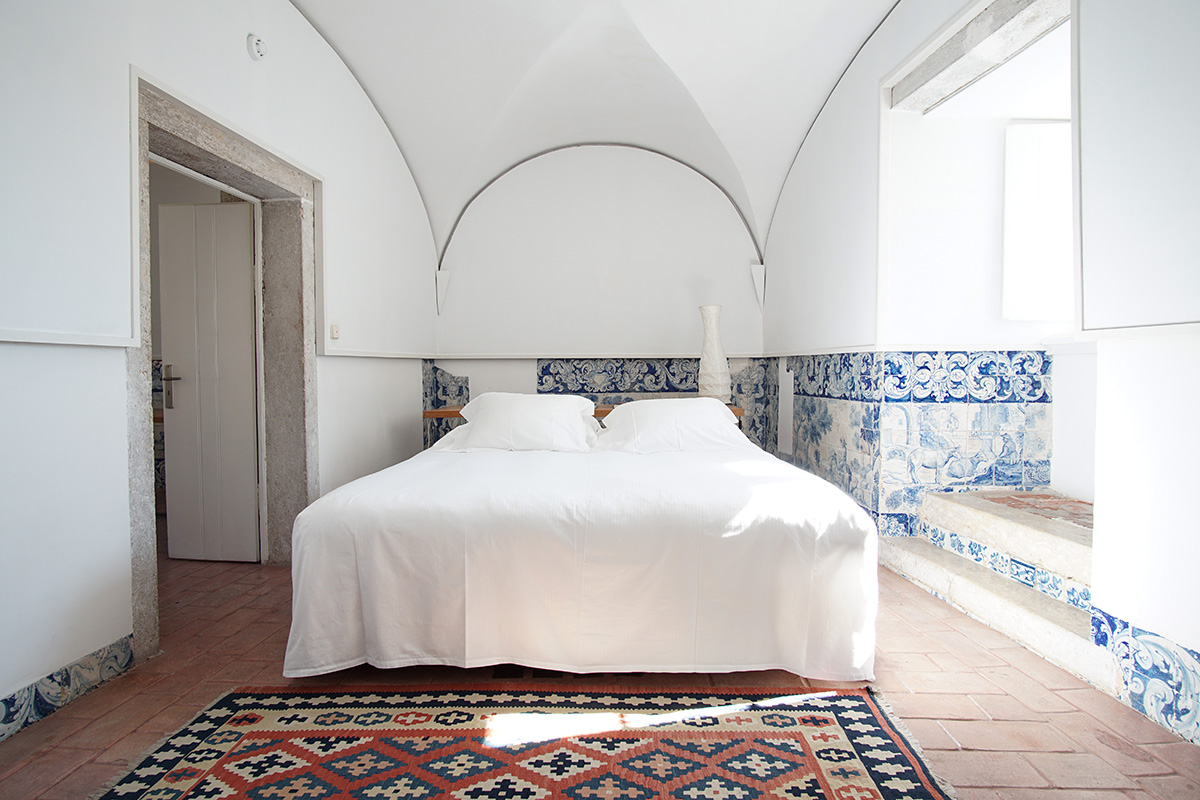
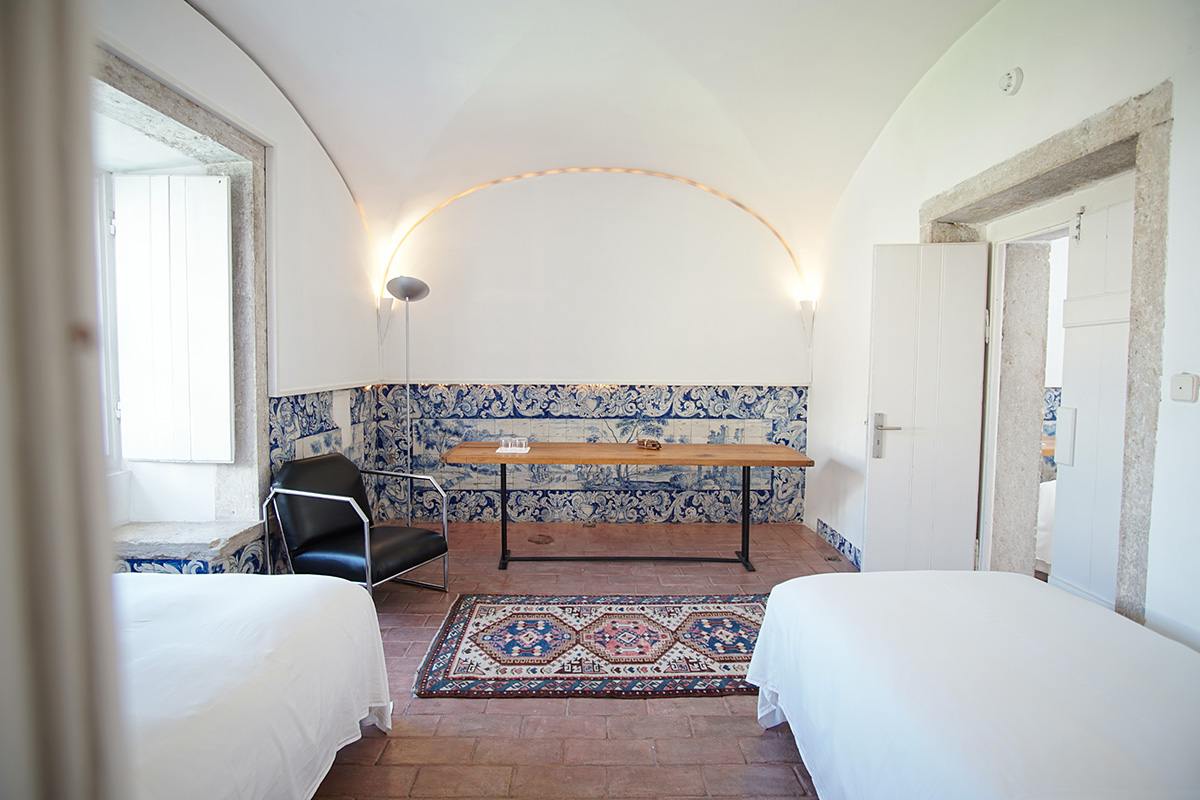
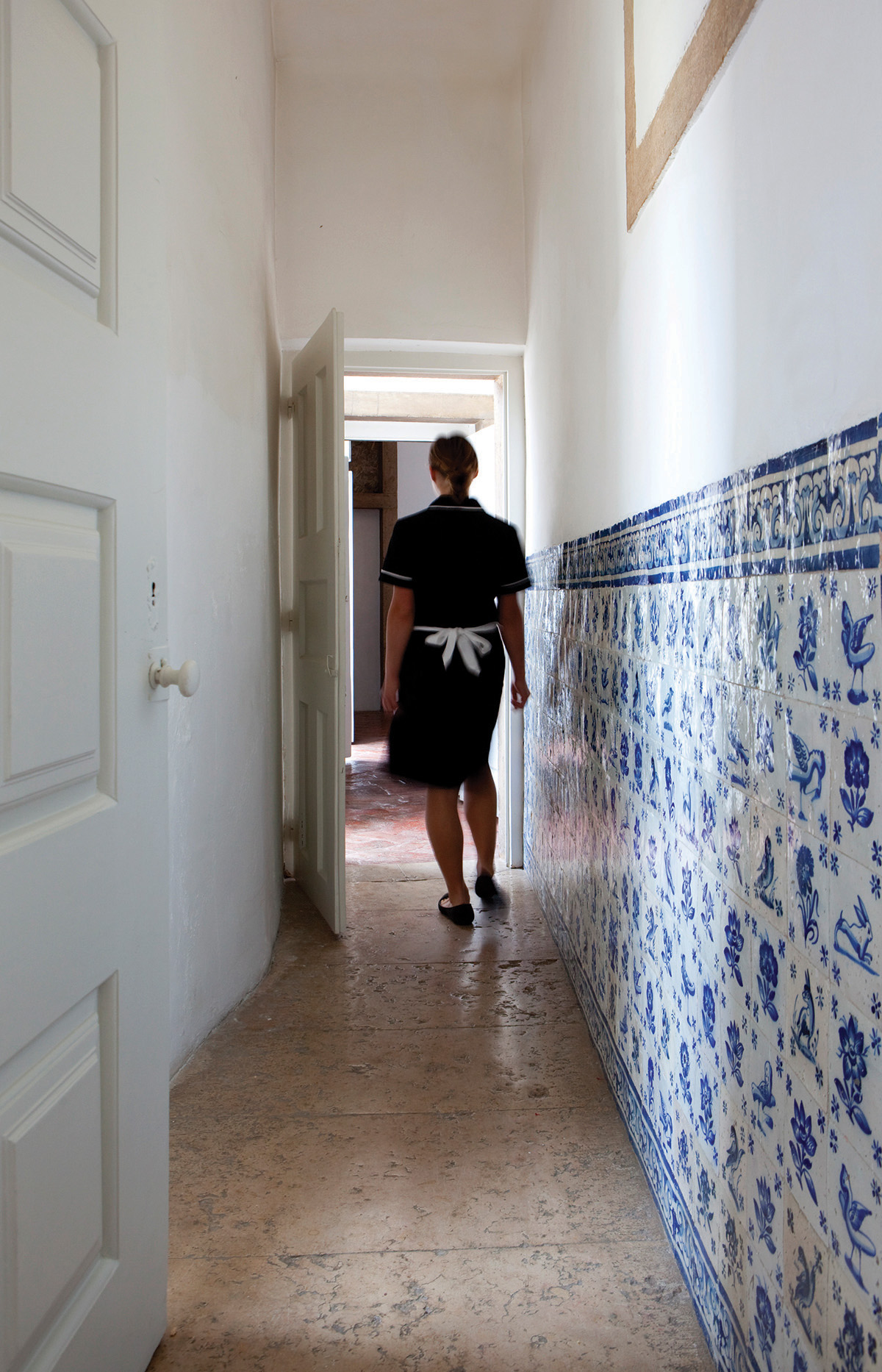
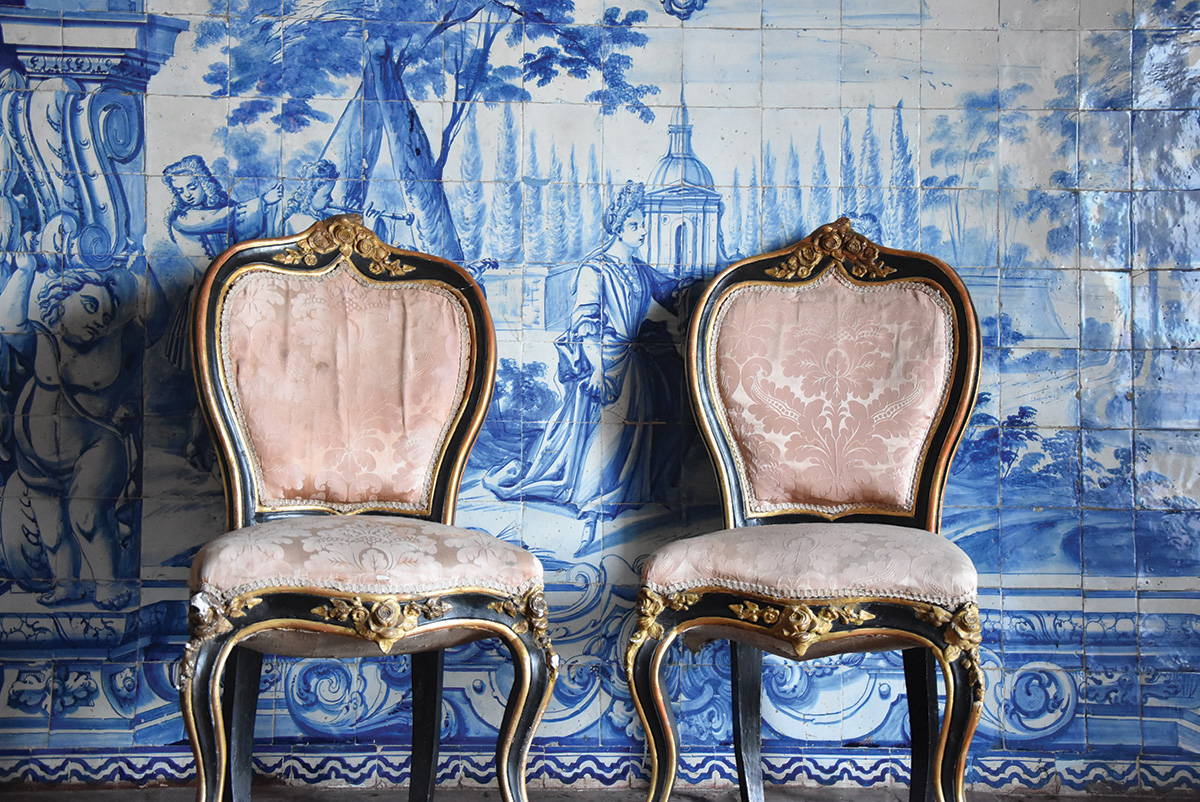
"Former residence of a nobel family dating back to 1449, the hotel has sitting rooms like no other: More than 3800 blue-and-white Portuguese tiles from the 1700's cover the walls, complemented by dreamy fado music. I felt as if we had the entire palace to ourselves, as though we were breathing in living history of those walls."
C.F. – Conde Nast Traveler
Gold List 2015: Top Hotels in the World
status of project
Developed & Concluded
project execution: 1994-2000
project operations: 2000-2021
Details
Denomination: Palácio Belmonte
AKA: Palácio dos Condes de Belmonte
Branding denomination: Palácio Belmonte
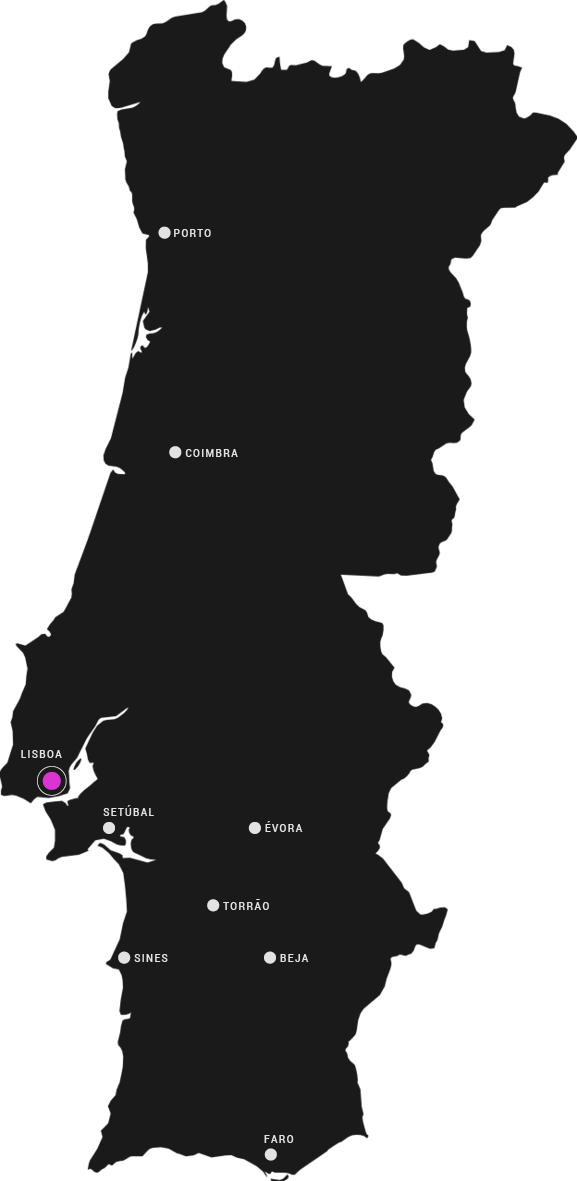
Location: Bairro do Castelo, Alfama, Lisboa, Portugal
Owner & Developer: Frederic Coustols
Renovation Period: 1994-2000
Awards: National Monument & National Interest; 2000 RICS Awards – Urban Regeneration Category; Condé Nast Traveler Gold List Award (2015, 2017, 2018); and more
team members
Founder: Frederic Coustols
Co-Founder: Maria Mendonça Coustols
Operations & Concierge: Maria João Granate
Digital Brand Management: Creative Digital Design
Front Desk: Faisal
collaborators
Quirino da Fonseca, Andrew Coutts, Simon Punter, Gonçalo Leandro, Rita Neves, Nelson Carvalheiro, Sammy Gao, Jess Yu, Maria de Morais, Jeroen Musch, Joe, Condron, Yianis Zahos, Marko Roth, Nelson Garrido, Jacob Termansen, Alexander Kulish, Sancha Trindade, Sivan Askayo, Ariel Huber, Camille de Ginestel, Weston Table, Mário Caeiro, Lost Tribe (Claire Ogden and Philip Rwankole), Howard Altmann, KASJO Studio (Joachim Slugocki and Katarzyna Malejka), Michel Talbot, Michel Batlle, Zoya Mohajeri Aval, Gisoo Kim, Anita Ackermann, Jutta Matthess, Camila Cañeque, Marja des Vries, Simon James Phillips, Pierre Pratt, Elisha Abas, Sebastião Lobo, Daniela Padilla, Jaap Borgers, Jana Matejkova-Middleton, Rory Middleton, Alessandro Lupi, Stefan Kornacki, Soundwalk Collective, Maria Pia de Oliveira, Catia Mariam Costa, António Alvarenga, Filipe Alves, Manuel Brandão Alves, Manuel Branco, José Castro Caldas, João Caraça, Gustavo Cardoso, Paulo Carvalho, David Castro, José Delgado Domingos, Tiago Delgado Domingos, José Paulo Esperança, João Ferrão, Bernard Festy, Catarina Fonseca, Sam Golshani, Teresa Jorge, Keith Hack, Adolfo Macedo, Sandro Mendonça, António Oliveira, Catarina Roseta Palma, Paulo Partidário, Miguel Pinto, José Reis, Félix Ribeiro, Teresa Ribeiro, João Rodrigues, Mário Ruivo, Sofia Santos, João Seixas, Viriato Soromenho-Marques, Patrícia Valinho, Sofia Vaz, Dan Ward, Richard Werly.
short description
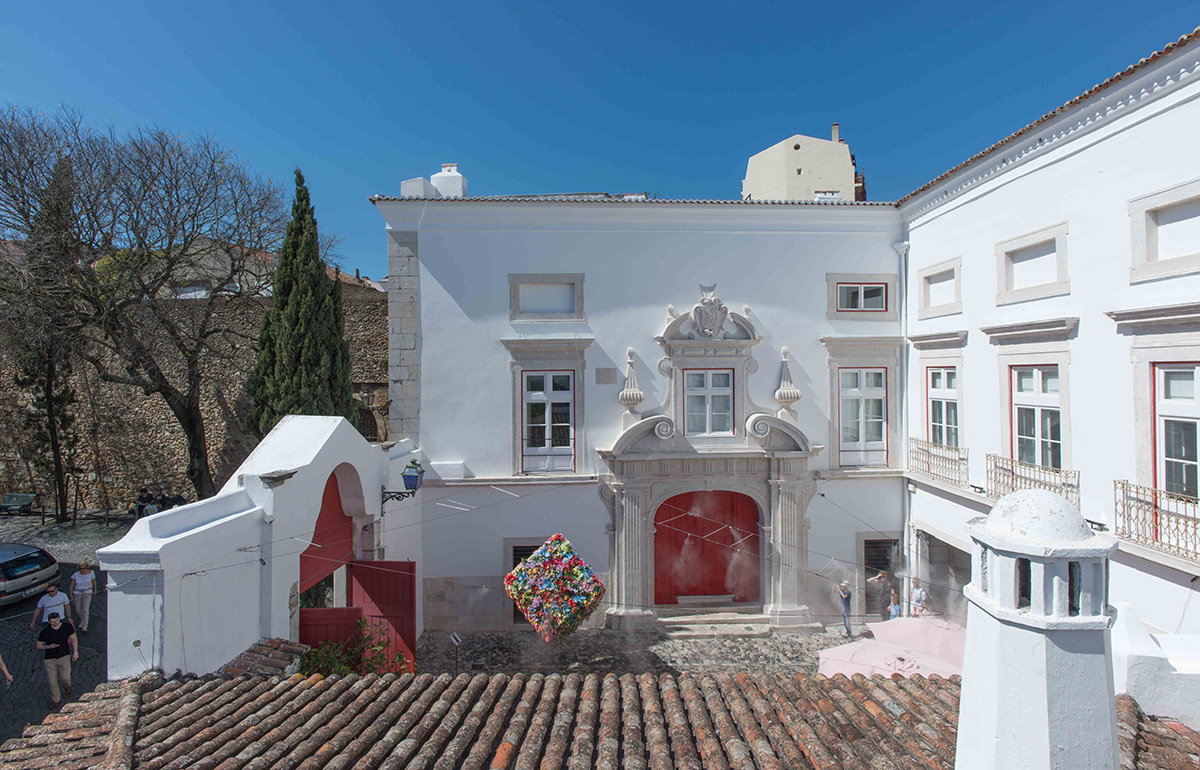
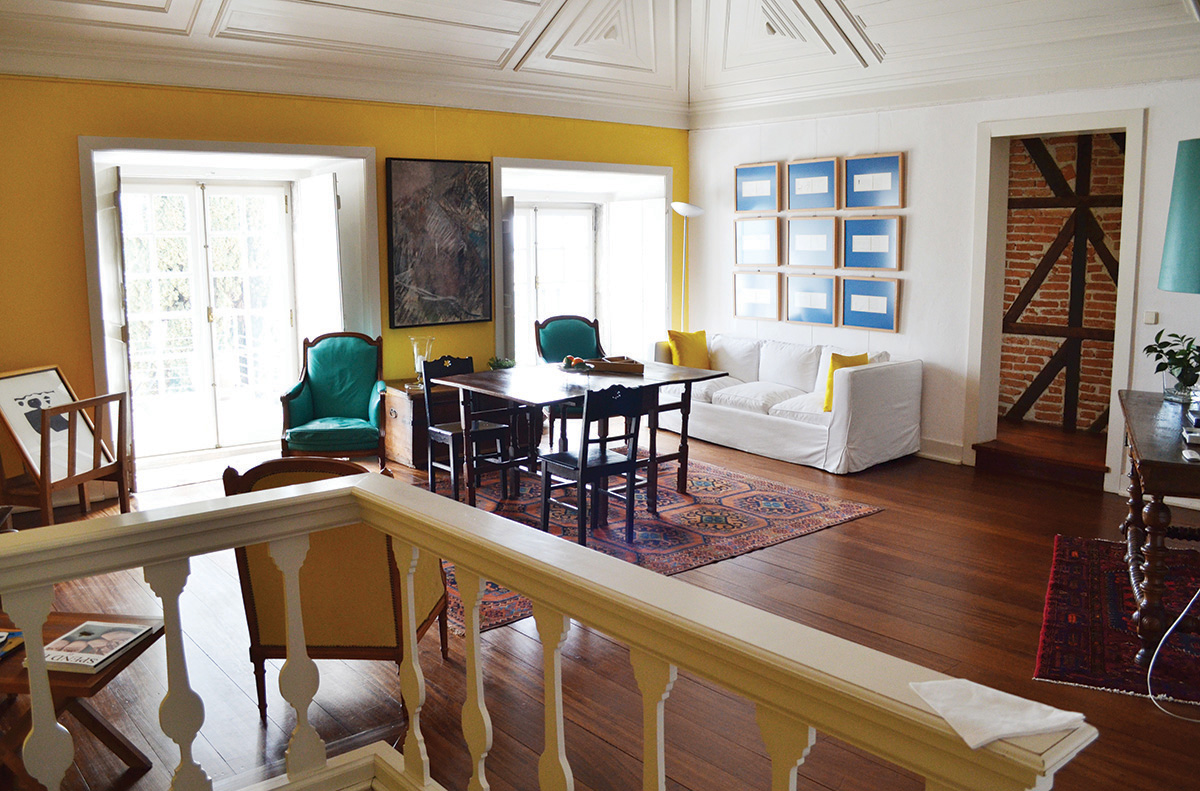
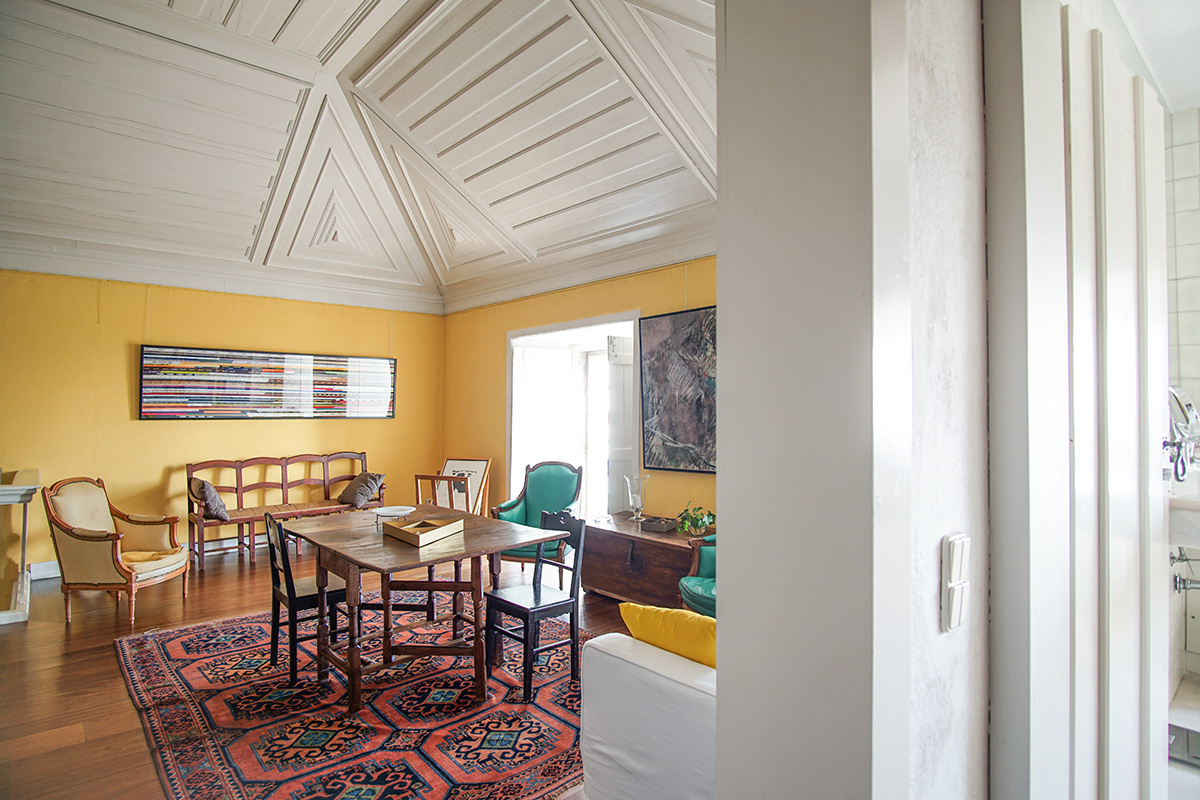
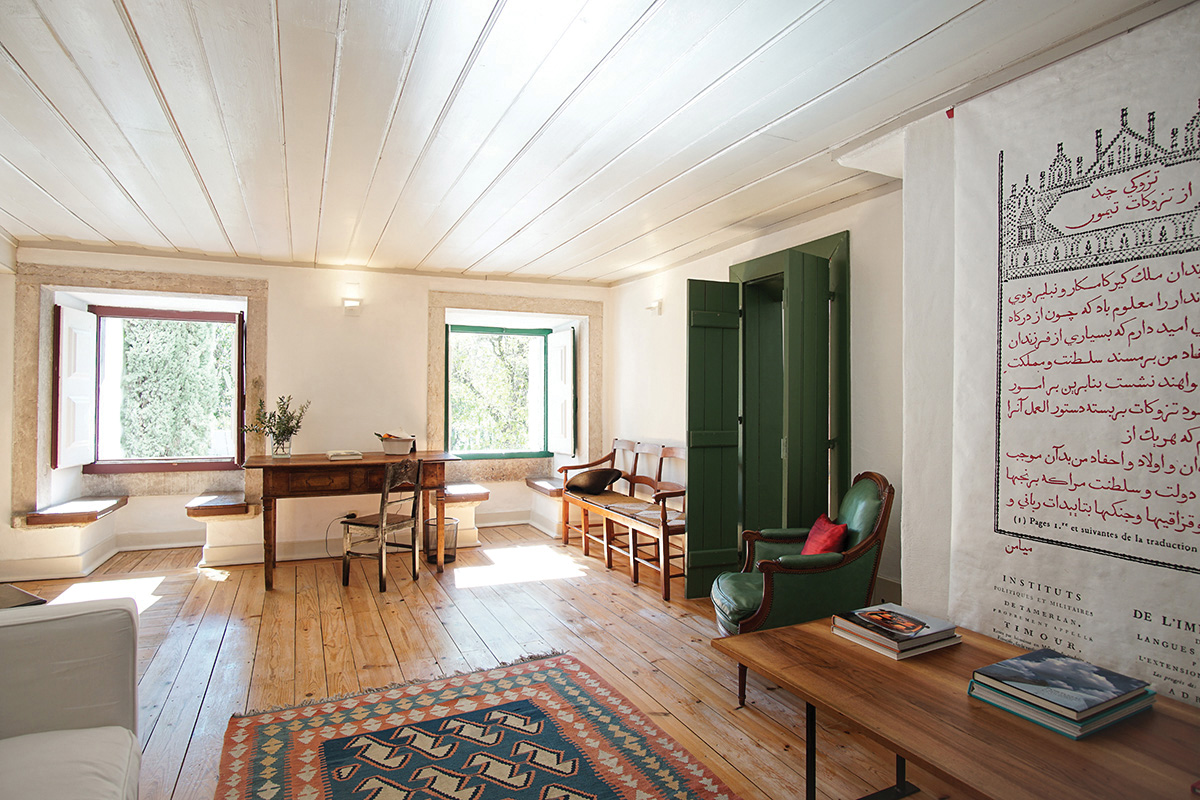
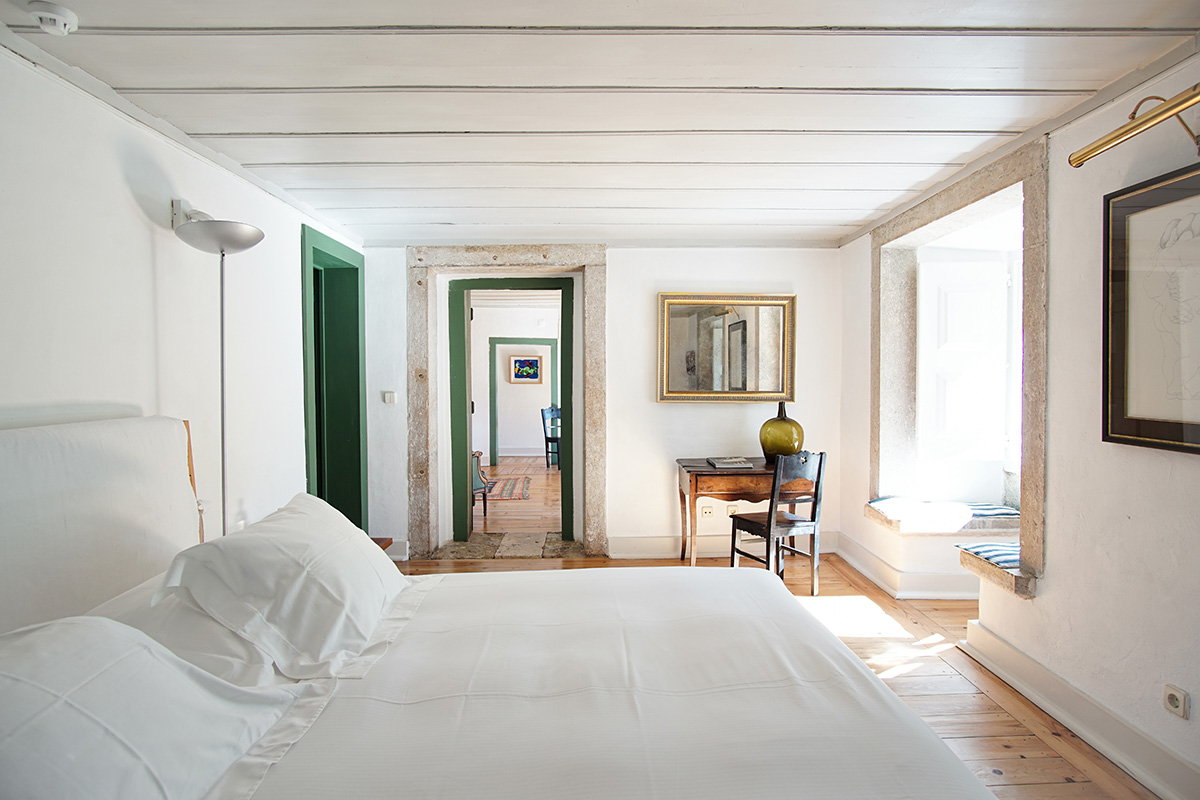
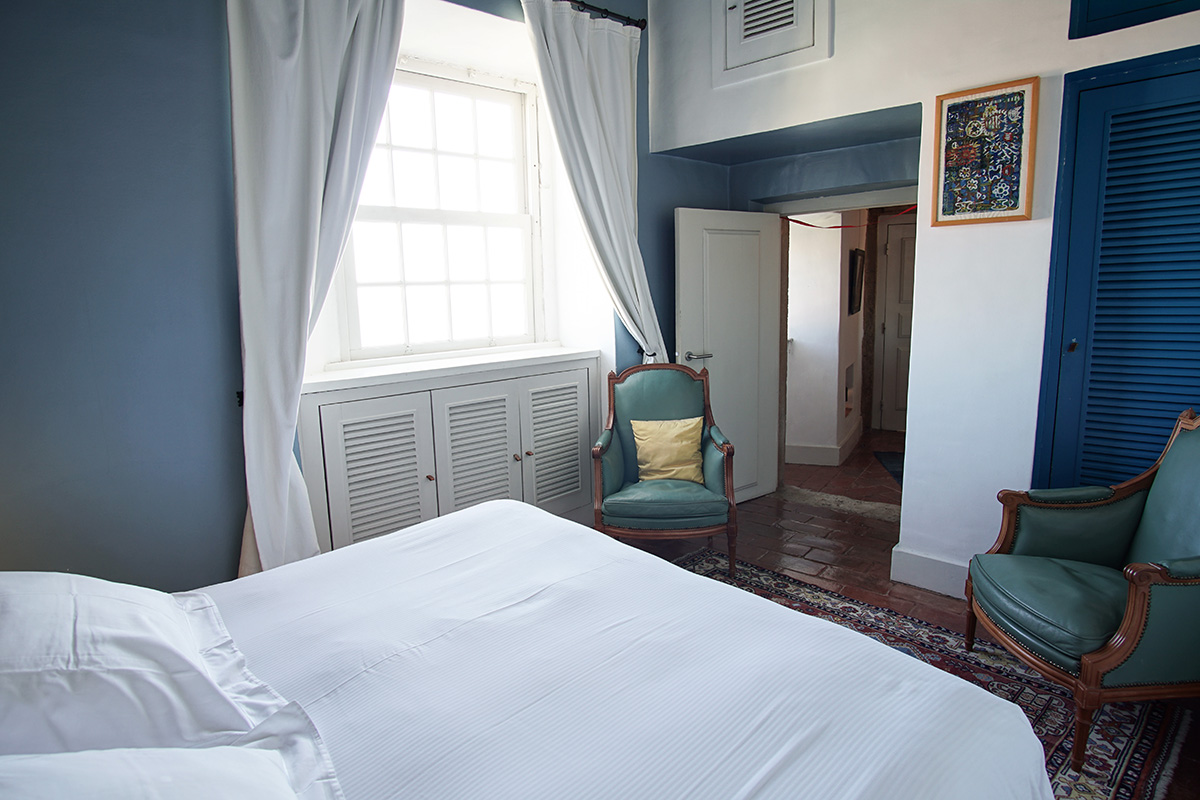
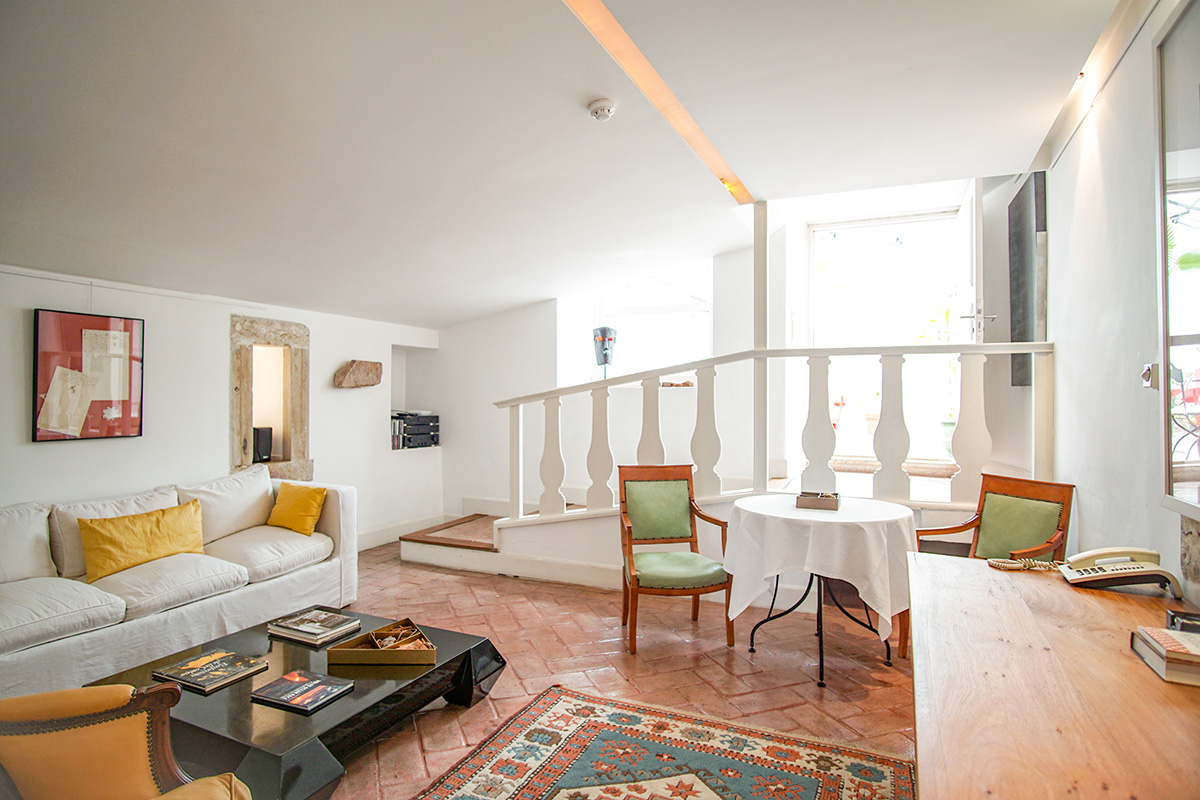
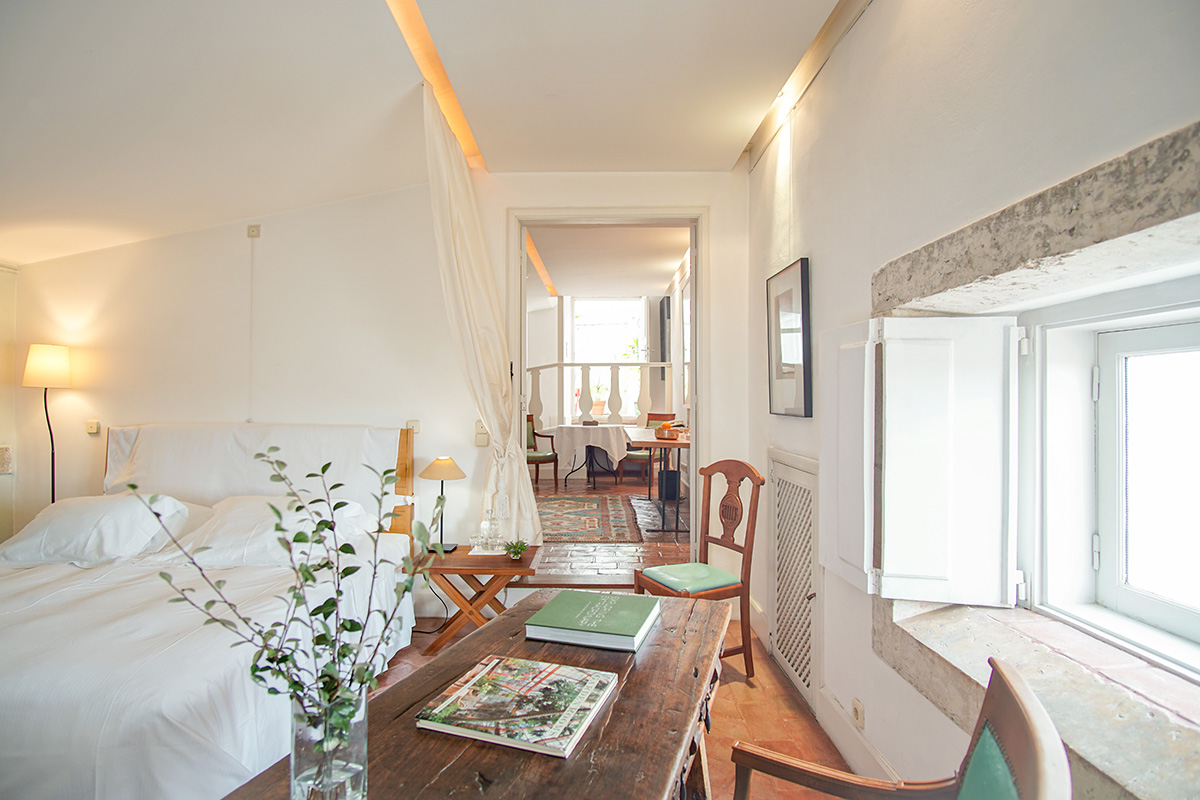
Welcome to Palácio Belmonte, Lisbon’s oldest inhabited palace and one of its most remarkable architectural landmarks. The property was restored in 1994 through a meticulous process that applied traditional construction techniques to preserve the beauty, character and structural integrity of the original palace.
During the early phase of the restoration, the project’s lead chose to live for a full year within the hollowed out ruins of the former noble residence in order to understand the building’s structure and its relationship with the surrounding landscape. With ceilings open to the sky and many rooms without windows or doors, the restoration slowly began to take shape. During this period, the palace became the setting for two acclaimed films: Wim Wenders’ Lisbon Story and A Firma Pereira, based on the work of Antonio Tabucchi, both of which incorporated the raw state of the building into memorable scenes.
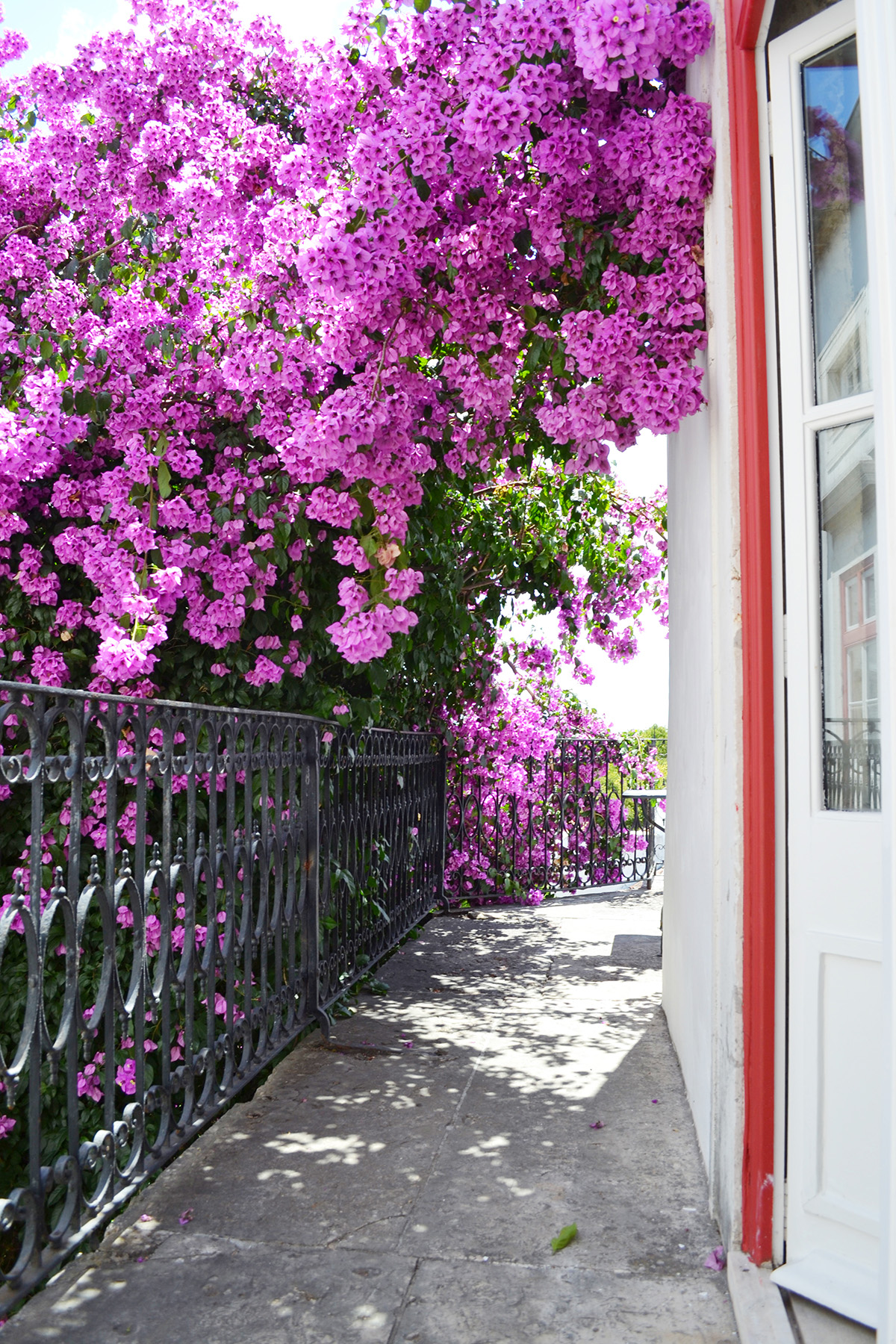
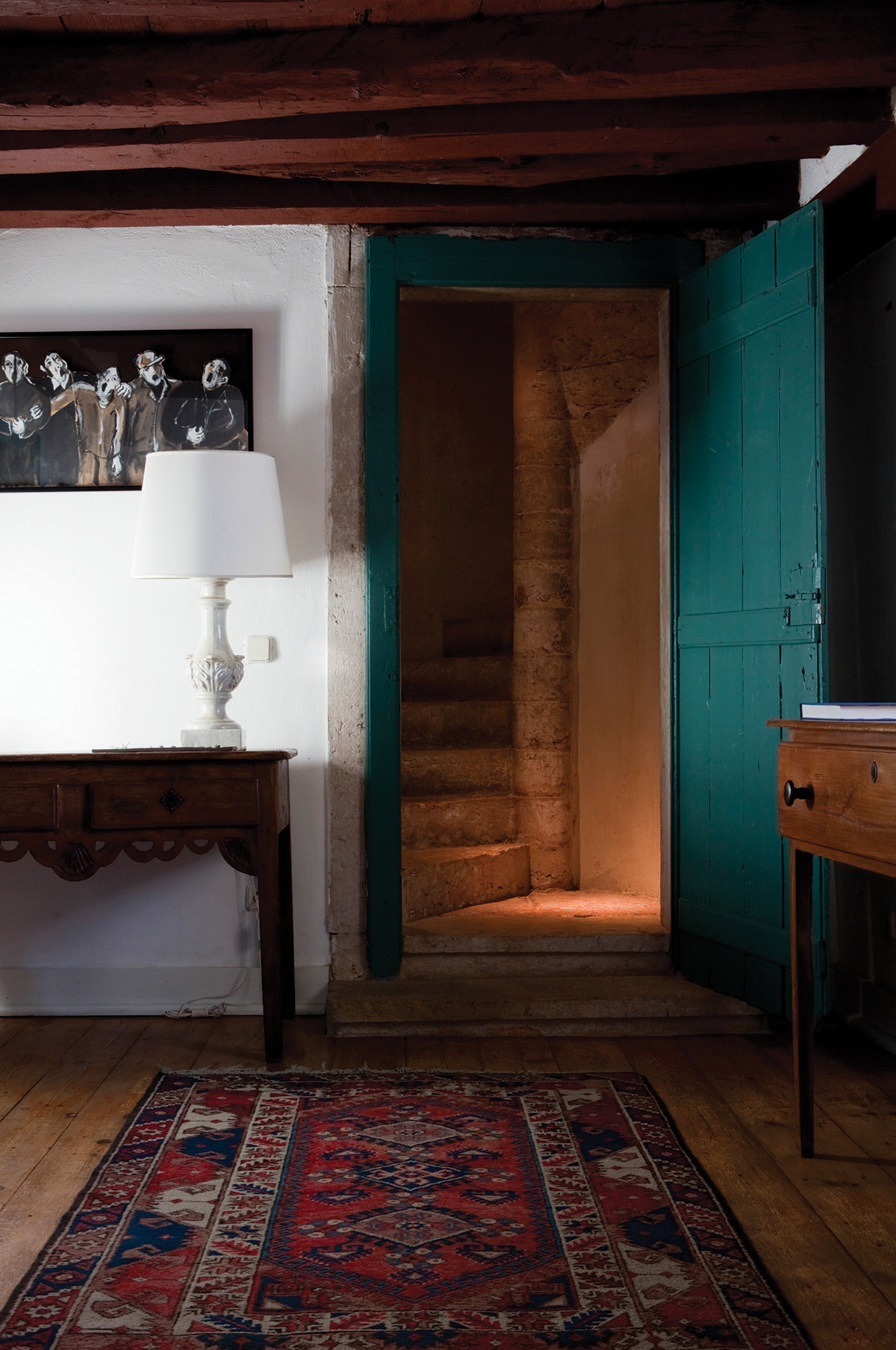
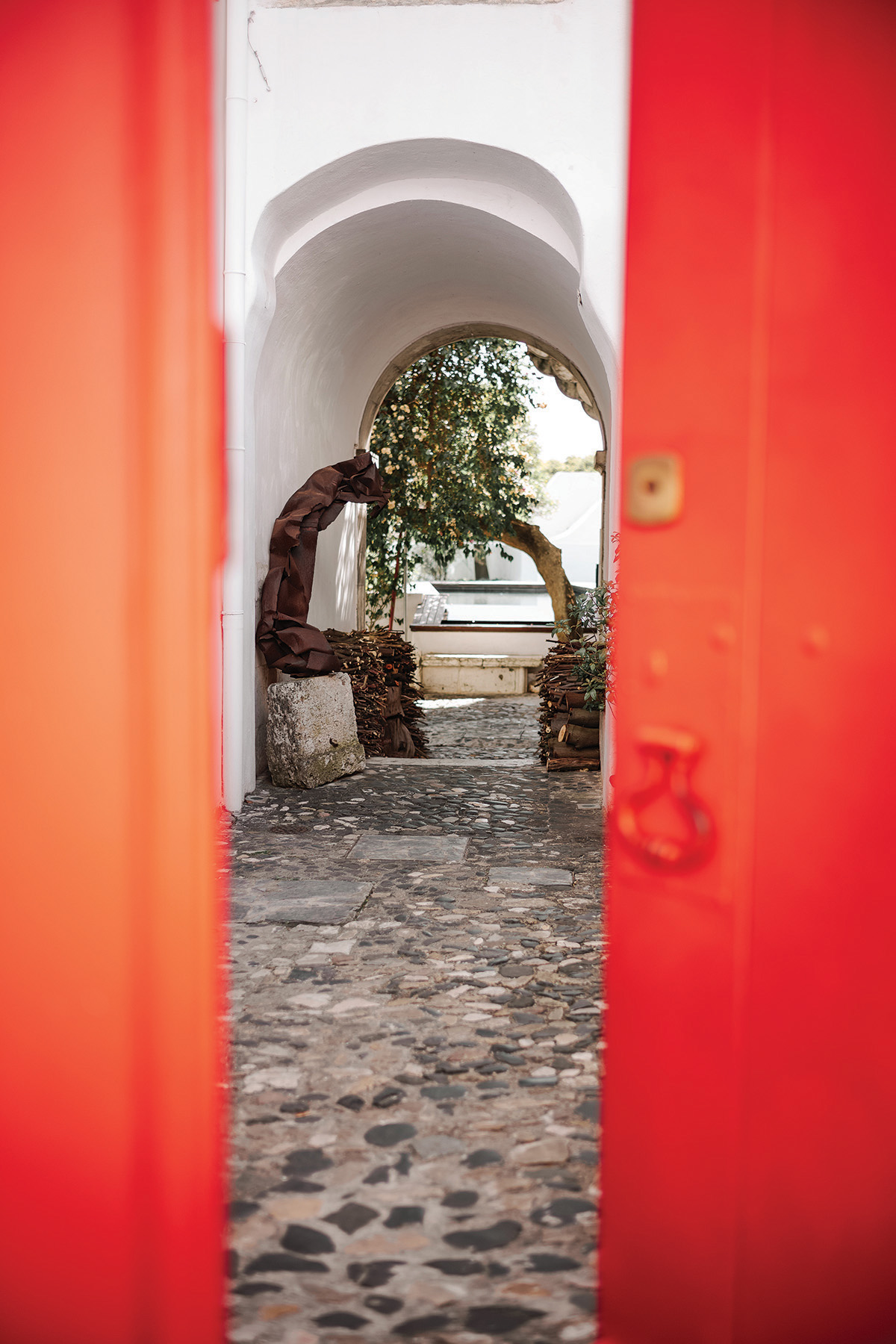
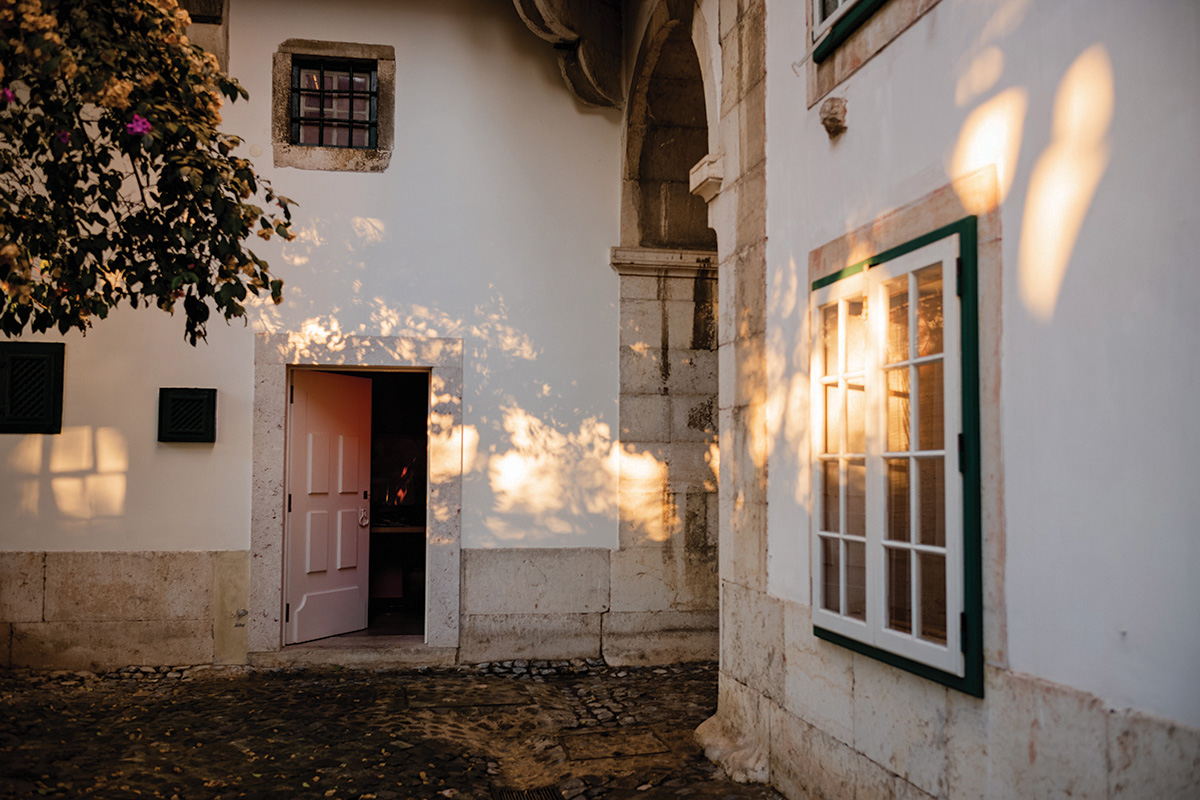
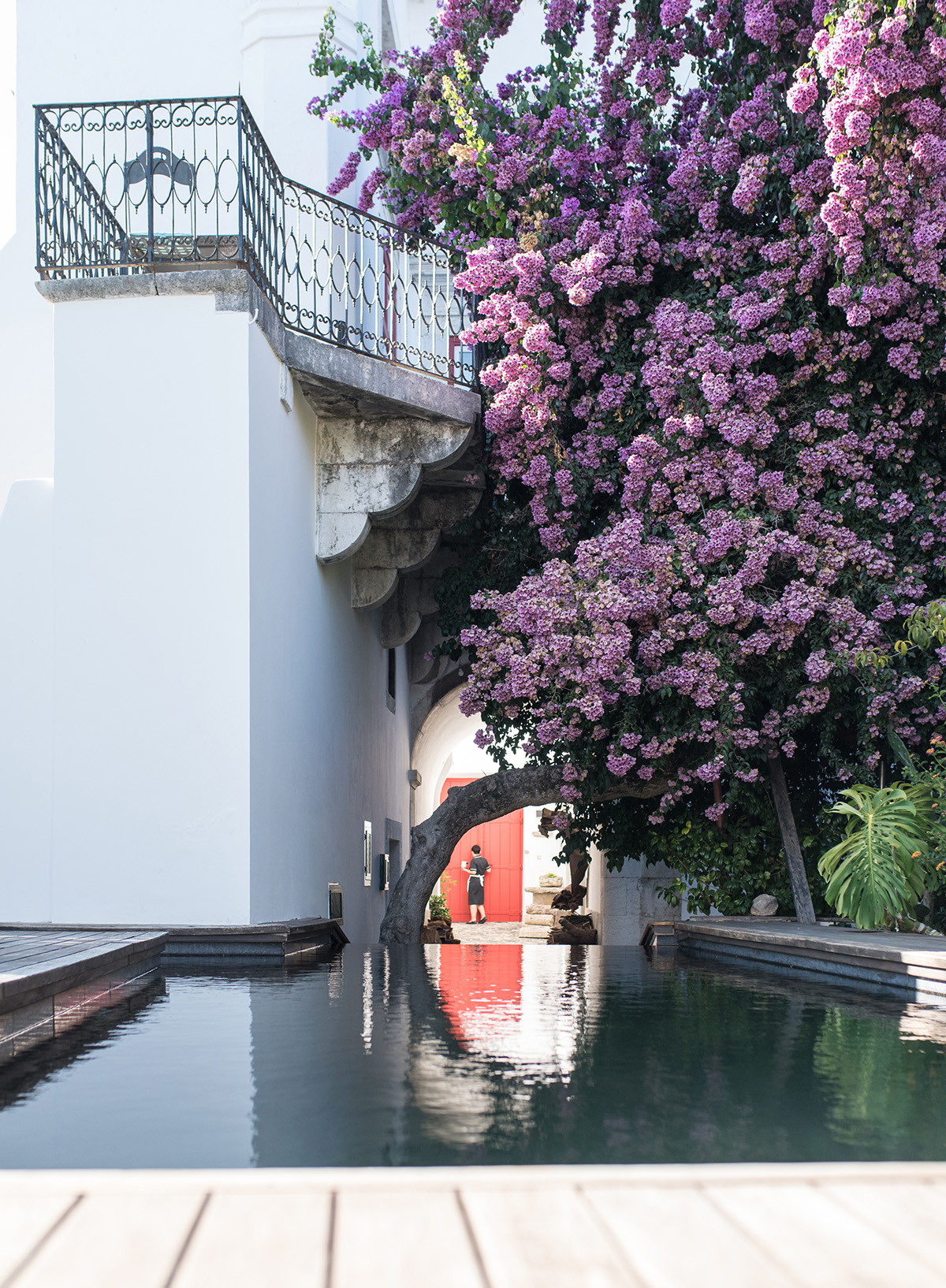
Despite numerous obstacles and significant technical challenges, the restoration was completed and the palace’s iconic red doors were opened to the public in the year 2000.
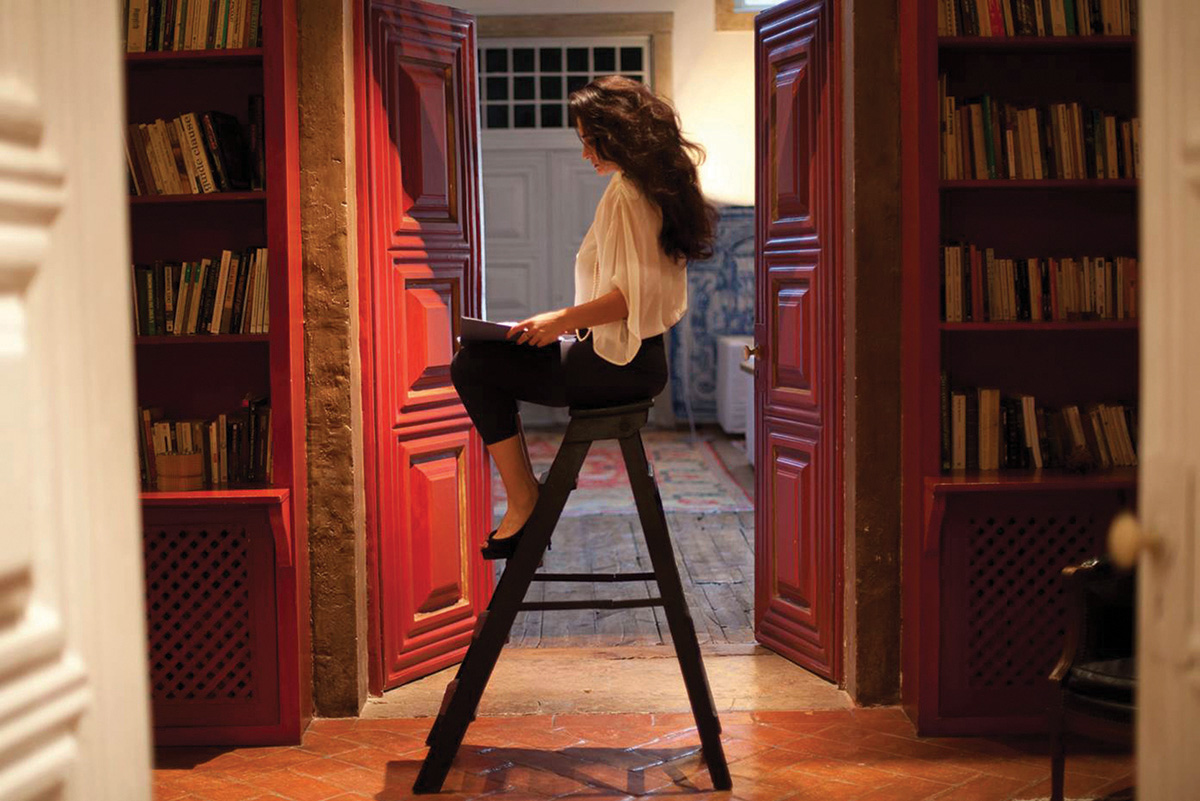
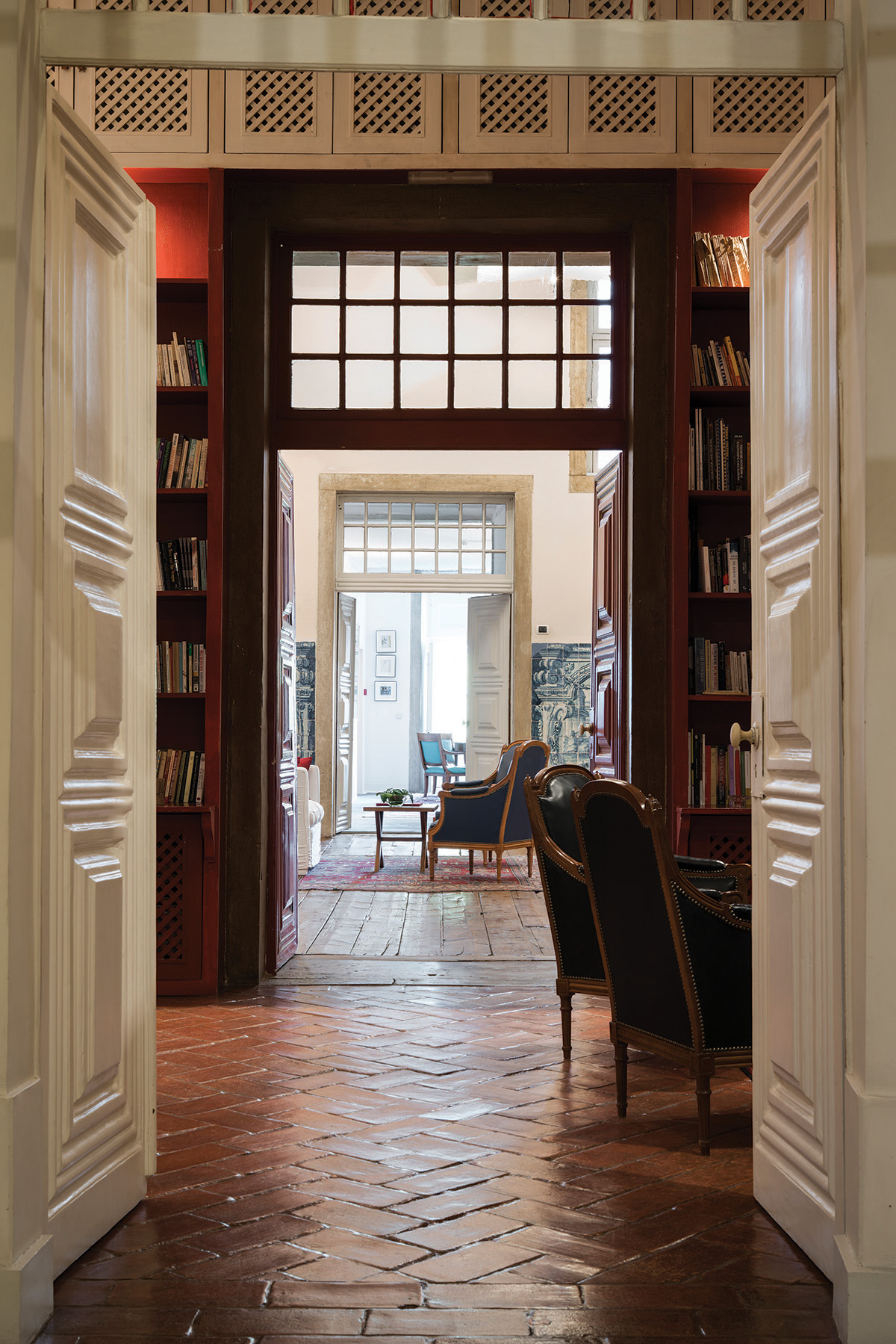
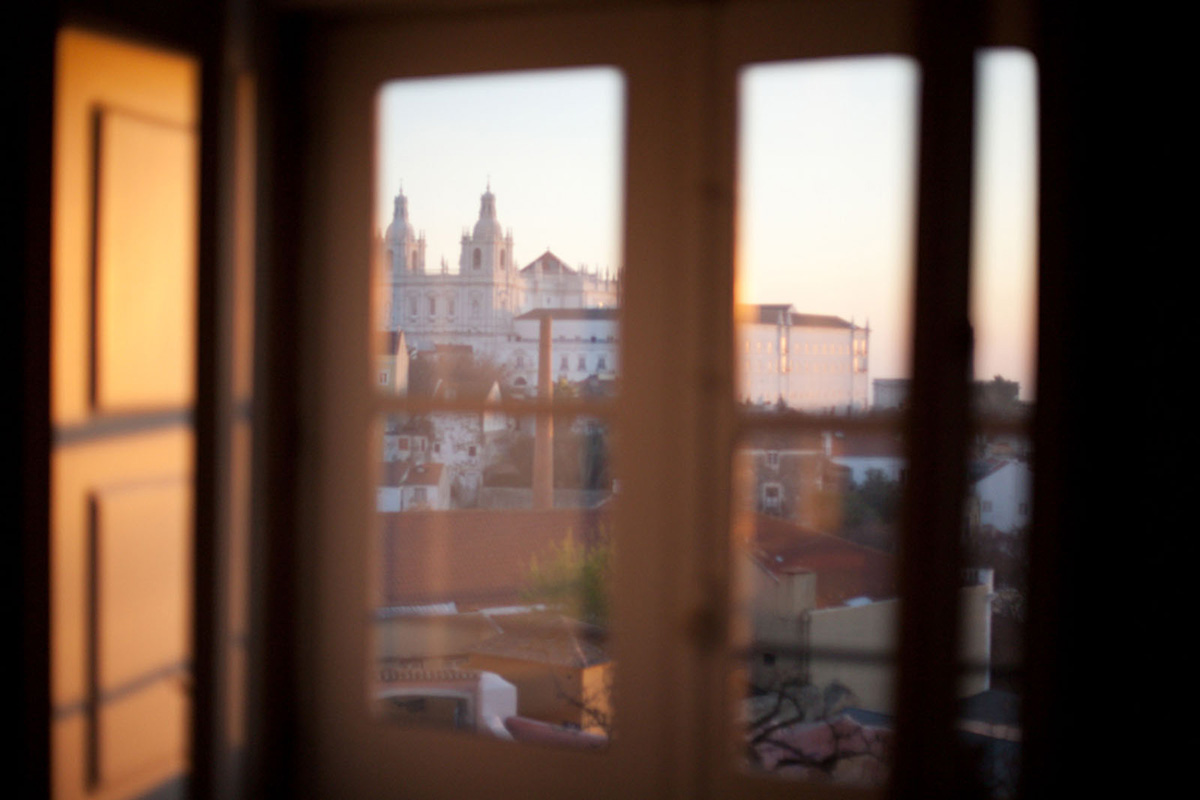
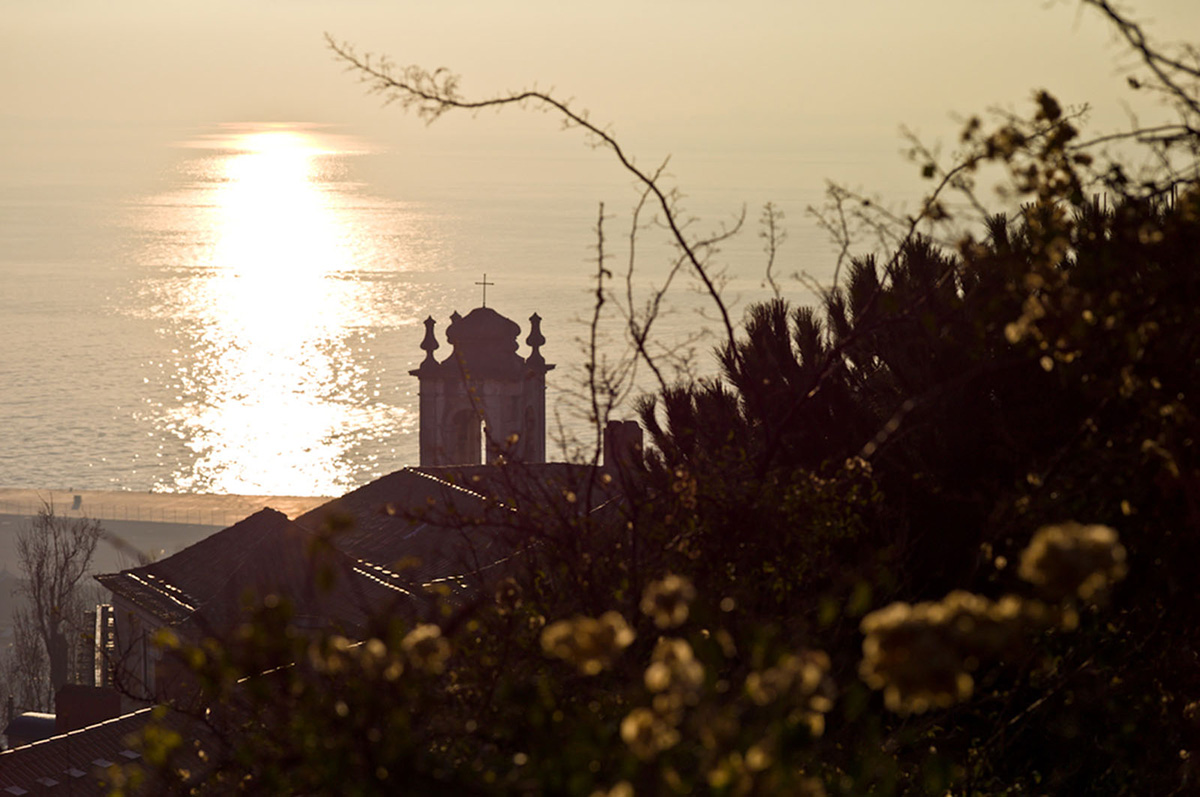
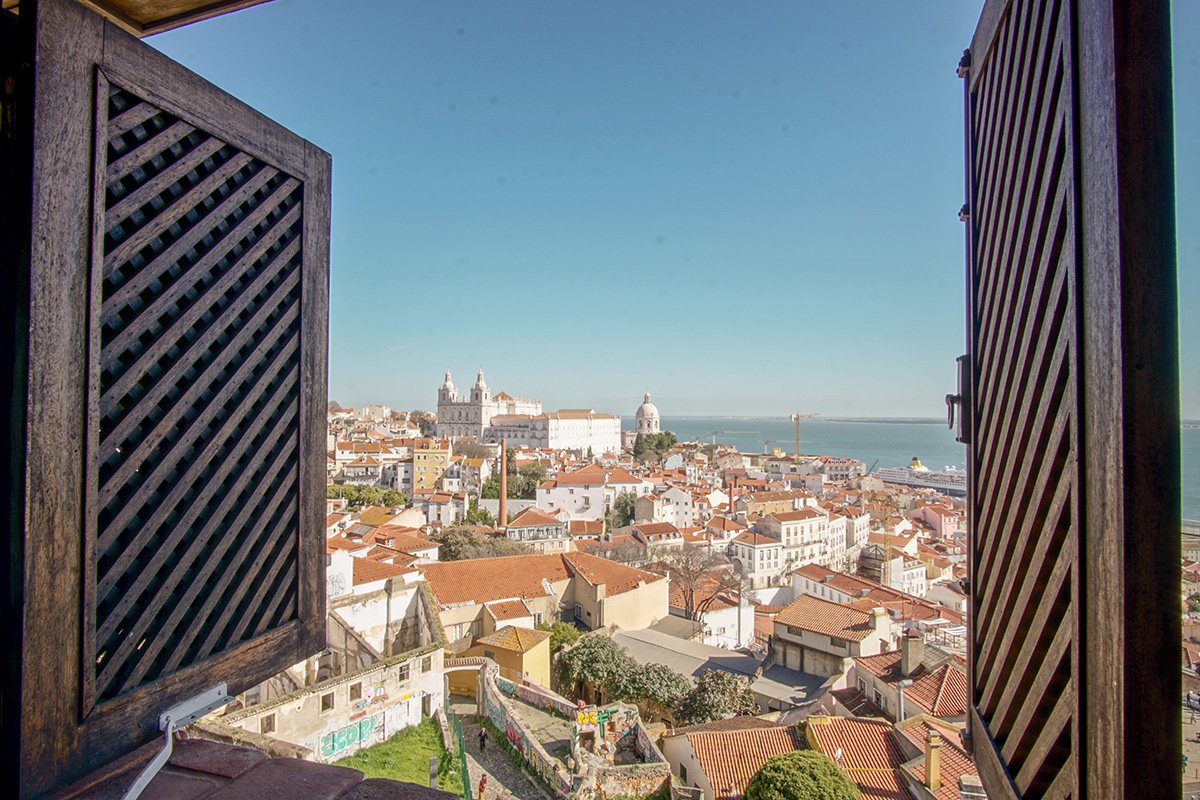
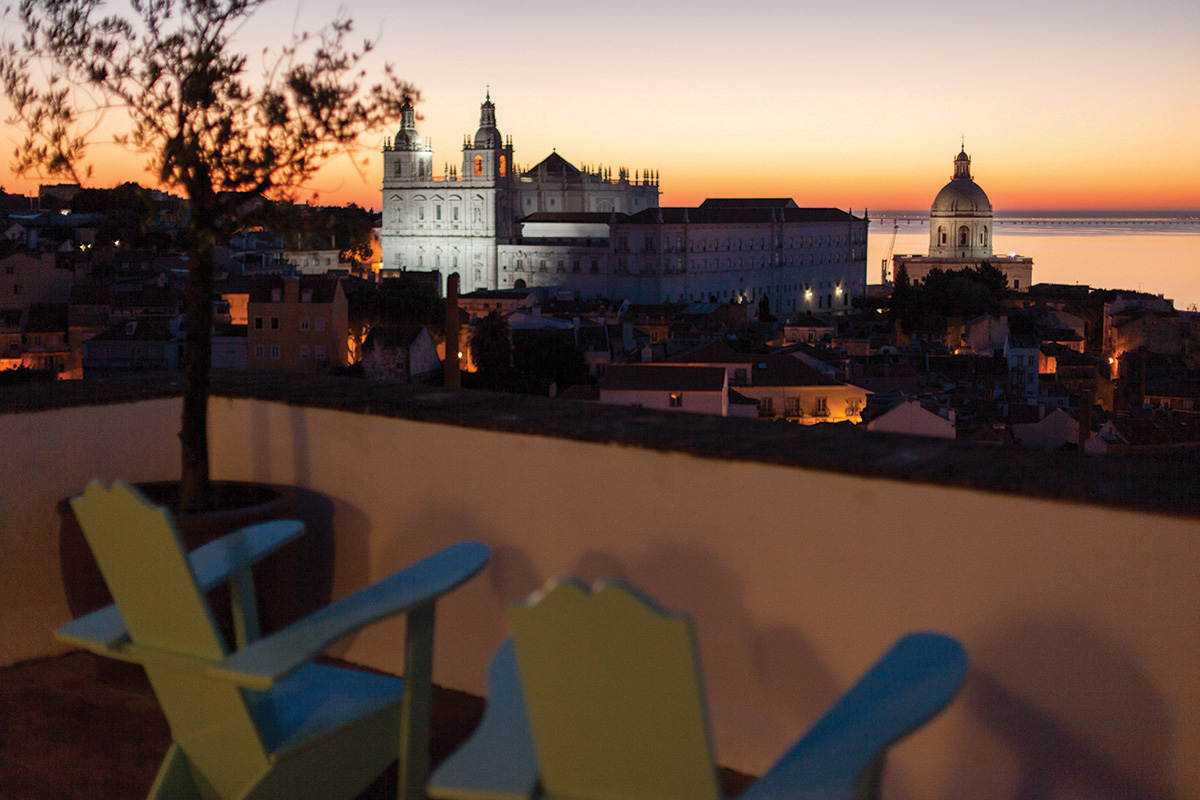
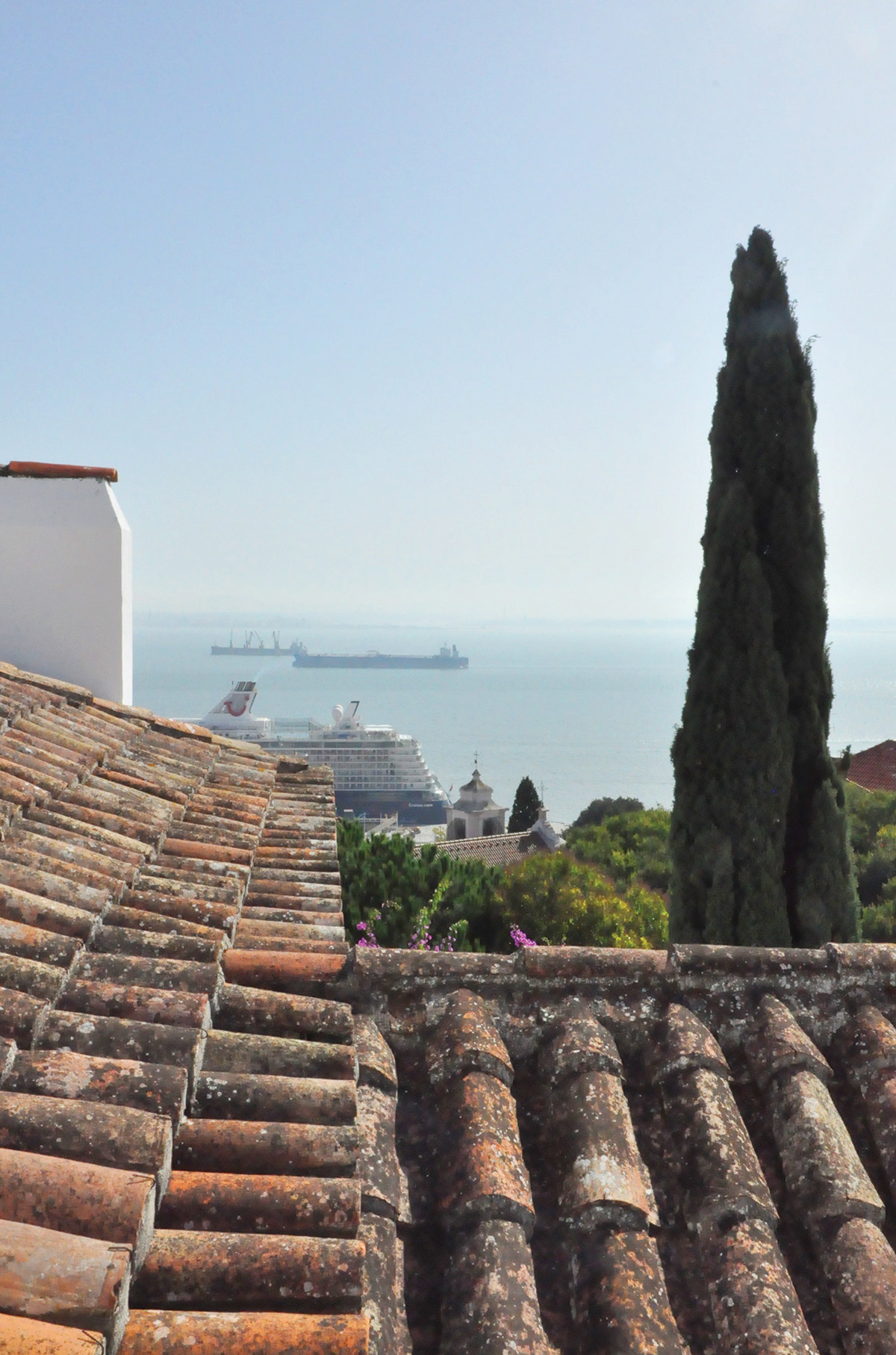
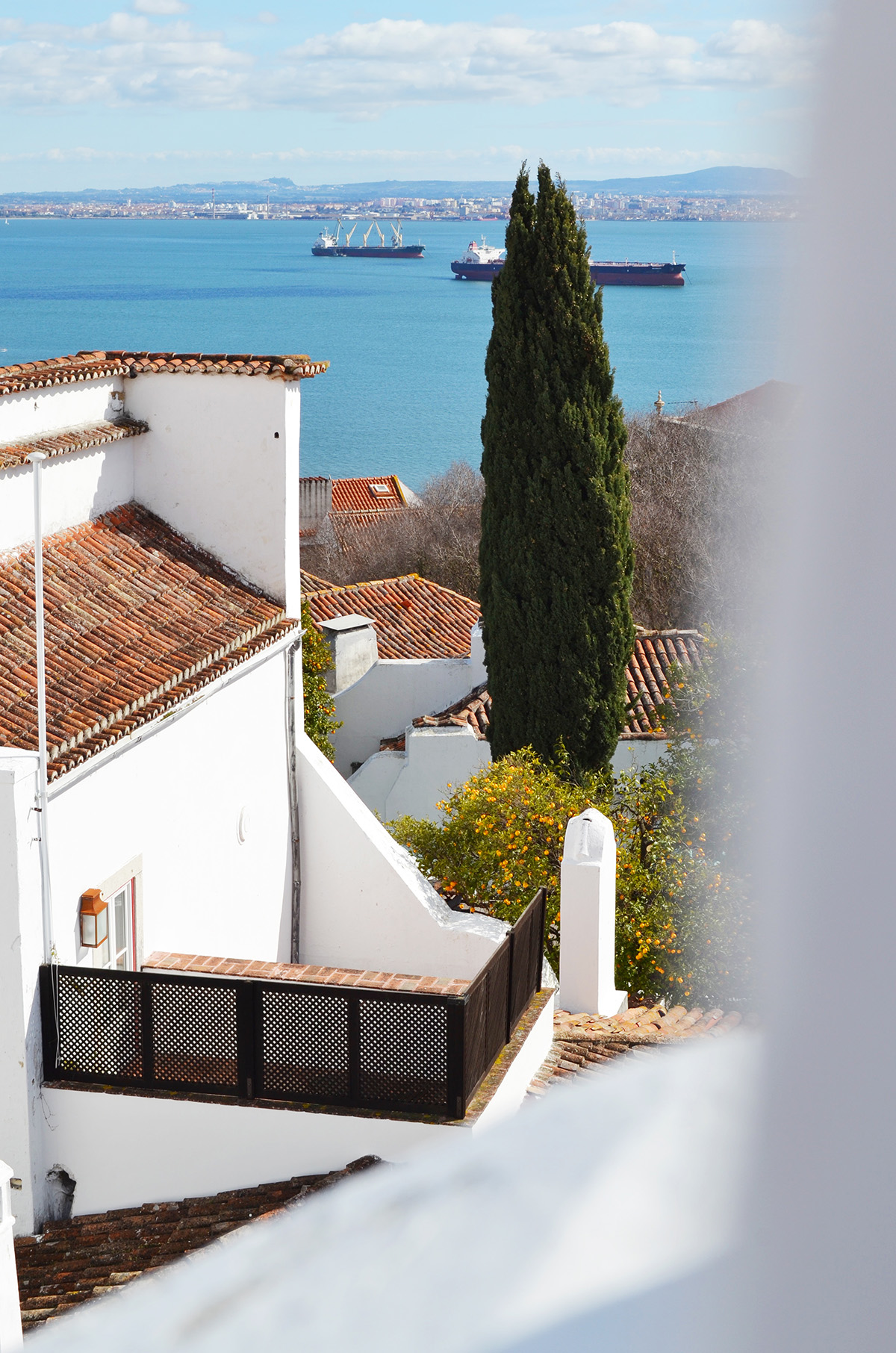
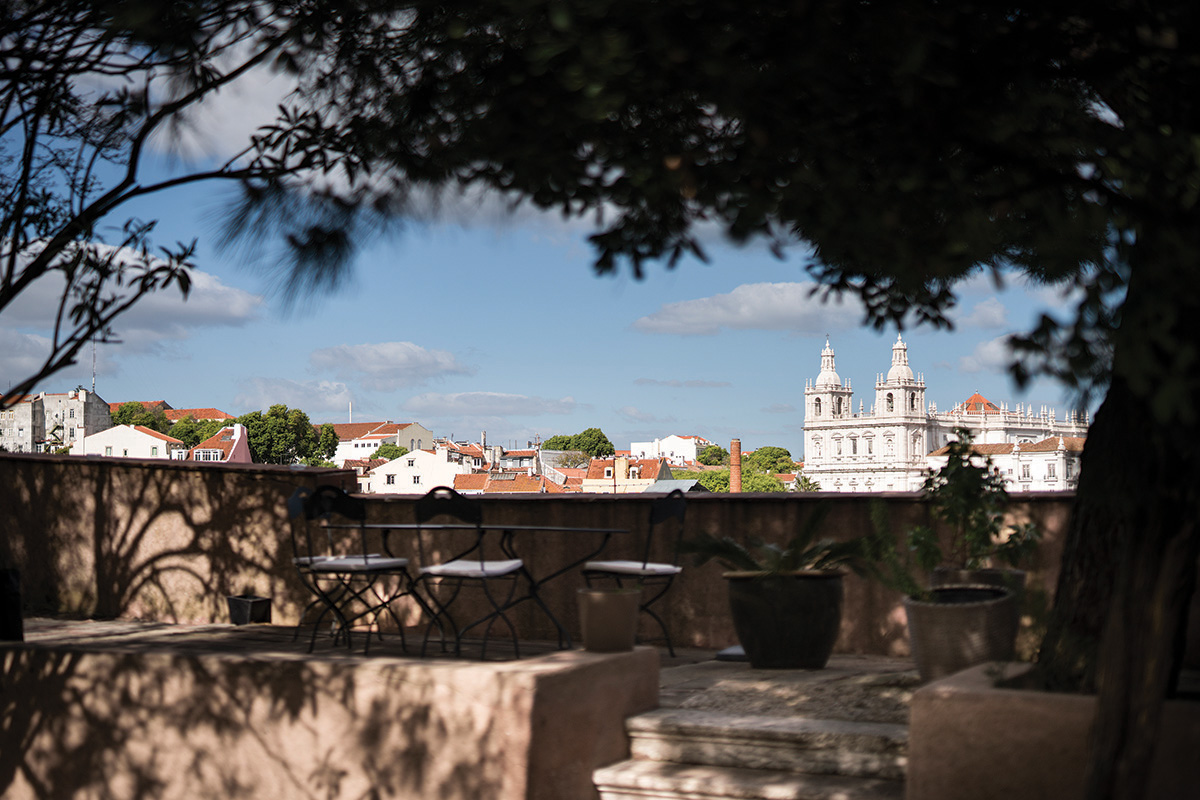
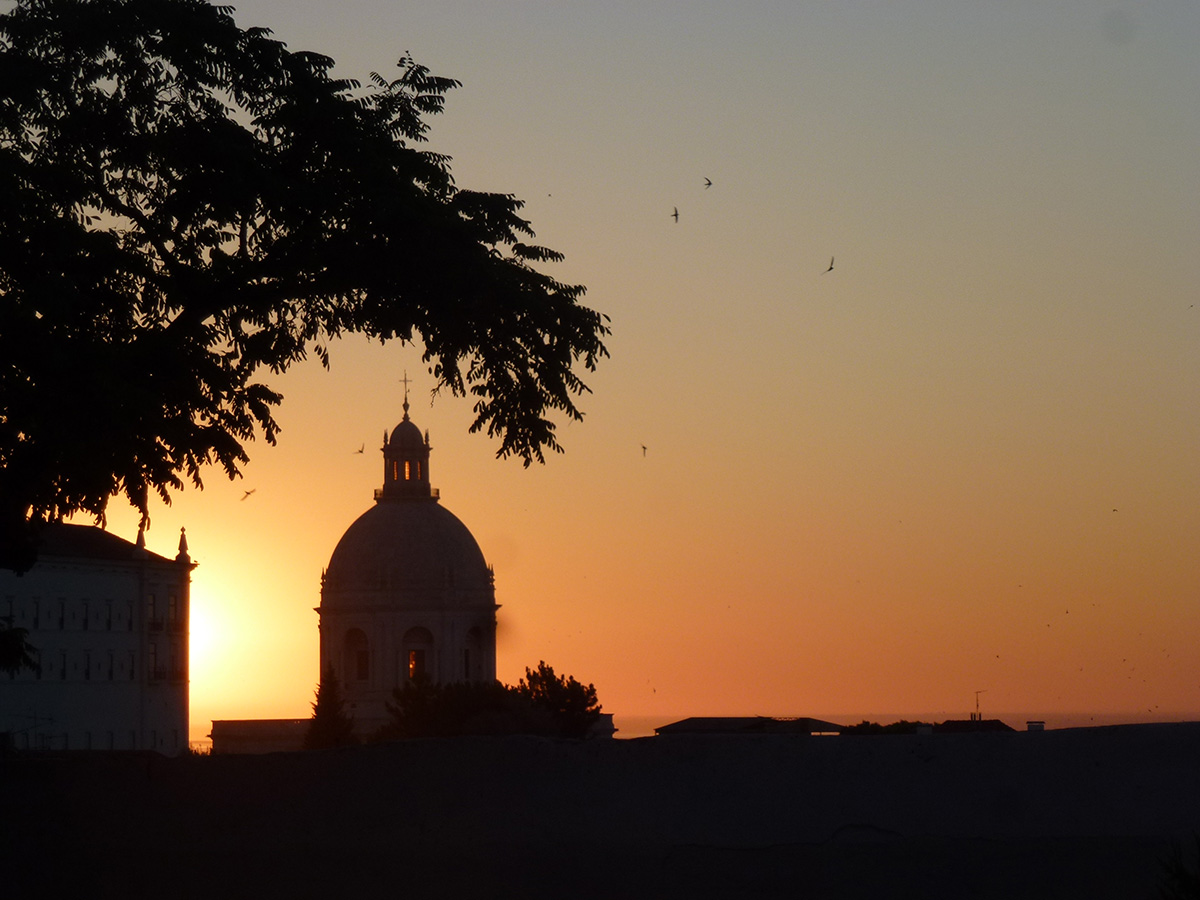
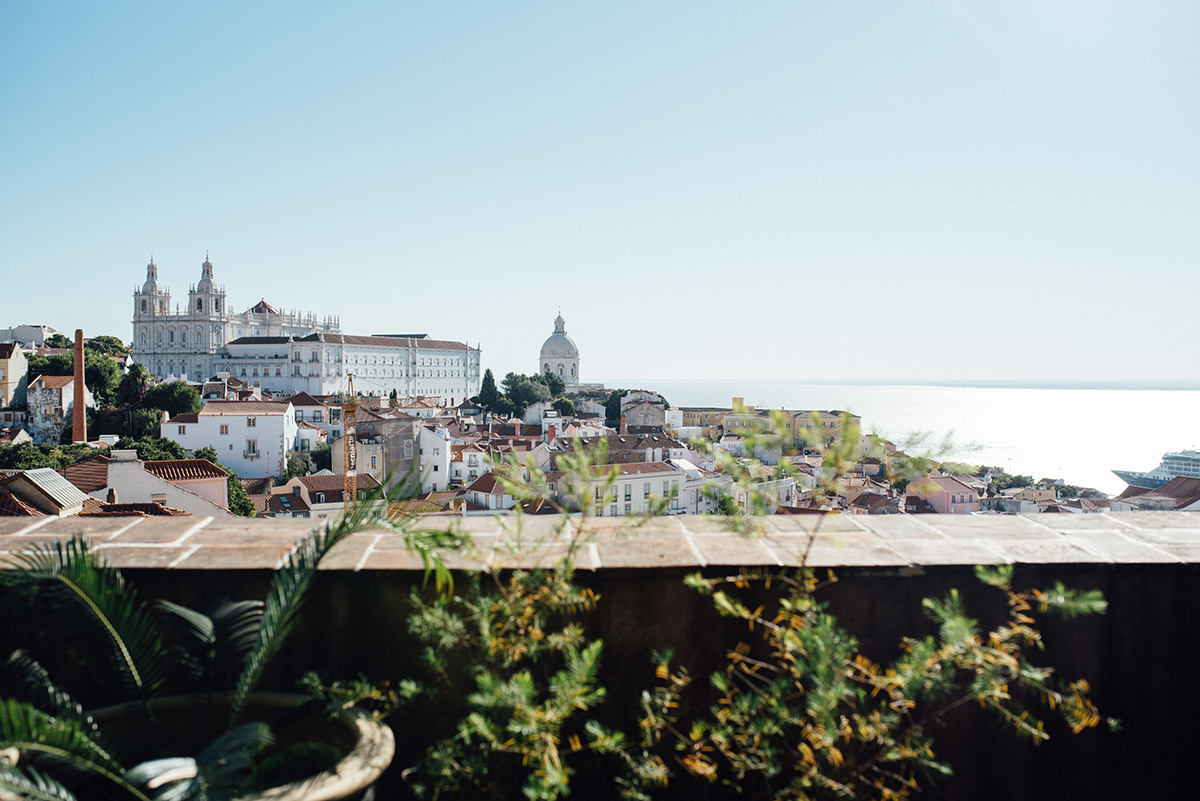
More than a hotel, Palácio Belmonte has long served as a guesthouse and sanctuary for creative minds, thinkers and travellers seeking tranquility in the heart of Lisbon. Positioned high above the historic district of Alfama and just below the iconic São Jorge Castle, the palace has shared over two thousand years of intertwined history with the city, witnessing many of Lisbon’s defining events.
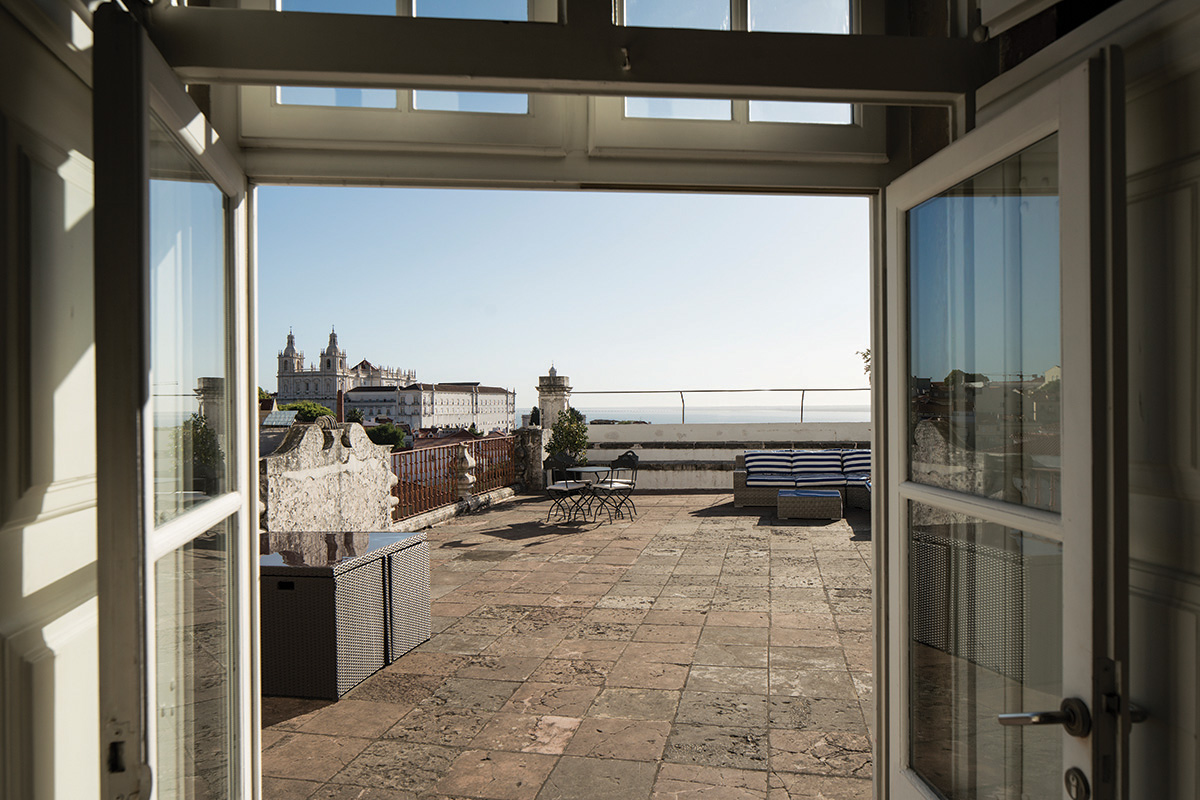
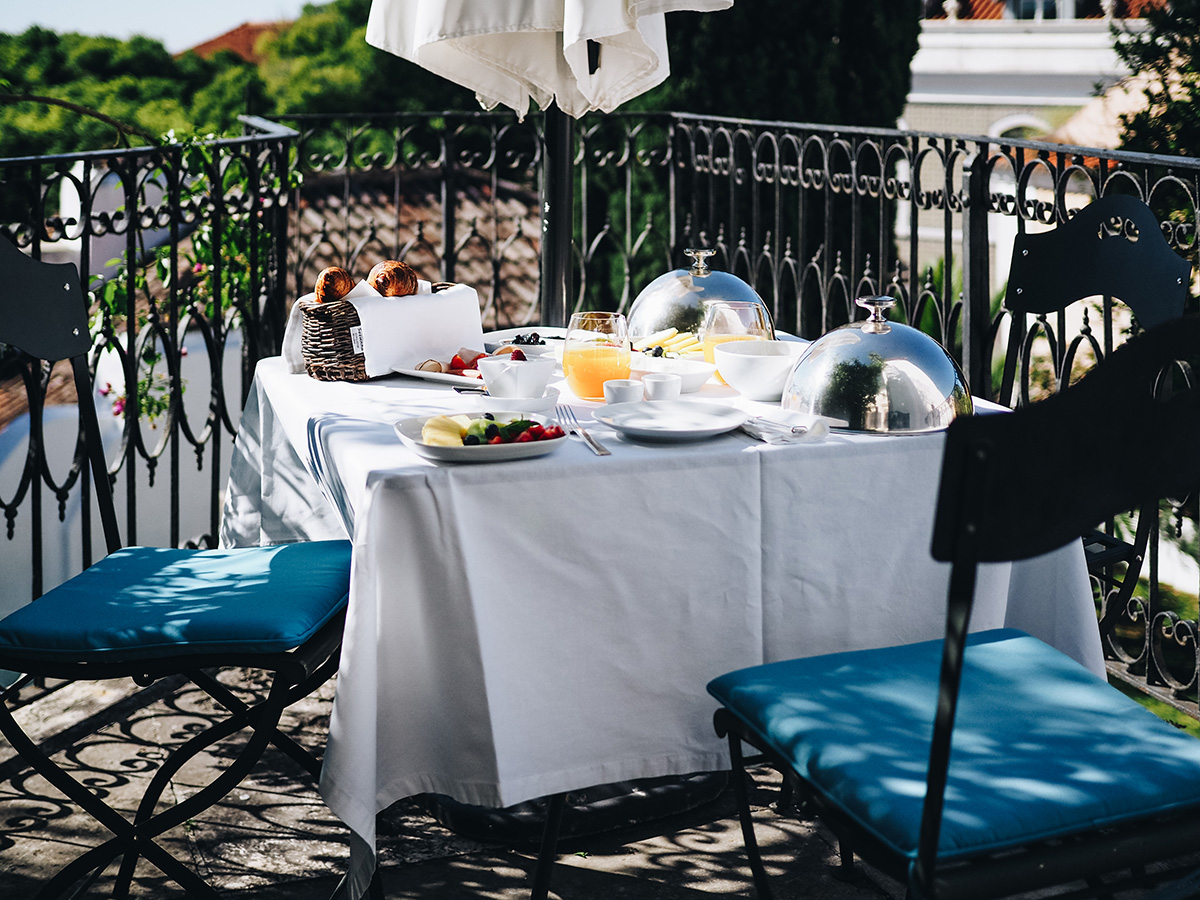
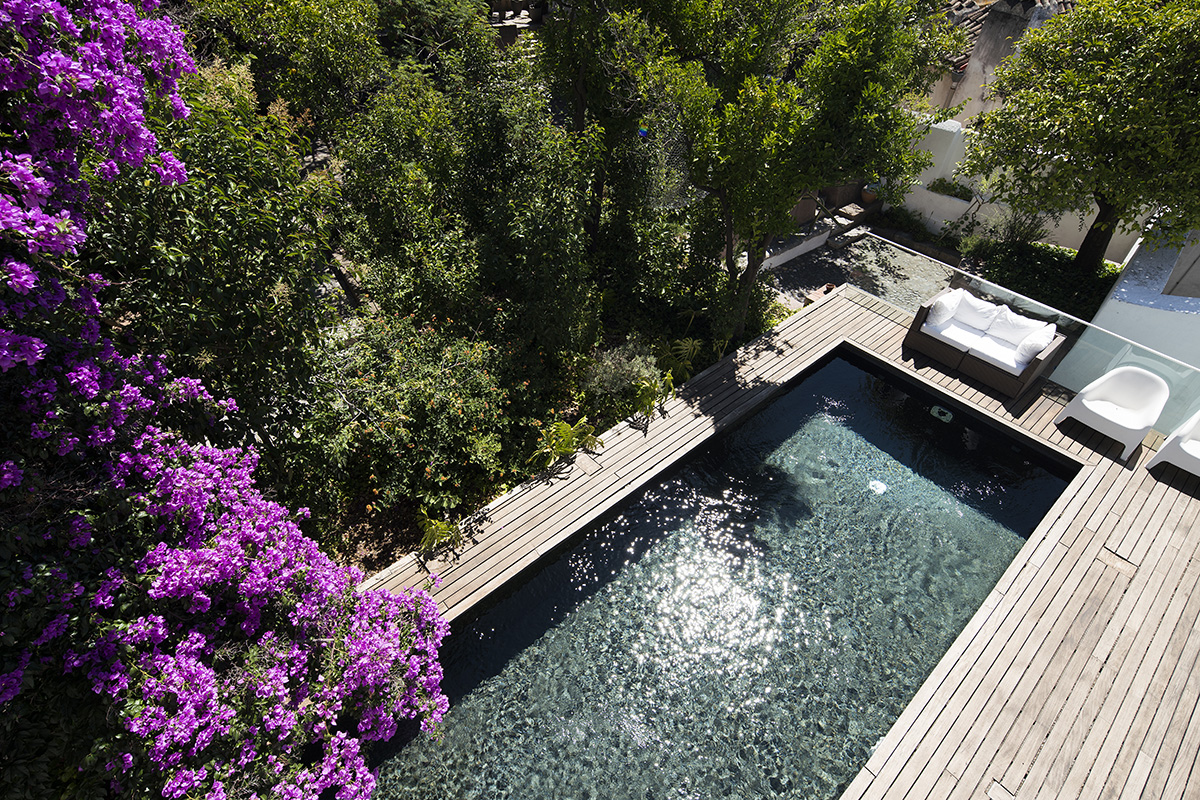
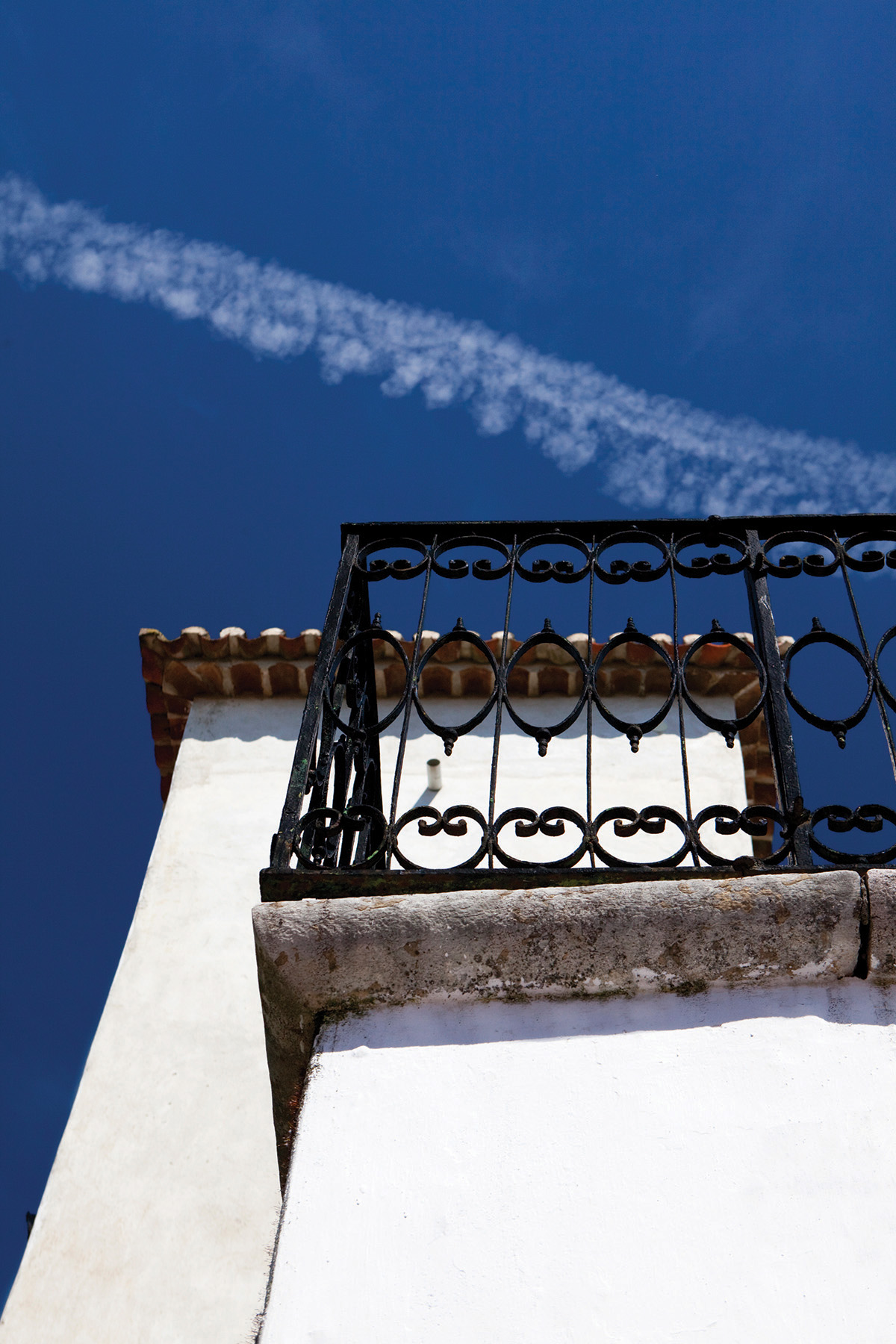
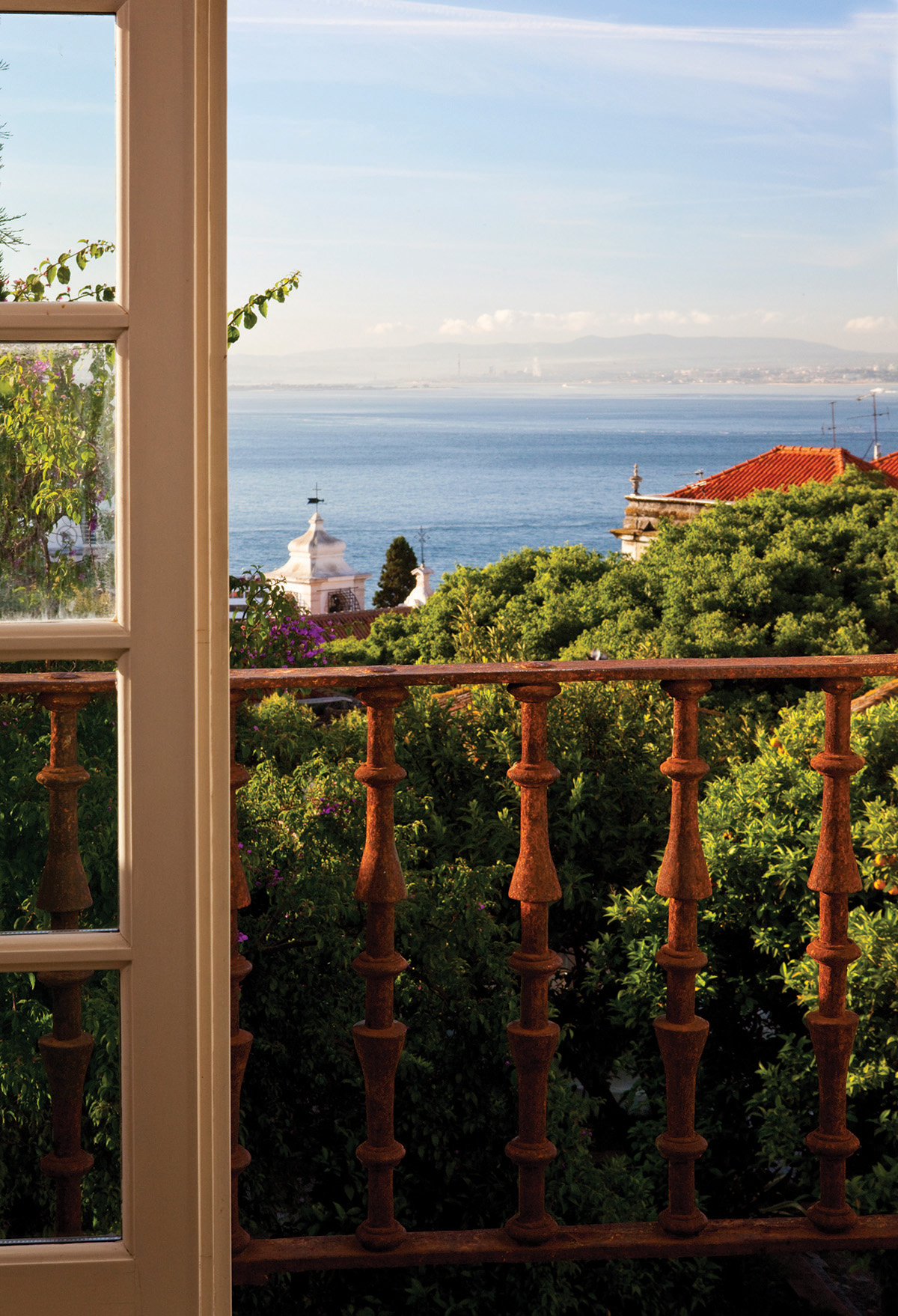
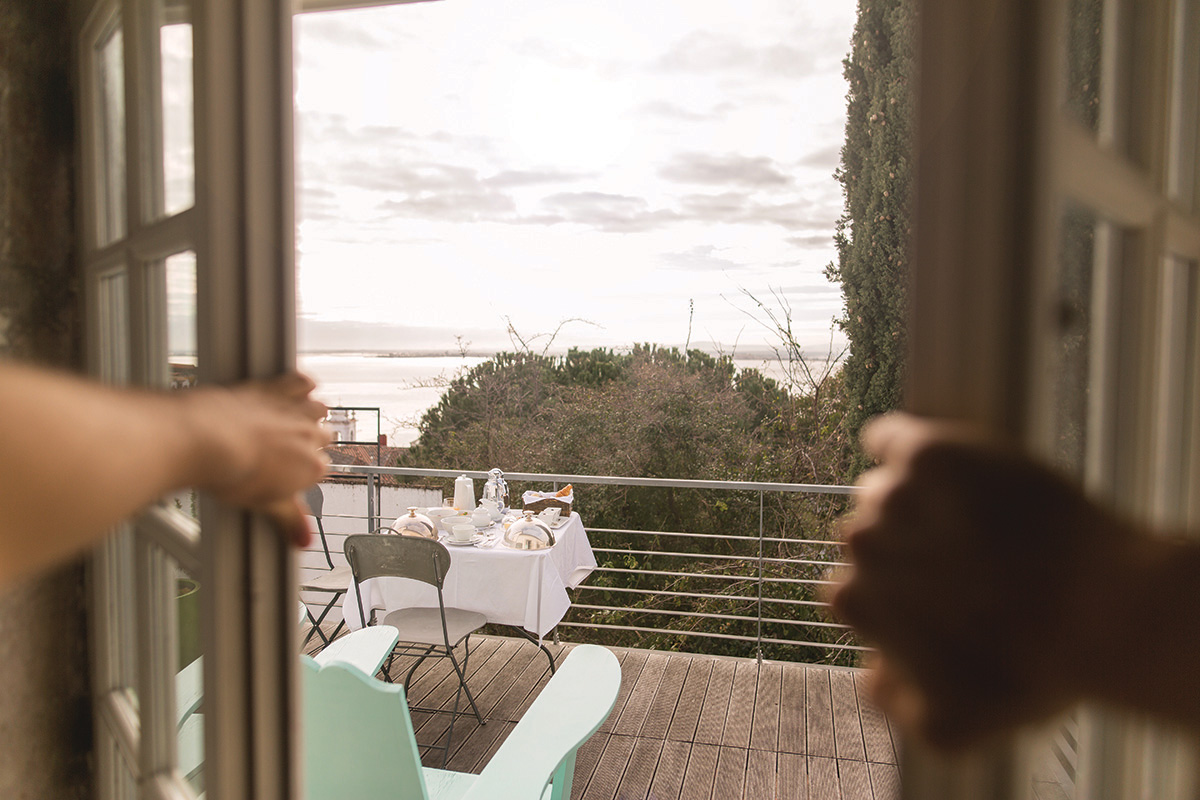
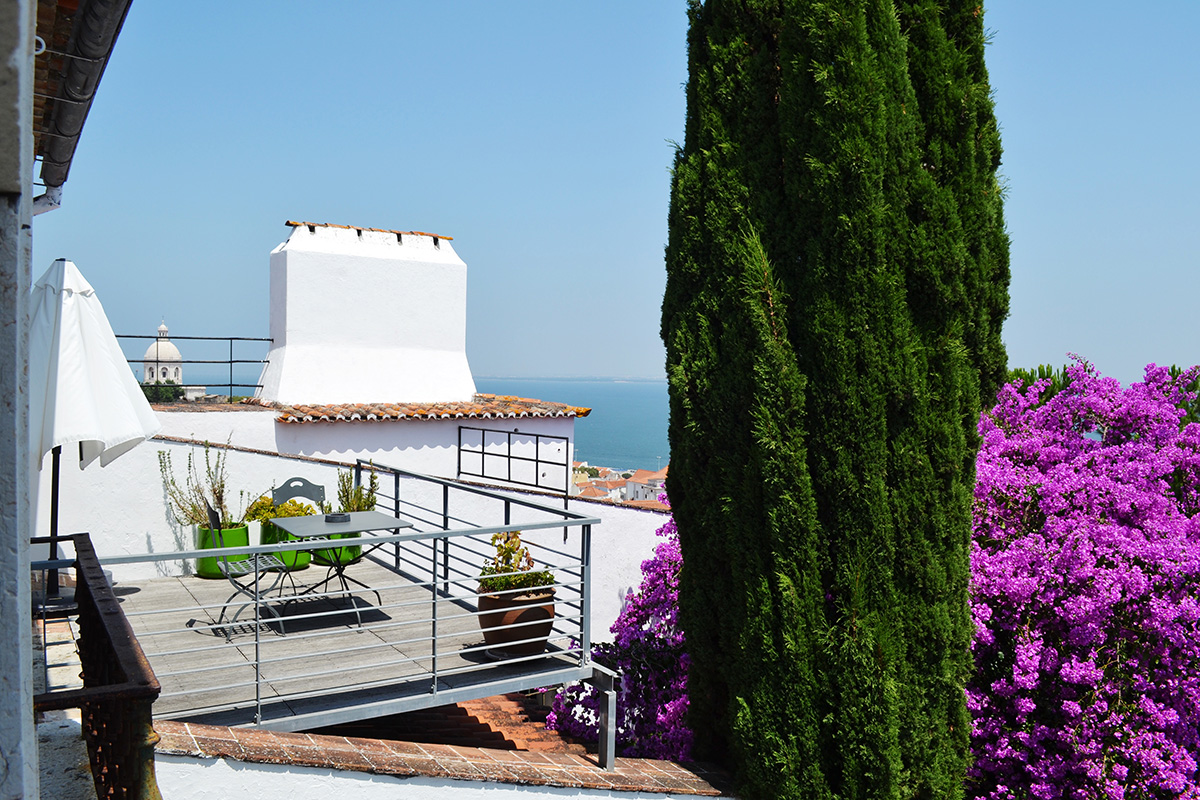
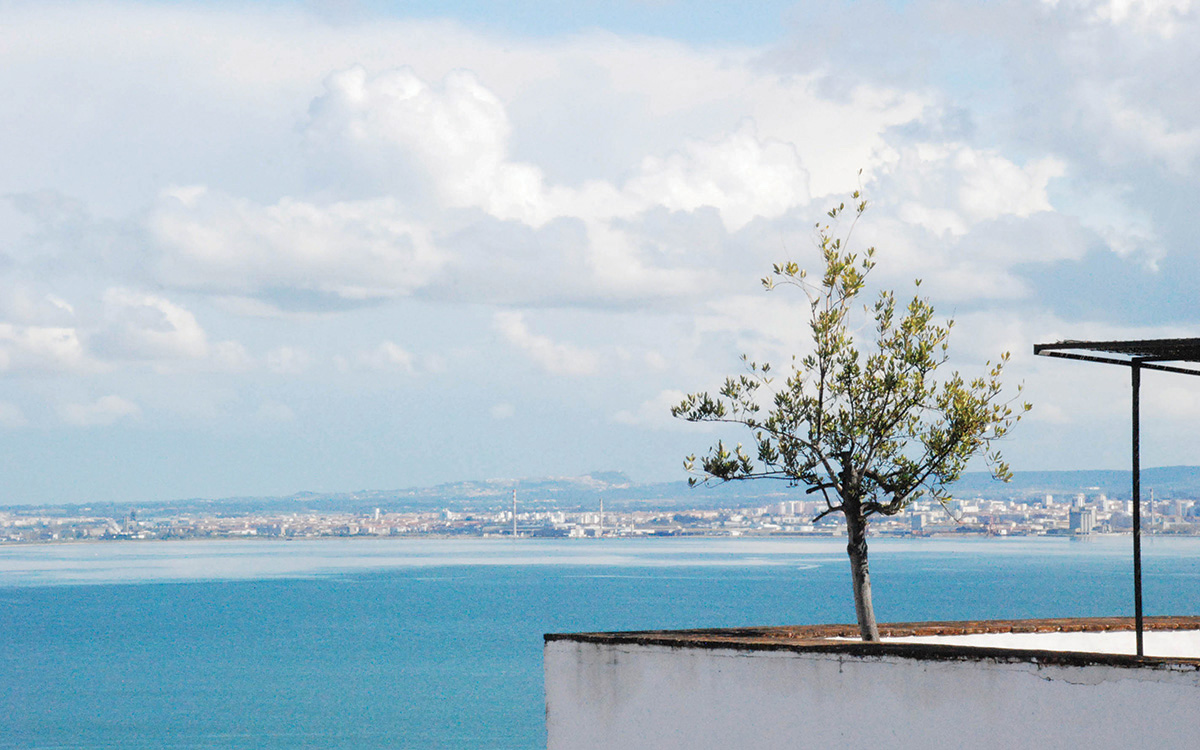
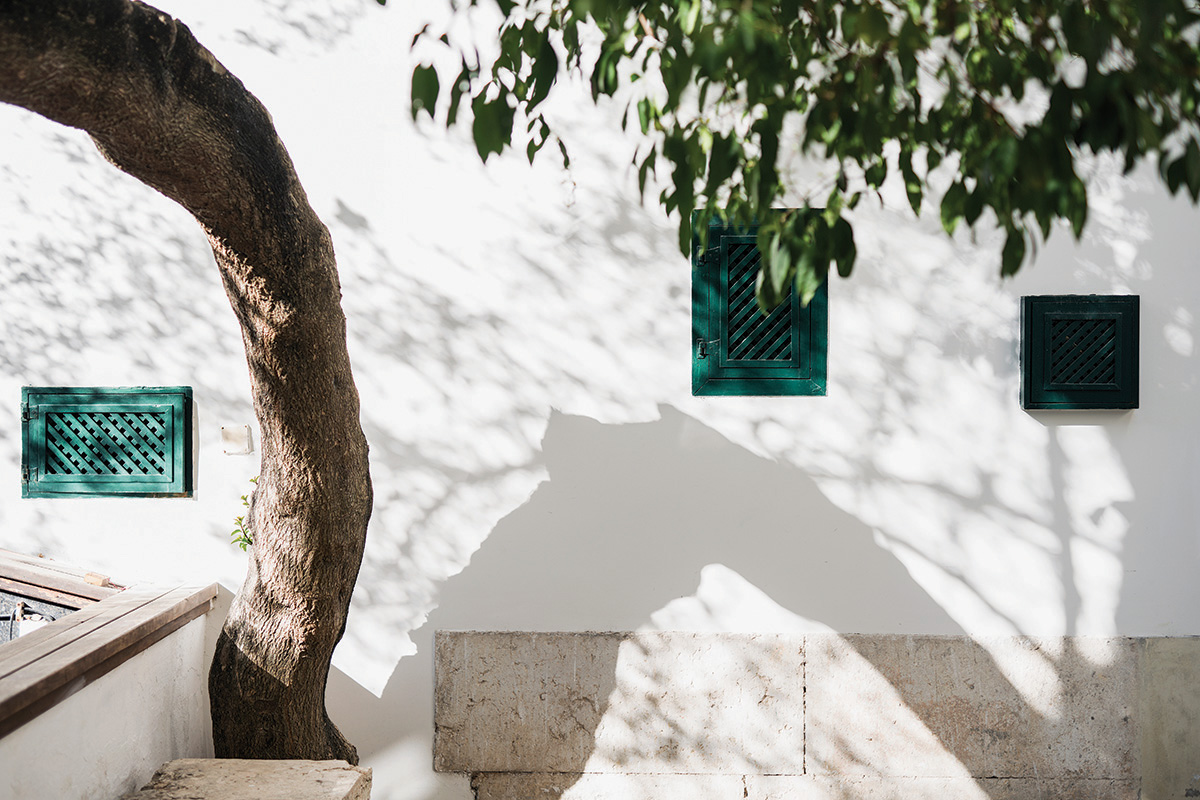
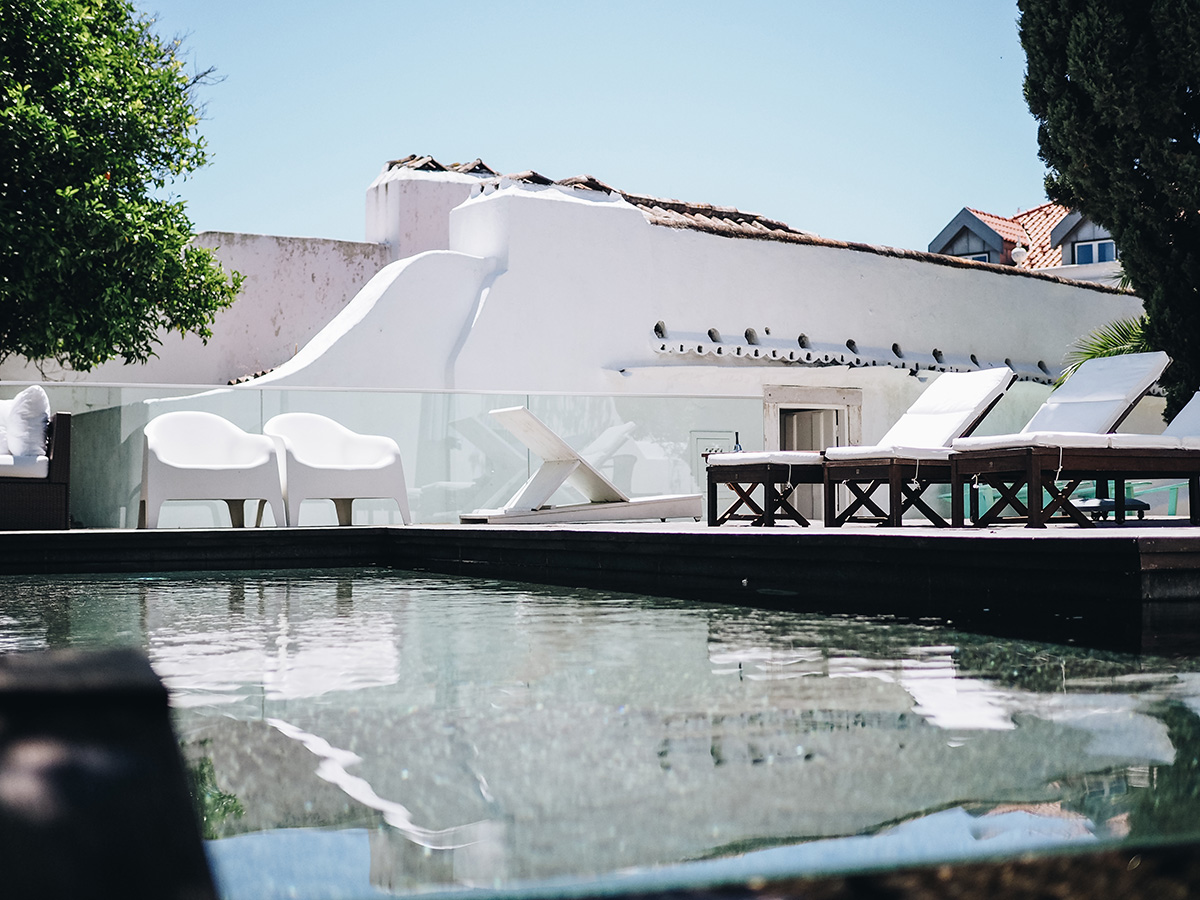
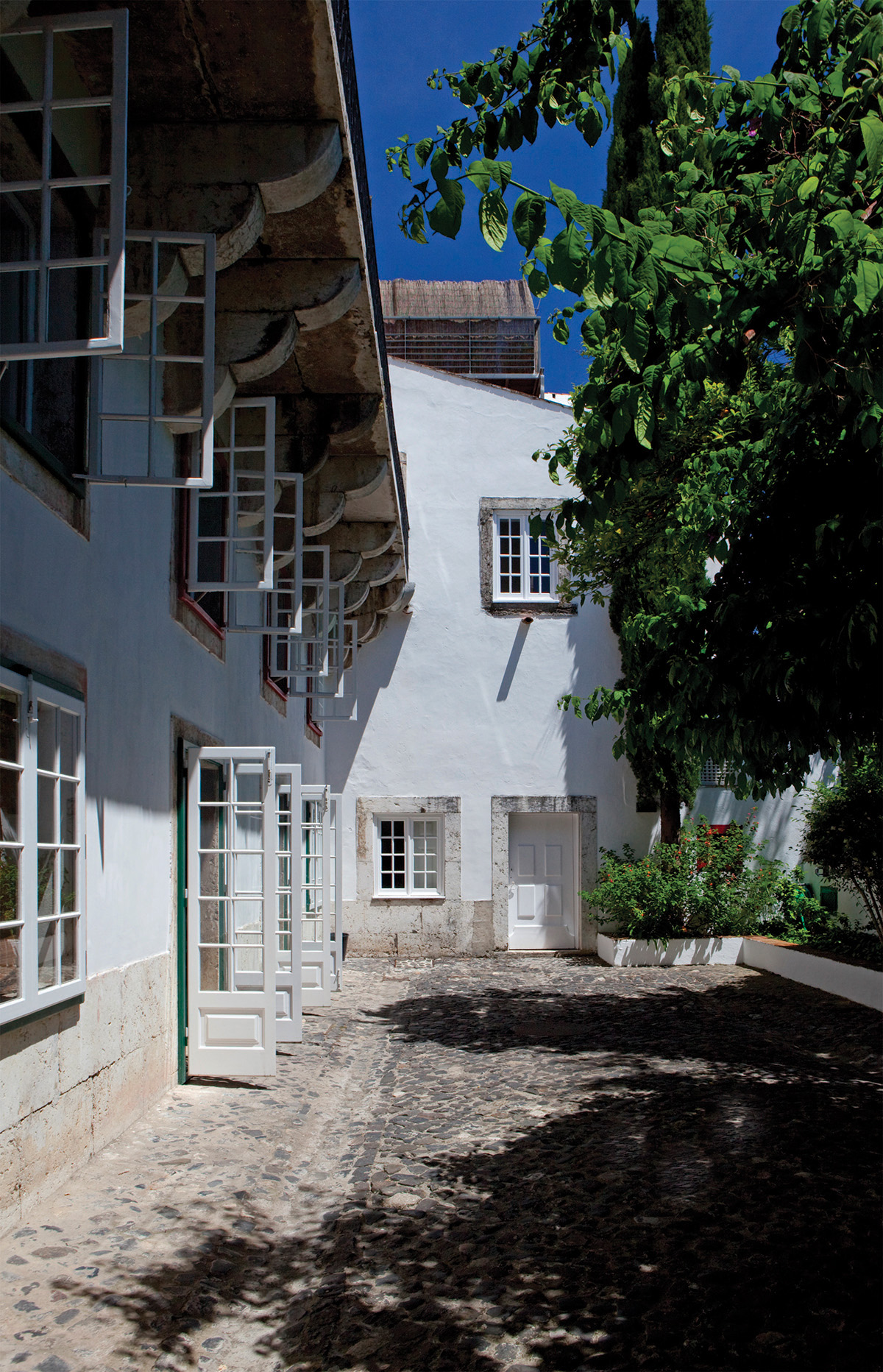
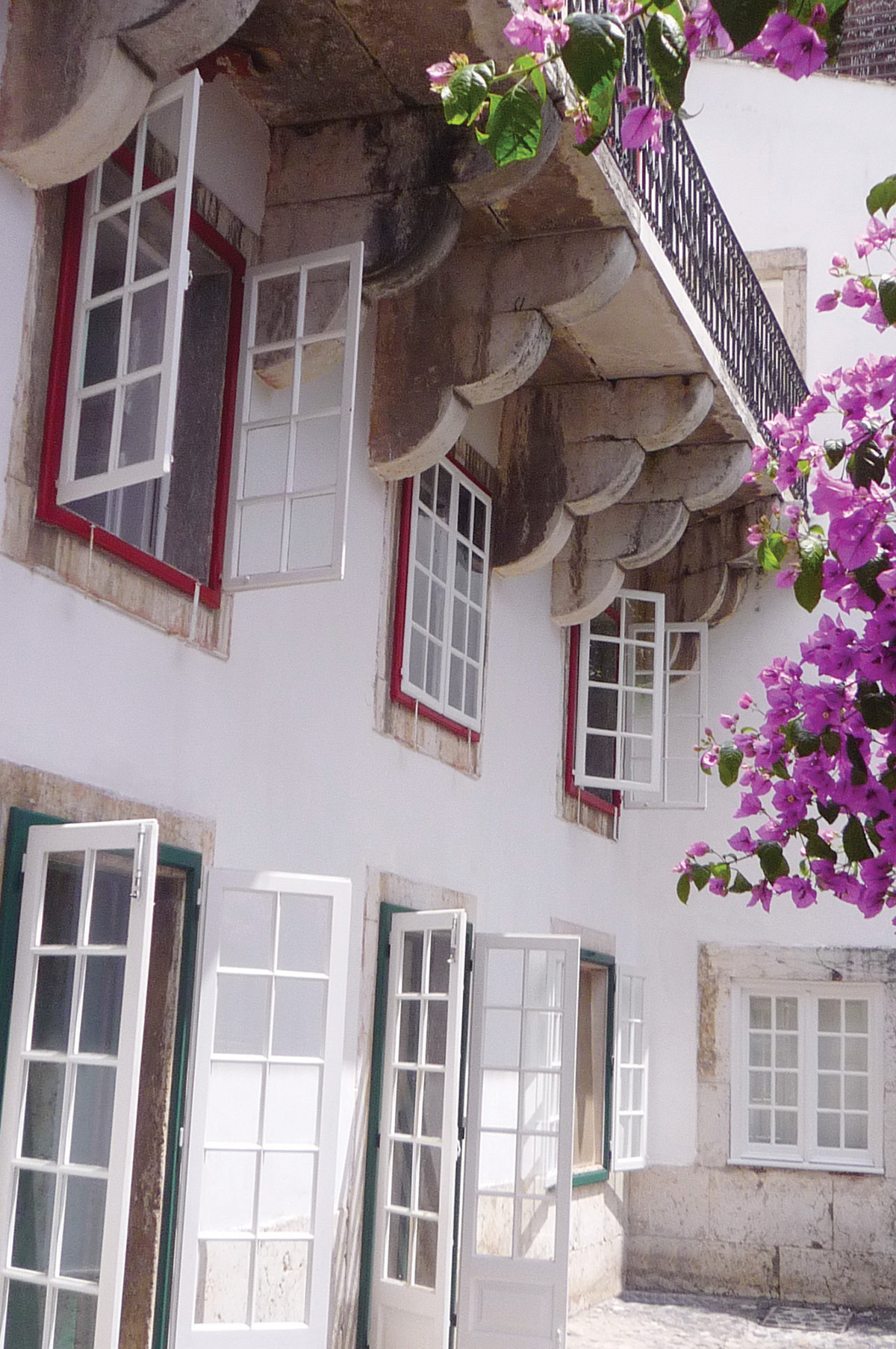
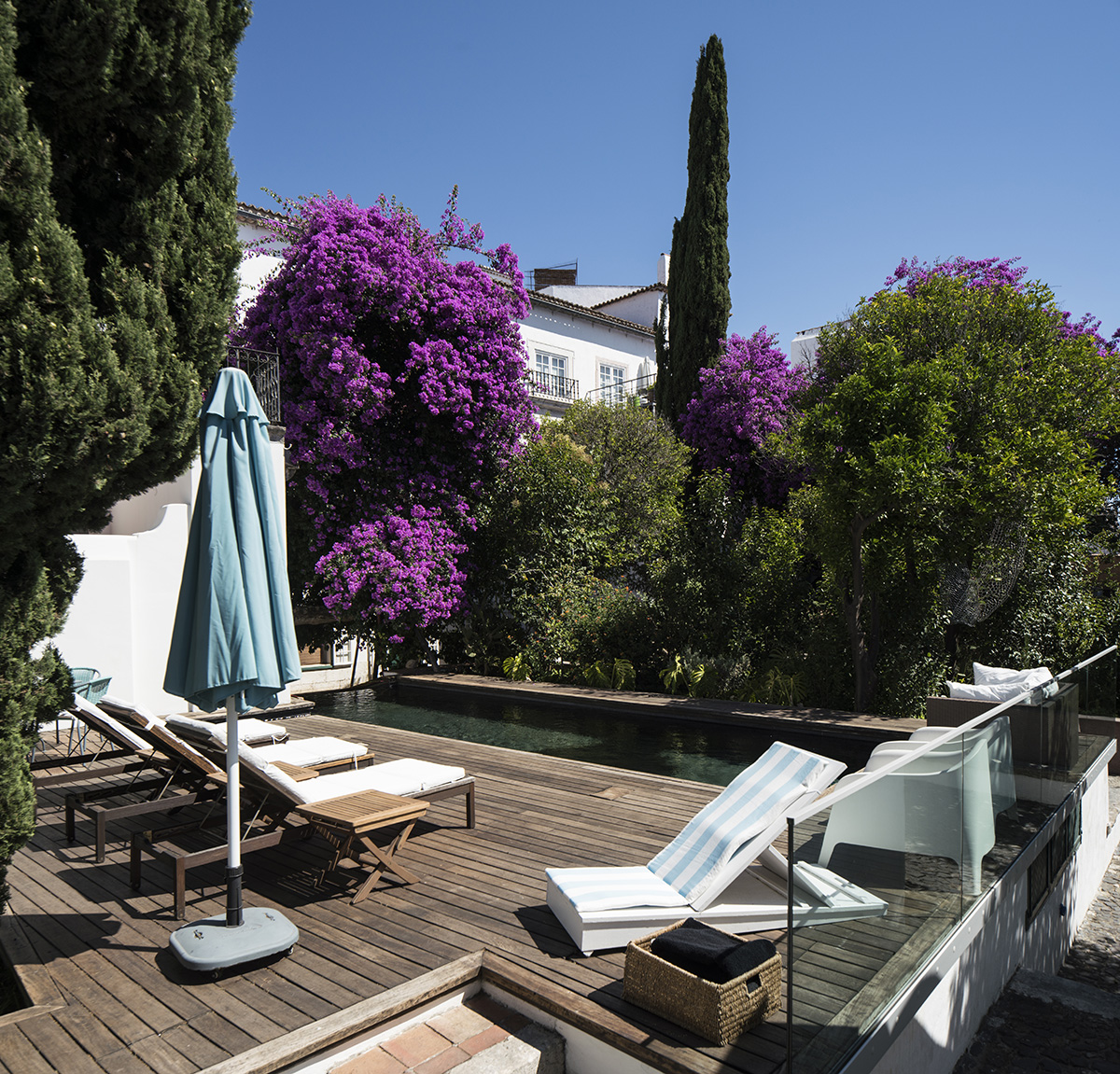
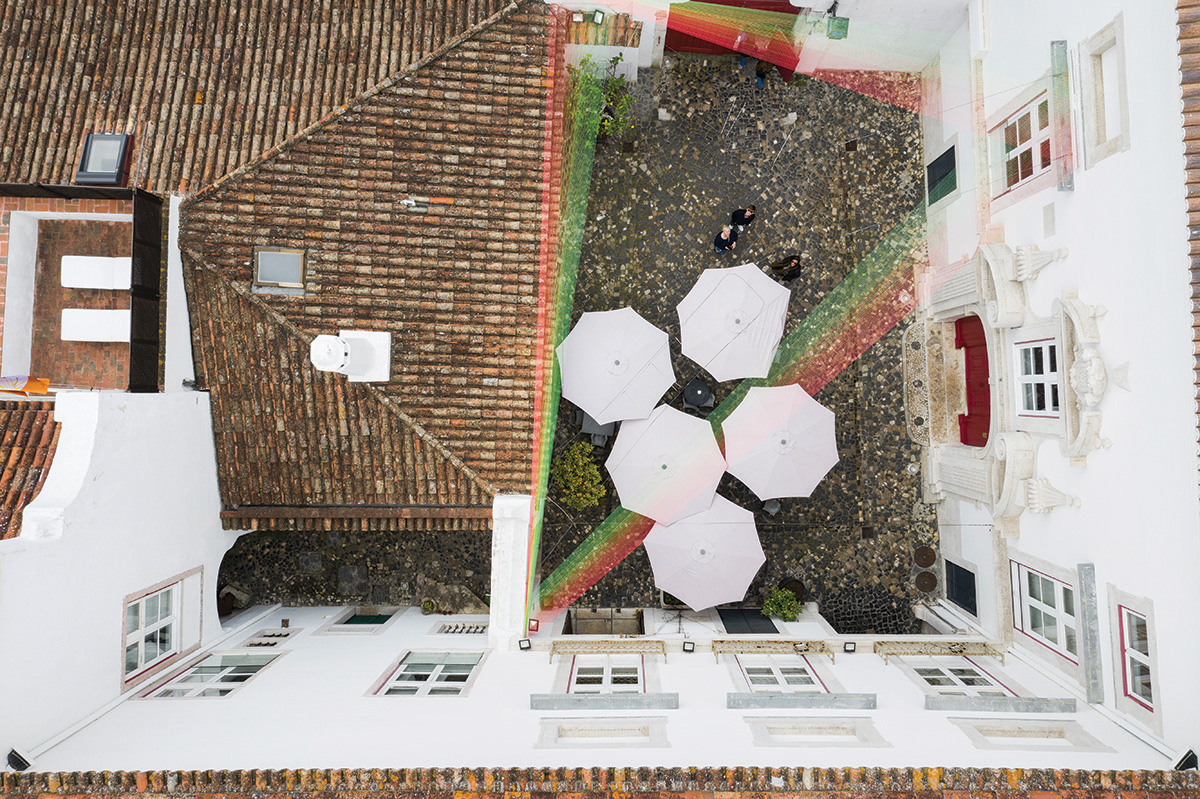
With three hundred and sixty windows and sweeping views in every direction, each vantage point offers a unique lens onto the old world. Within its walls are peaceful patios, natural gardens and quiet terraces. For nineteen years as a private guesthouse, visitors were invited to create their own experience, timeless, personal and entirely their own.
brief history
the nobel house
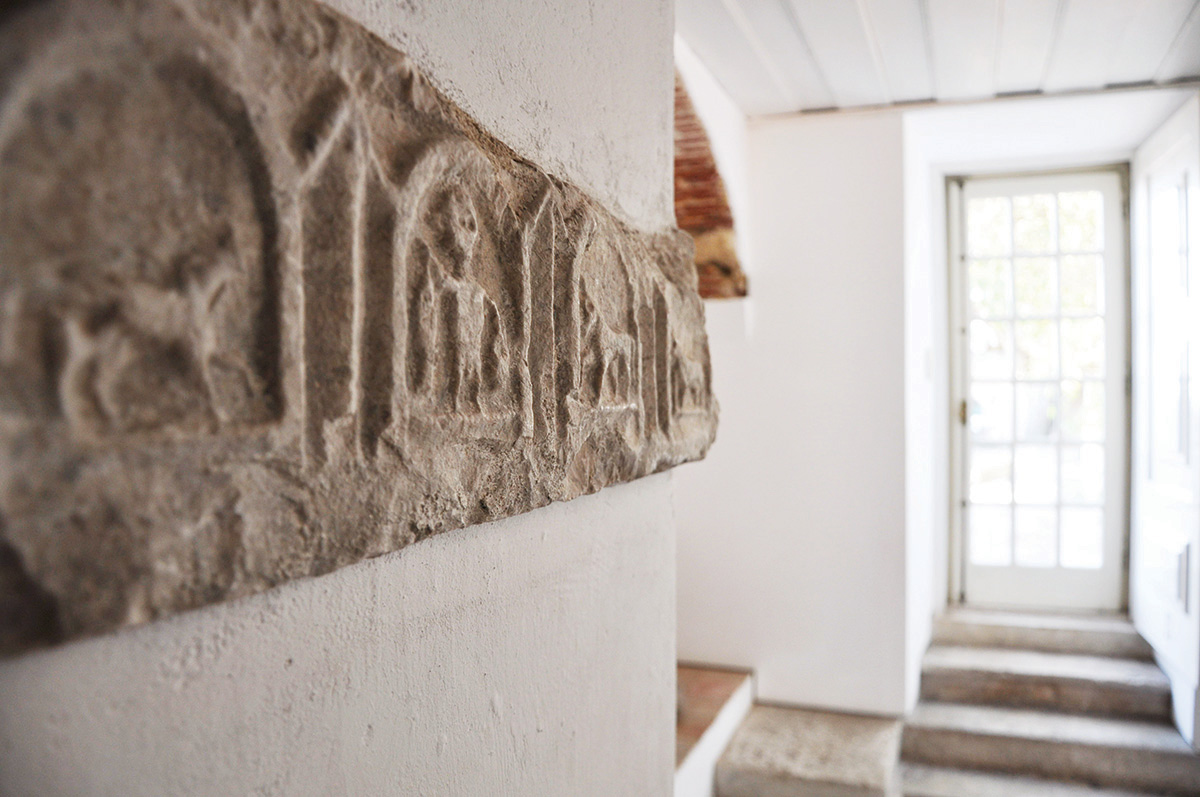
The earliest section of Palácio Belmonte was constructed in 1449 atop the ancient fortified Roman and Moorish walls known as the Cerca do Alcáçova and the Cerca Moura. This development united three existing towers: a rectangular keep at the western end, a northern corner tower built upon Roman foundations and a seventh century pentagonal Moorish tower to the west, set on a forty metre high rock and forming an integral part of the Cerca Moura.
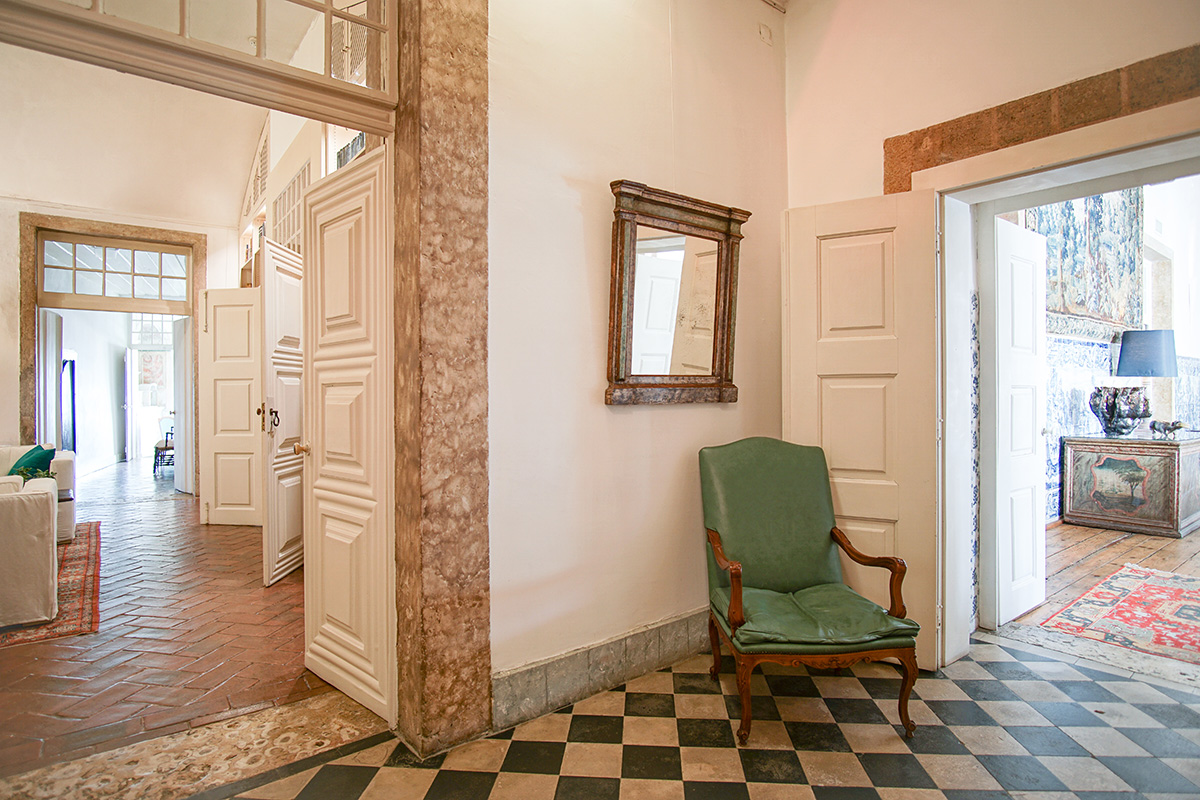
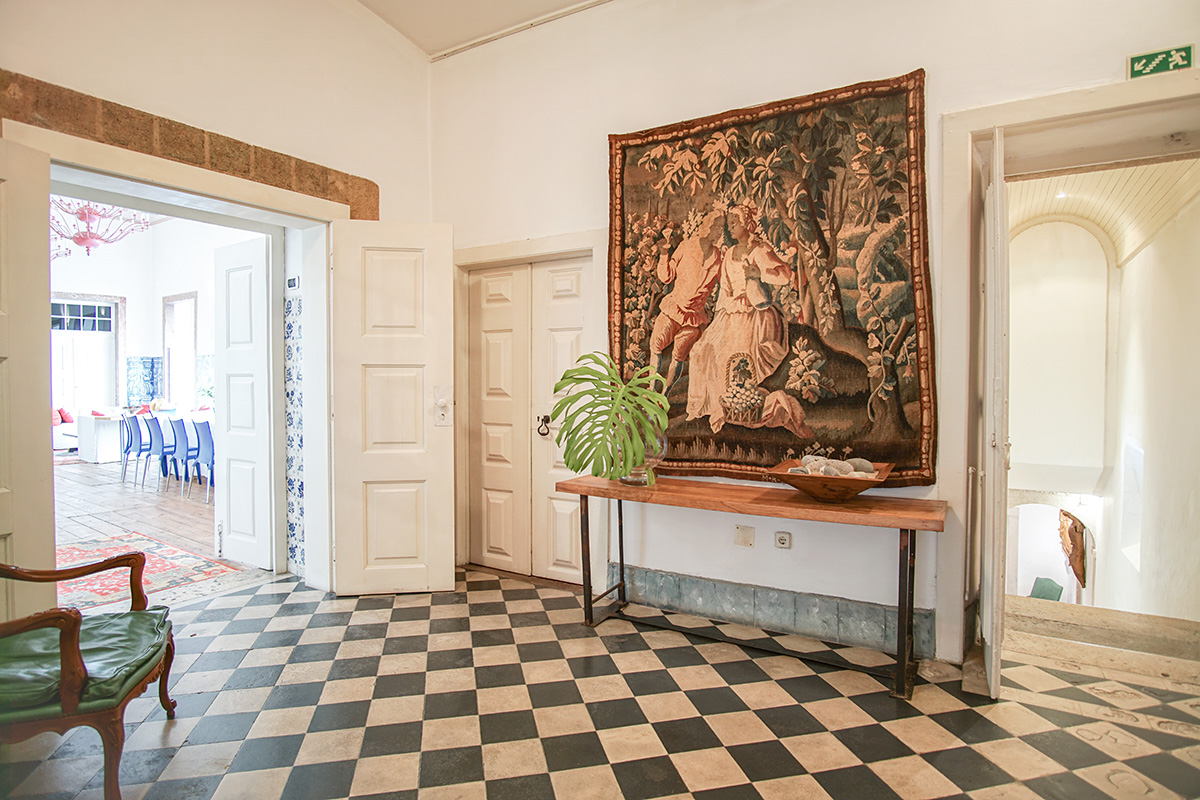
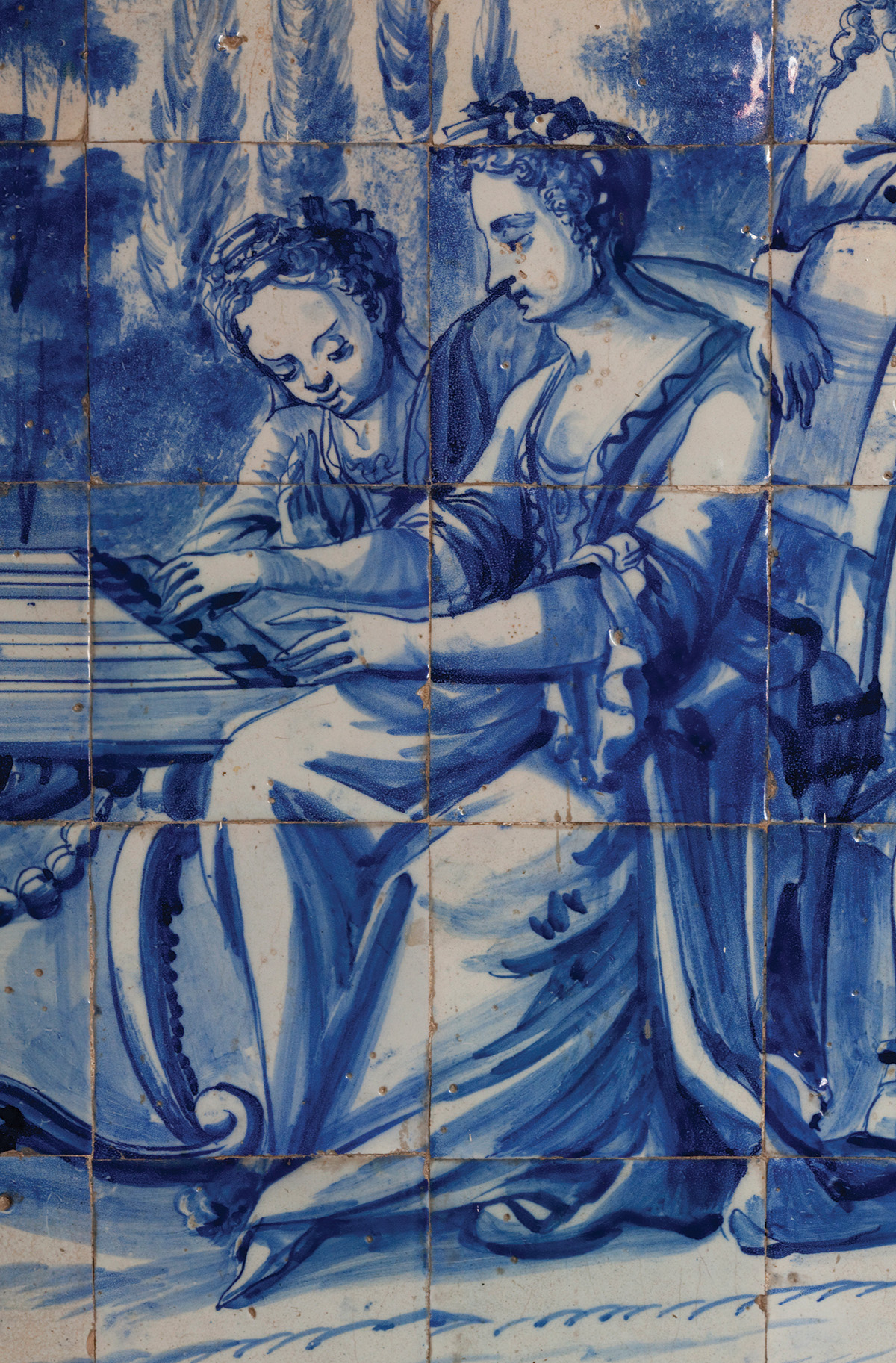
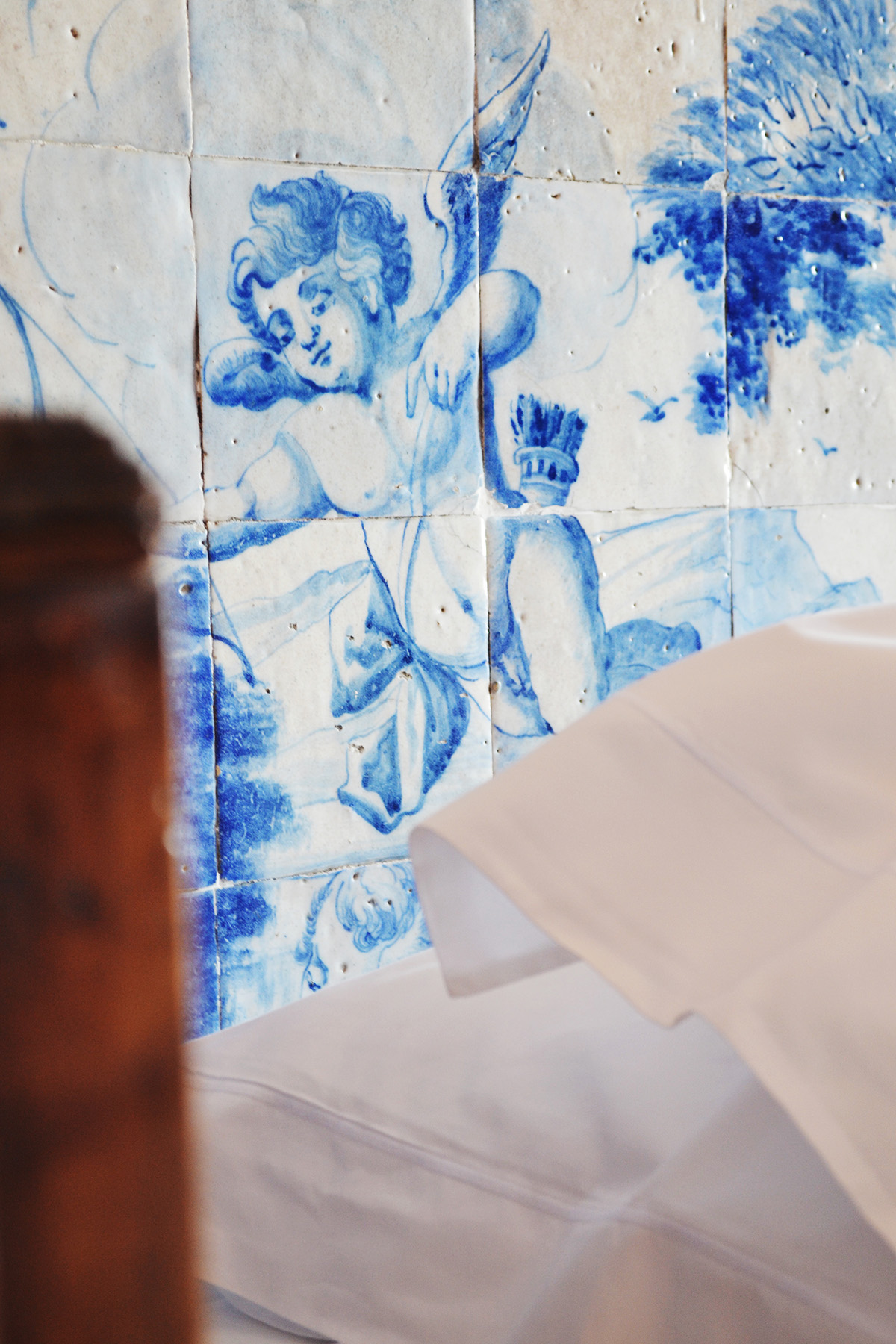
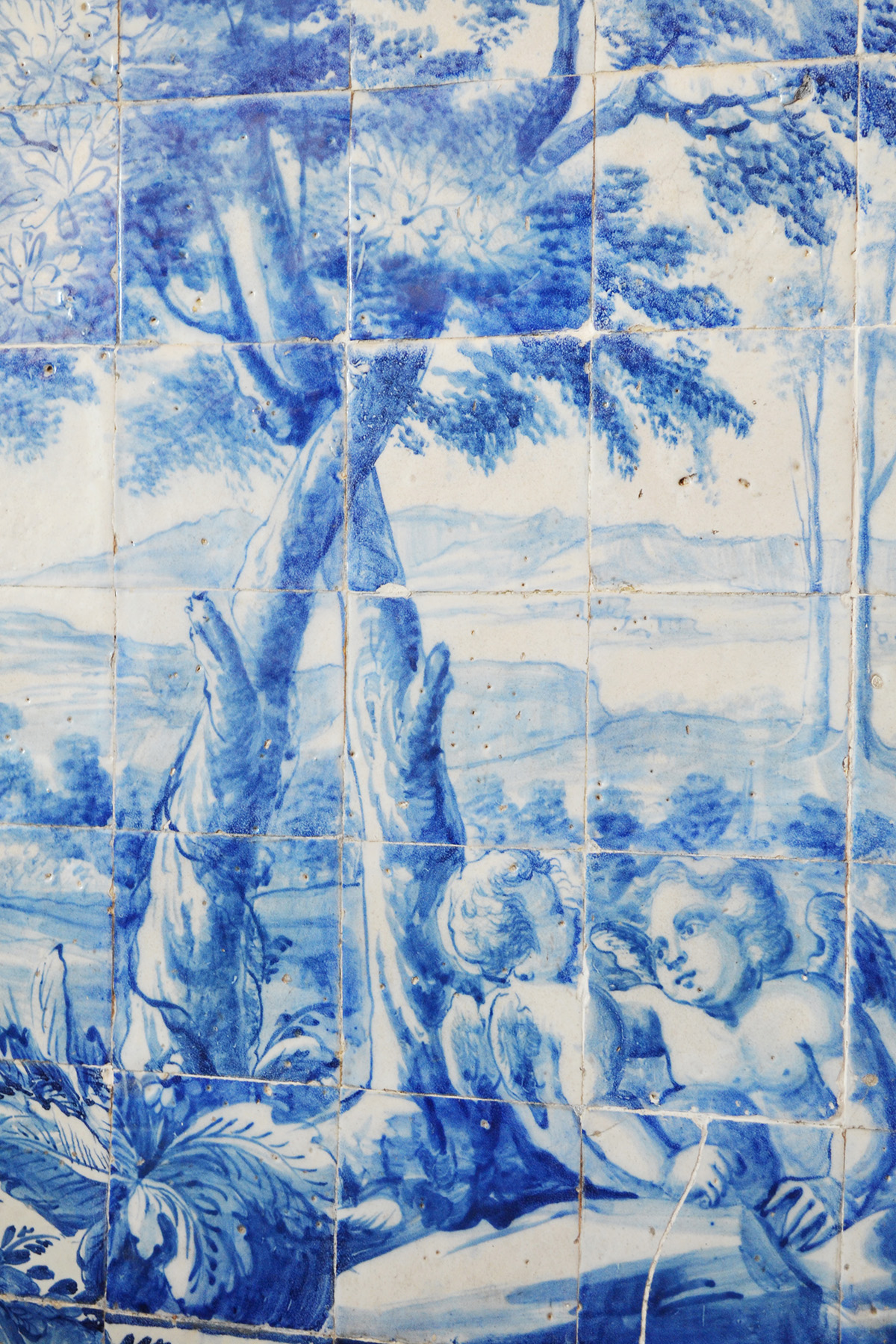
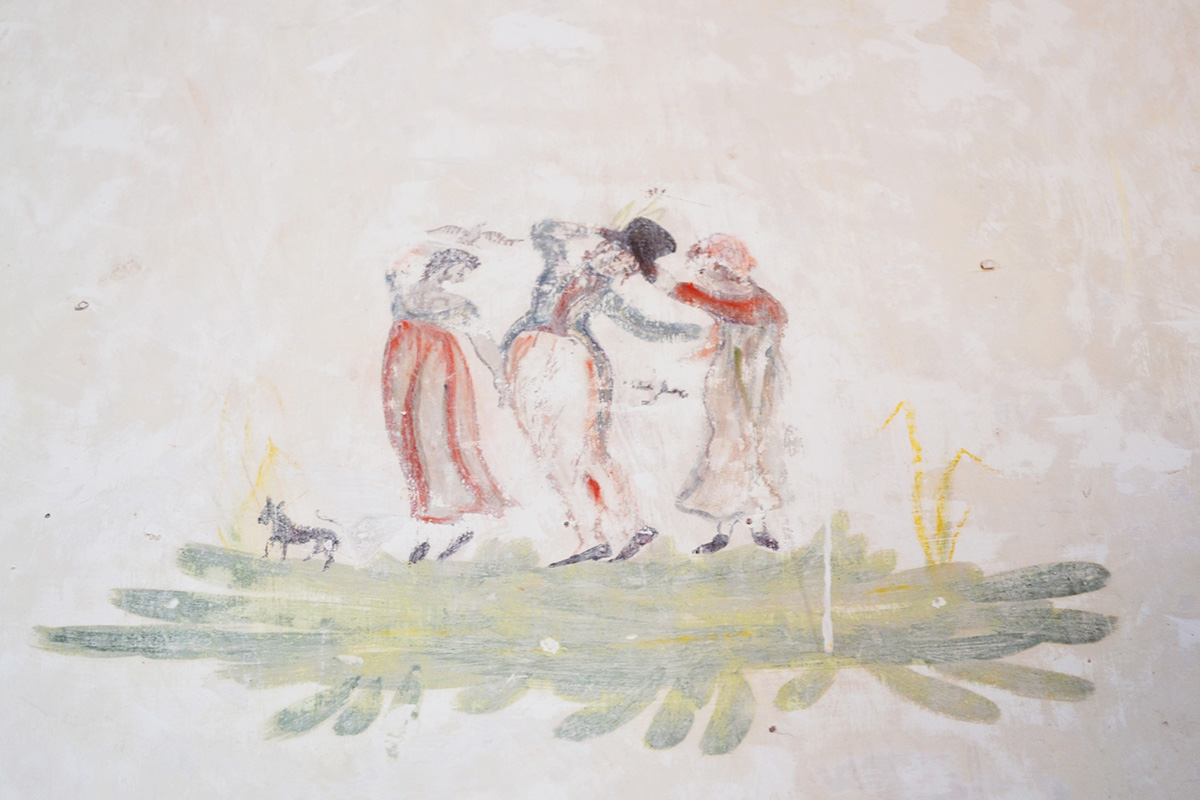
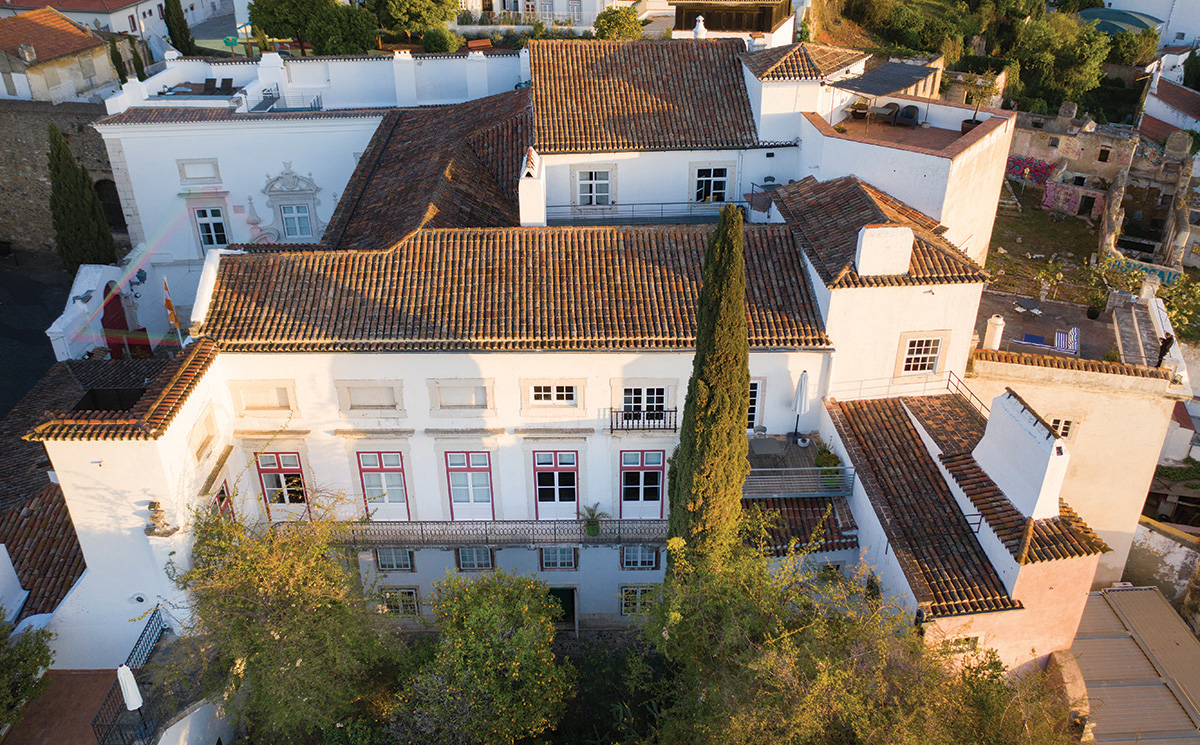
In 1640, the family expanded the building, adding the grand east terrace and five classical façades that define the palace’s appearance today. During the eighteenth century, between 1720 and 1730, the family commissioned renowned Portuguese tile masters Manuel Santos and Valentim de Almeida to create a remarkable collection of azulejos. The resulting fifty nine panels, comprising more than three thousand eight hundred original tiles, remain one of the most distinctive features of the palace.
the restoration
Shortly after acquiring the property, the restoration of Palácio Belmonte began, marking the start of a major undertaking in architectural and landscape rehabilitation. The first phase focused on understanding the many layers of construction spanning from 130 BC to 1995. During the initial two years, archaeological research was carried out alongside studies of natural light, air circulation, building materials, climate, weather patterns and the surrounding flora and fauna.
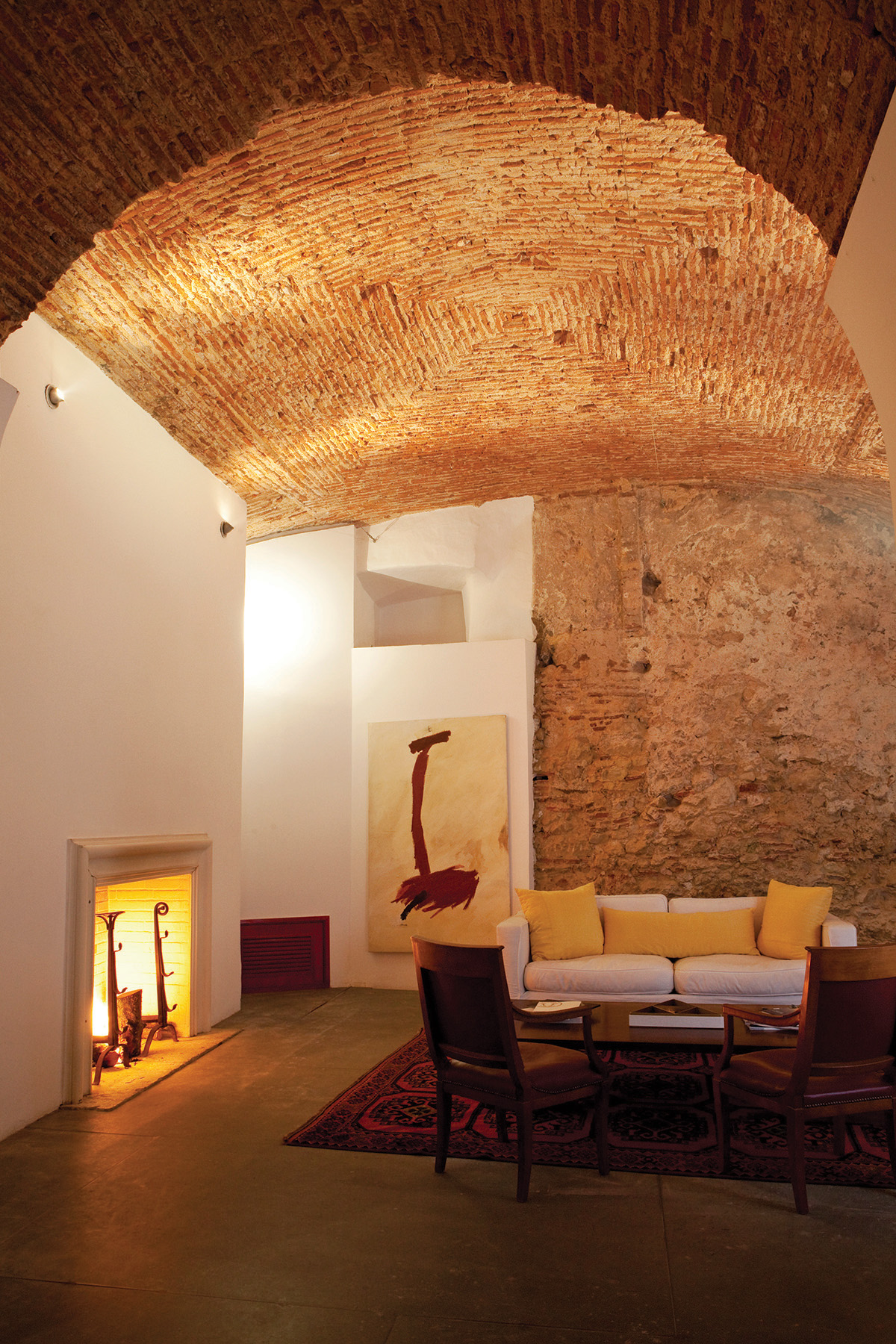
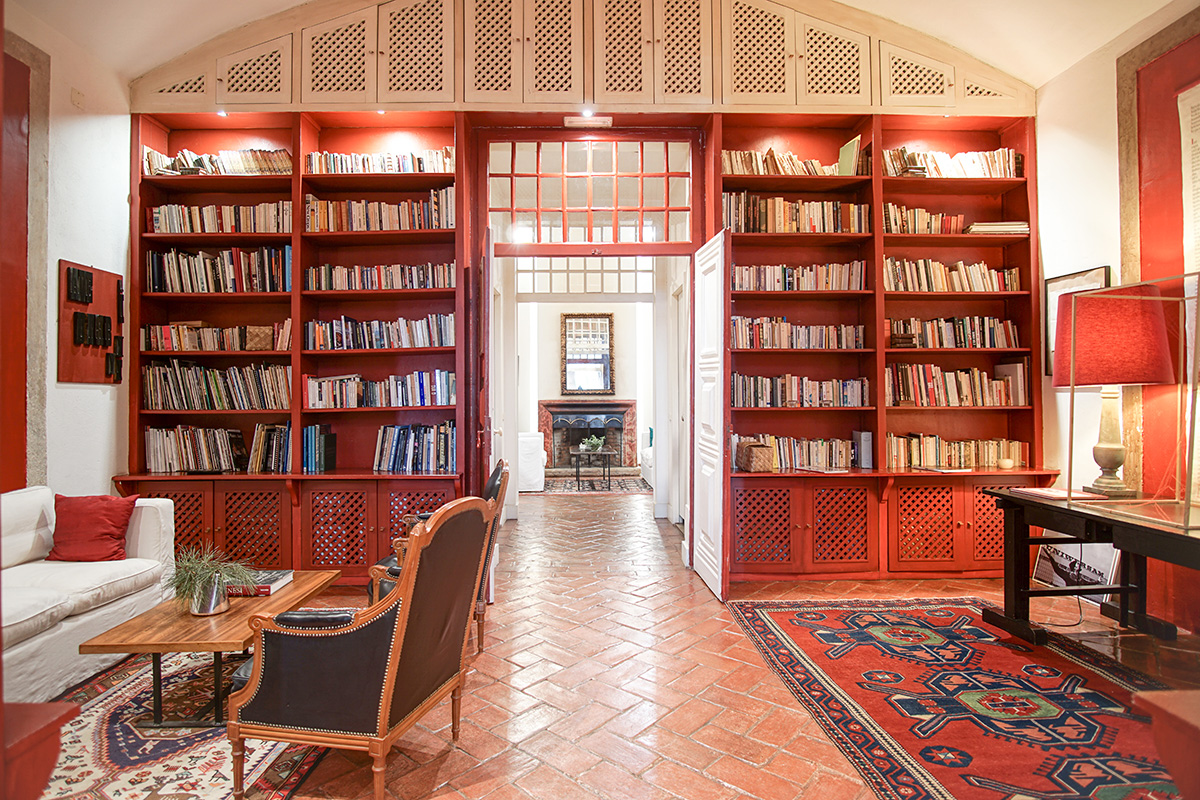
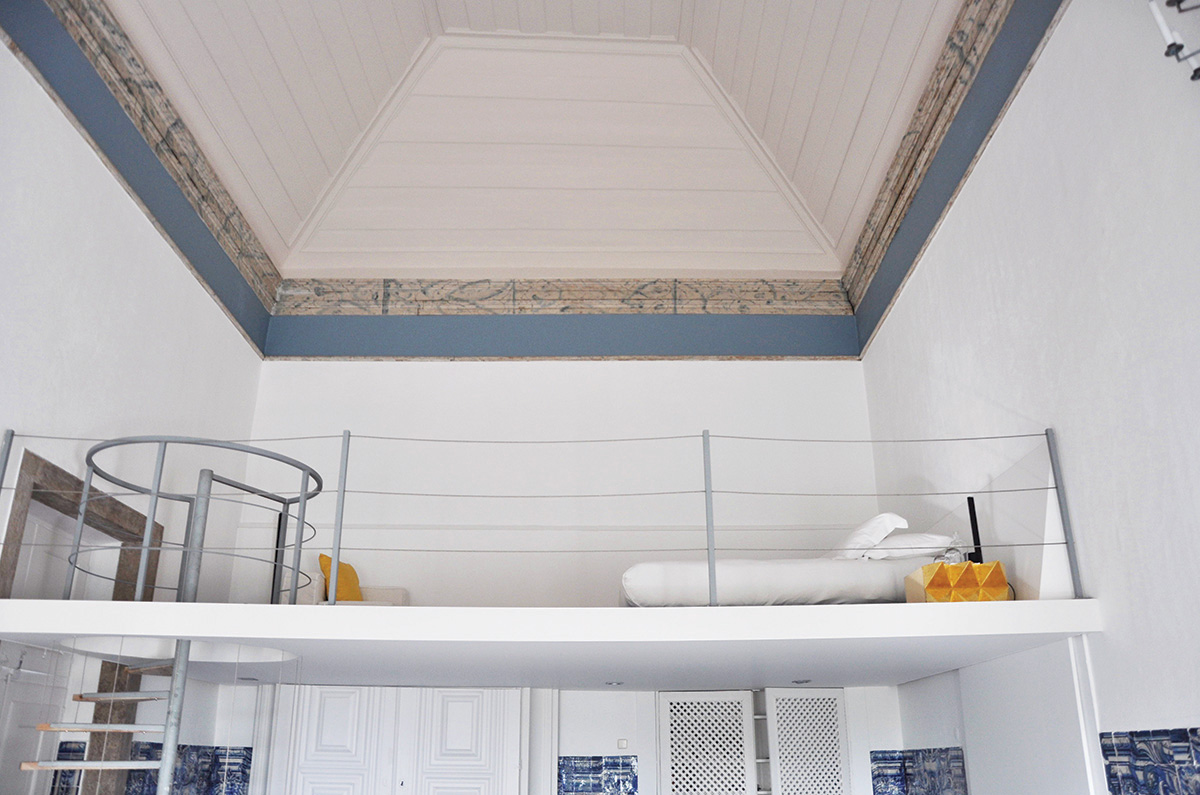
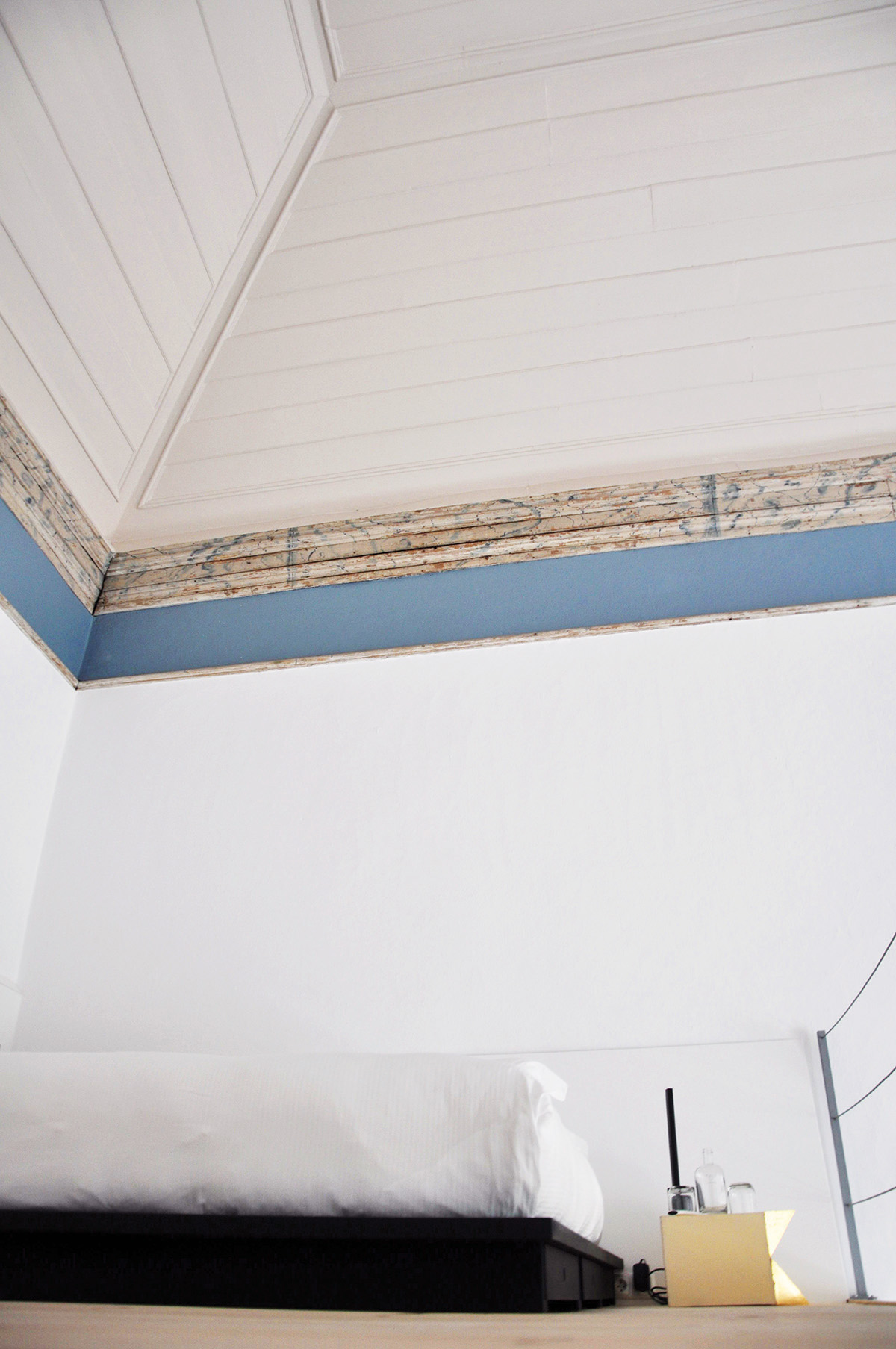
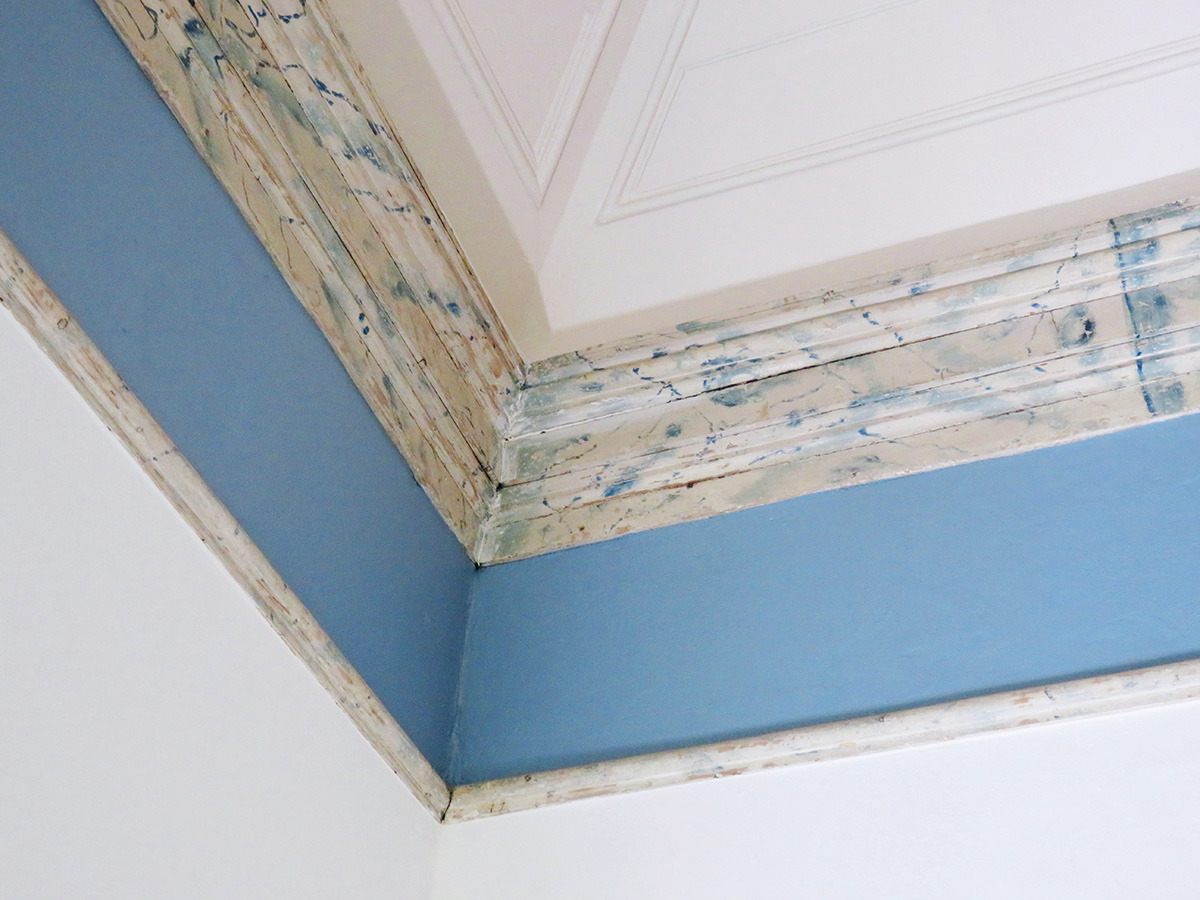
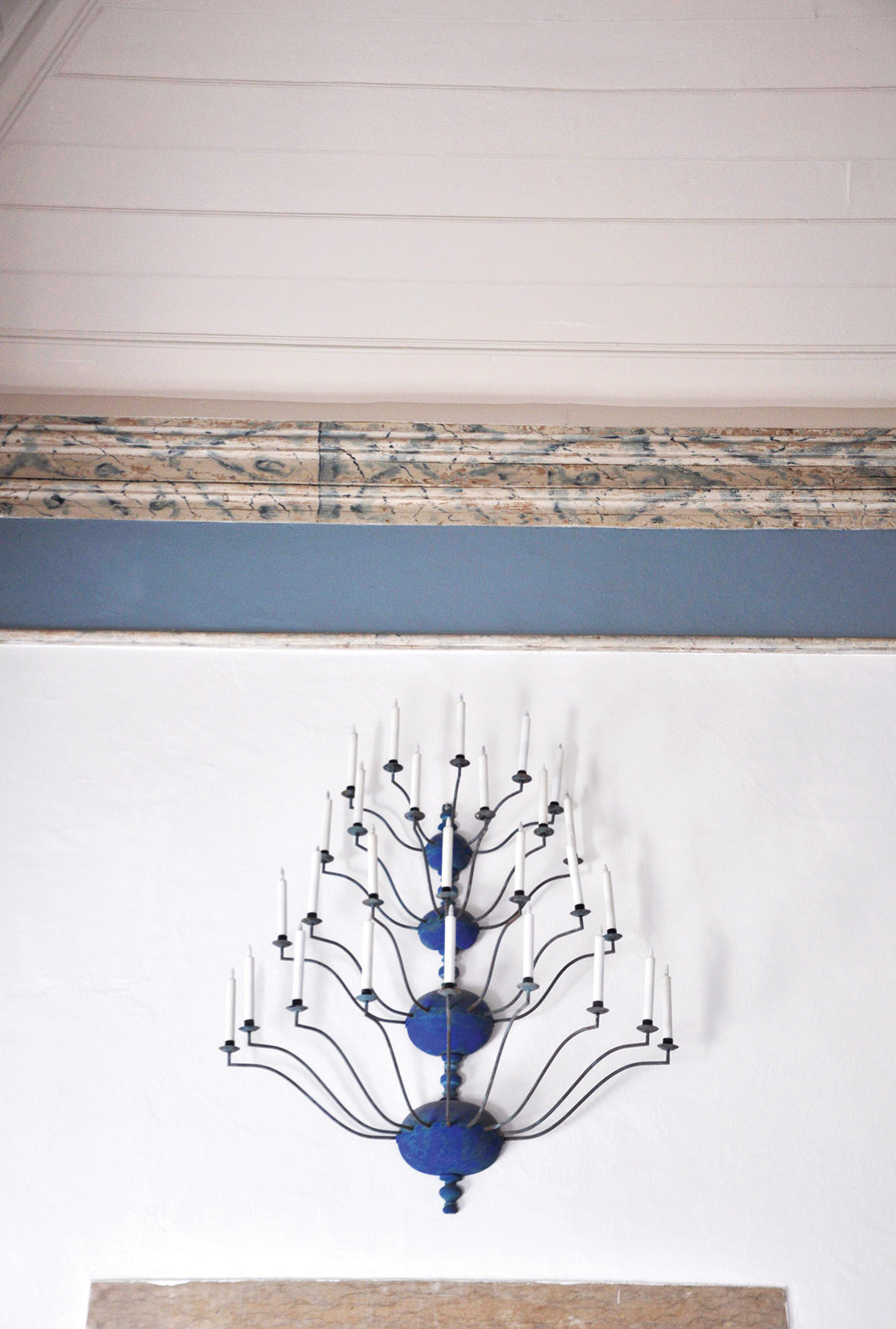
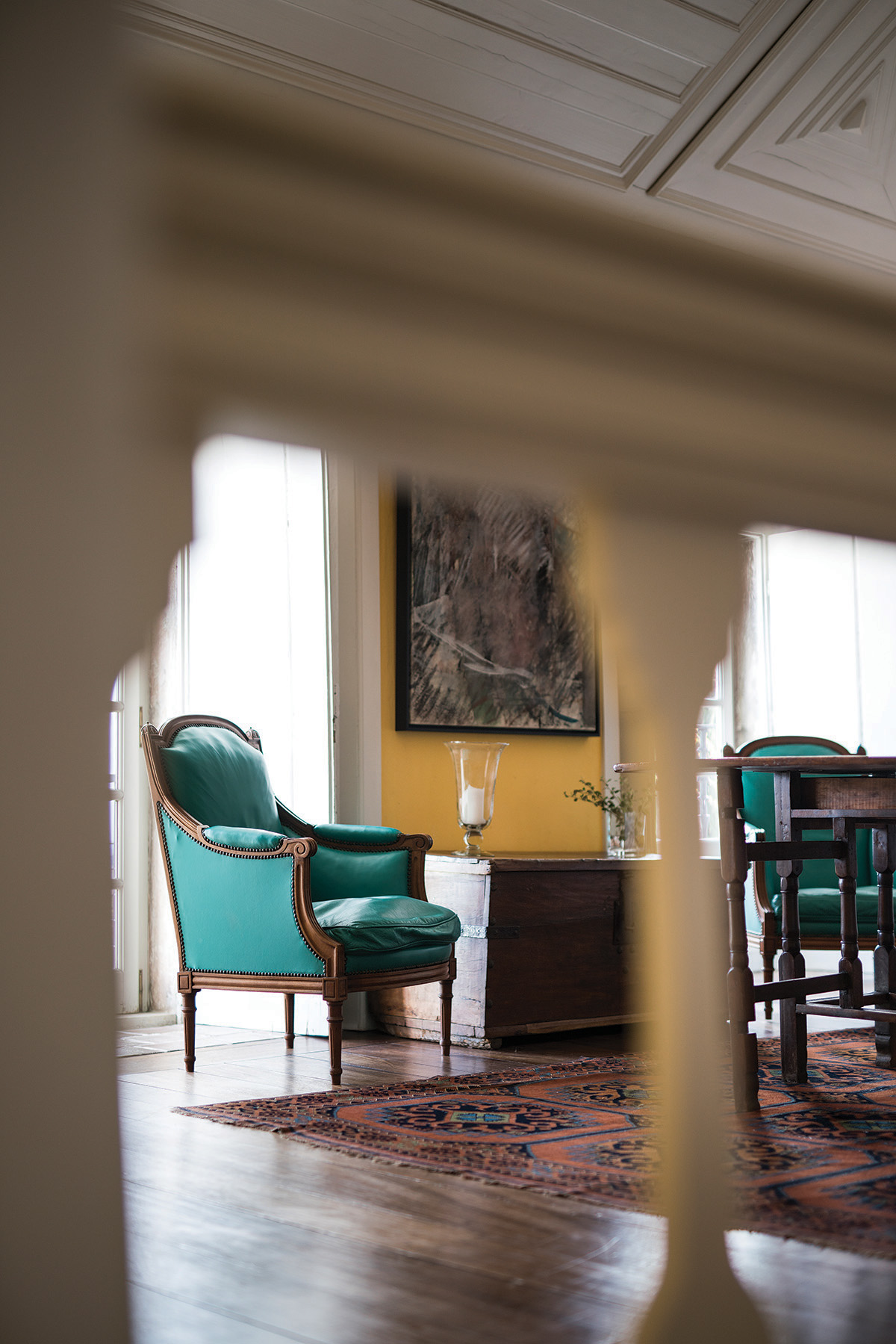
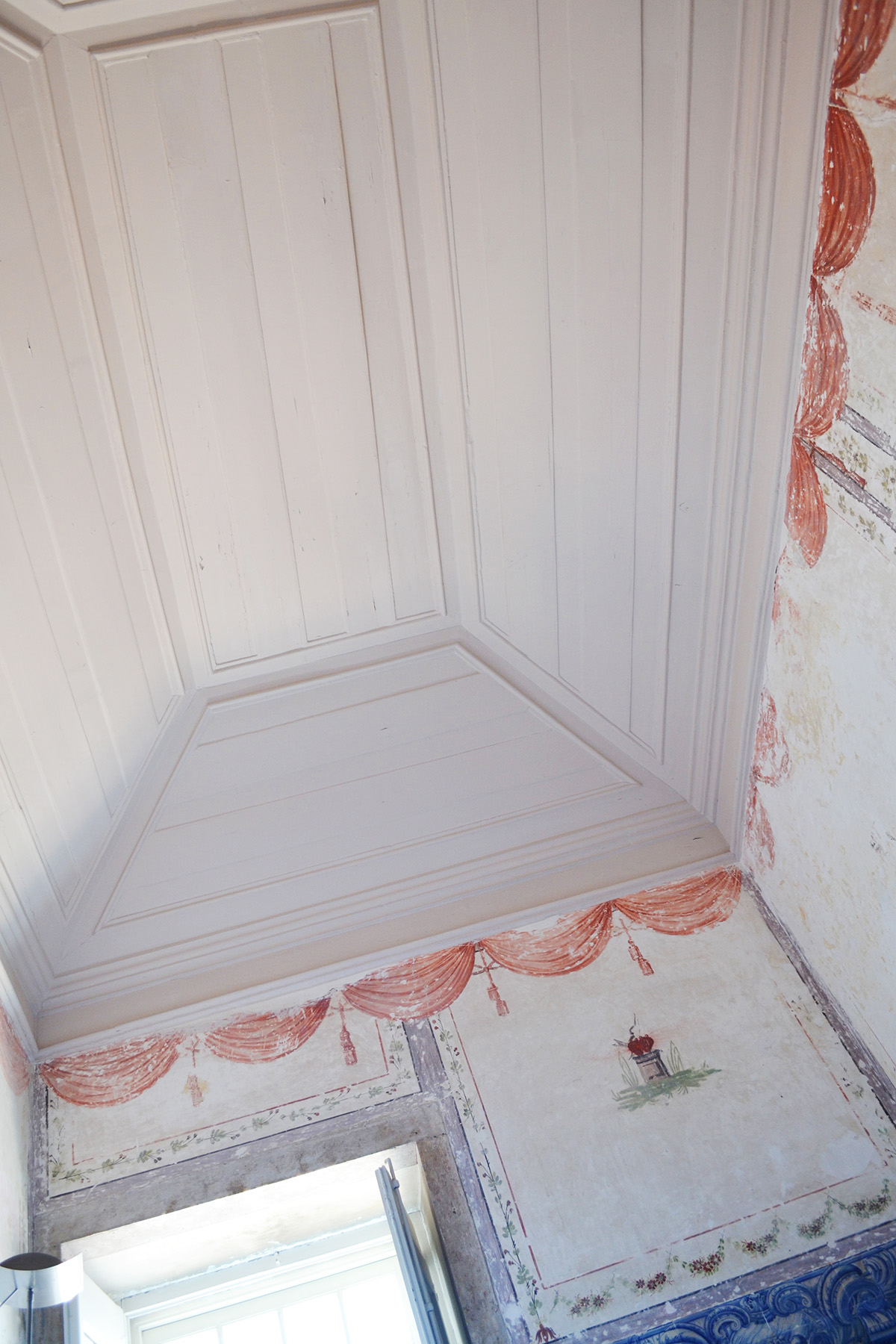
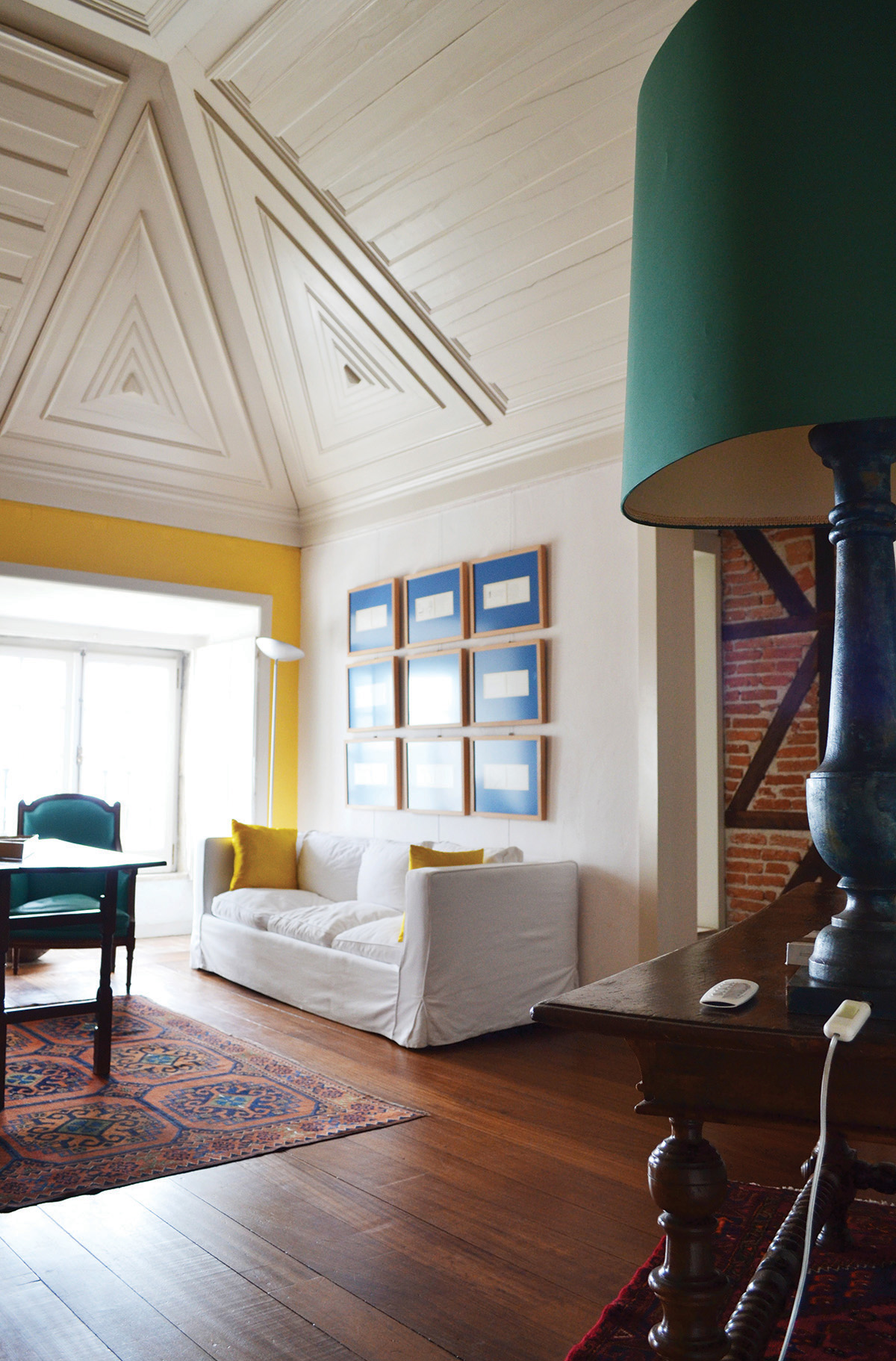
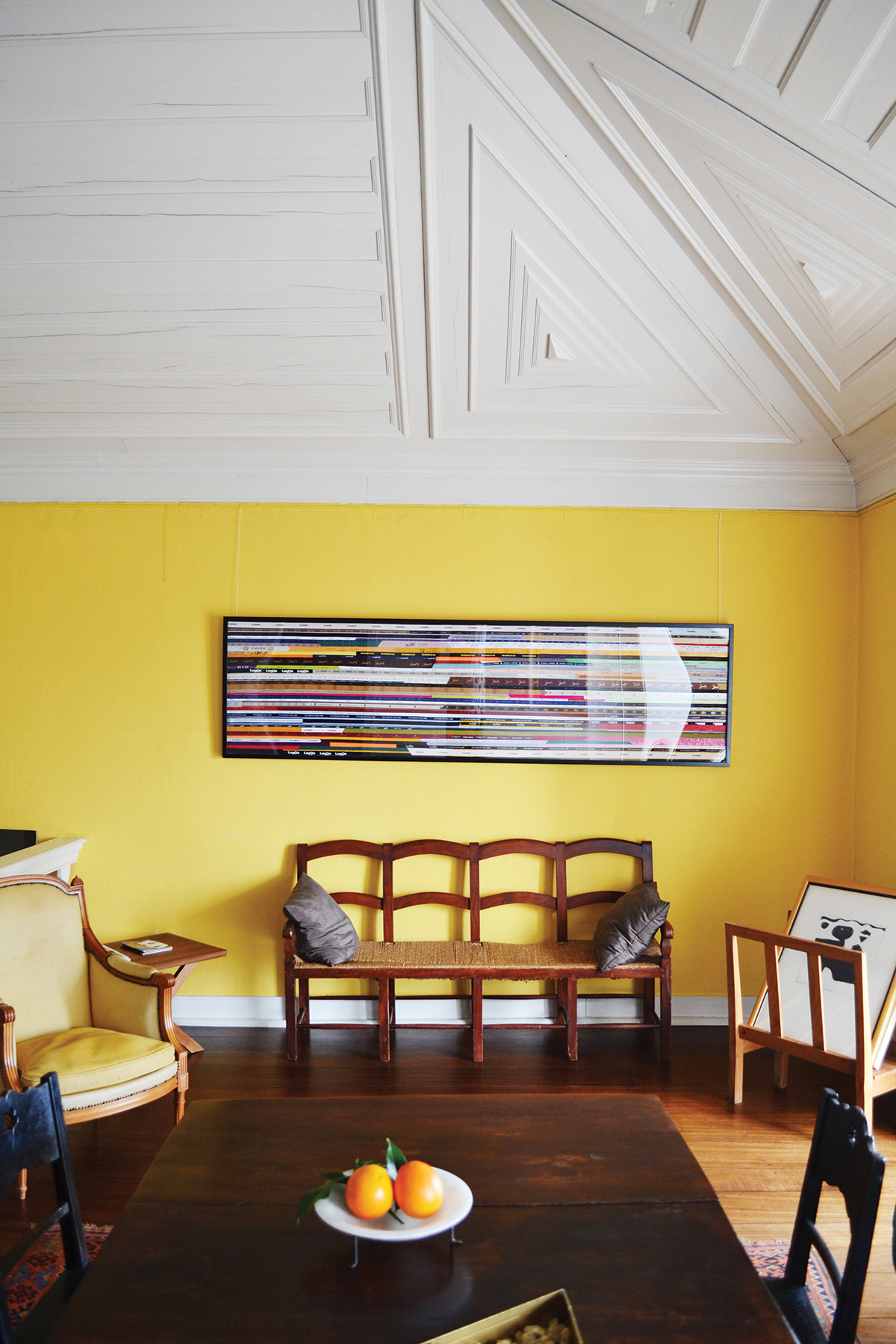
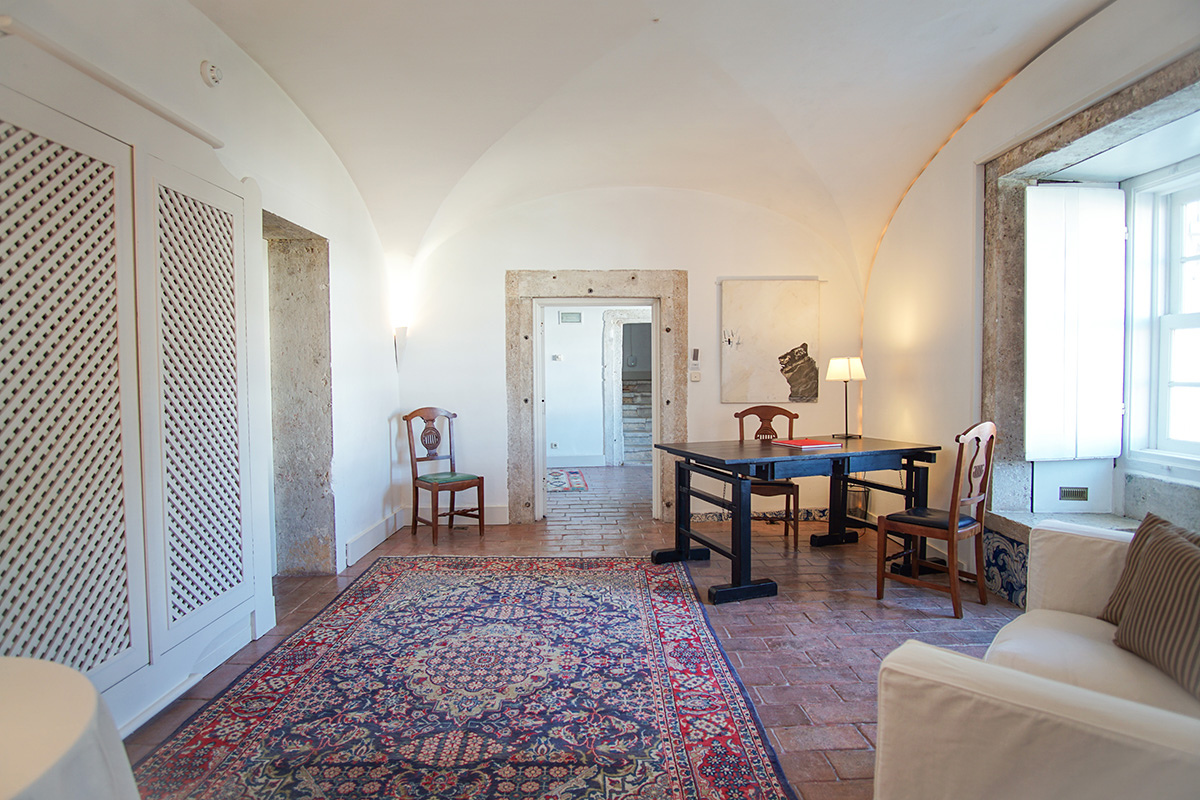
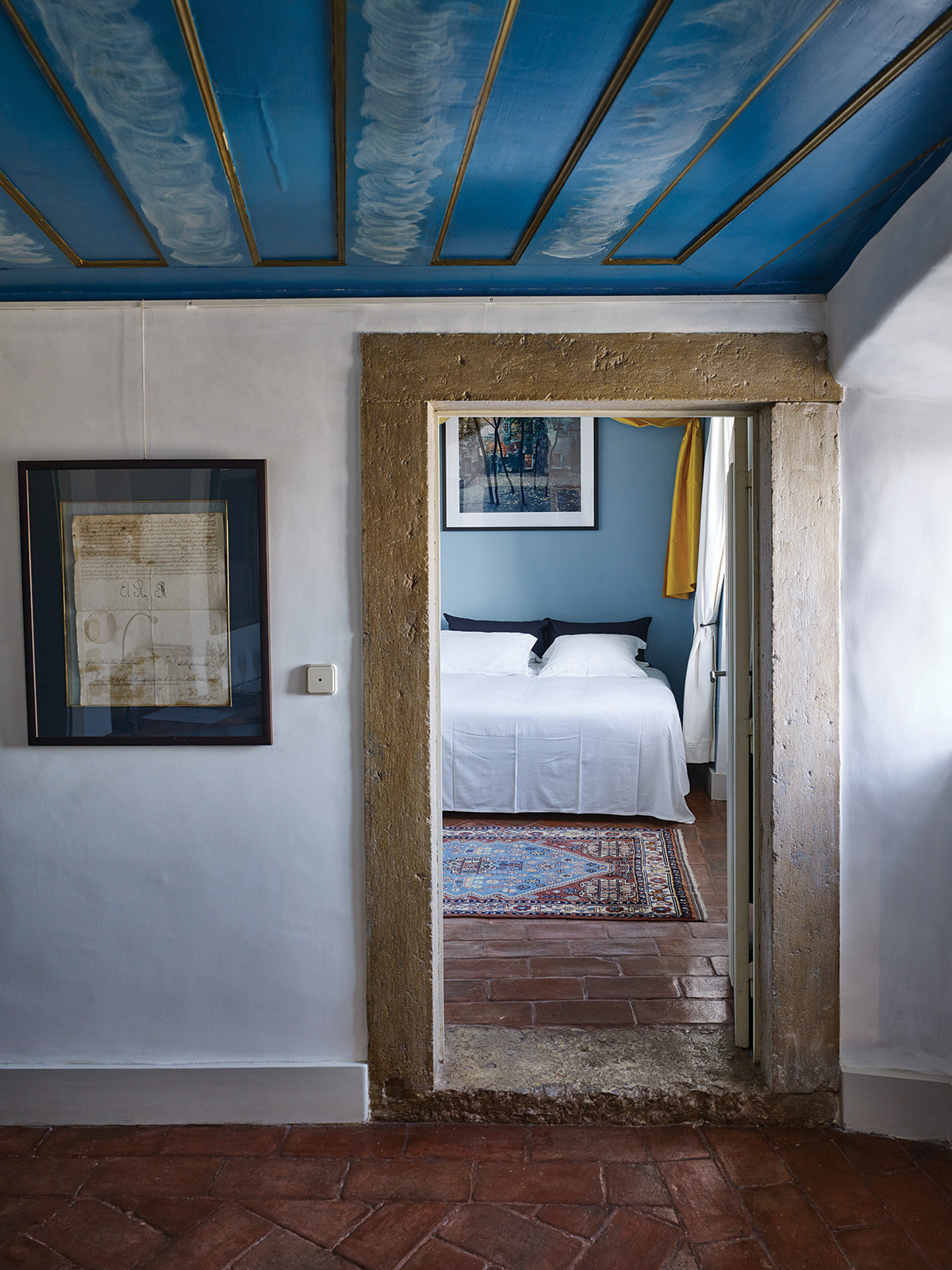
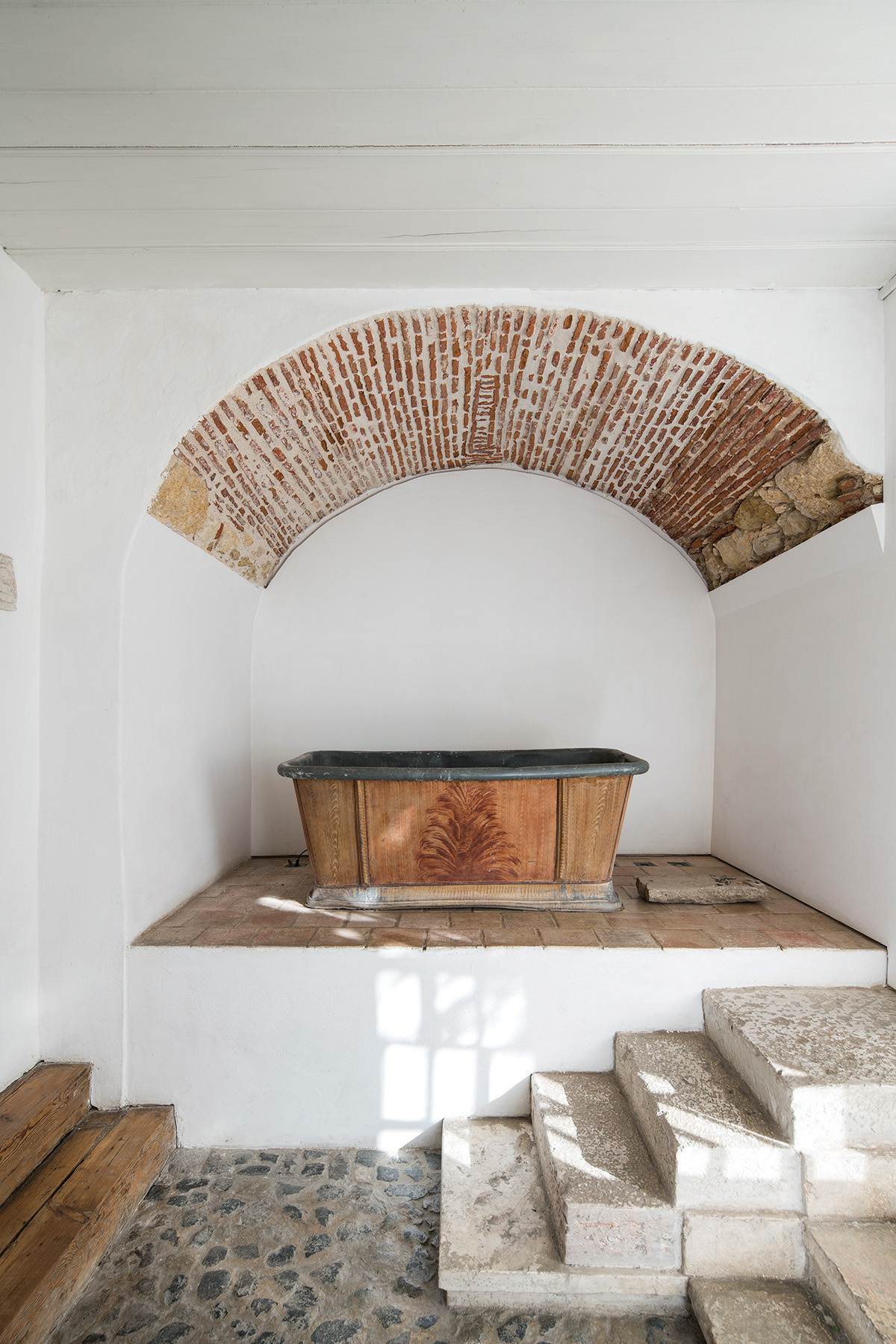
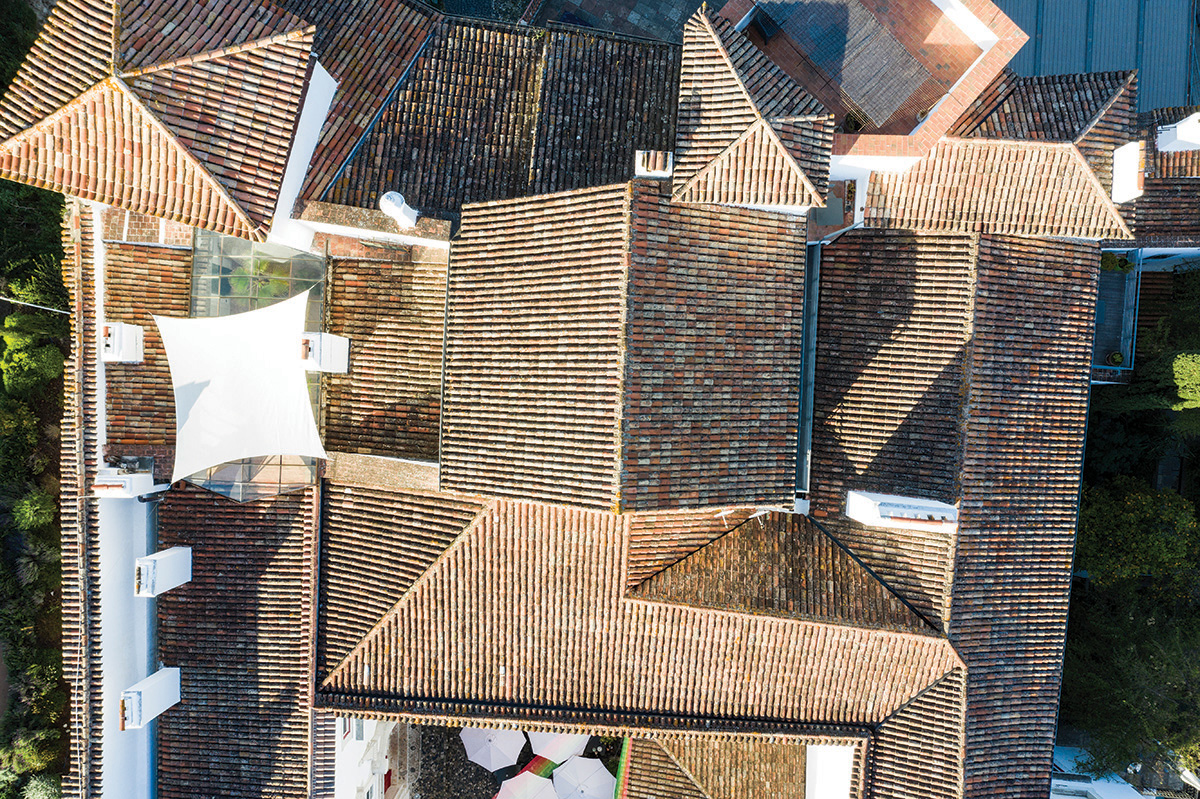
Under the direction of architect Pedro Quirino da Fonseca, and with the ongoing support of architect Felipe Lopes, head of the City Hall rehabilitation department, traditional building methods that had been lost over time were rediscovered. Lime mortar, a material used in the palace’s earliest phases, was redeveloped and reapplied to vaulted ceilings and roofs. Roman tiles were restored, rebuilt and secured using this mortar. All coffered ceilings were restored or reconstructed, both for aesthetic reasons and to improve air circulation.
Once the production method for the original lime mortar was recovered, the formula was shared, enabling the establishment of two factories dedicated to its manufacture. Today, many national monuments in Portugal use this lime mortar, known as Cal Fradical, in place of cement. Its value lies in its ability to absorb humidity and temperature fluctuations characteristic of Portugal’s coastal climate. A booklet explaining the properties of lime mortar was published and distributed to architects, contractors, civil servants and universities.
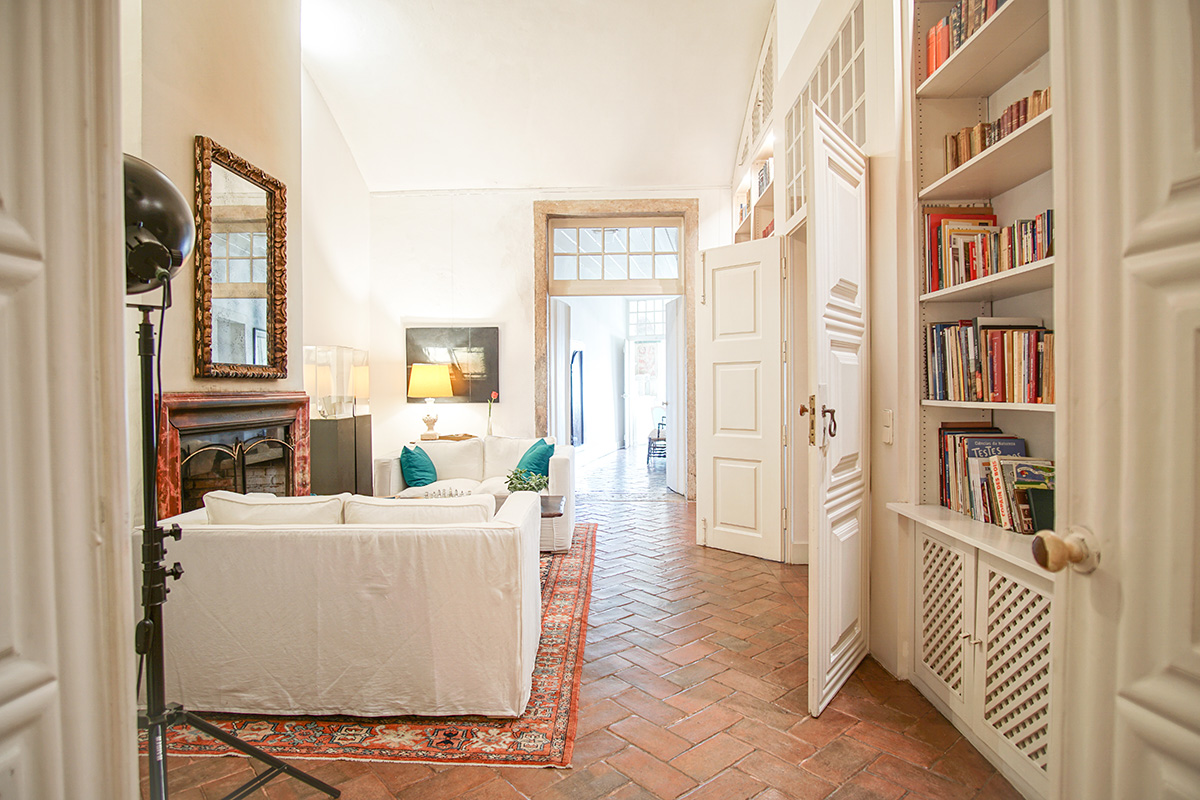
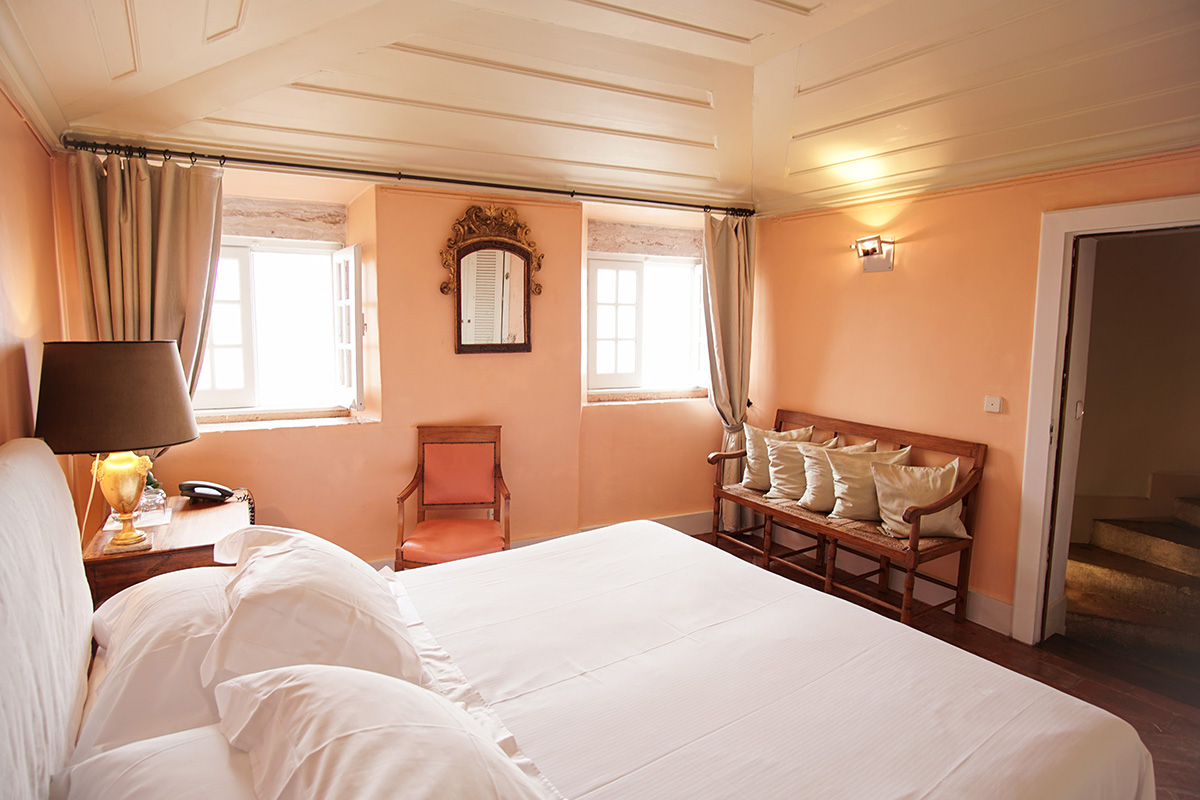
A natural ventilation system was installed throughout the palace by incorporating stone framed airflow openings in each room. Above a greenhouse terrace, three retractable canvas sails were added to create soft, uniform lighting and a comfortable natural air density. Traditional tiled floors were installed using a low temperature water based heating system. The tiles, produced in Setúbal from red clay and partially sun baked, were laid according to historic methods.
By the completion of the restoration, the energy requirement for all 3,700 square metres of the palace was reduced to a maximum of 126 kW, reflecting an eight fold reduction compared to typical consumption for a building of similar scale. This efficiency was achieved through the use of lime mortar, natural ventilation, low temperature heating, high quality insulation in the roof, floors and walls, double glazing and meticulous lighting design.
Reusing original construction materials was central to the restoration philosophy. Wherever possible, wood, iron, Roman tiles and stone were carefully repaired and reintegrated into the building, forming some of the palace’s most distinctive design features.
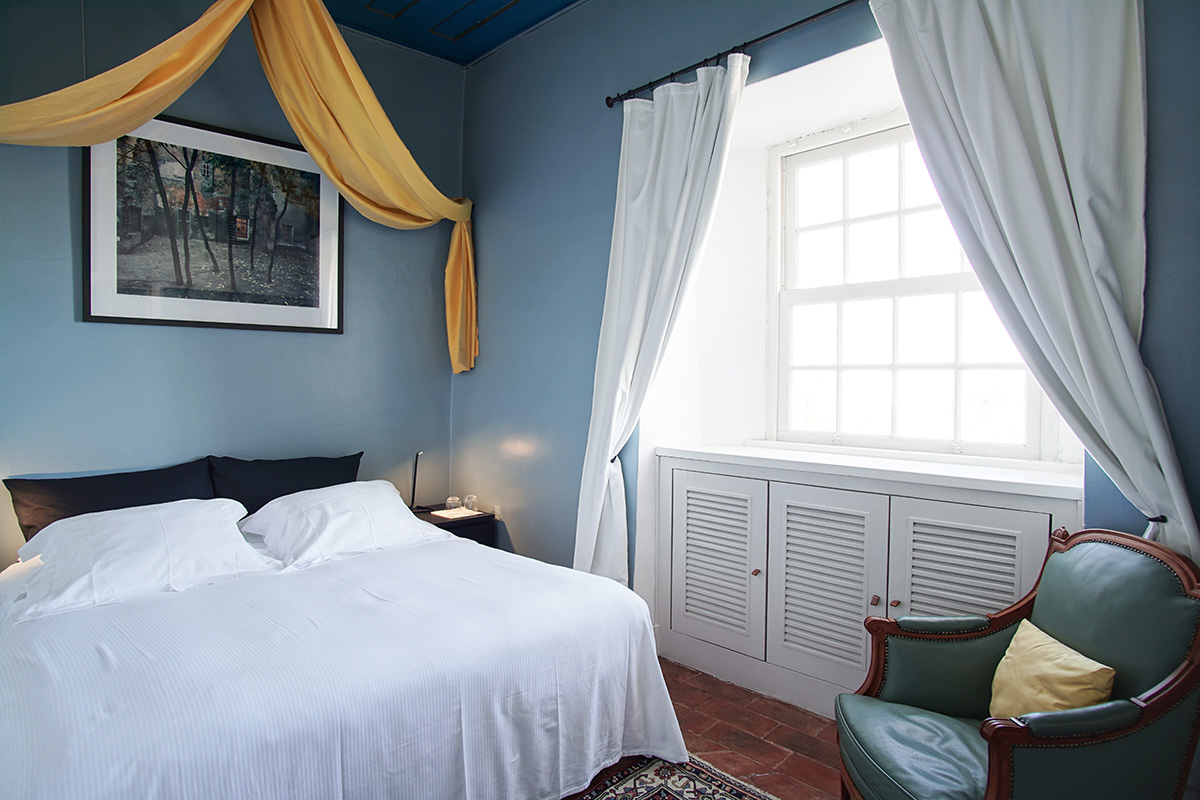
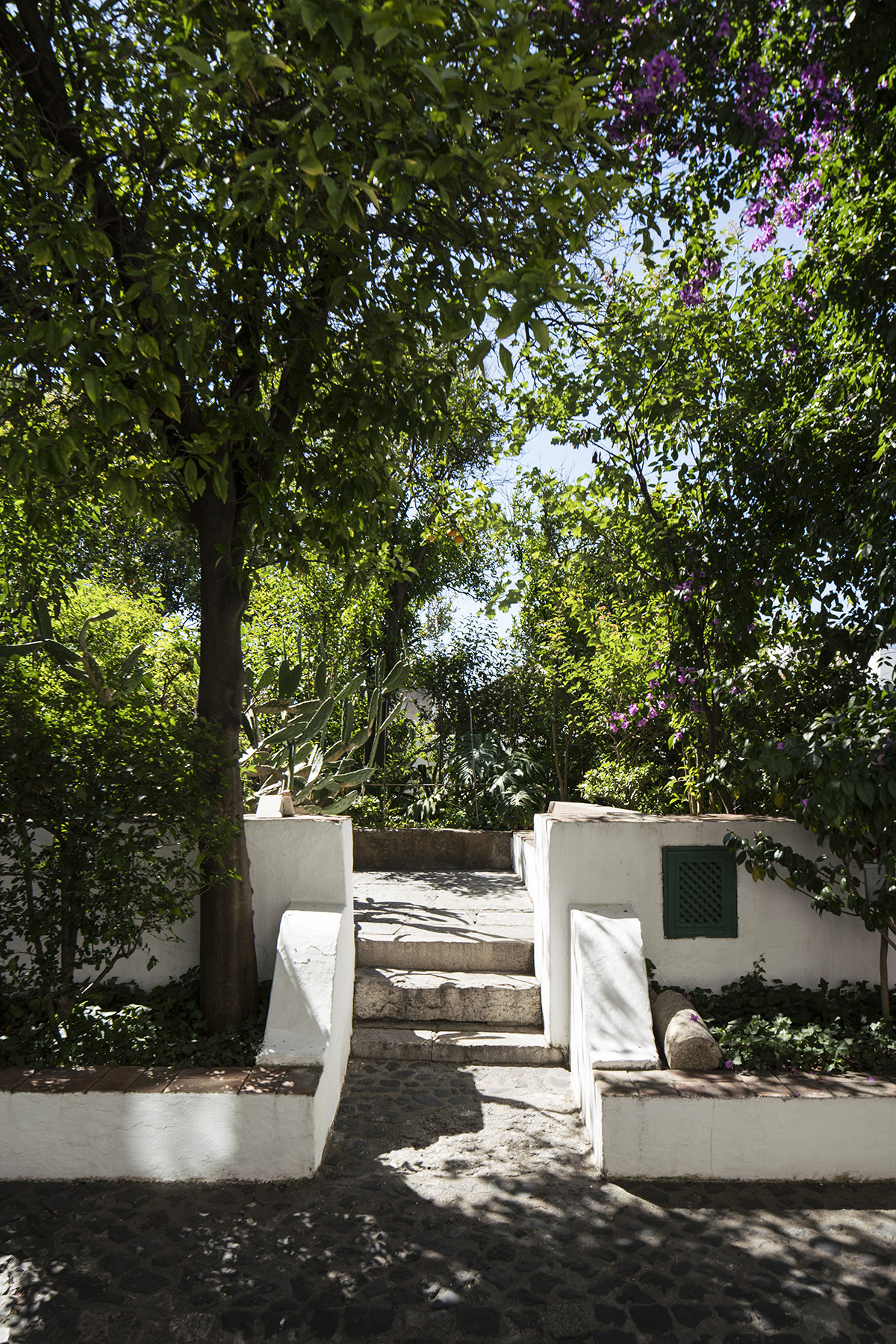
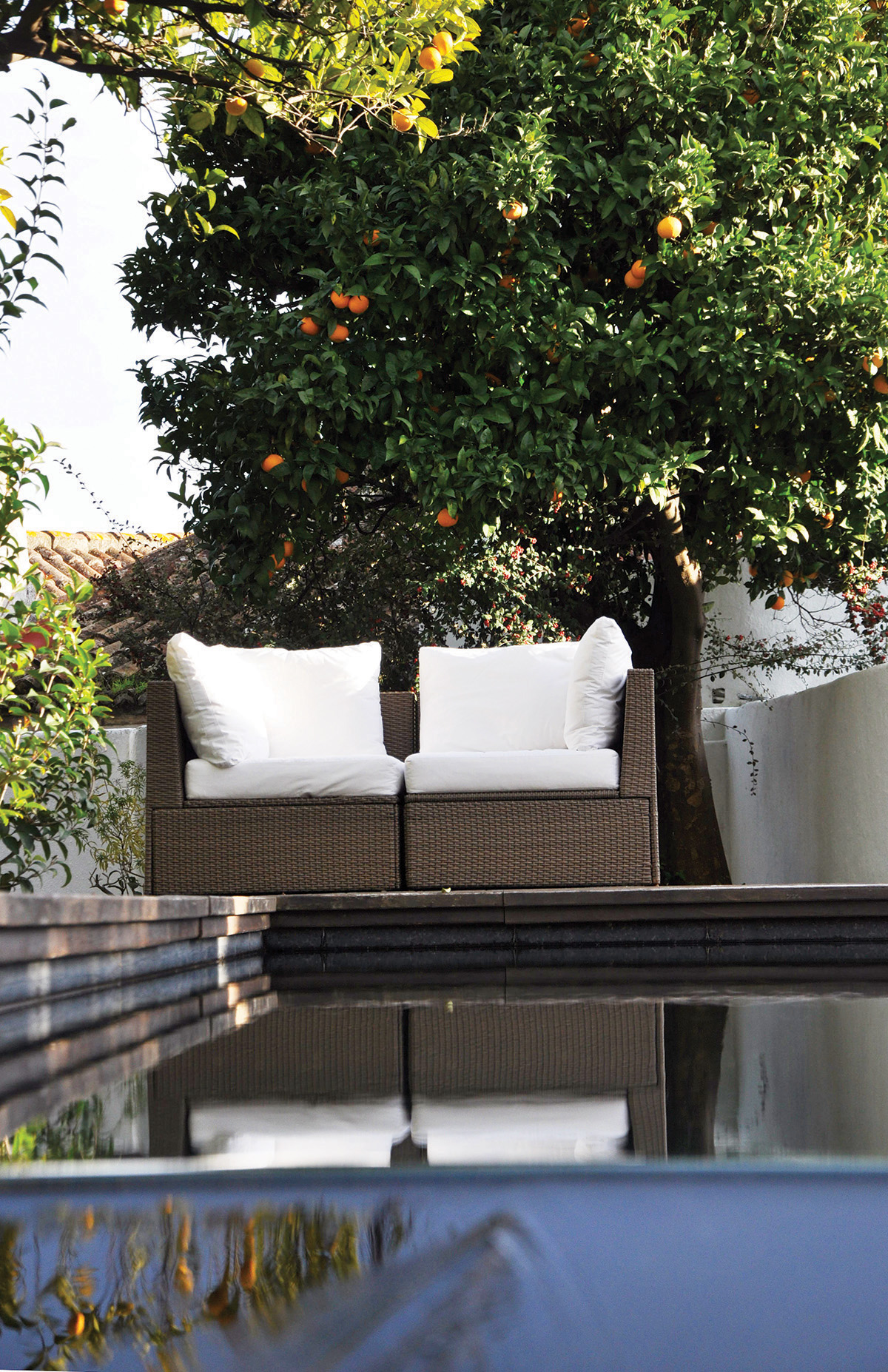
Each space was crafted to optimise natural light and air movement while reducing noise. The gardens were fully redesigned and replanted according to organic principles, promoting the health and diversity of local species of plants, fruits, trees and flowers.
The Community: A Sustainable Approach to Culture
Becoming an active member of the local community of Lisbon and of Alfama was a central objective of the Palácio Belmonte restoration. Rent controlled units in the surrounding buildings were maintained to support the social fabric of the neighbourhood and to help keep long standing families in the Bairro de Alfama. Twenty one apartments were restored with financial and technical assistance from the City Hall, providing modern comfort while ensuring rents remained at their existing levels.
Until 2020, the Palácio Belmonte team played an active role in promoting the arts and culture of Lisbon and Portugal. Exhibitions, artisanal markets and conferences were held regularly to highlight the work of the city’s skilled and creative residents.
Visit the Arts and Culture section to explore the events presented through the Belmonte Cultural Club.
Interview with Frederic Coustols at Palácio Belmonte, in 2020, on the subject of cultural restoration and urban regeneration using the iconic Lisbon palace, dated back to 198b.C.