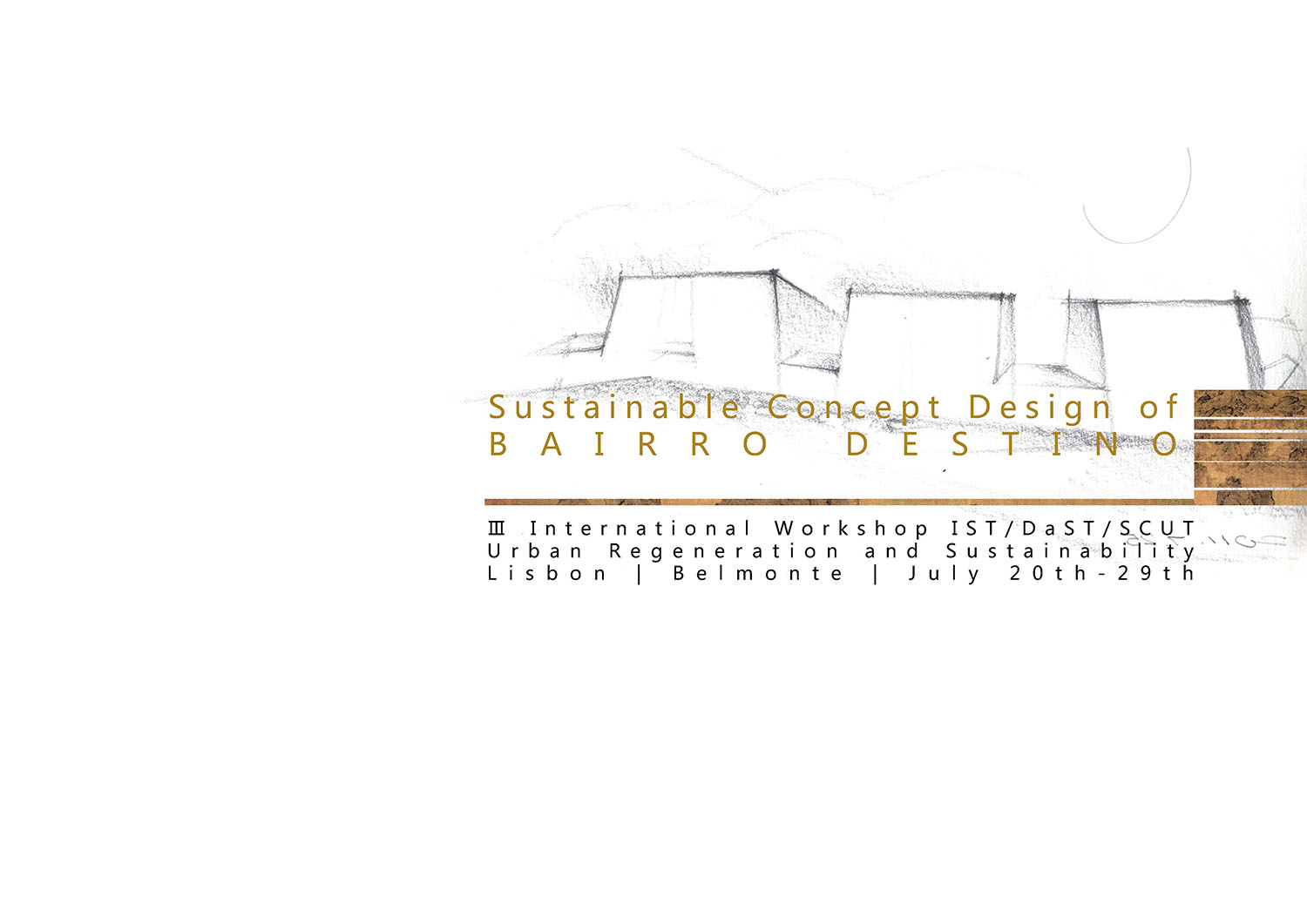
Bairro Destino
Urban & Social Regeneration Proposal/Plan
about the project
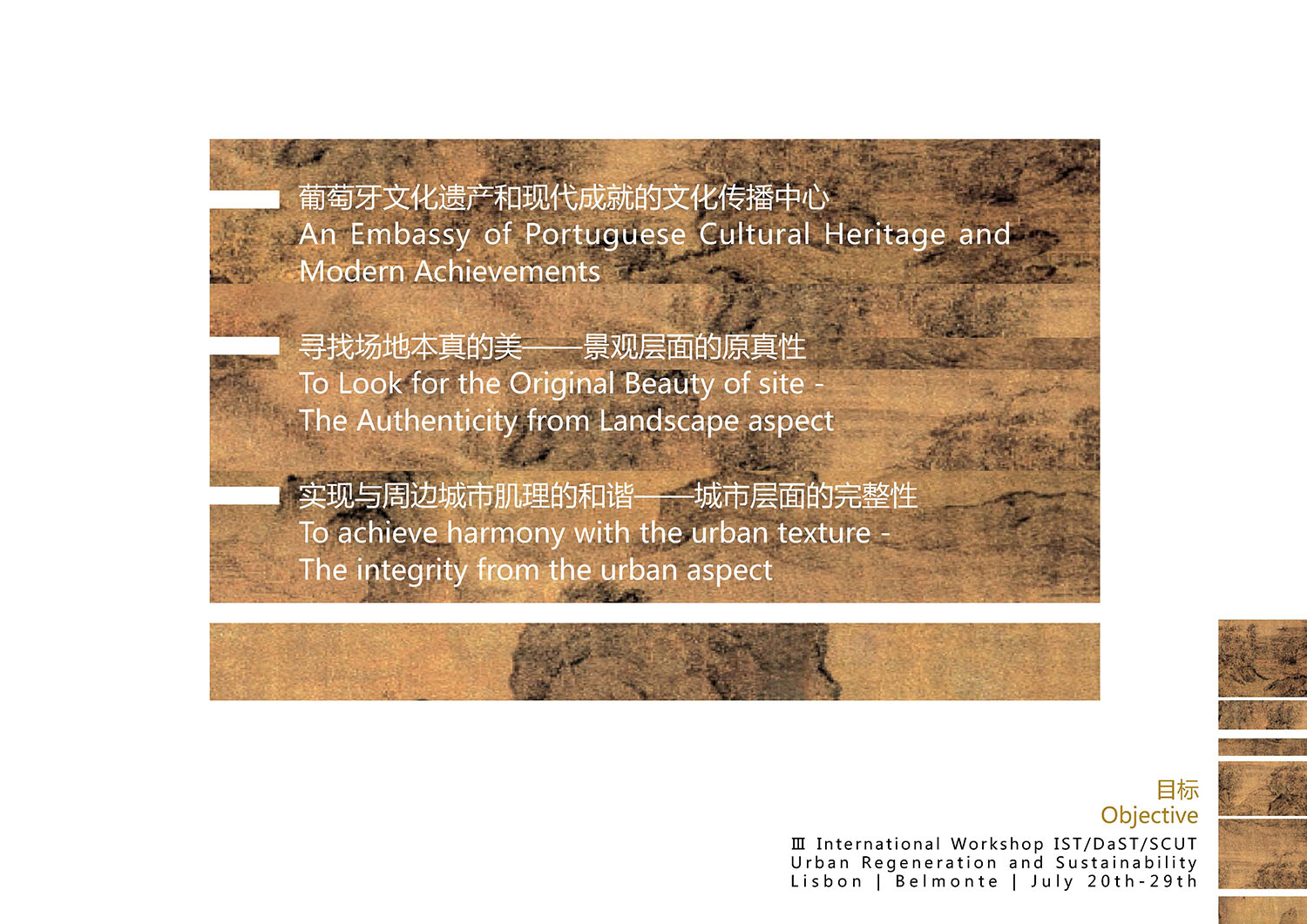
"Designed, alive, sustainable, permanently renewed, organized hands in hands with the community around, schools, foundations, aso. An Embassy of Portuguese Cultural Heritage and Modern Achievements"
status of project
Concept/Proposal
project design: 2013-2020
Details
Denomination: Bairro Destino
Branding denomination: Bairro Destino
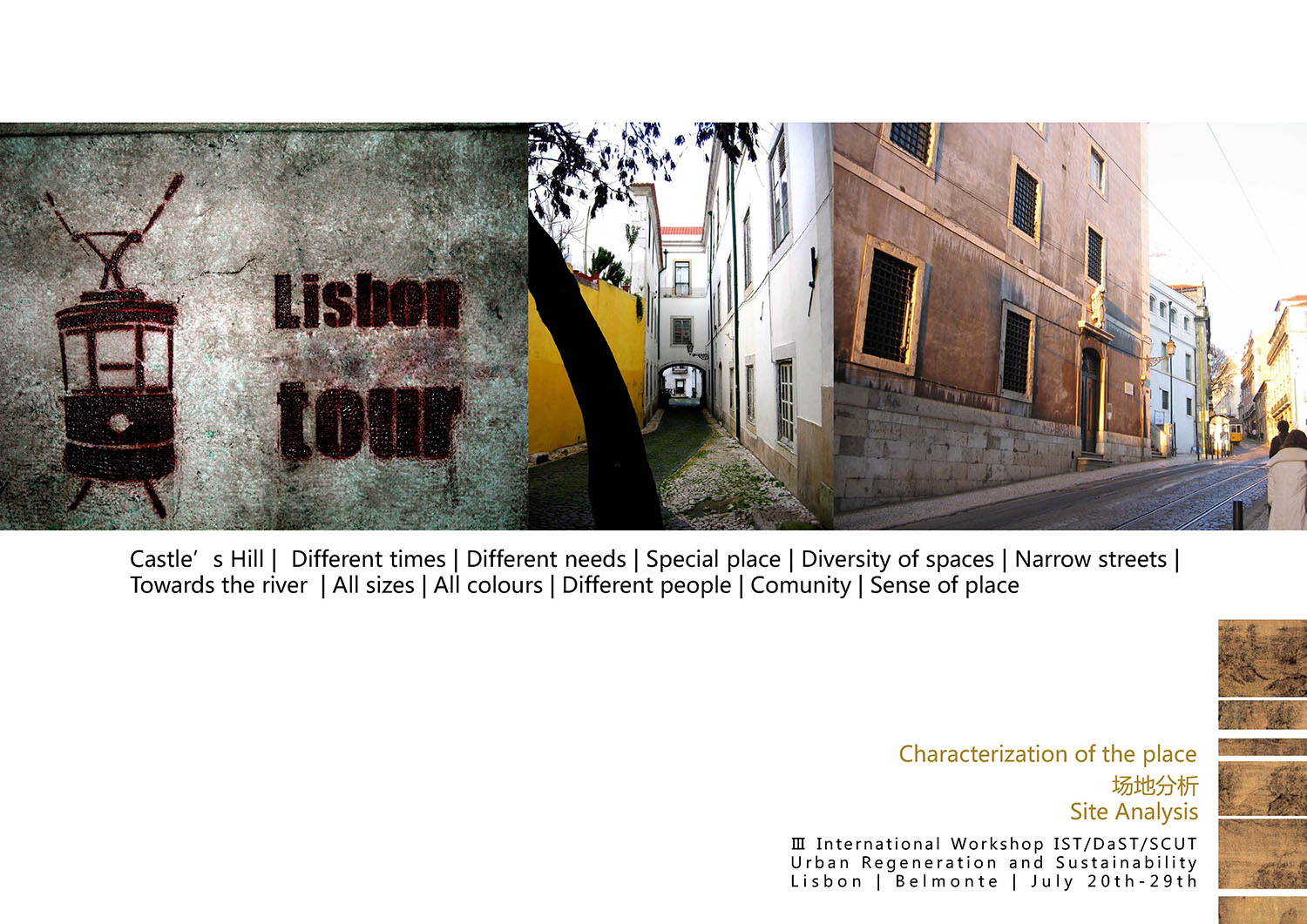
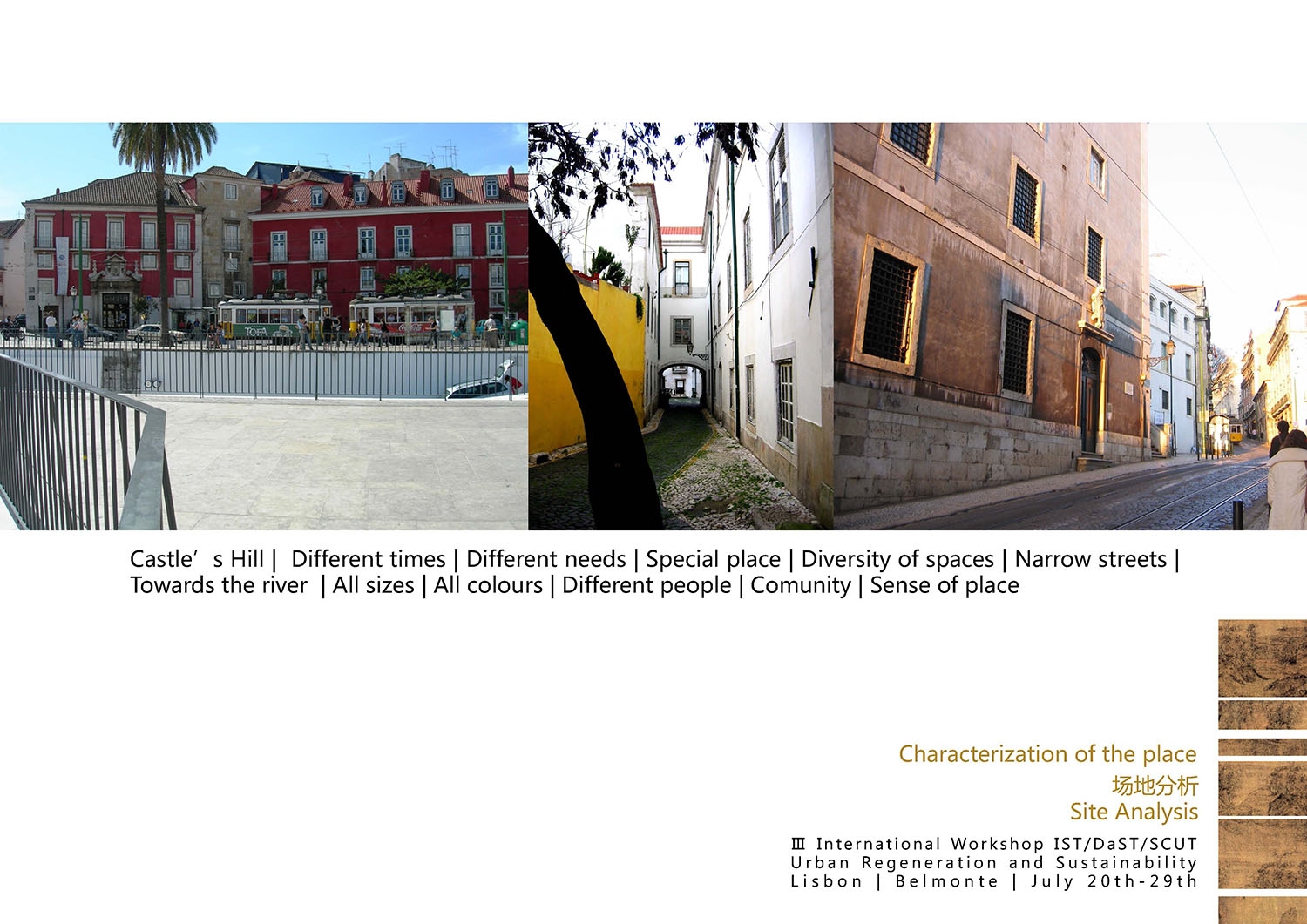
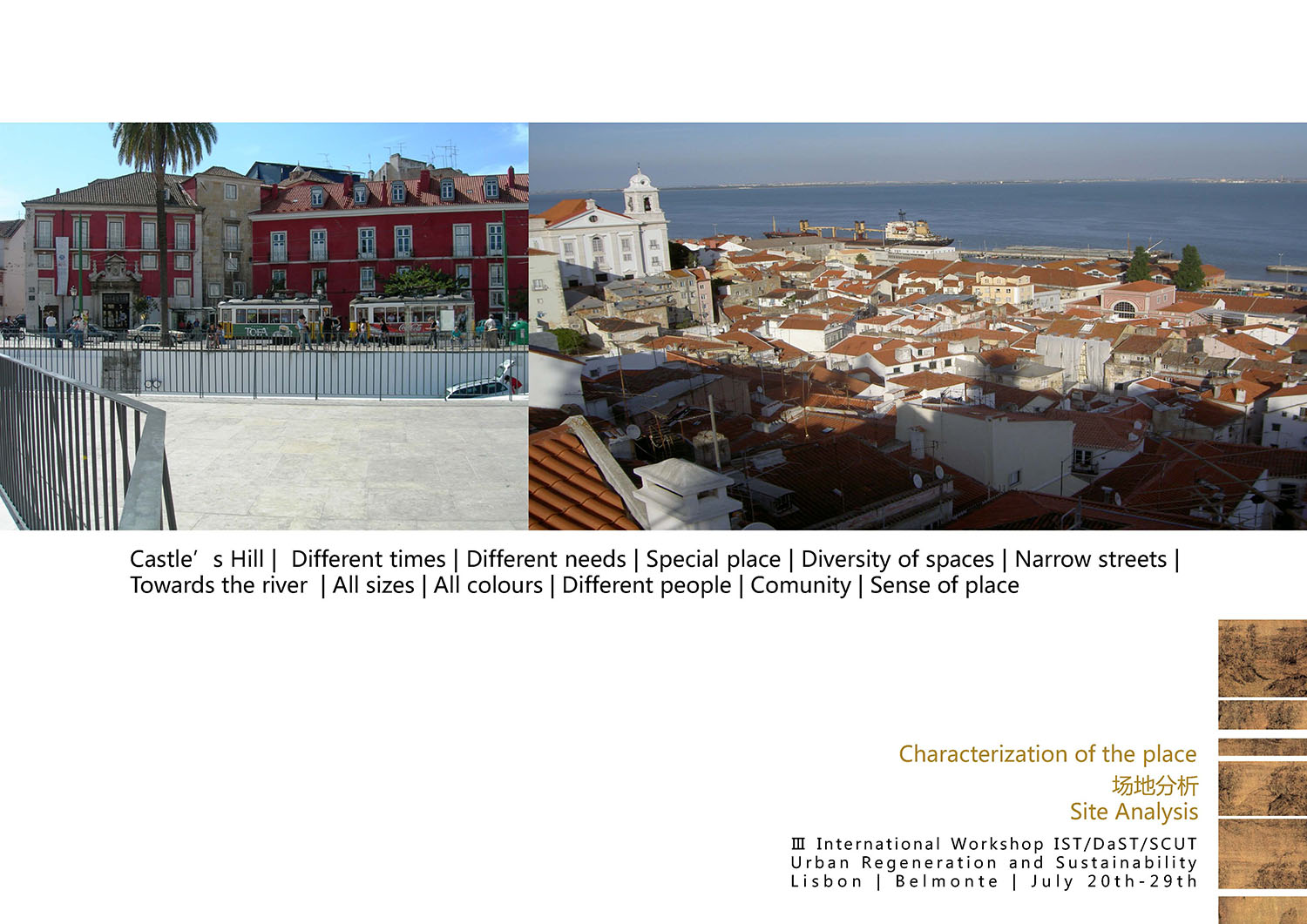
Location: Bairro do Castelo, Alfama, Lisboa, Portugal
Owner & Project Developer: Frederic Coustols
Project design: 2013-2020
team members
Owner, Project Developer & Management: Frederic Coustols
Co-Project Developer: Maria Mendonça Coustols
Tourism & Digital Marketing: Rita Neves
Visual Strategy Architecture: Creative Digital Design
collaborators
Quirino da Fonseca, Andrew Coutts, Simon Punter, Gonçalo Leandro, Sammy Gao, Jess Yu, Maria João Granate.
short description
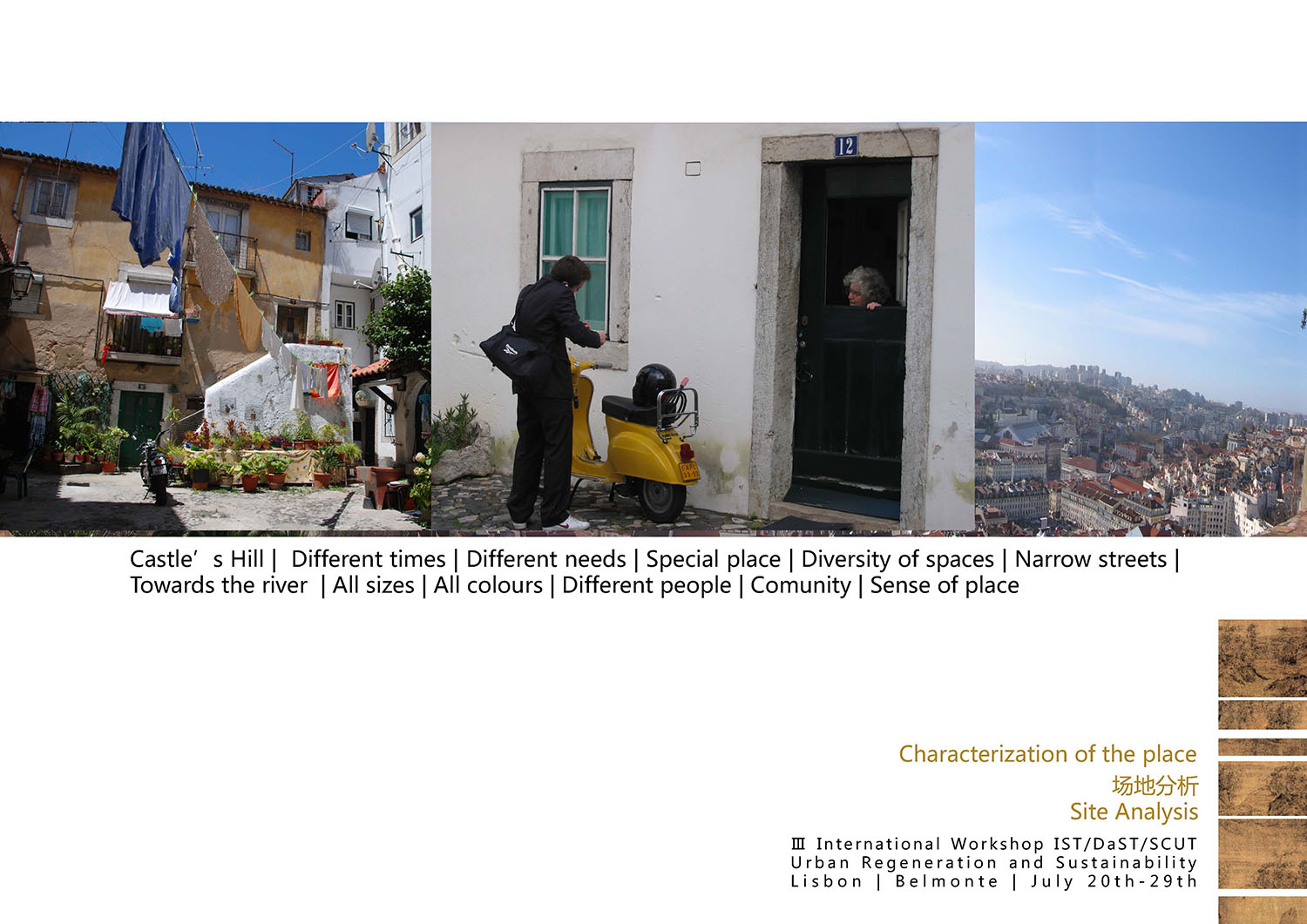
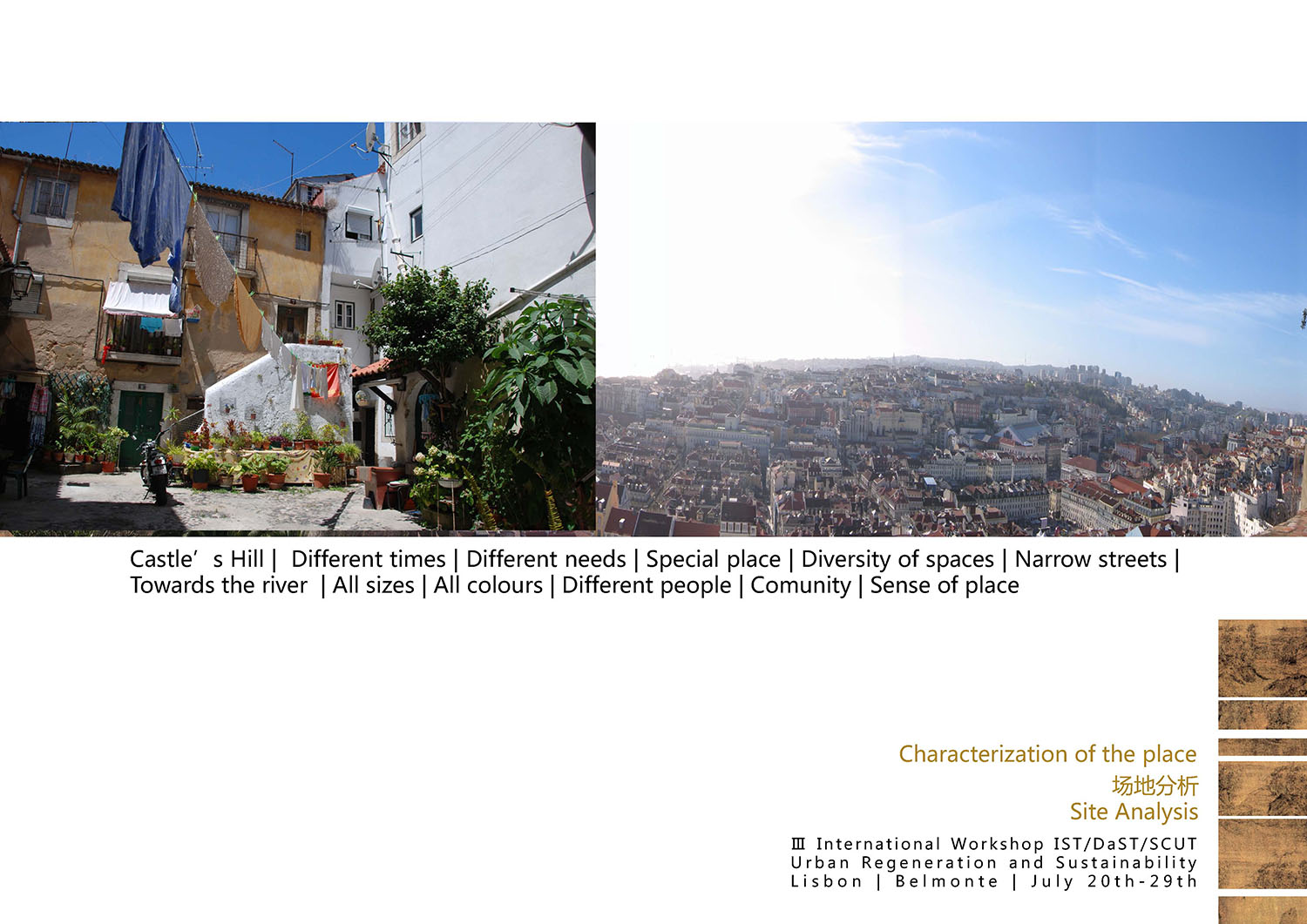
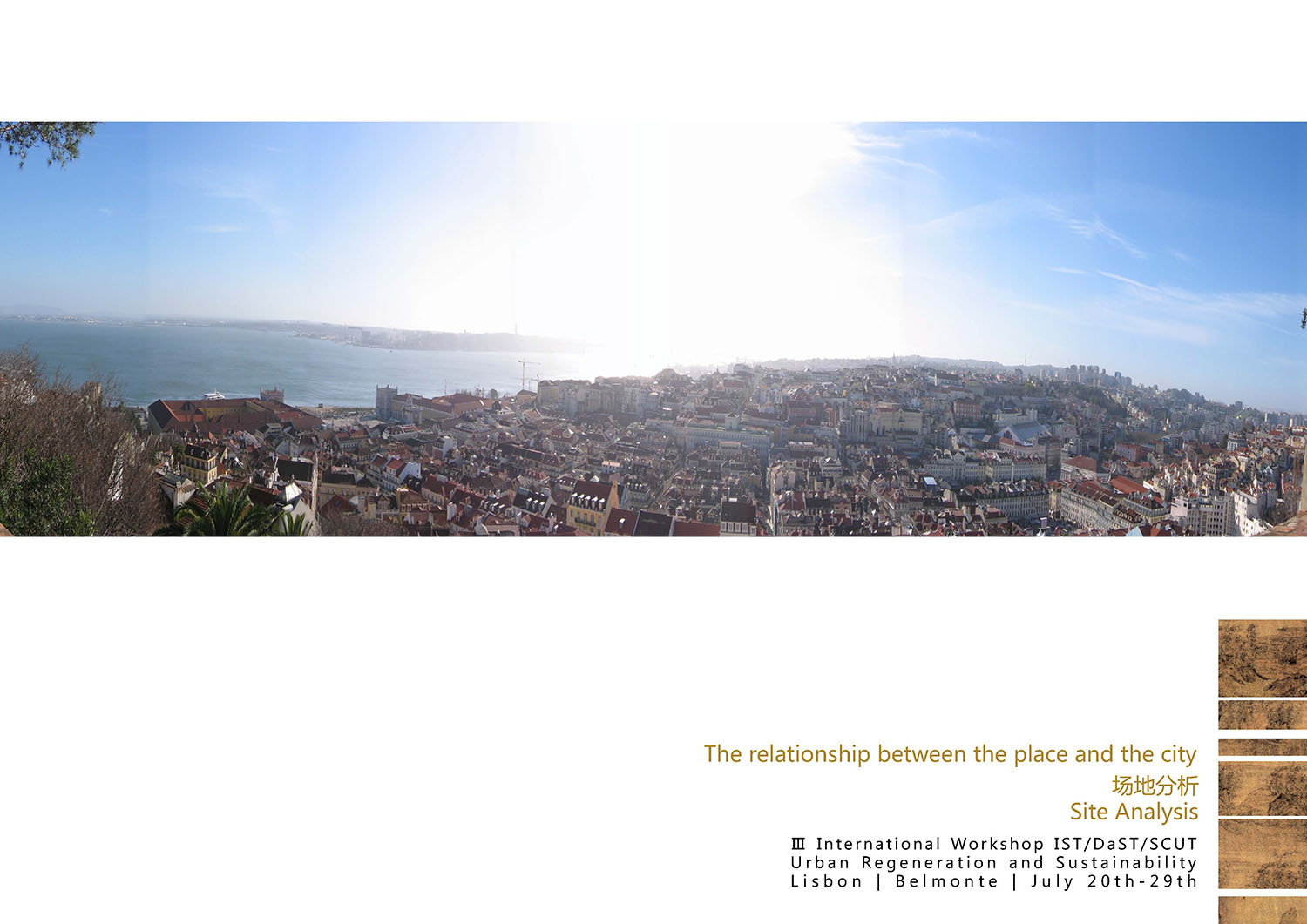
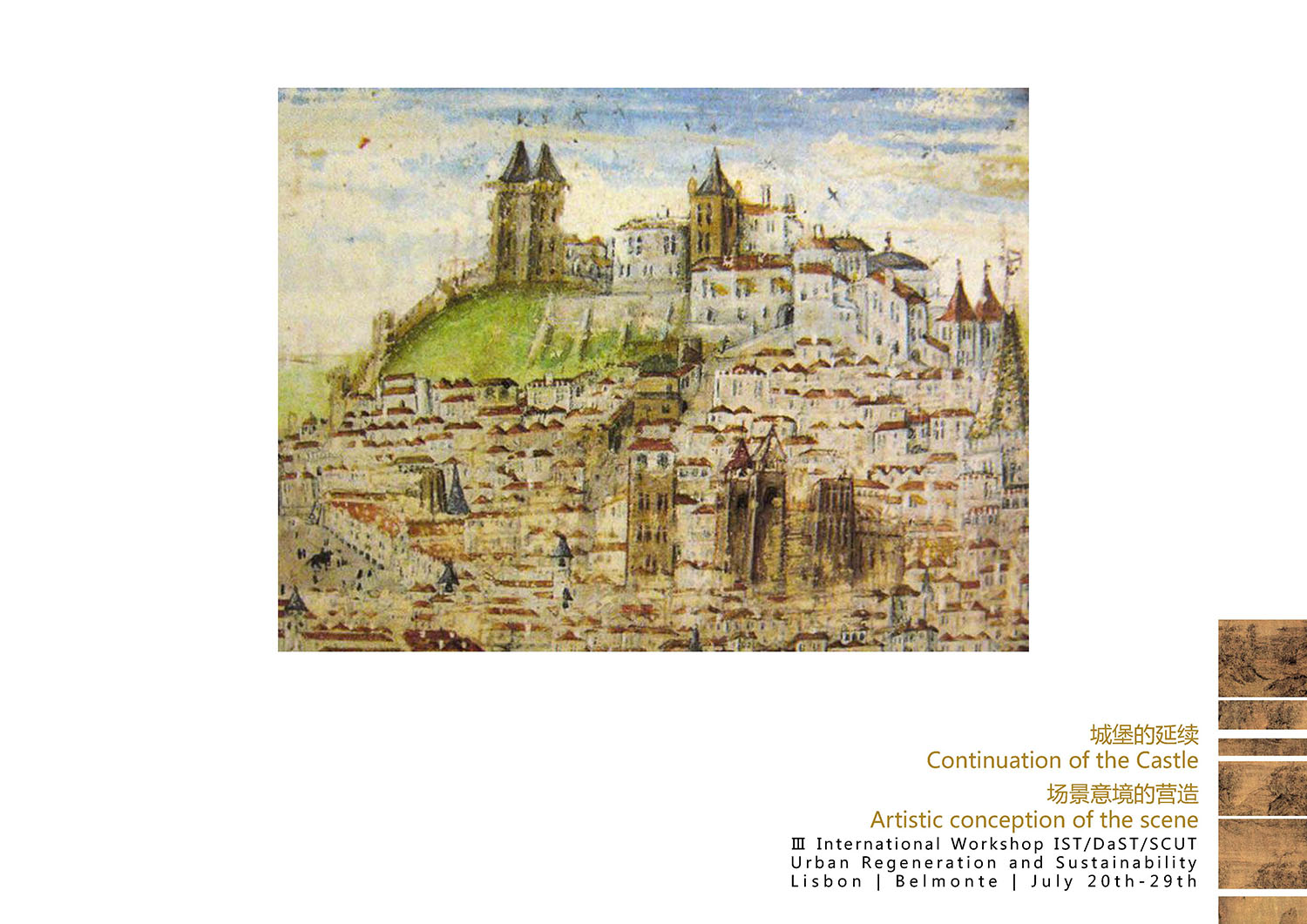
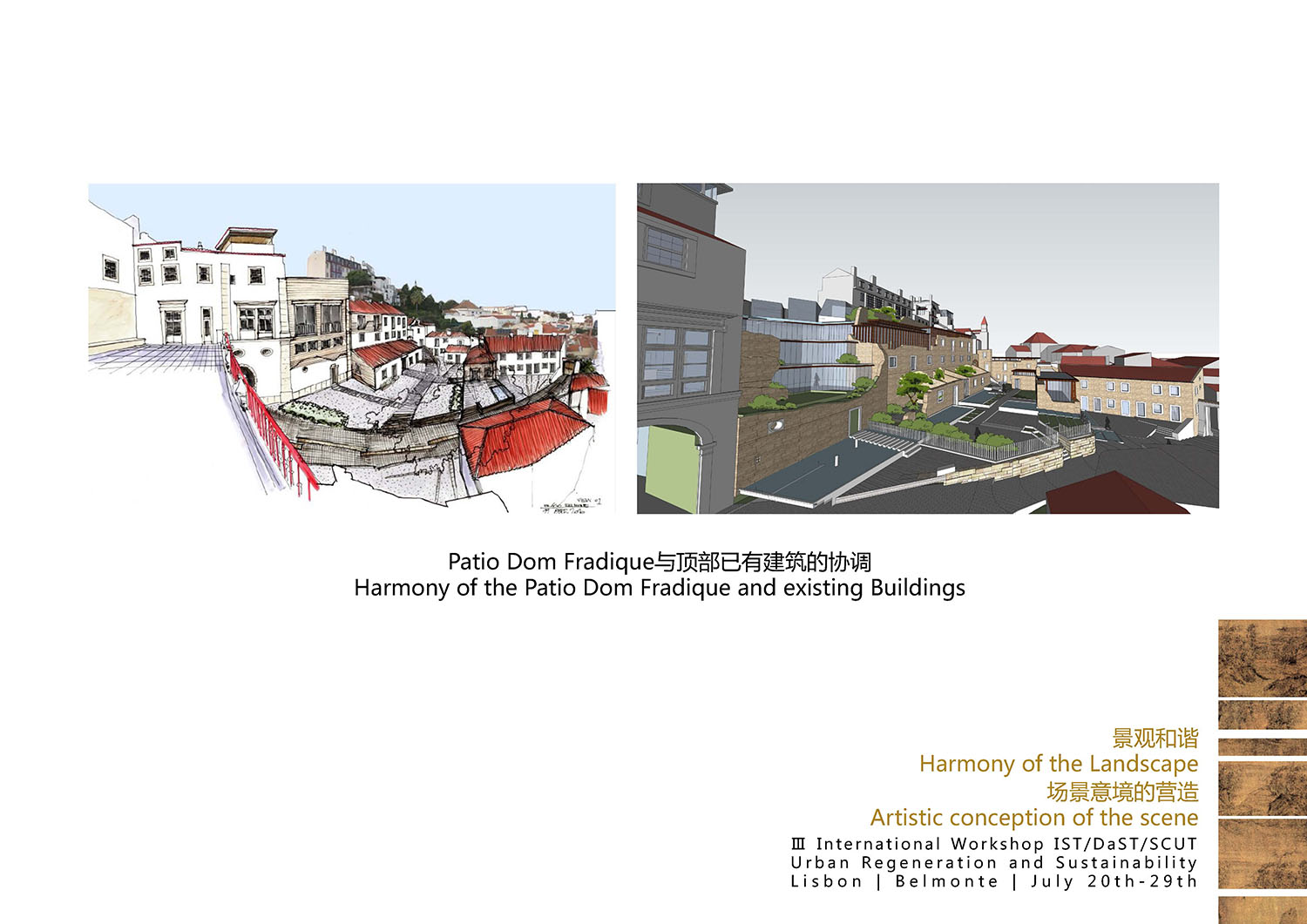
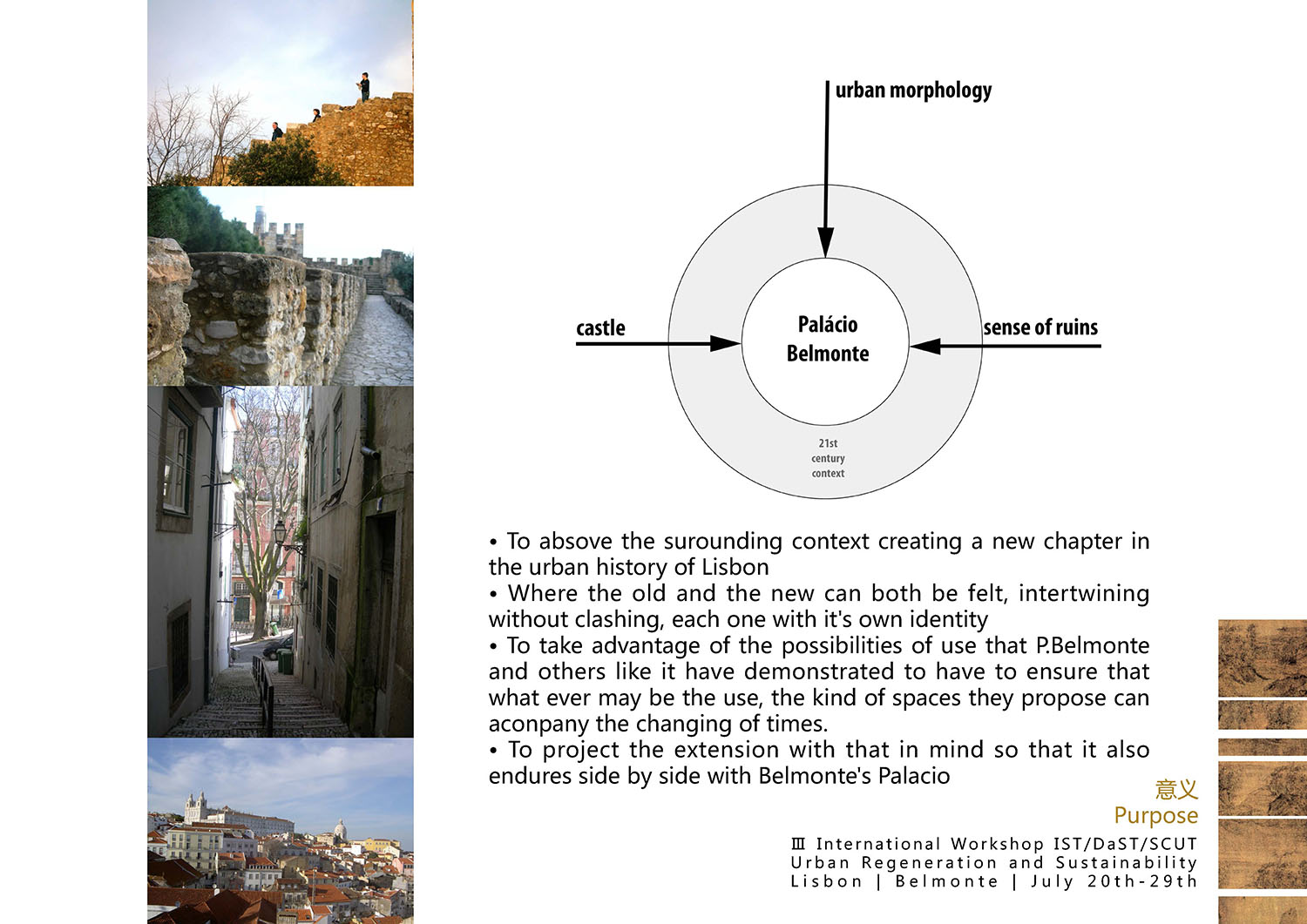
Bairro Destino will be anchored in the historic House of the Marquis of Atalaia and the Earl of Belmonte Cabral, whose families lived on this site for more than five centuries. The house stands atop ancient vernacular foundations in the western ocean capital of Europe, overlooking monasteries and churches, the Alfama district, the former Judaria and the Tejo estuary once filled with steamers and caravels.
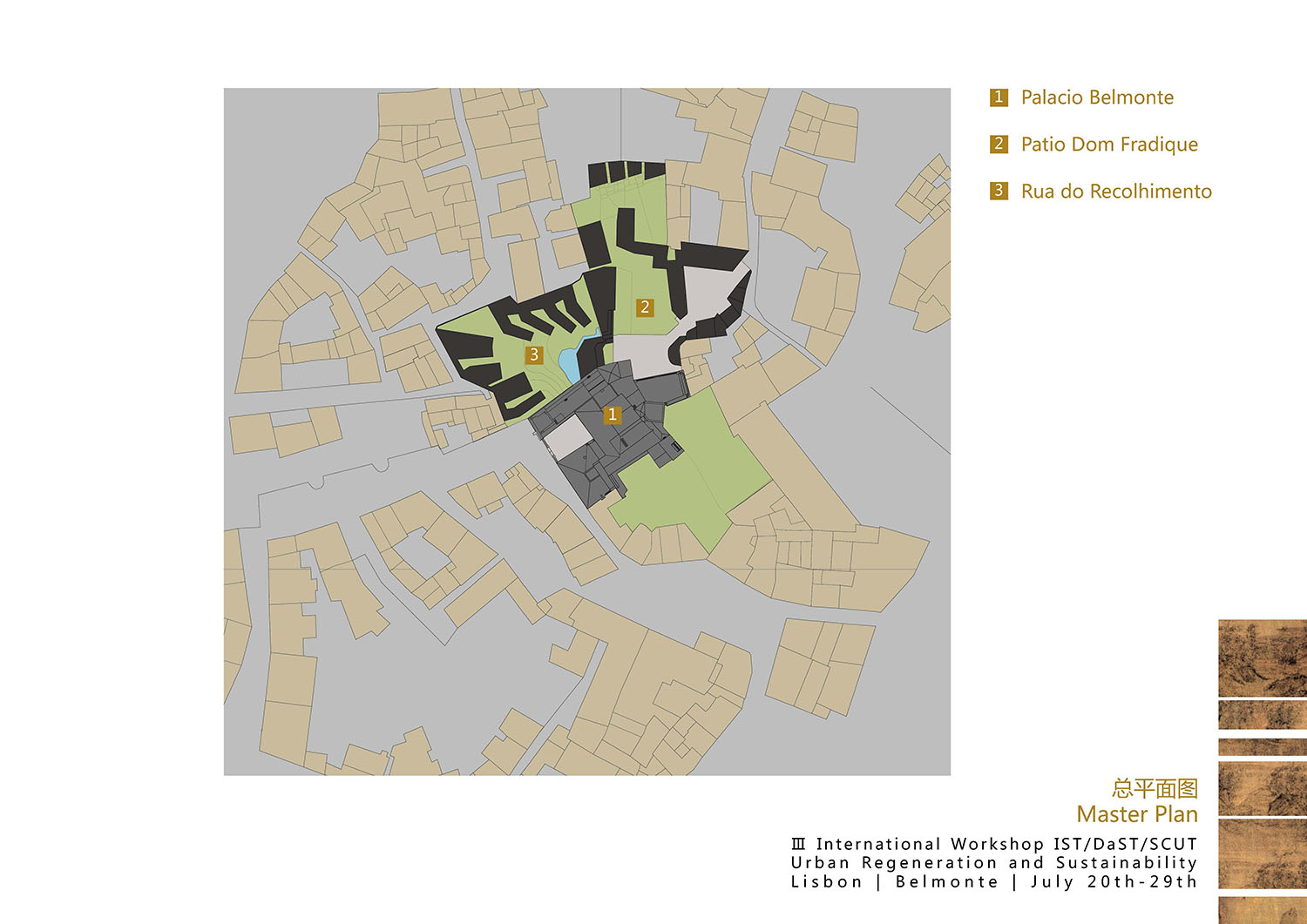
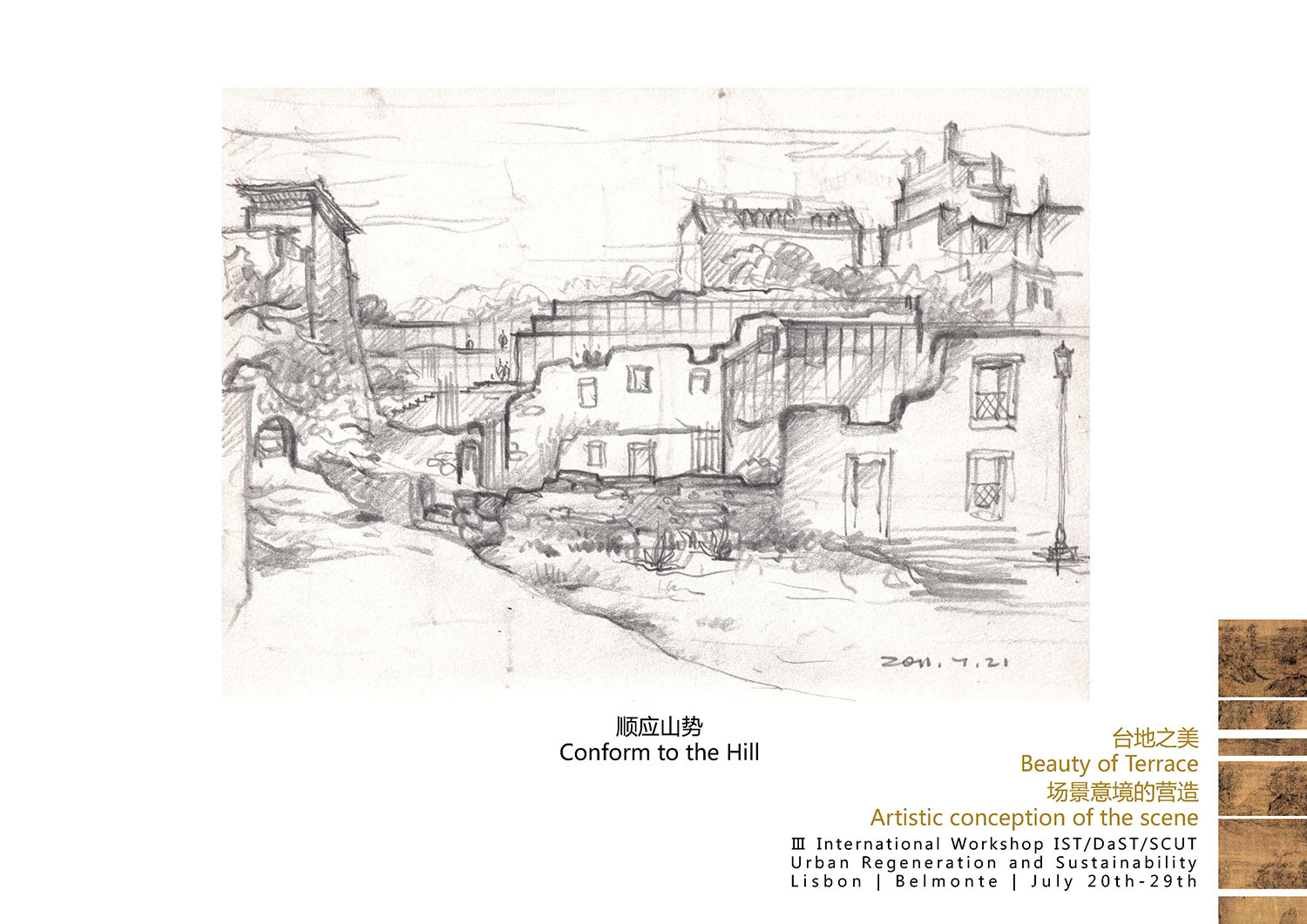
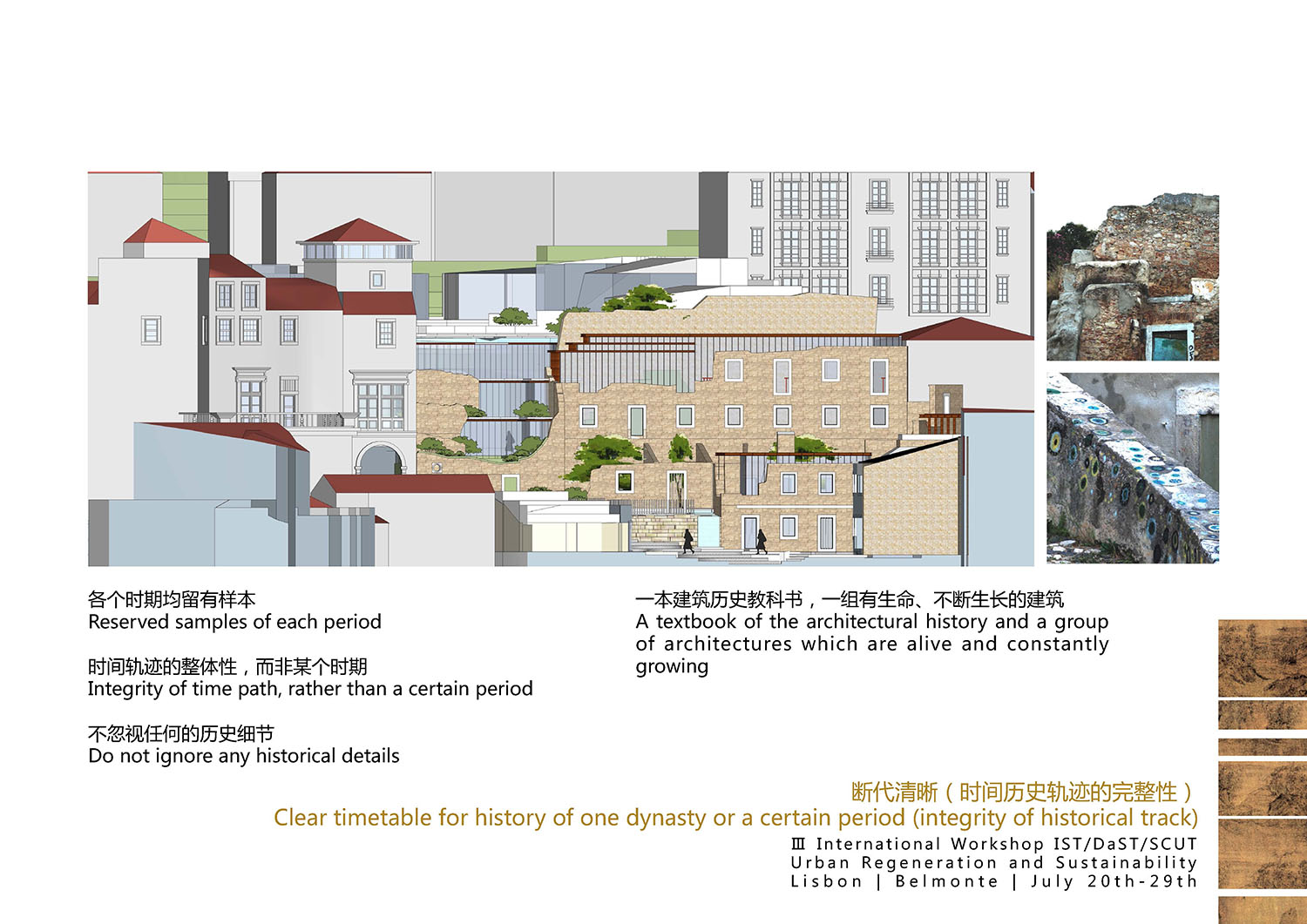
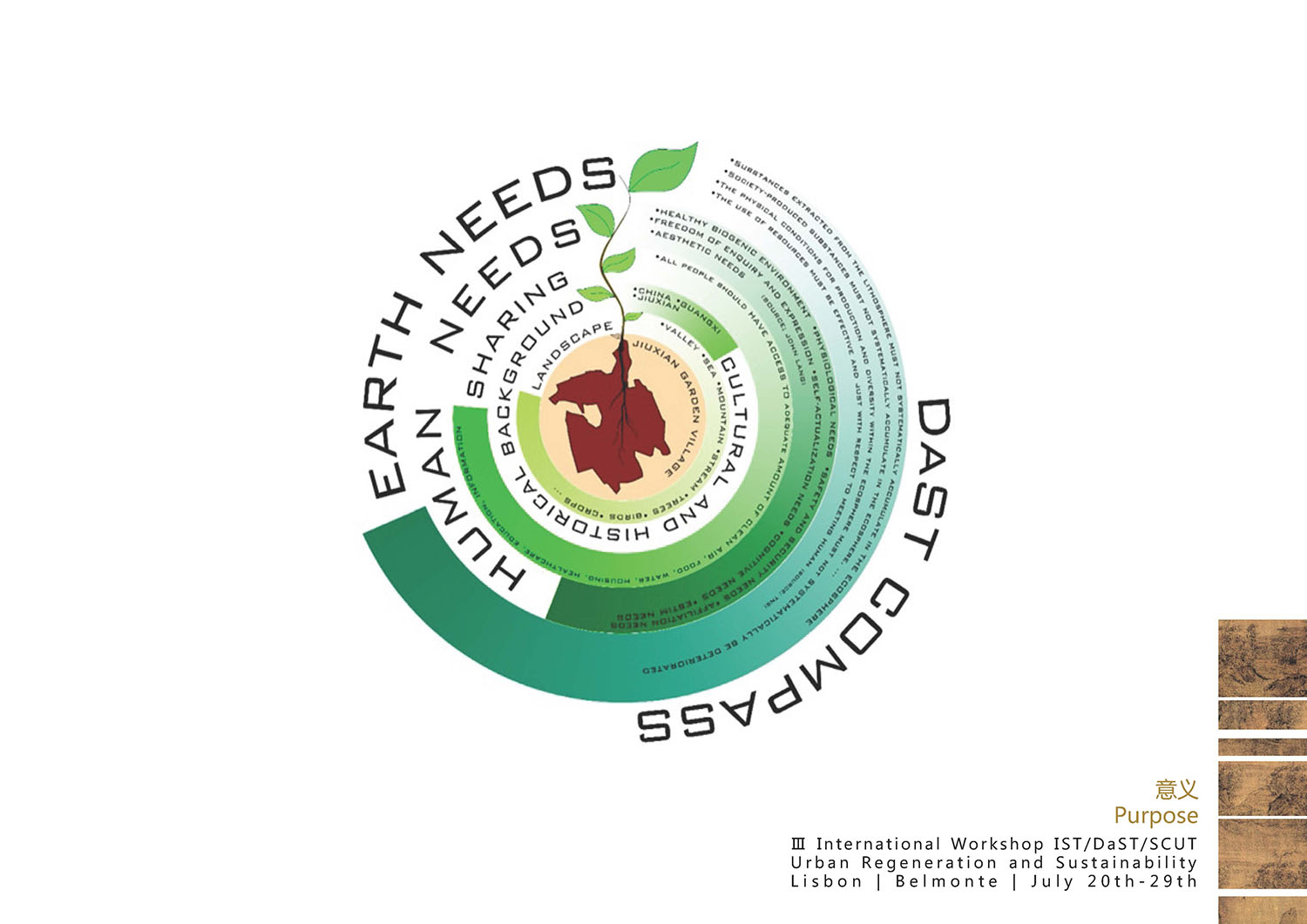
Palácio Belmonte is a sculptural landmark, a two thousand one hundred and ninety seven year synthesis of Portuguese history. Its restoration, carried out according to the principles of the Venice Charter and the DaST Compass, received international recognition as an exemplary case of sustainable and harmonious urban regeneration. Enclosed within Travessa do Funil, Largo do Contador Mor, Beco da Maldonado and Rua dos Cegos, all names of medieval origin, the house forms the perfect anchor for the project and a bridge between past and present.
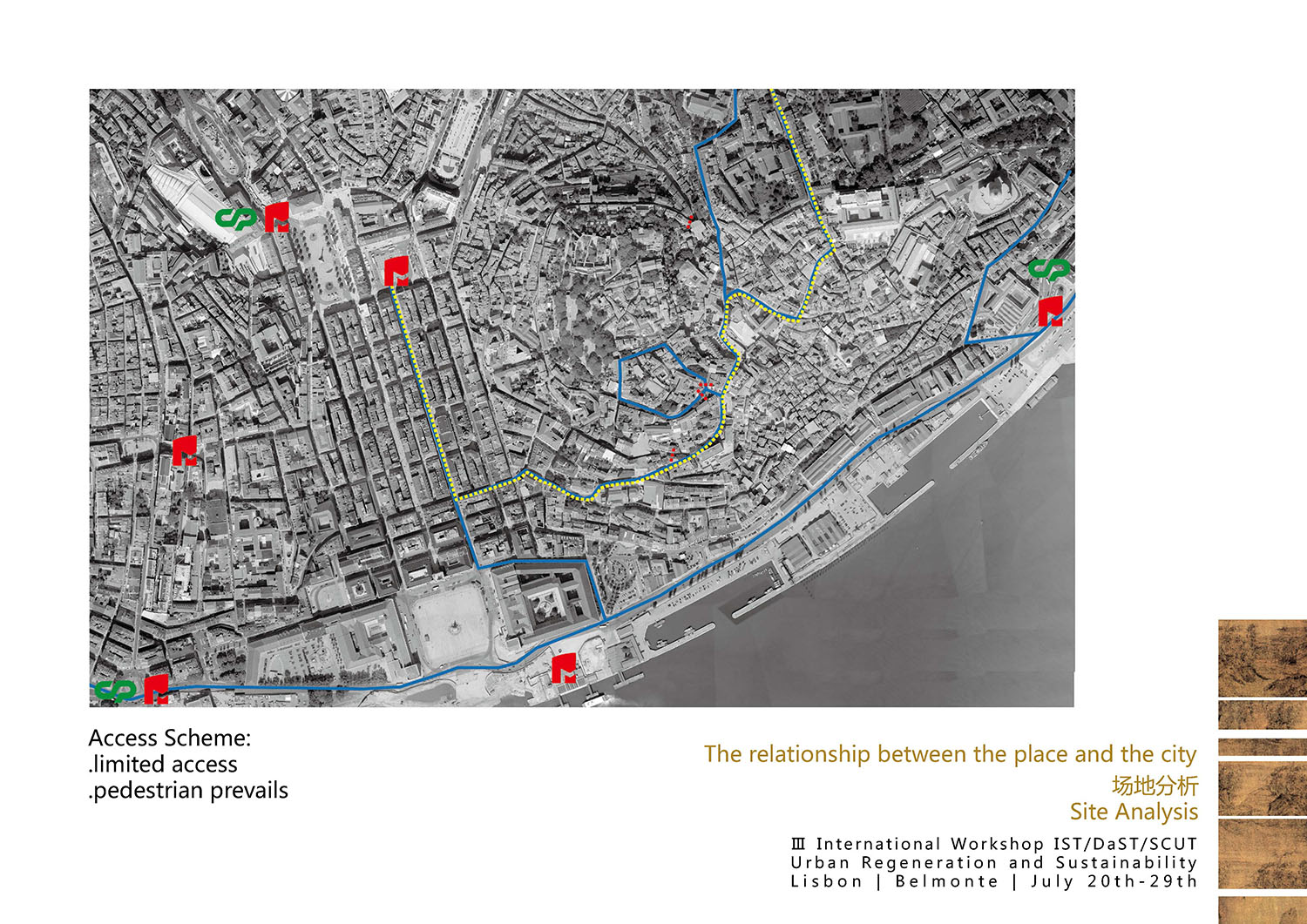
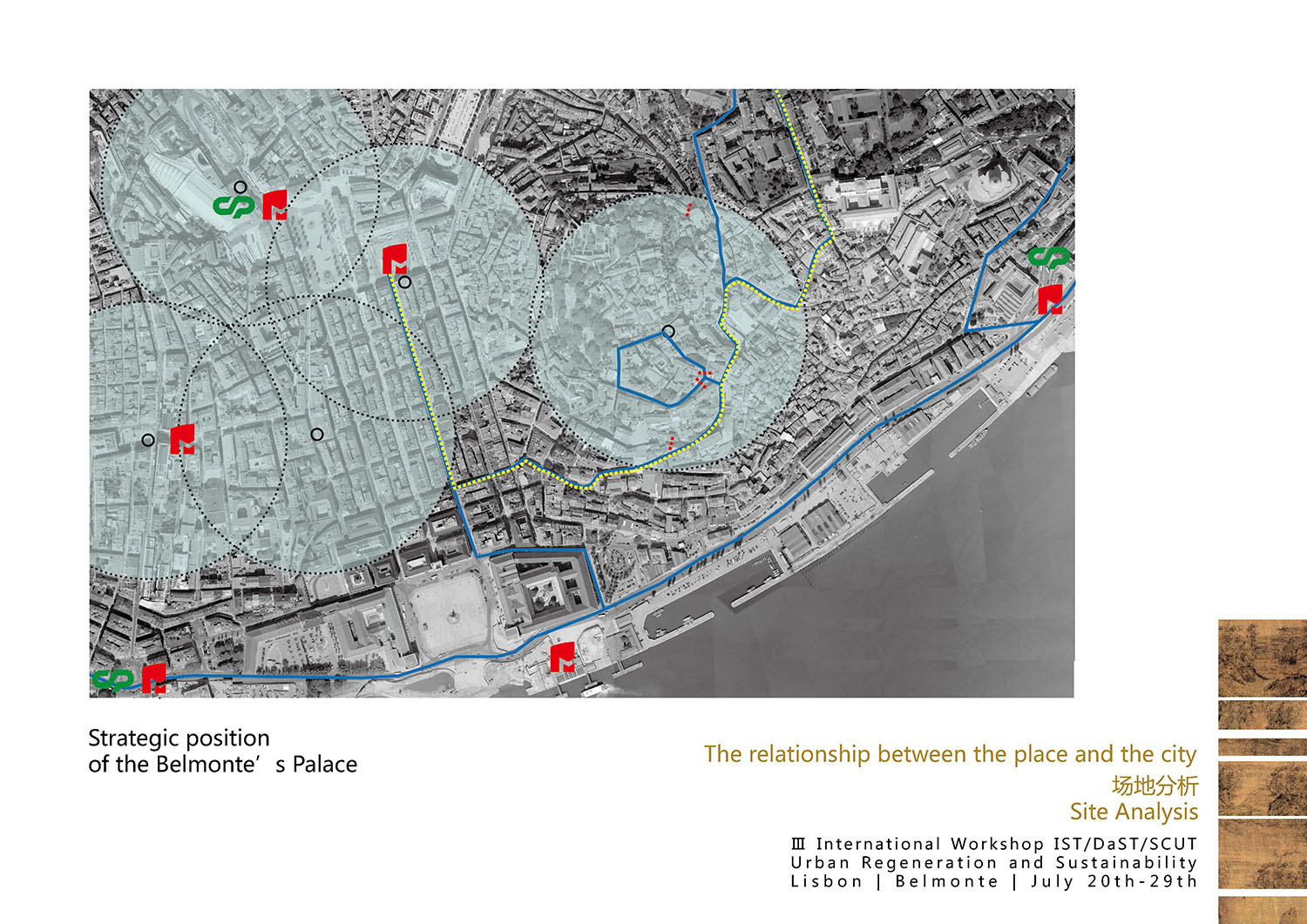
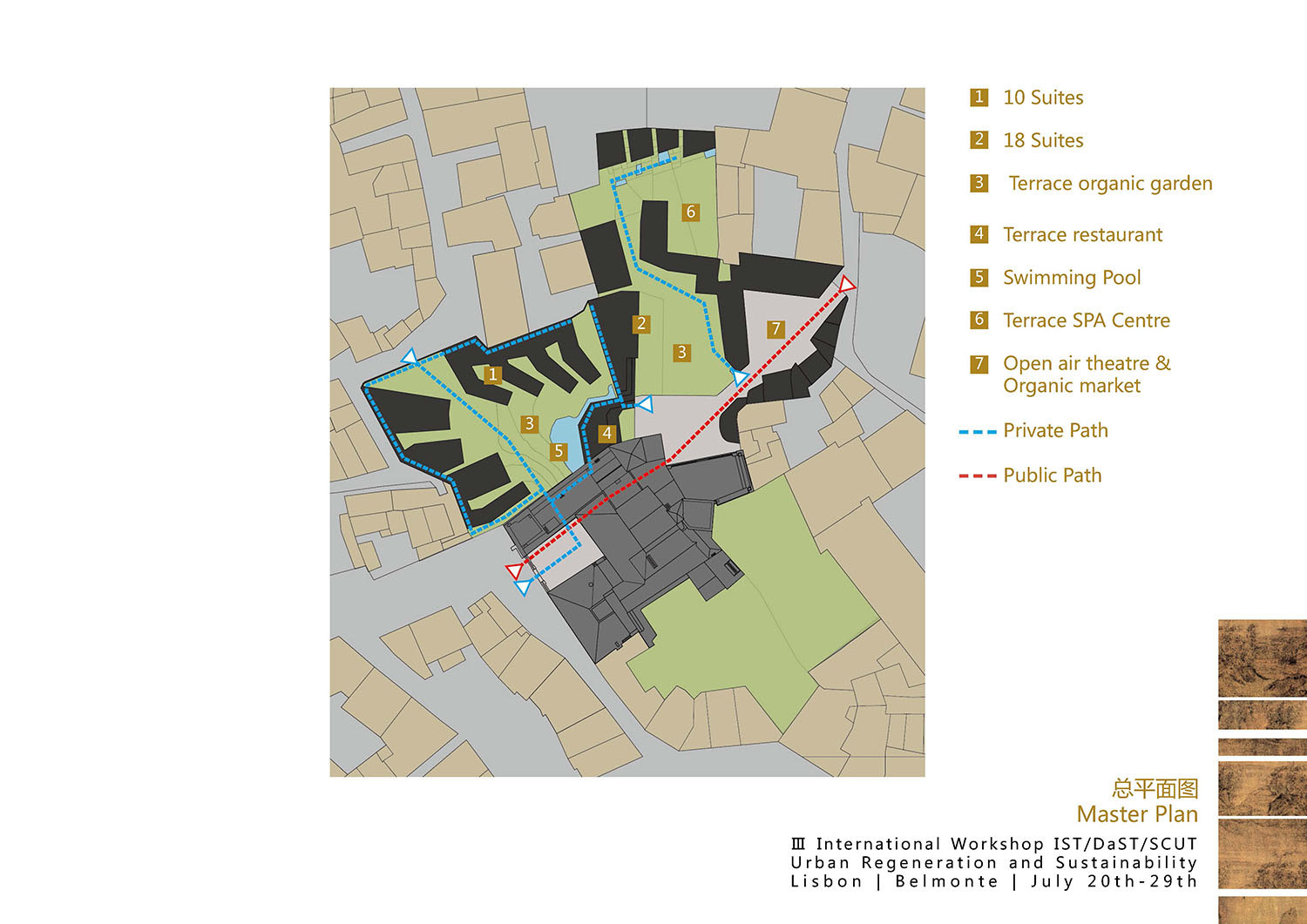
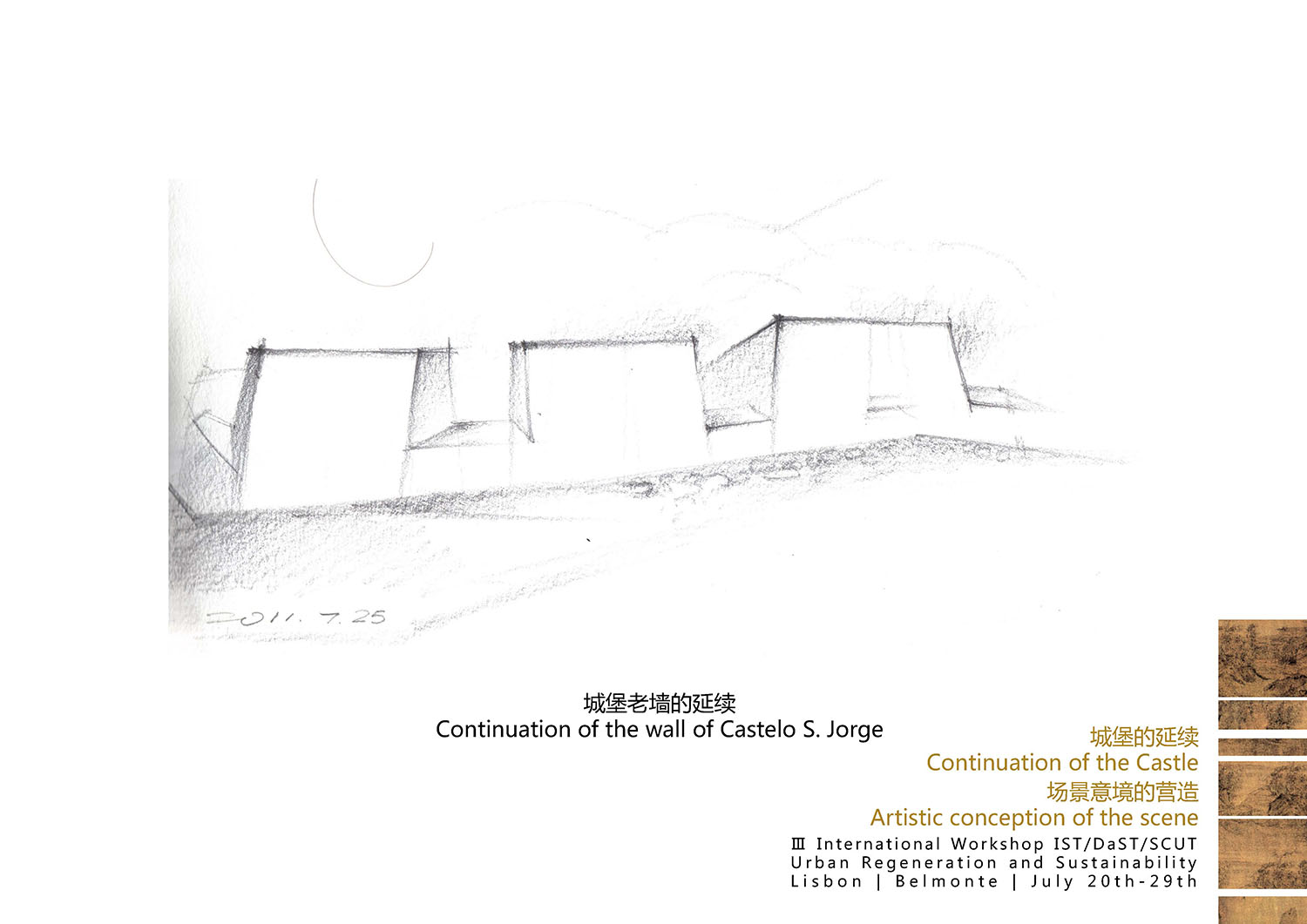
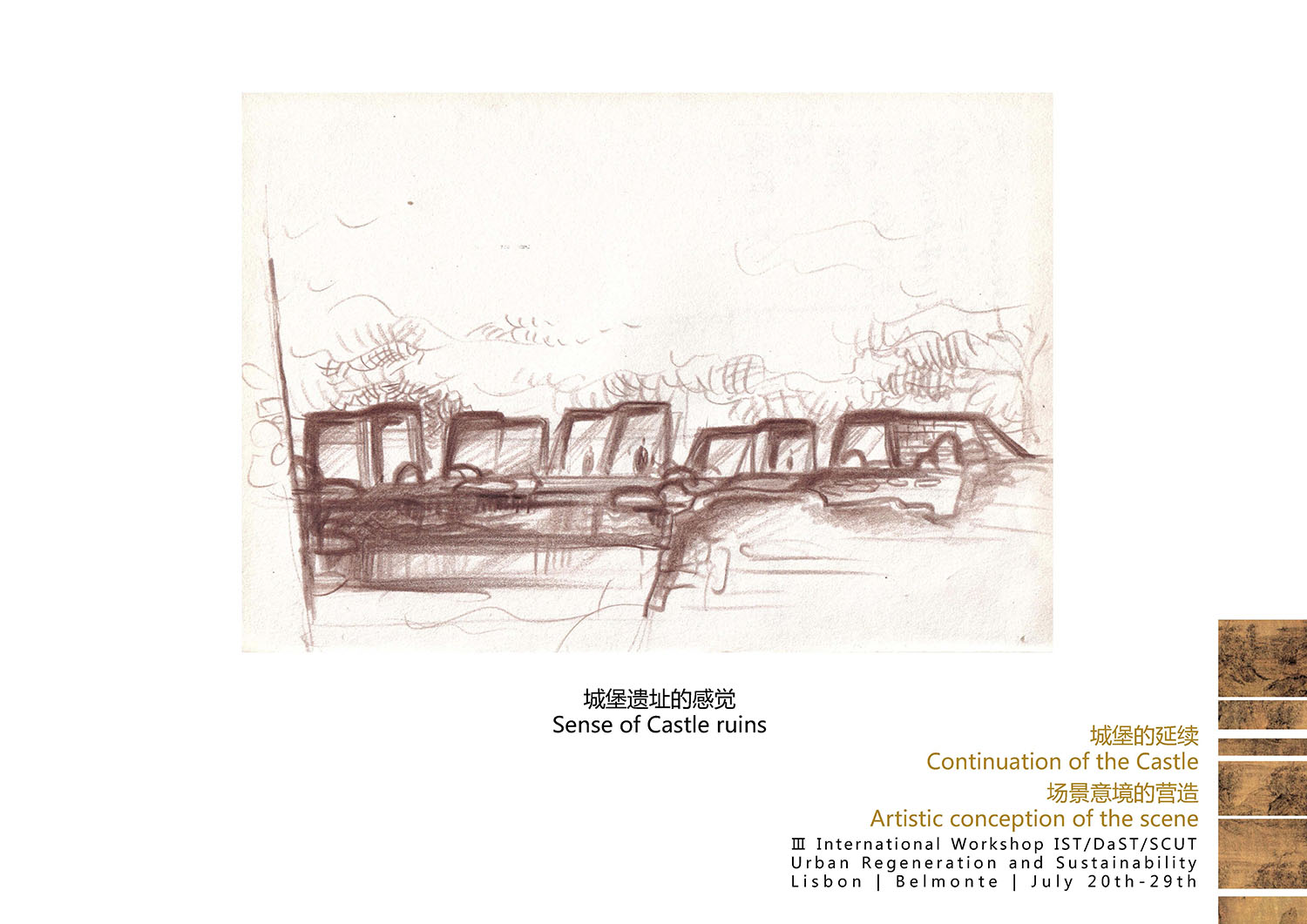
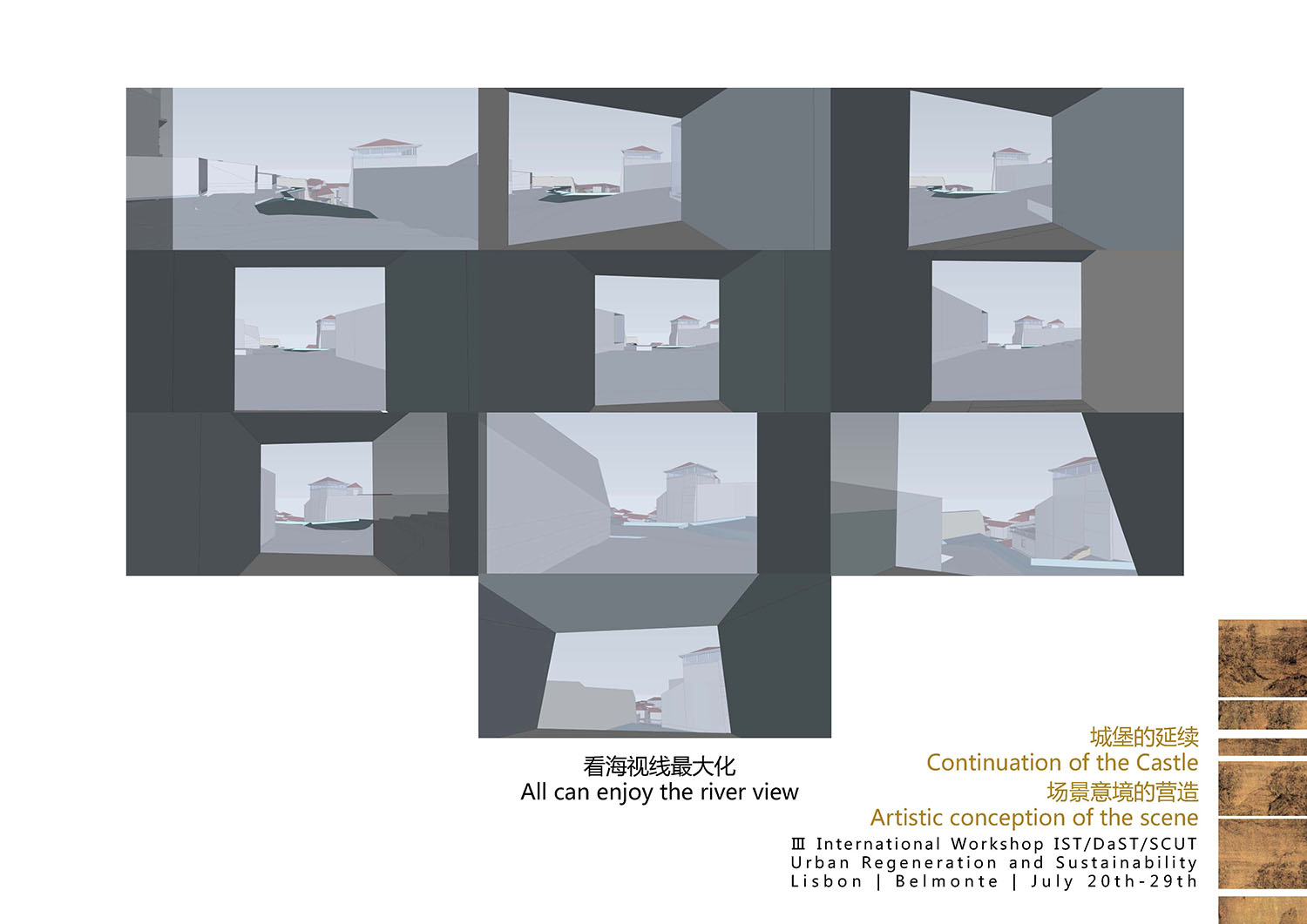
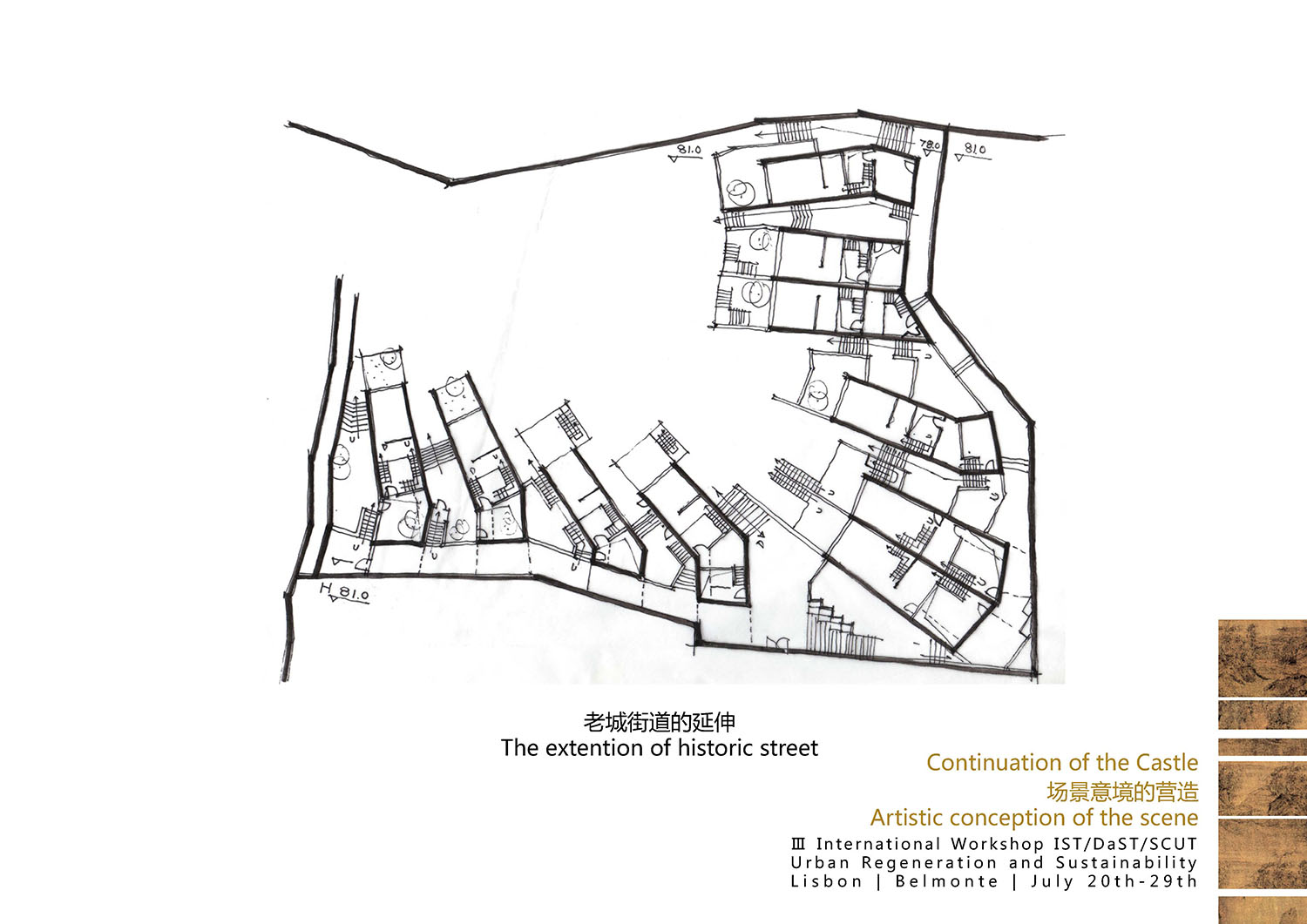
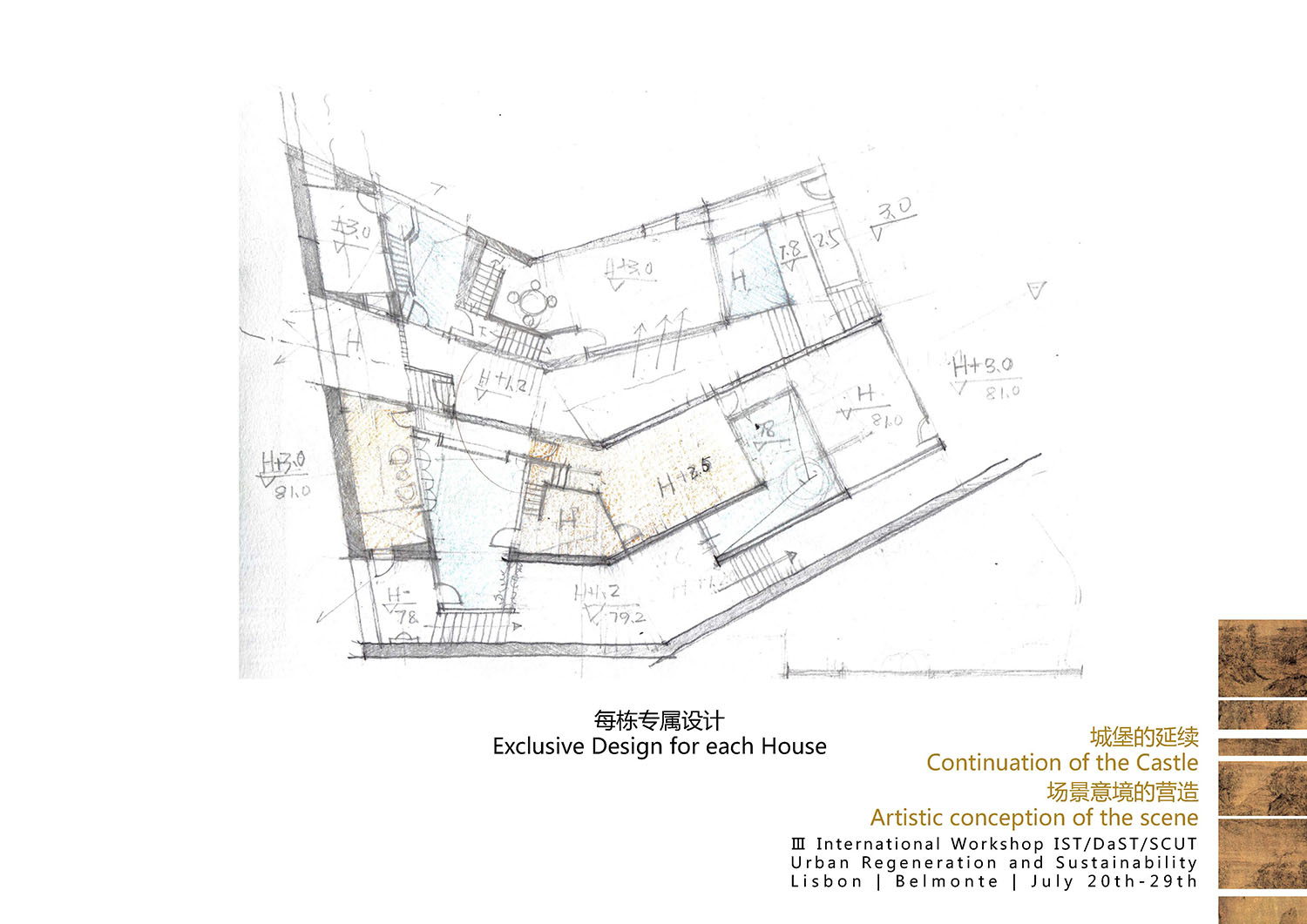
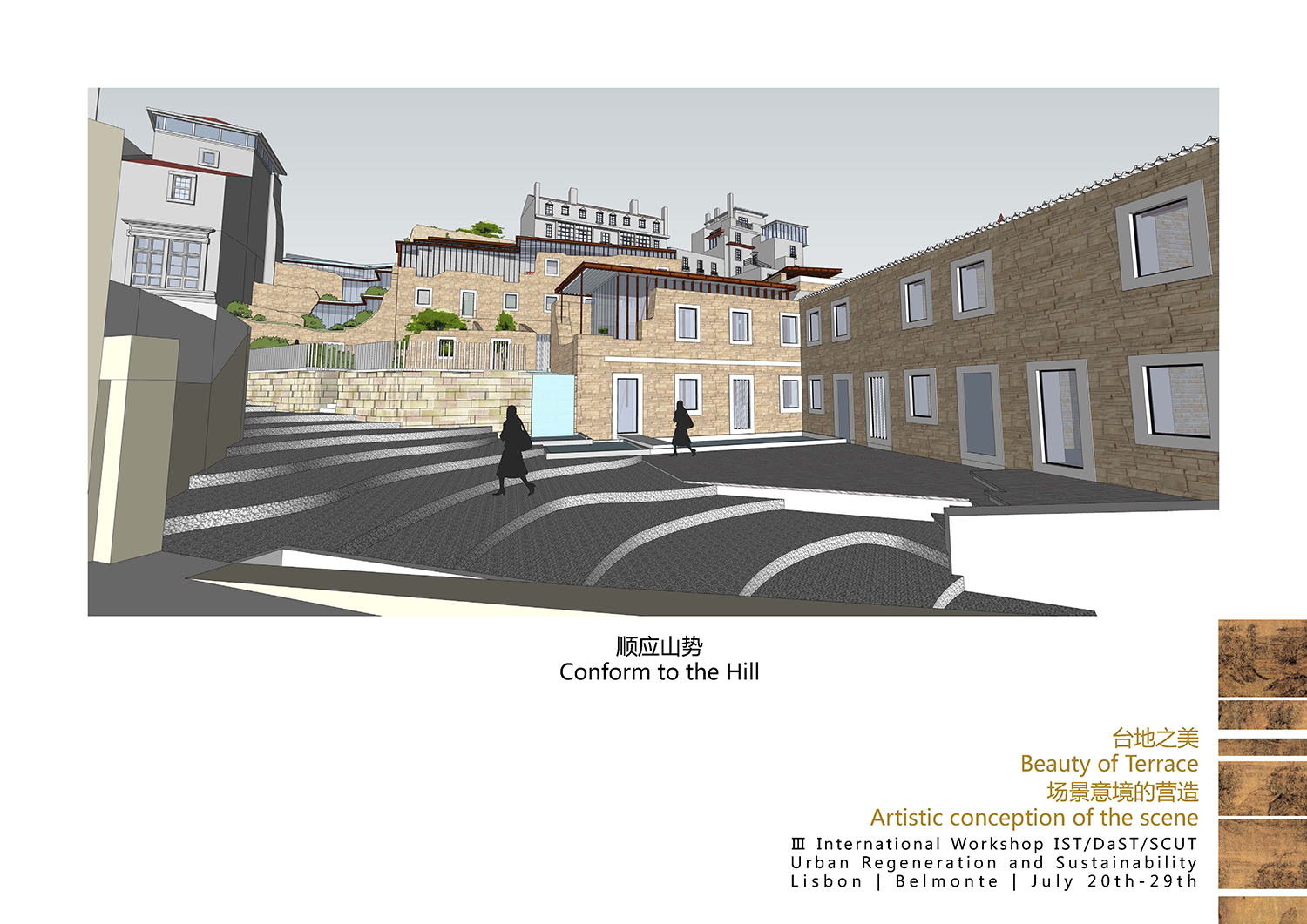
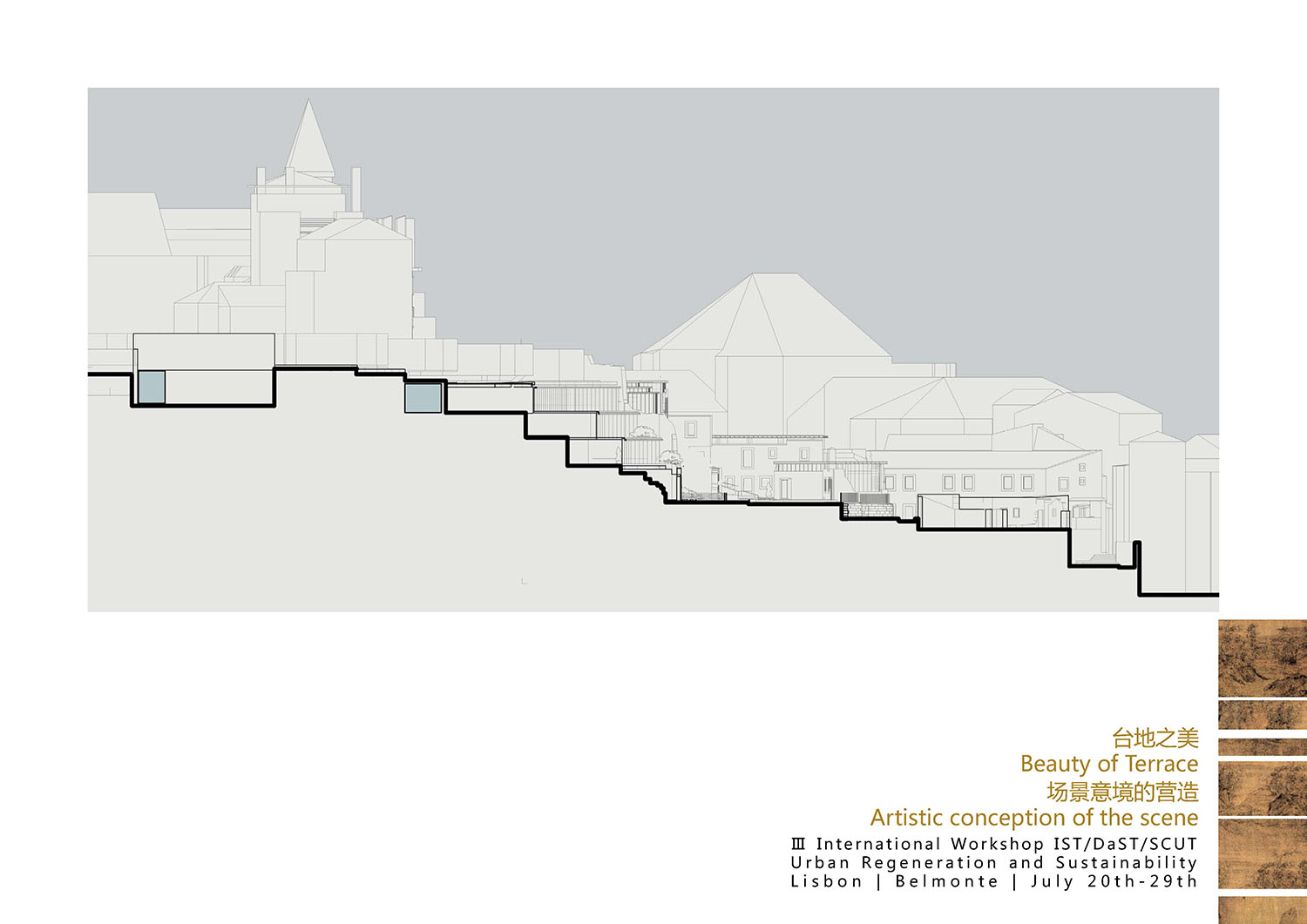
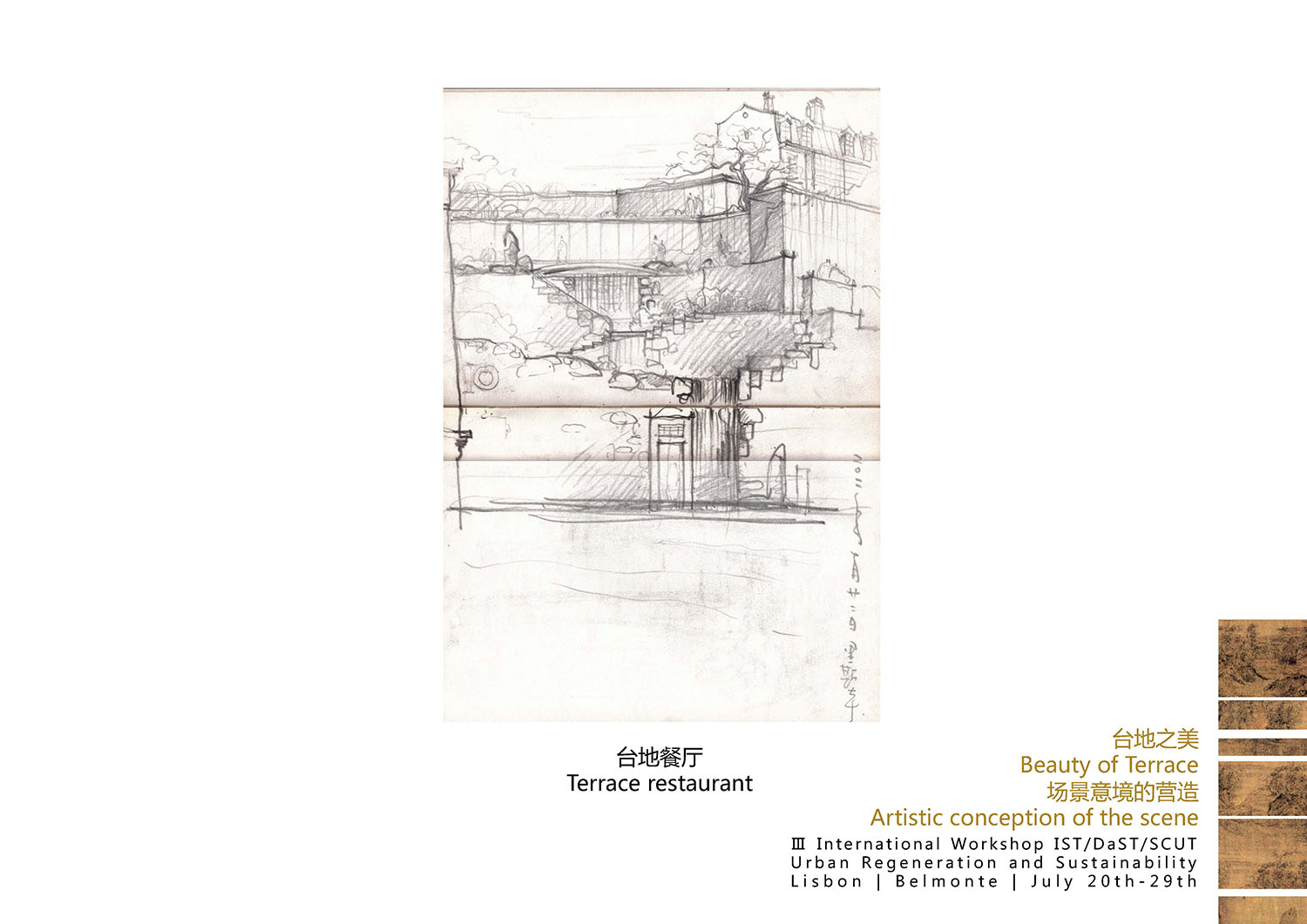
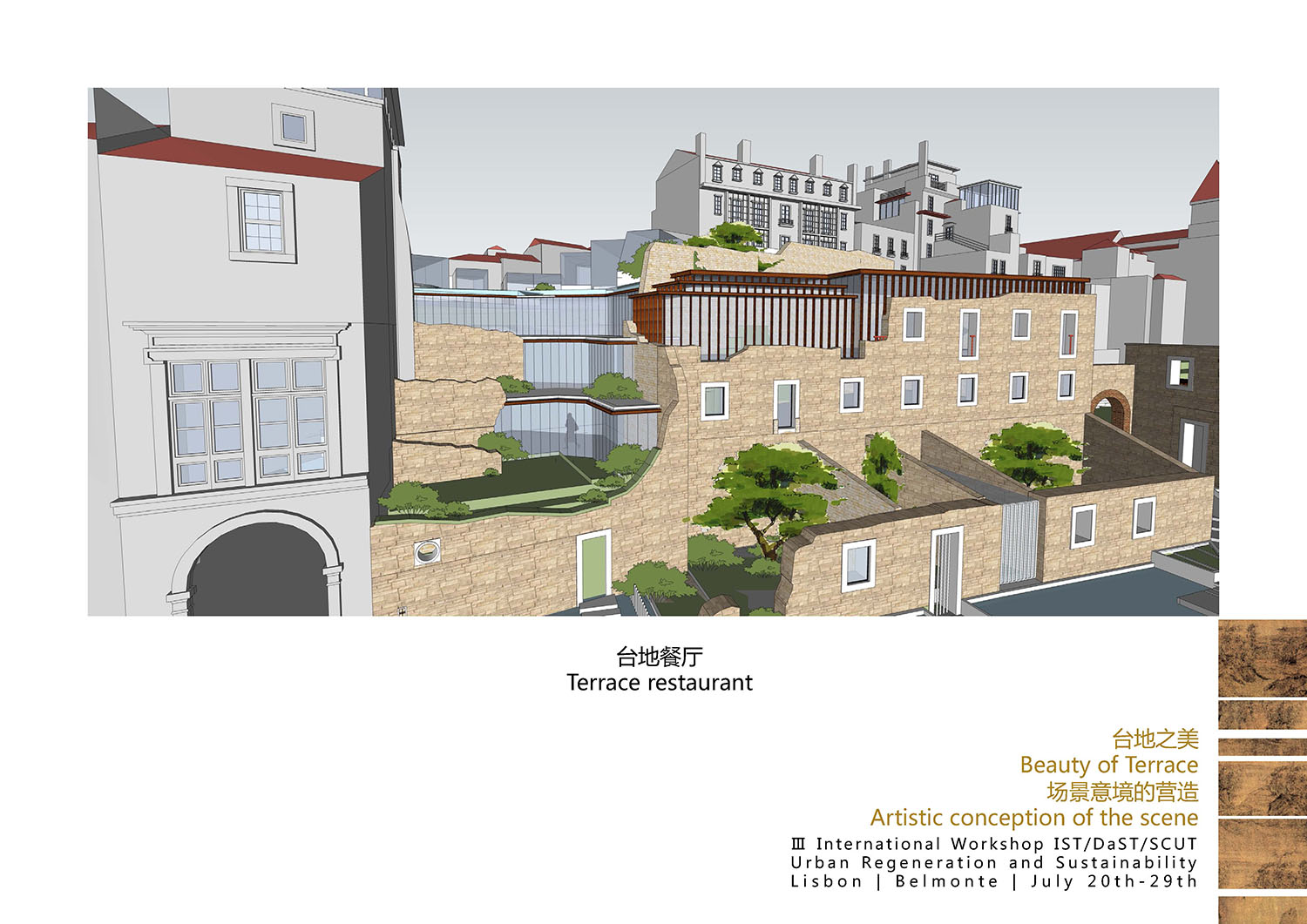
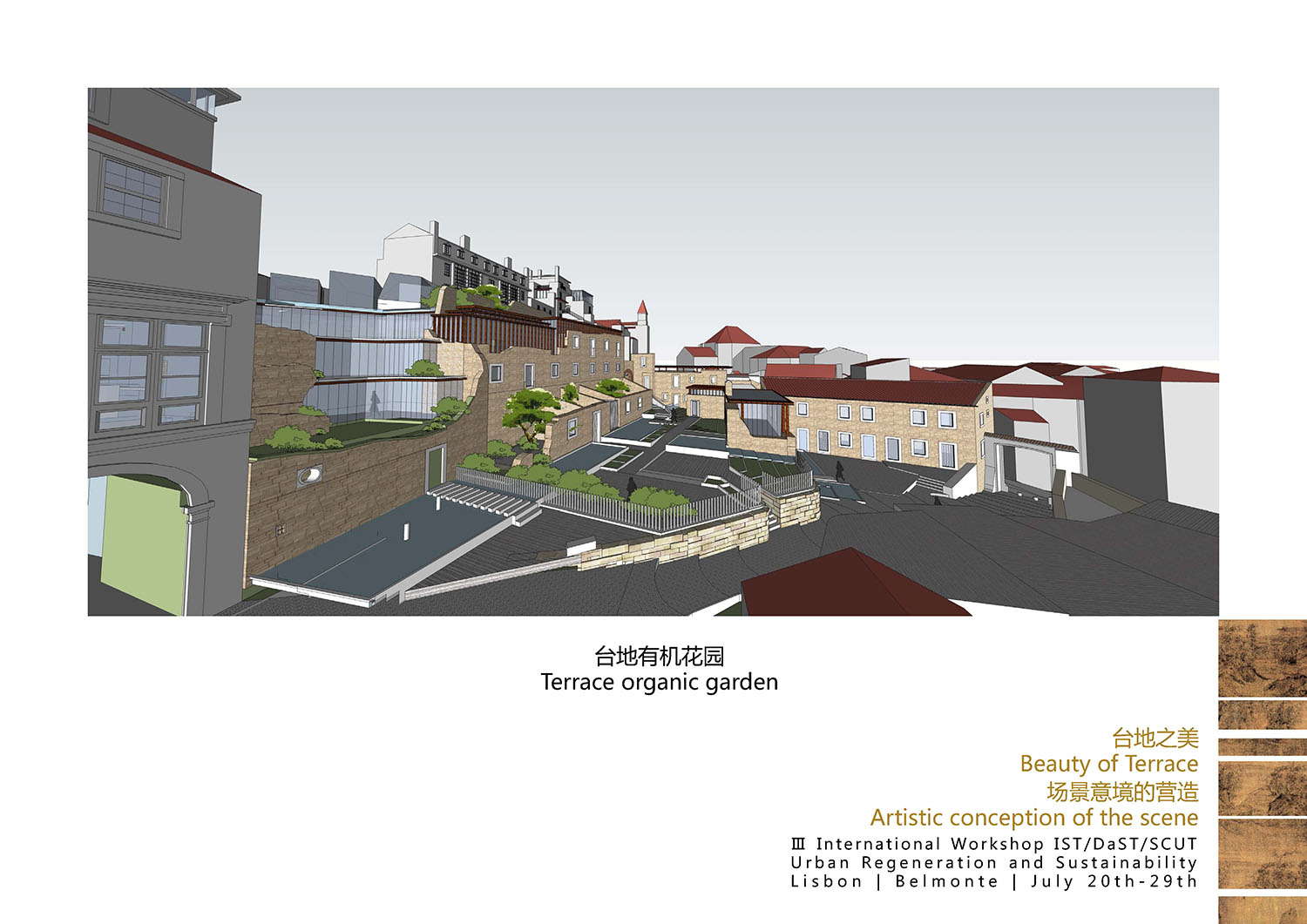
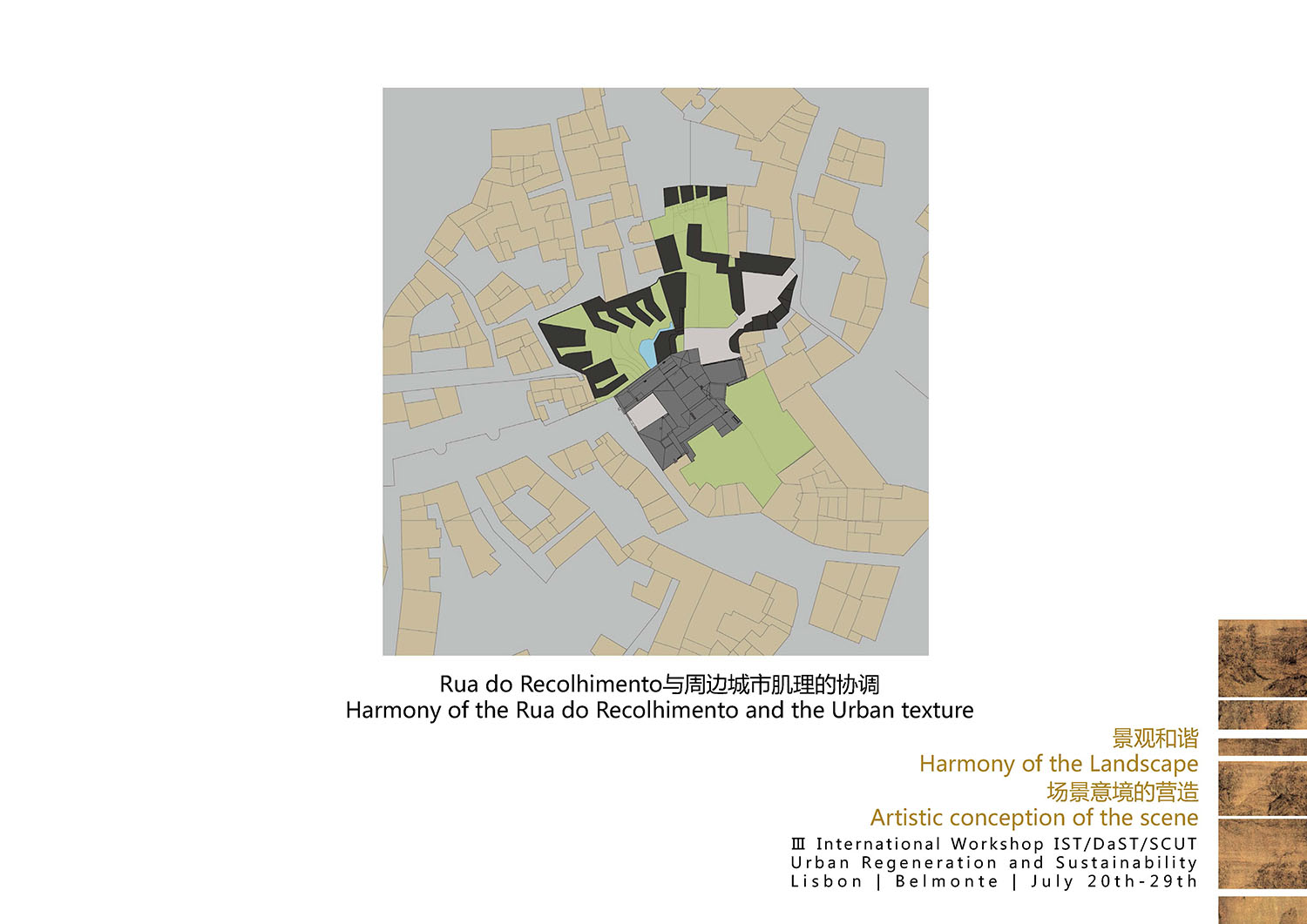
Between the two red gates of the Belmonte, on the east and north sides of the palace, beginning at Praça do Sol, the next phase of development will be established. This includes the Belmonte Residence Hotel, a thirty unit hotel composed of apartments and suites, along with a small spa, gardens, a vegetable garden and a restaurant.
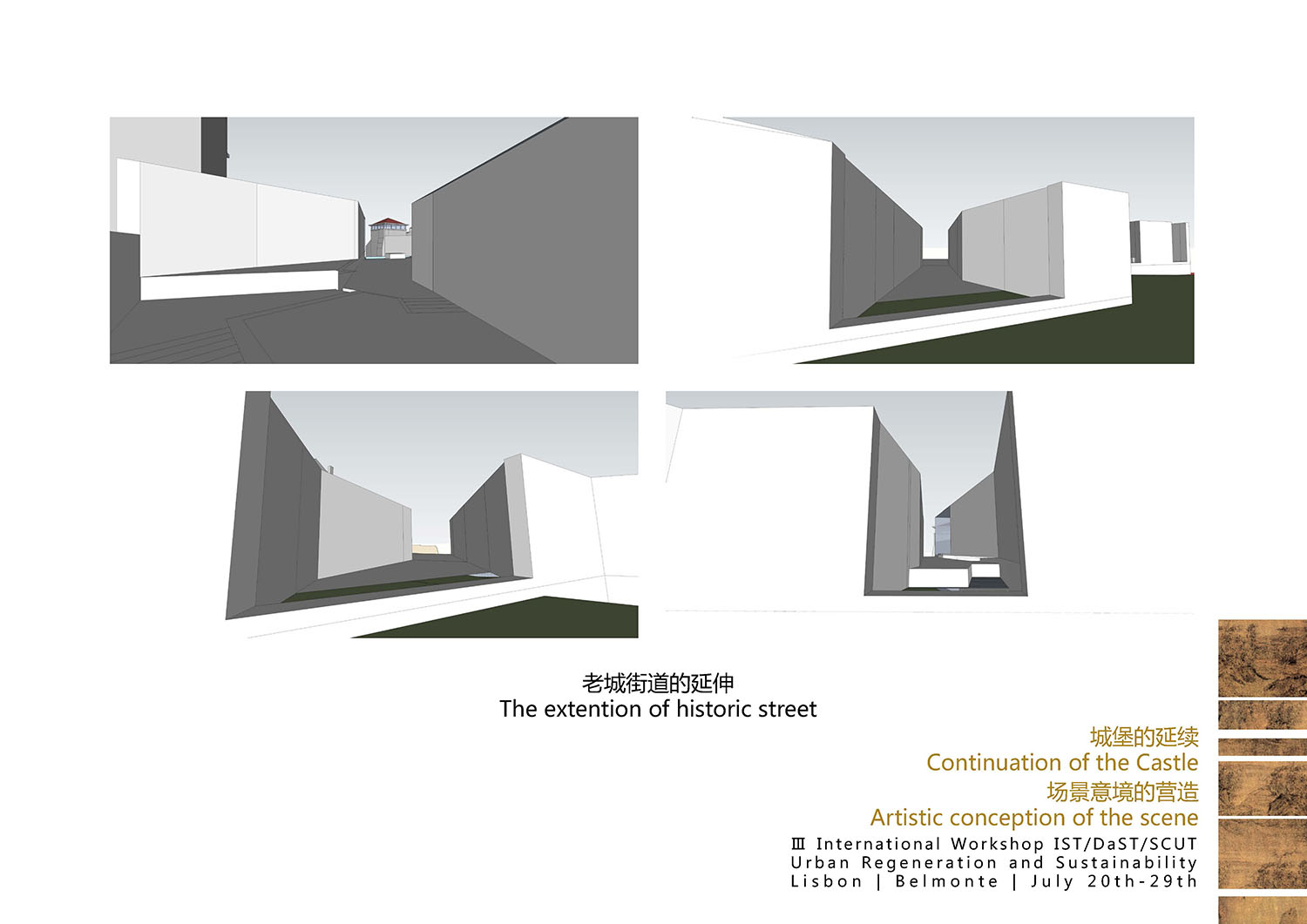
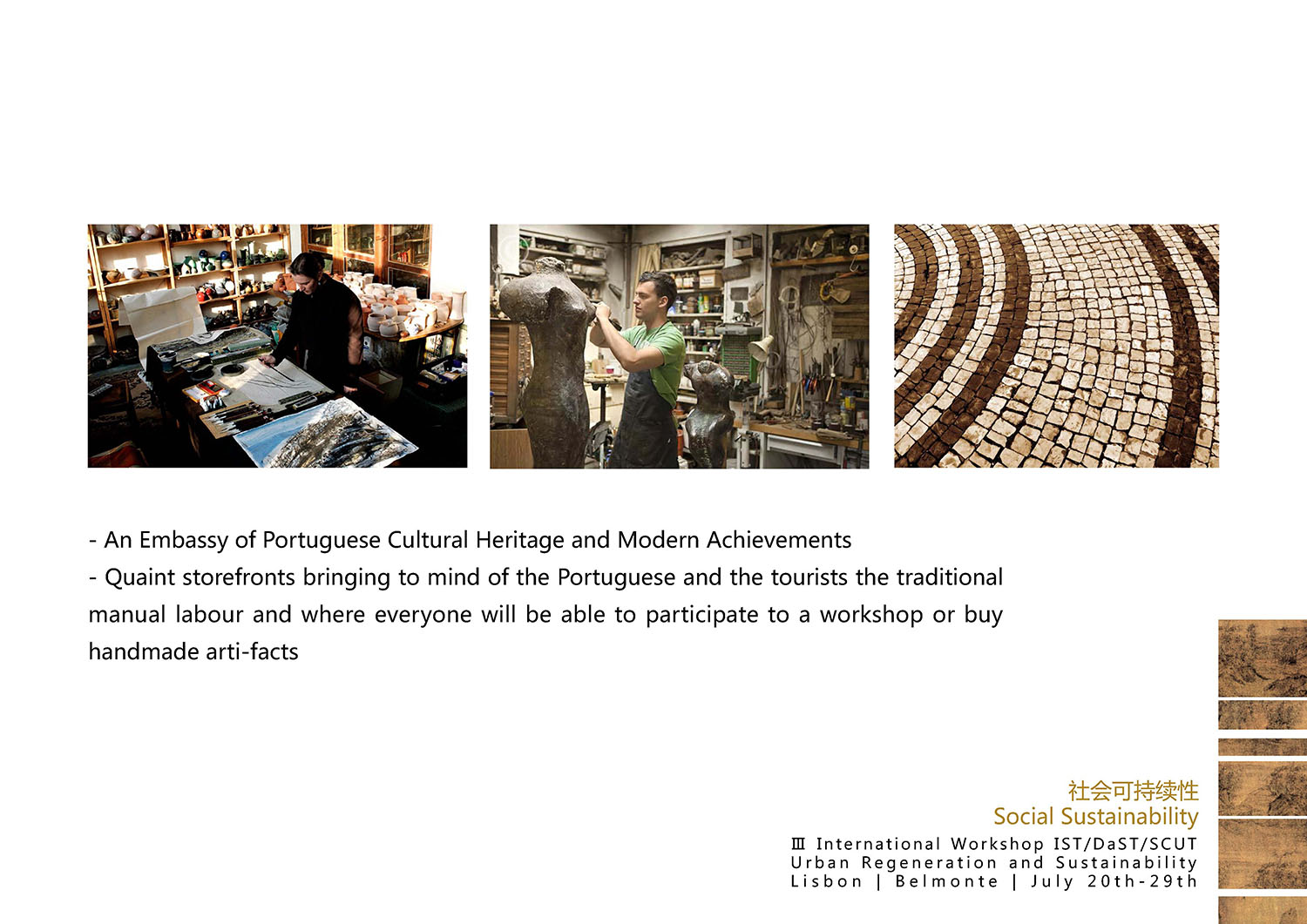
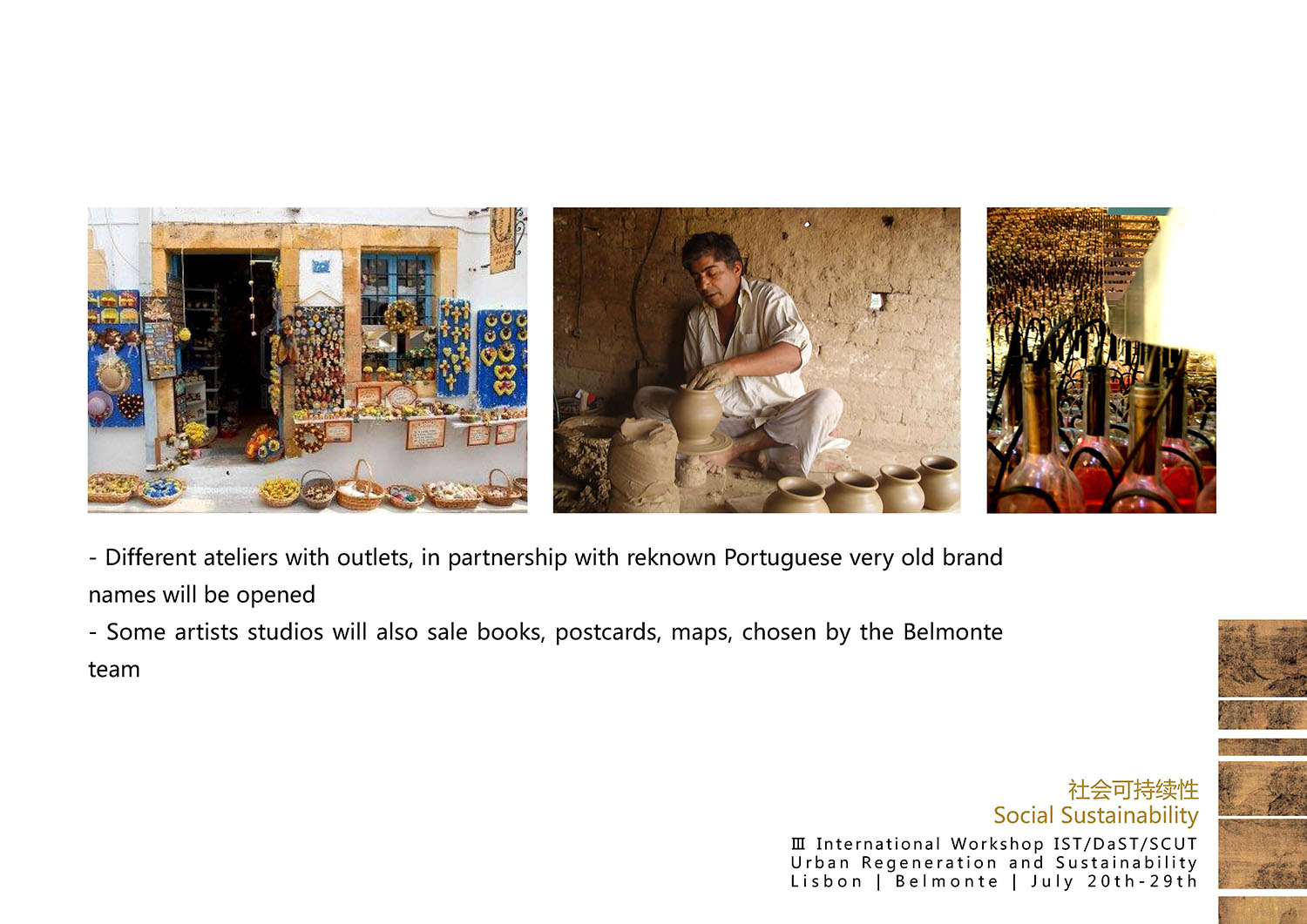
Running through the heart of this newly designed historic neighbourhood will be a vibrant pedestrian corridor, open daily from 9am to 10pm in respect of local community rhythms. It will be lively, fluid and welcoming, celebrating Portugal’s explorers, writers, early scientists and master craftsmen. The space will be filled with small corners and storefronts reminiscent of traditional manual trades where visitors can participate in workshops or purchase handmade pieces crafted openly by artisans whose skills have been passed down for generations.
A baker will produce bread from Alentejo. A pastry shop will prepare traditional Portuguese cakes made with egg yolks, sharing the story of their monastic origins. These shops will be alive with activity and rich aromas. A small wine bar in a classic style will offer Portuguese wines, cheeses and olive oils. Its terrace, shaded by vines and facing the River Tejo, will host informal storytelling, where neighbours recount tales of pirates and legendary wine feasts from the fifteenth century.
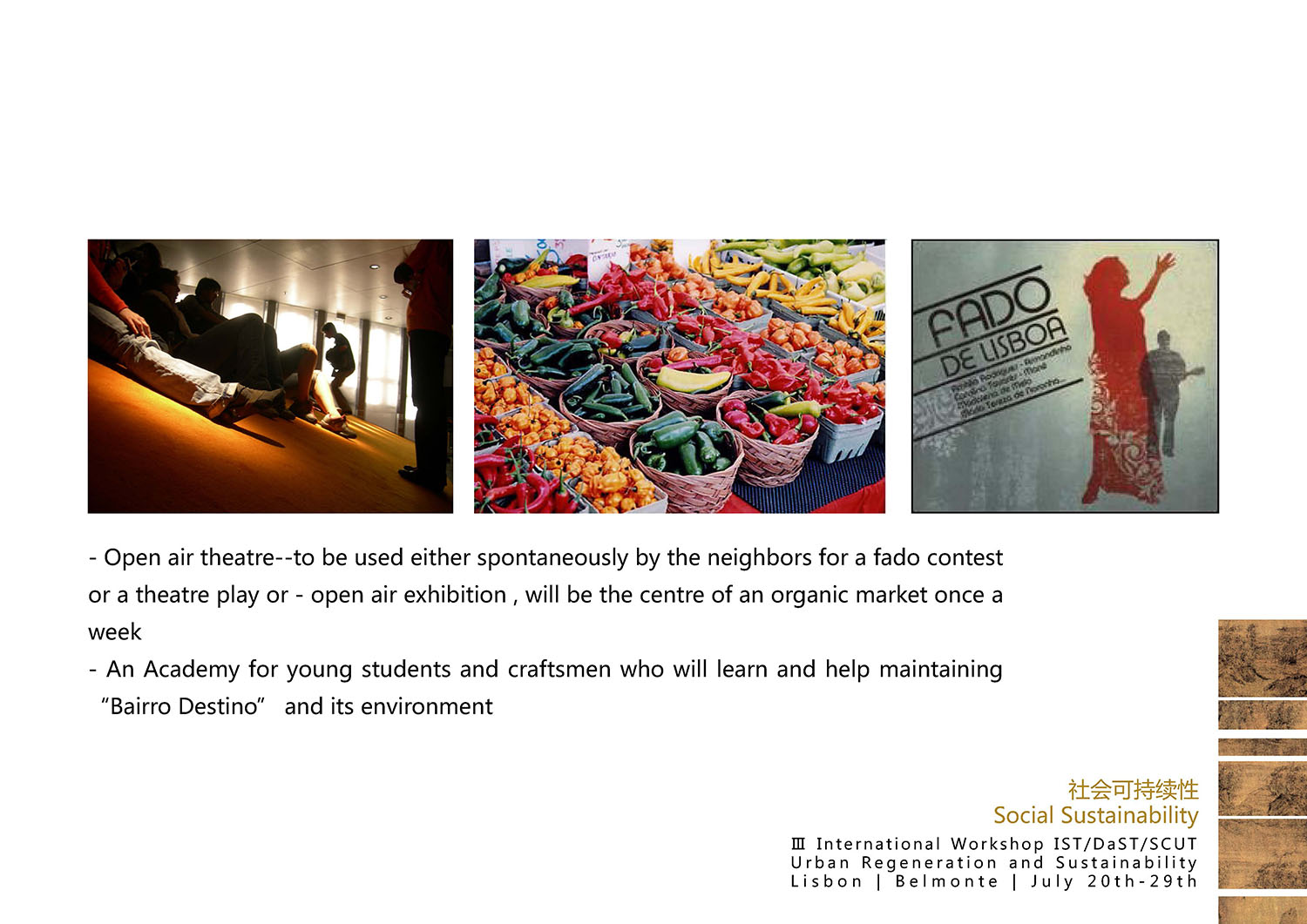
Two triangular squares bordered by mature pine trees will serve as open air theatres. Neighbours may use them spontaneously for fado contests, theatre performances or open air exhibitions. Once a week, they will host an organic market.
A tea house, decorated with replicas of the original boxes that carried tea from the Far East to Europe in the sixteenth century, will feature a large terrace overlooking the patio. Here, a host will share stories about the first Portuguese travellers who brought tea back from Asia, the early trade routes and the arrival of tea culture in Europe. Complementary videos and films will be shown.
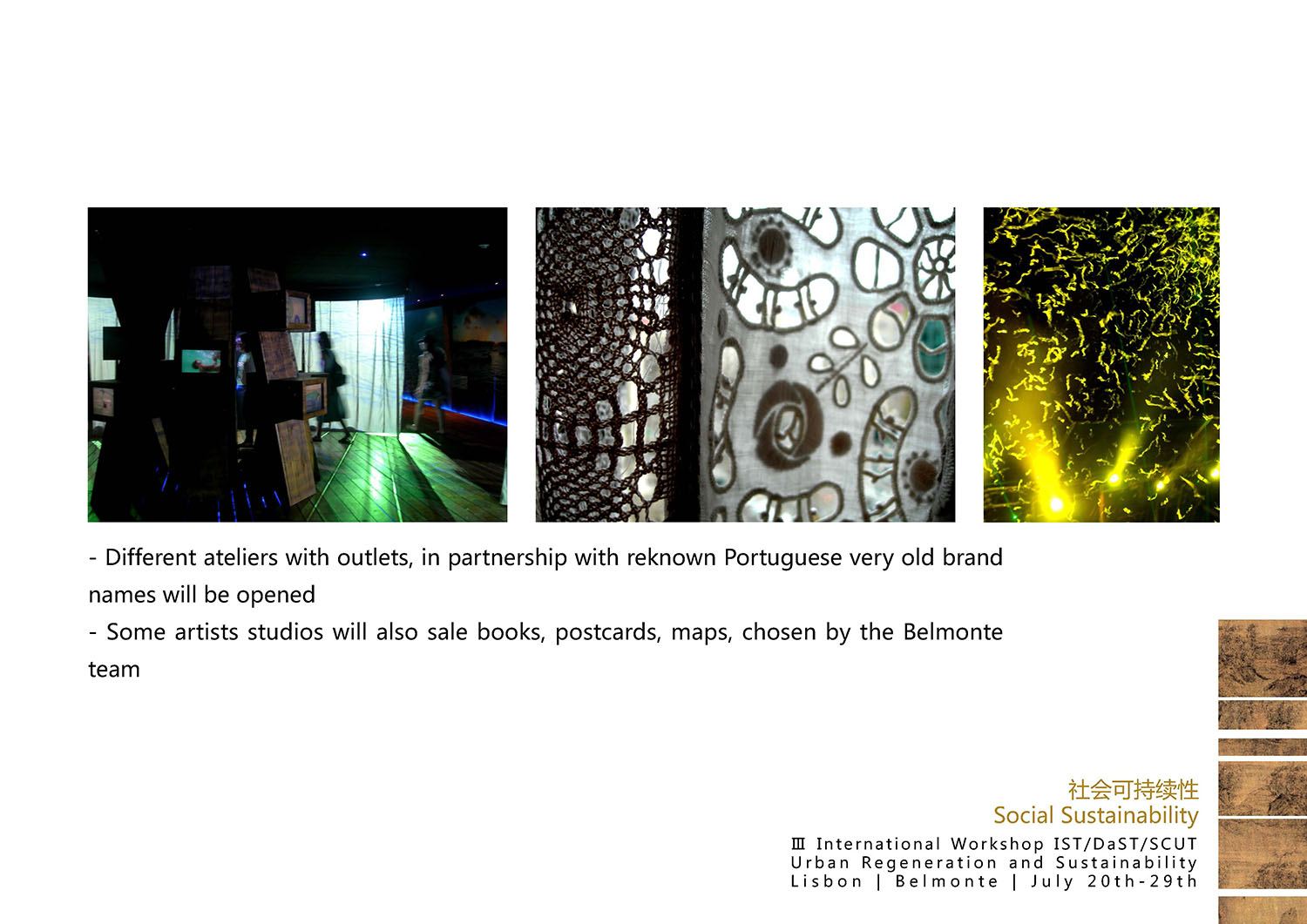
Throughout the neighbourhood, ateliers and small shops will be developed in partnership with renowned historic Portuguese brands, each presenting a contemporary reinterpretation of traditional uniforms and craft identities. Artist studios will offer books, maps, postcards and curated objects selected by the Belmonte team. Night lighting will remain low and discreet, following the pathways. All packaging will feature the visual identity of Bairro Destino, Aldeia Belmonte, Alfama, Lisbon.
The full narrative of the neighbourhood, told between the two red gates, will be built around the life of Belmonte from 1449 to 1805, including its construction, its inhabitants and its evolution through time.
brief history
In a word
Bairro Destino will be designed to inspire visitors to explore new places across Portugal. The neighbourhood will include exhibition rooms and showrooms equipped with advanced communication tools, information points and shops where visitors can discover contemporary Portuguese culture. It will also feature an academy for young students and craftsmen, who will learn, contribute to and help maintain Bairro Destino and its surrounding environment.
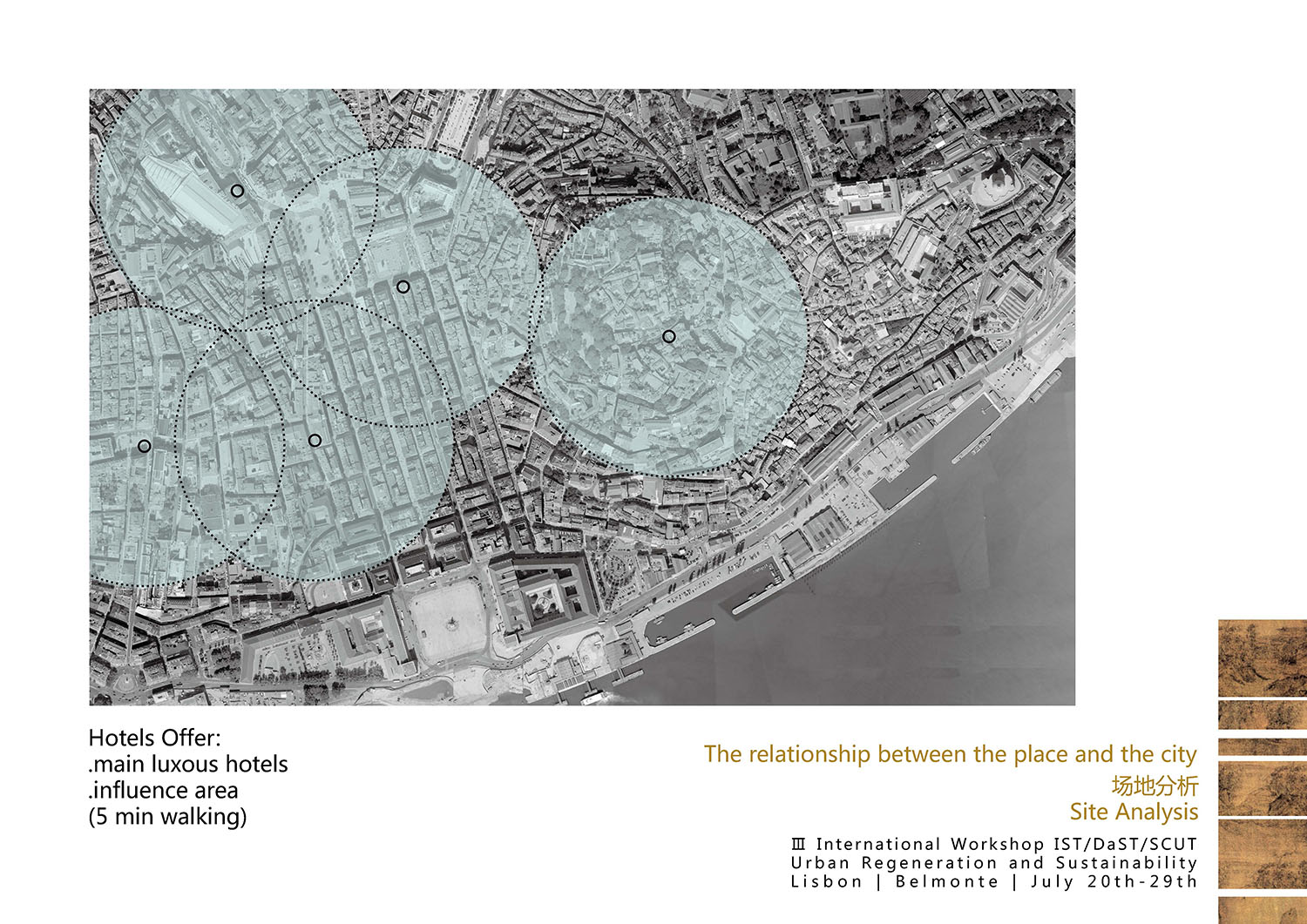
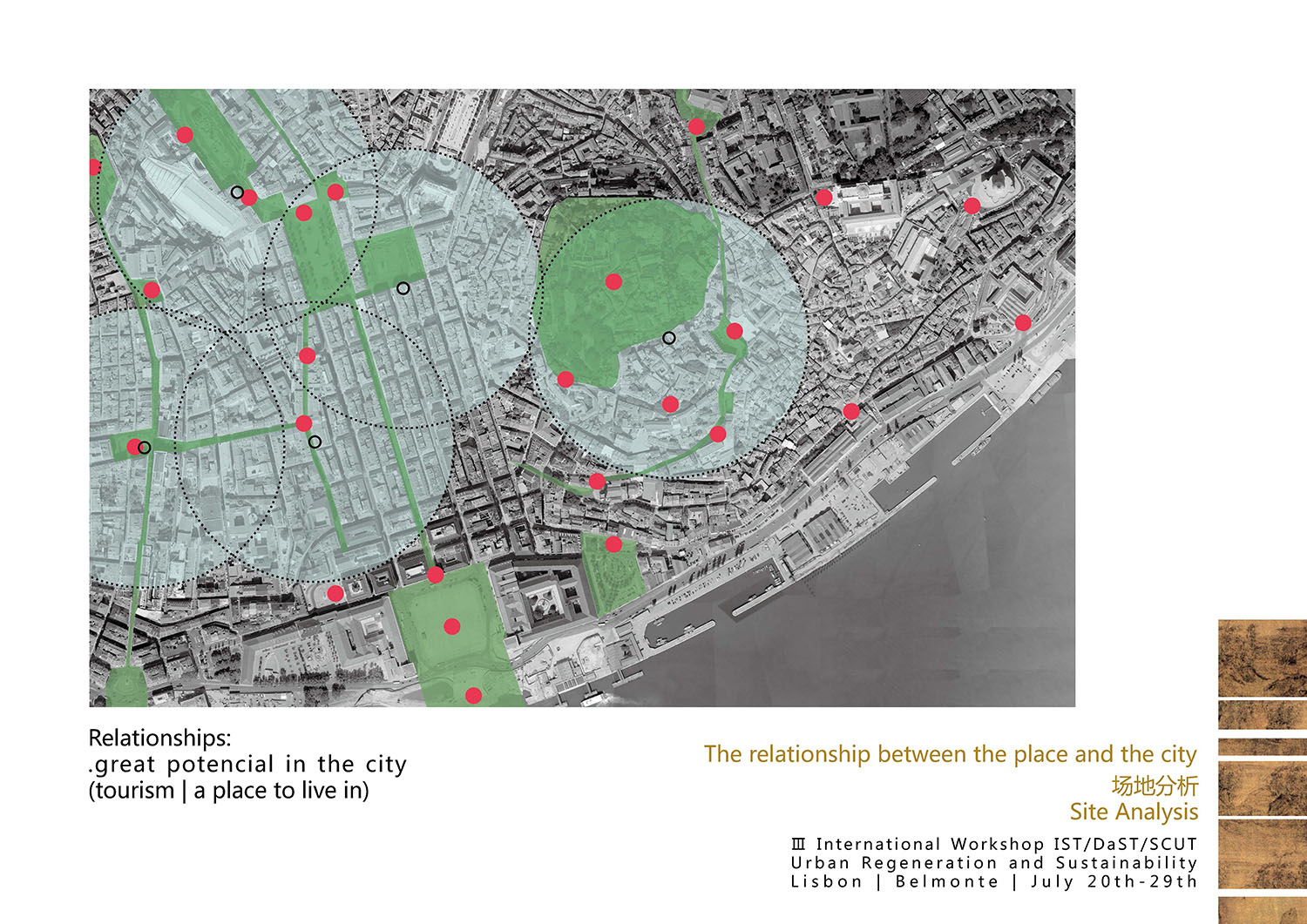
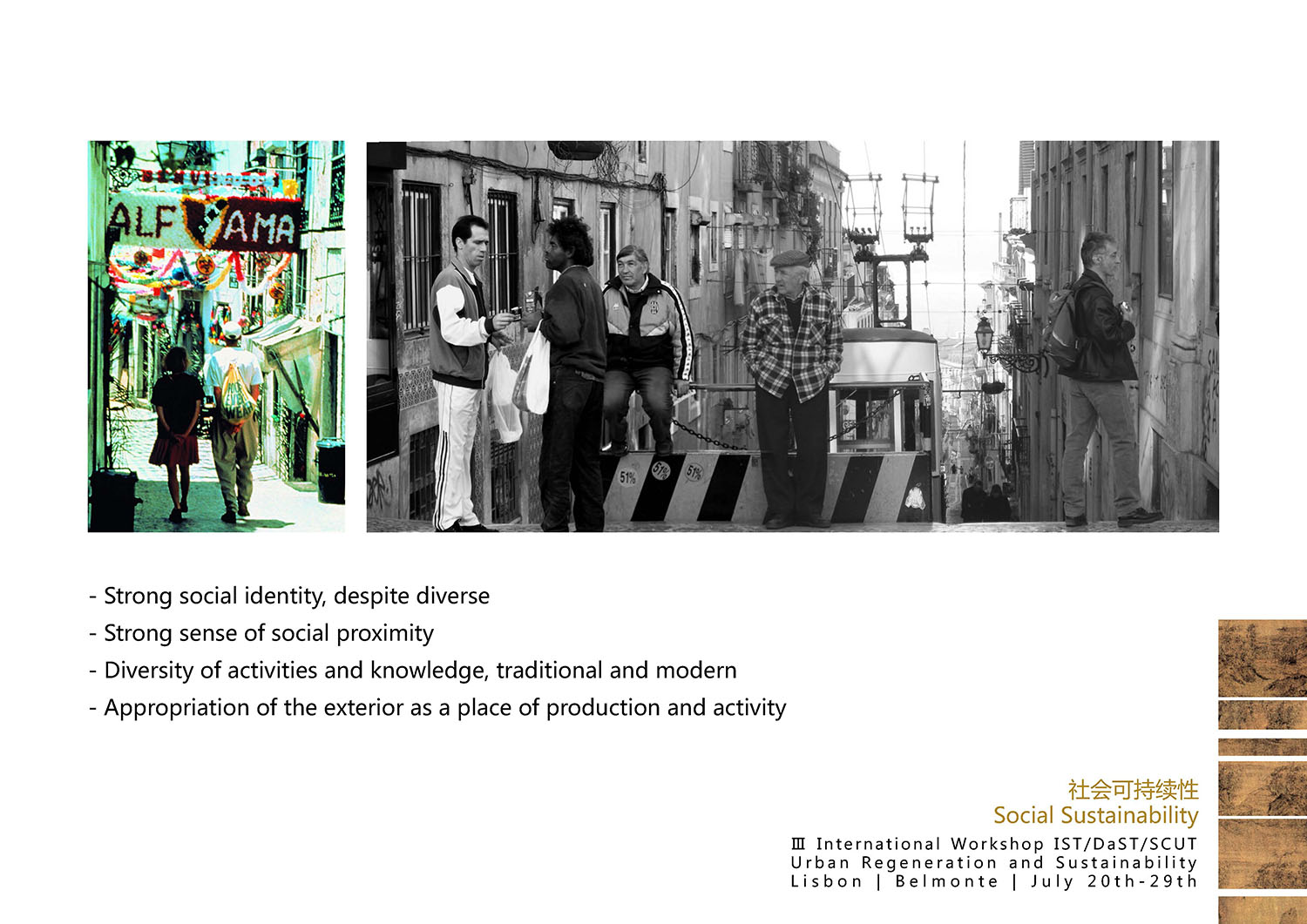
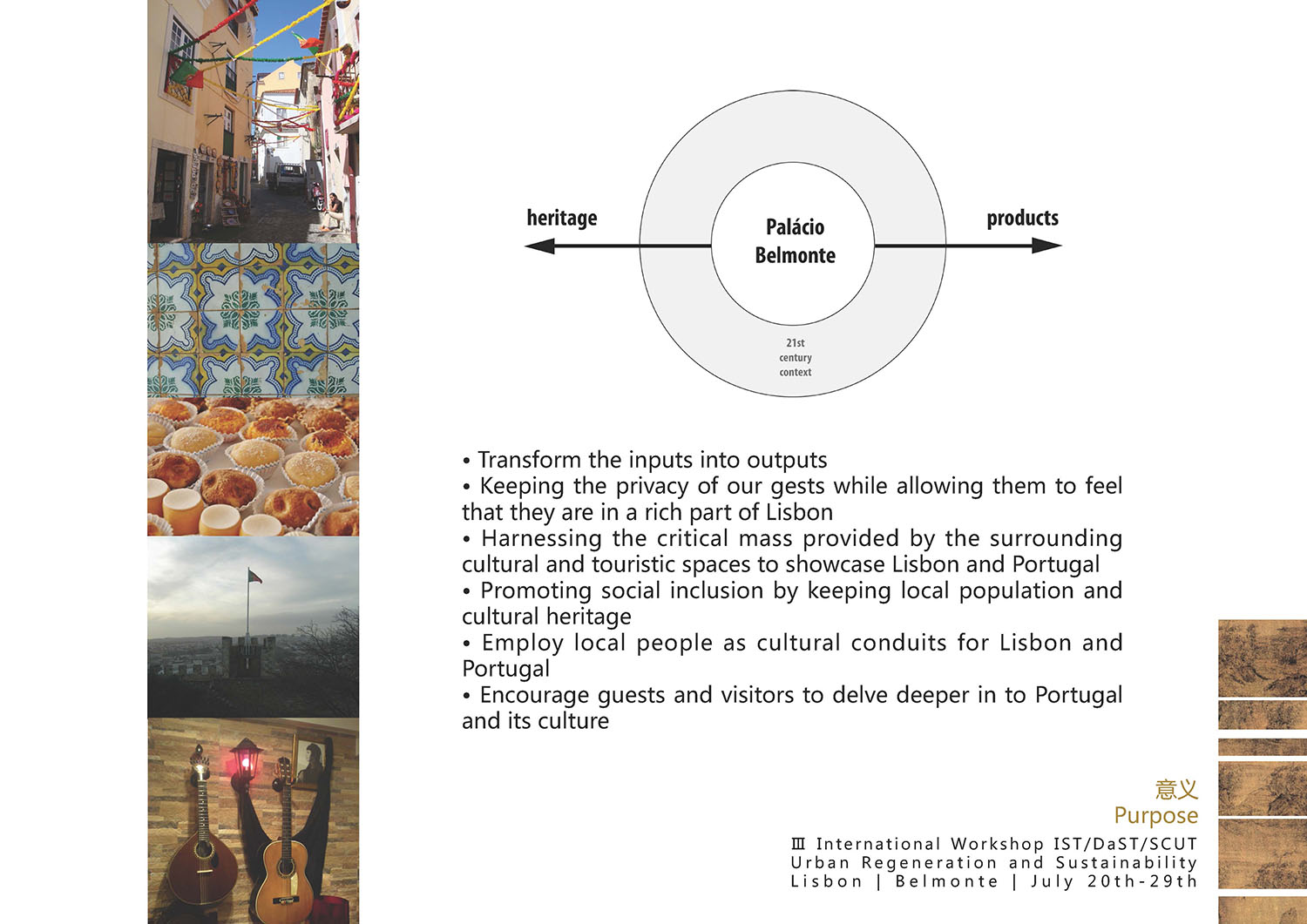
The concept is built around storytelling, bringing together the voices of the past and present to share heritage with more than 1.6 million visitors who pass through the Castelo and Alfama each year. In an open and well designed environment, Bairro Destino will offer an authentic experience of Portuguese cultural heritage, including traditional crafts, products and ways of life, while respecting the character of this remarkable ocean facing capital with its ever changing light. At the same time, it will showcase the Portugal of the twenty first century.
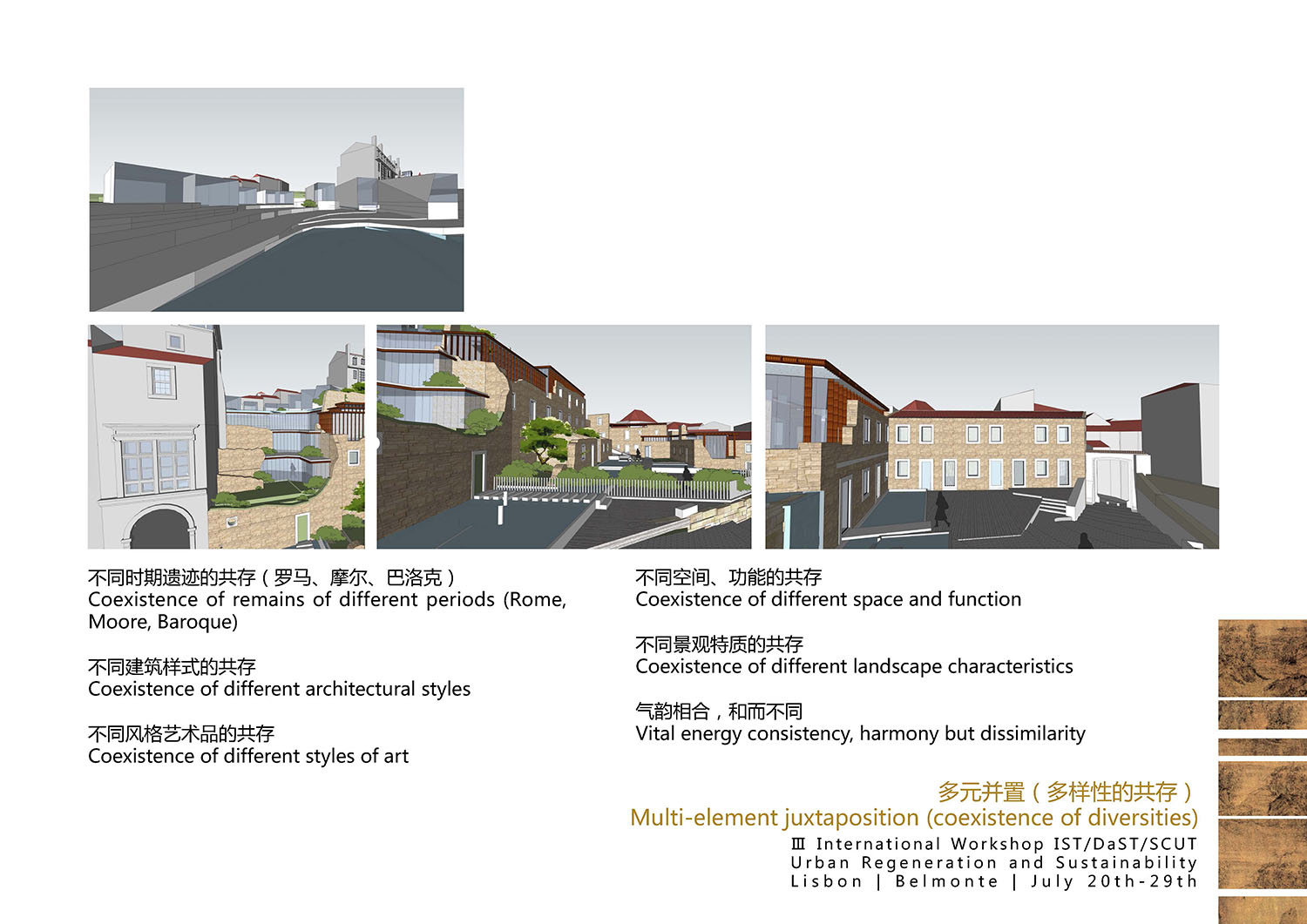
All restoration work will follow the principles of the Leipzig Charter and the DaST Compass, ensuring that every intervention contributes to a high quality urban environment and respects the identity of the site. The intention is for visitors to leave as ambassadors of Portugal.
To achieve a scale capable of creating a vibrant, harmonious and internationally recognisable project that is economically, socially and environmentally sustainable, additional space is required. This may be secured through long term lease agreements, acquisitions from the municipality or private owners, or by integrating suitable properties into the project. Several key sites have already been identified along with a clear development model for the next phase.
additional info
The Palácio Belmonte, the anchor of the whole project (concluded but still unsustainable).
This project proposes a real estate, leisure and hospitality development adjacent to, and connected with, Palácio Belmonte. It will be situated within the two red gates that define the boundaries of this integrated initiative. The development will incorporate several vacant sites currently owned by the Lisbon City Hall.
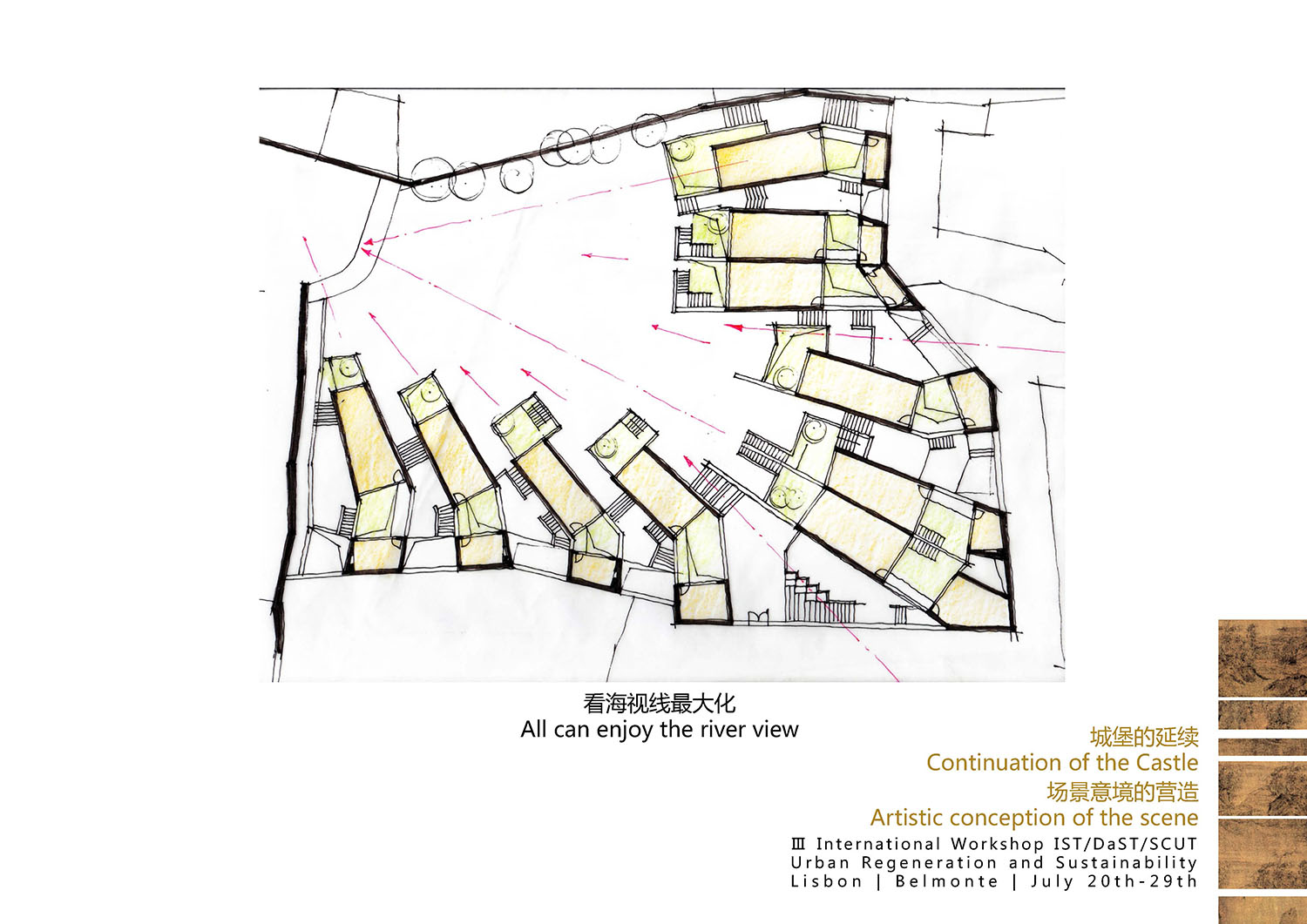
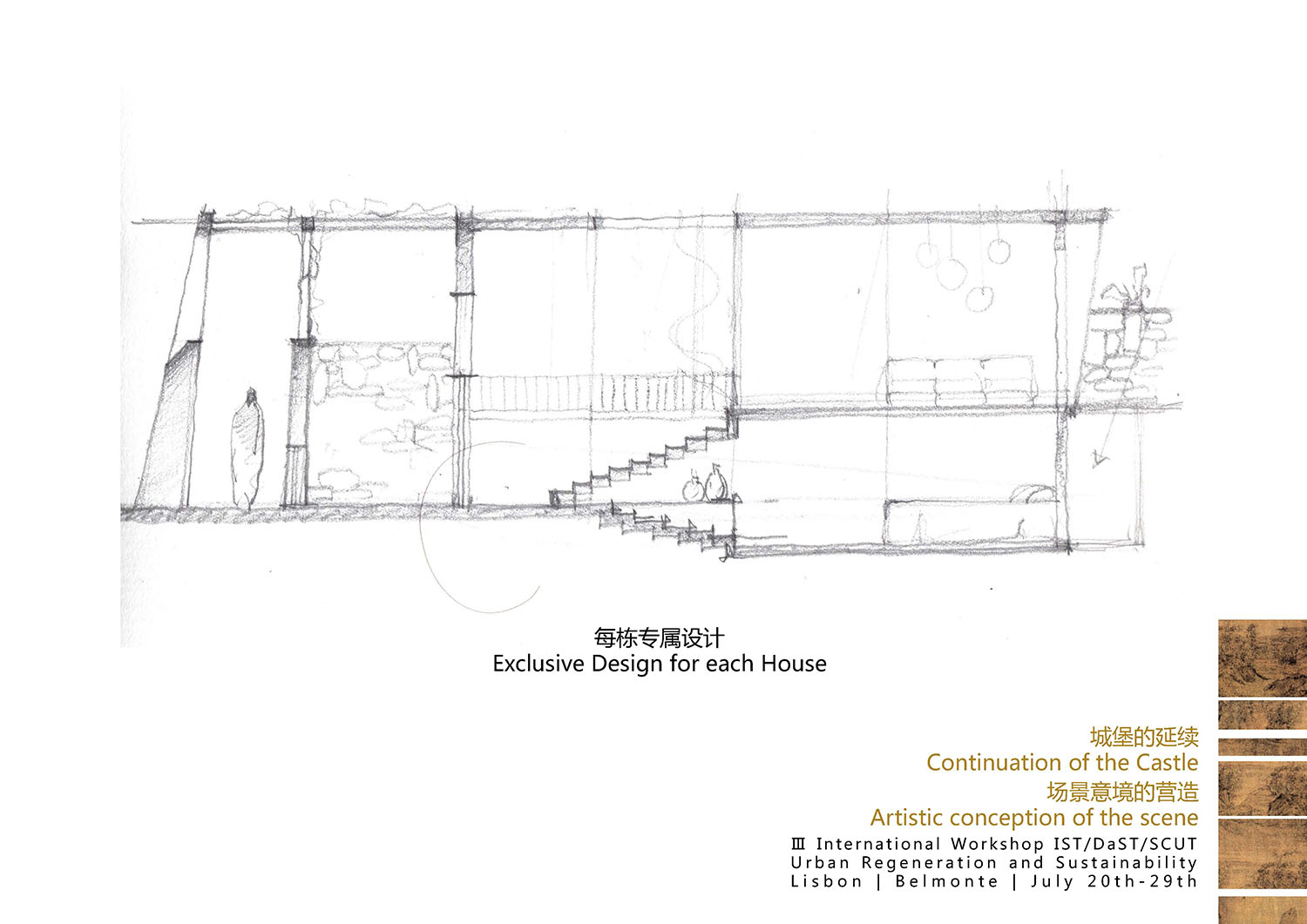
The project offers a potential gross build area of 3,030 square metres, accommodating approximately thirty apartments and suites. The remaining buildable area will be dedicated to small shops, galleries, a theatre, a restaurant, a spa and two landscaped garden areas.
This sustainable urban regeneration and tourism project will be developed in the immediate vicinity of Palácio Belmonte, but outside the two red gates that define the core properties.
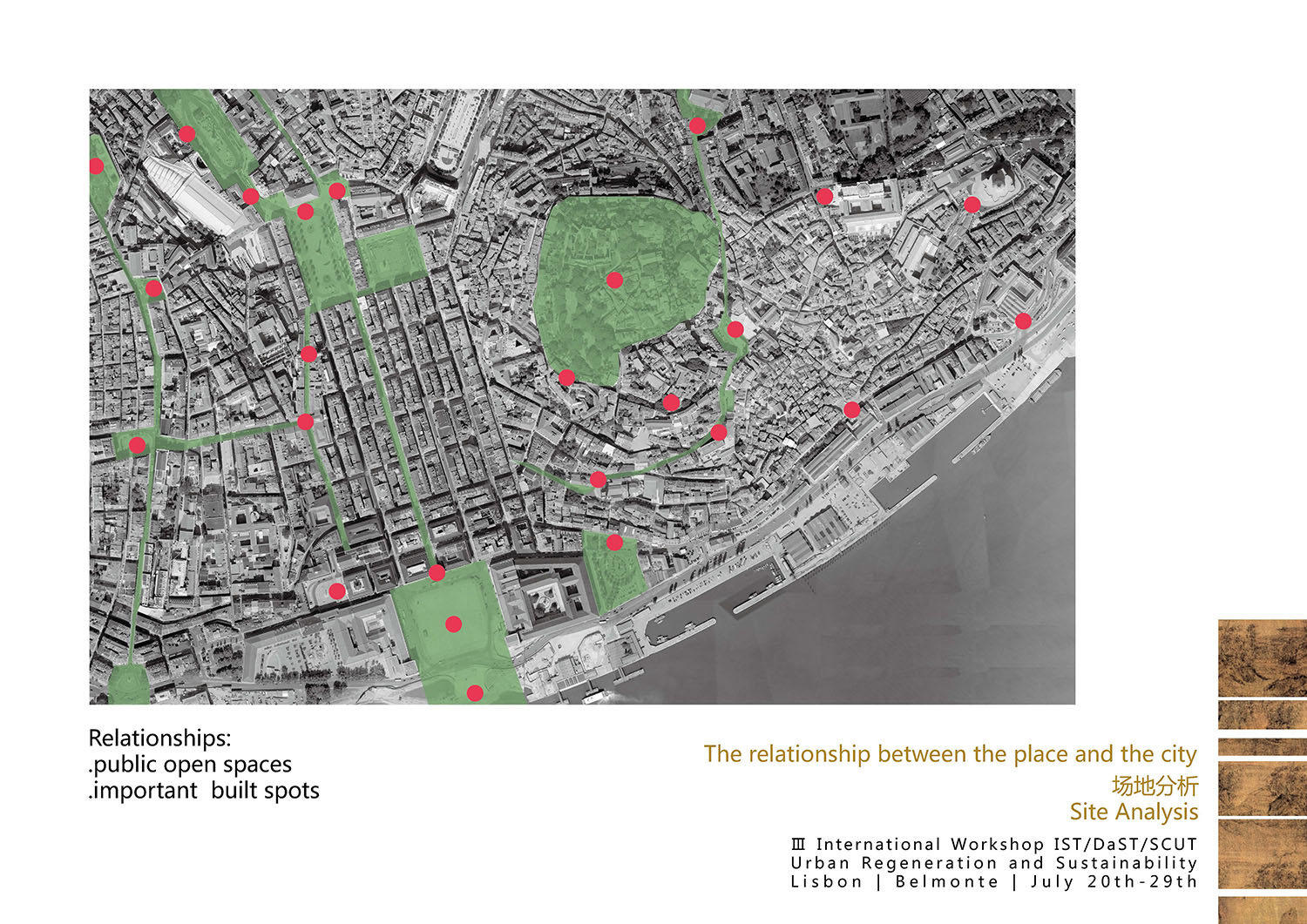
Beyond these gates, in a manner that respects the vernacular character of the area and builds upon existing anchors such as the two freguesias, the Castelo, the Arco, FSS, Chapitô, the Oikos Foundation and the local community, Bairro Destino Aldeia Belmonte will celebrate Portugal’s contemporary explorers, scientists, writers, artists, designers, filmmakers, performers and playwrights. It will also serve as a platform for institutions, municipalities, associations and companies operating in the Lisbon tourism region to present their contributions to shaping the future.
The intention is for Bairro Destino to act as a cultural and promotional agent for modern Portugal, highlighting destinations such as Tomar, Fátima, Sintra, Tróia, Setúbal, Cascais, Oeiras and Estoril, along with many lesser known but remarkable places. It will also showcase Portugal’s internationally recognised traditions and specialties, including the Lusitano horse.
All ground floor areas, totalling approximately 1,500 square metres, will be dedicated to the Bairro Destino concept. The upper floors, covering around 3,000 square metres, will be transformed, when appropriate, into serviced and thoughtfully designed apartments to introduce new residents into the historic neighbourhood.
An additional 500 square metres will be reserved for residents of the Castelo. All restoration work will follow the principles of the DaST Compass and the Leipzig Charter, ensuring integration, cohesion and the unification of the surrounding urban fabric.