Outsiders’ Views of the Old and Contemporary City
Lisbon Narratives Workshop
The Belmonte Cultural Club hosted a remarkable workshop dedicated to exploring Lisbon through literature, history, and cultural reflection. Titled Lisbon in the Narratives: Outsiders’ Views of the Old and Contemporary City, the initiative invited participants to consider how the Portuguese capital has been observed, interpreted, and imagined by those arriving from beyond its borders.
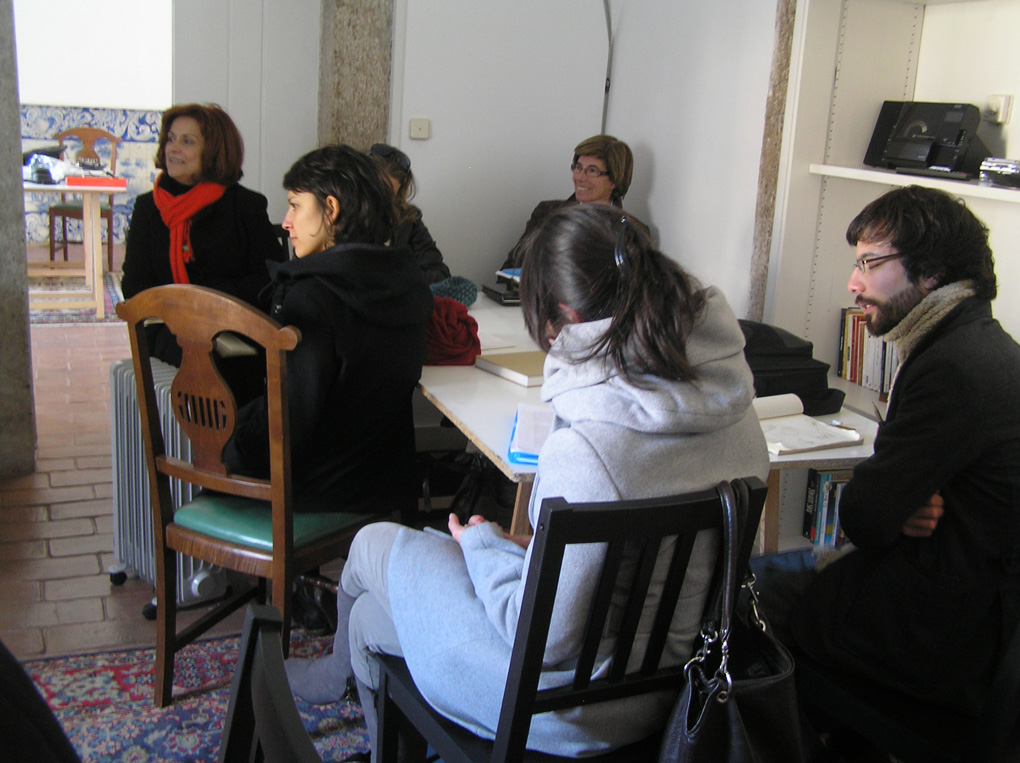
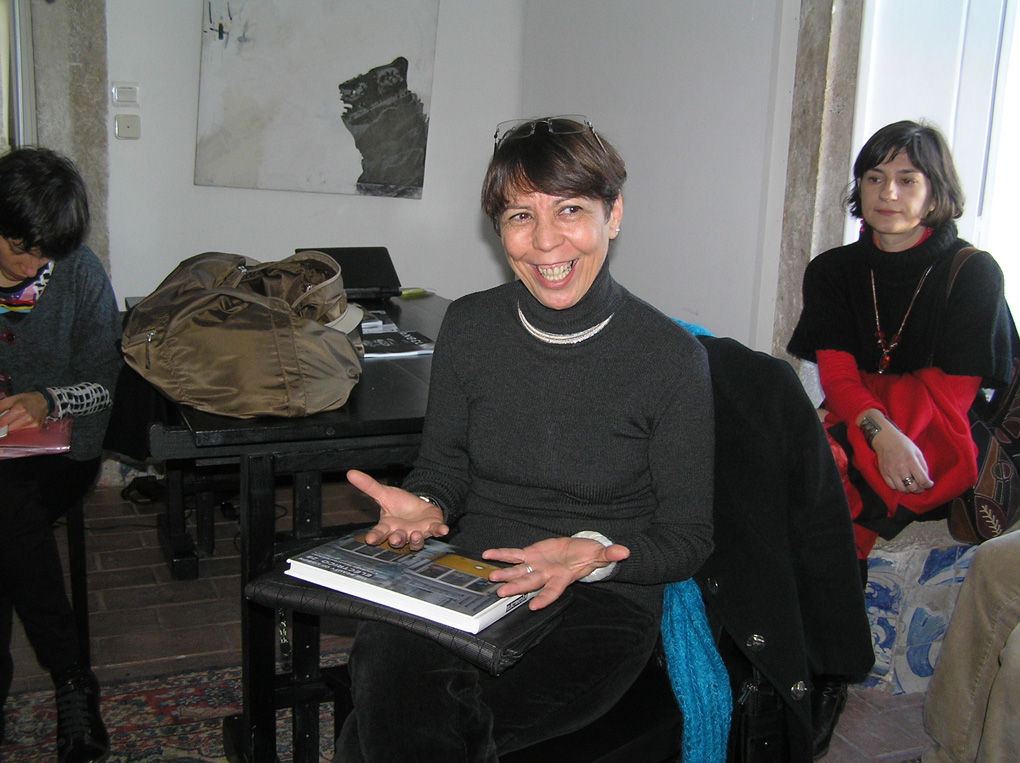
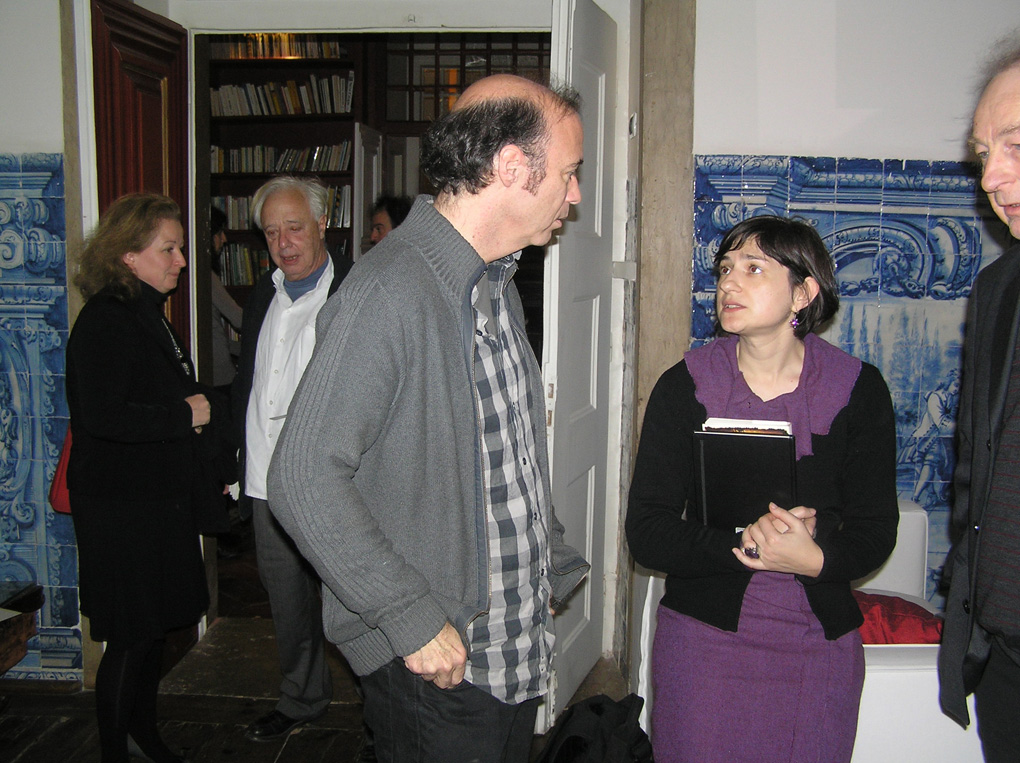
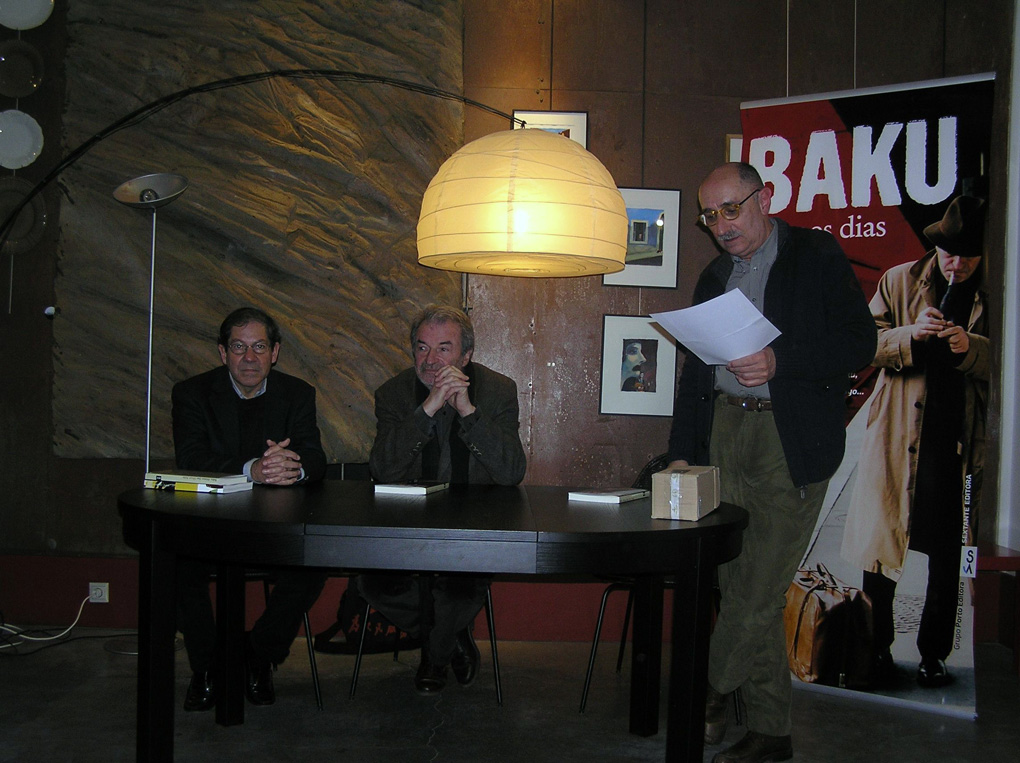
Held at the historic Palácio Belmonte in Lisbon between the 2nd and the 8th of February, the workshop brought together scholars, writers, and cultural observers interested in the relationship between place and narrative. Through a series of conferences and discussions, the programme examined how Lisbon’s landscapes, neighbourhoods, and historical layers have inspired generations of travellers, thinkers, and artists.
The focus of the gathering was the dialogue between the Lisbon of memory and the Lisbon of today. Participants reflected on the ways in which the city’s ancient districts, monuments, and urban rhythms coexist with contemporary life, producing a complex cultural identity that continues to fascinate visitors and residents alike. By studying these external perspectives, the workshop encouraged a deeper understanding of how cities are perceived, narrated, and transformed through time.
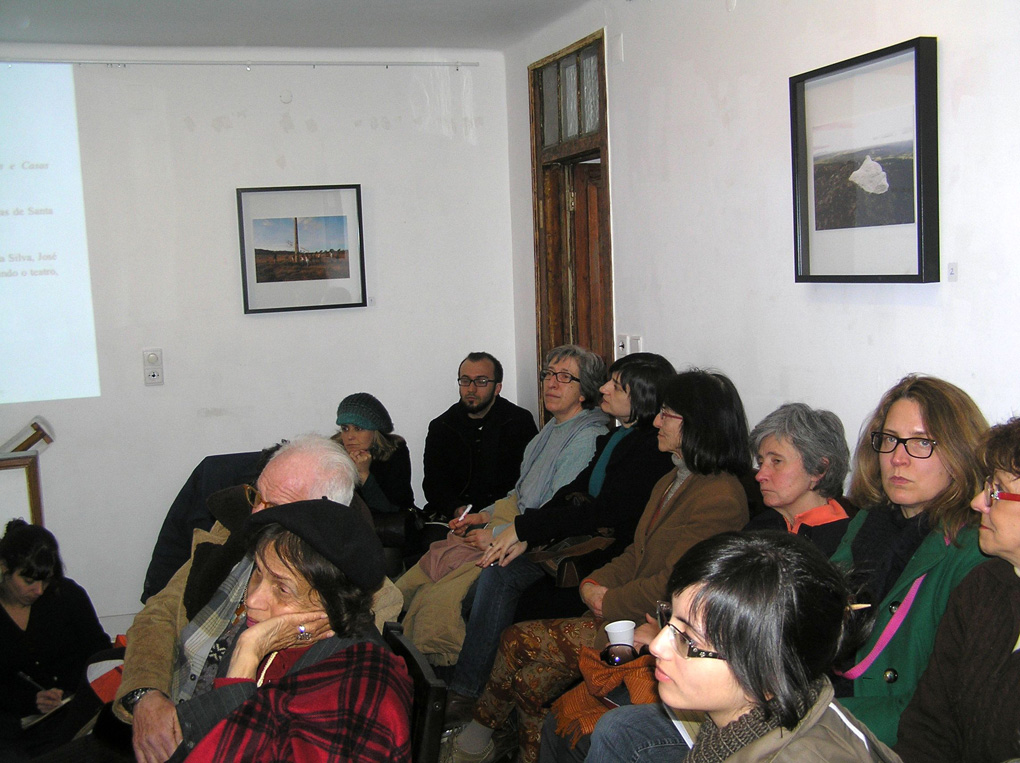
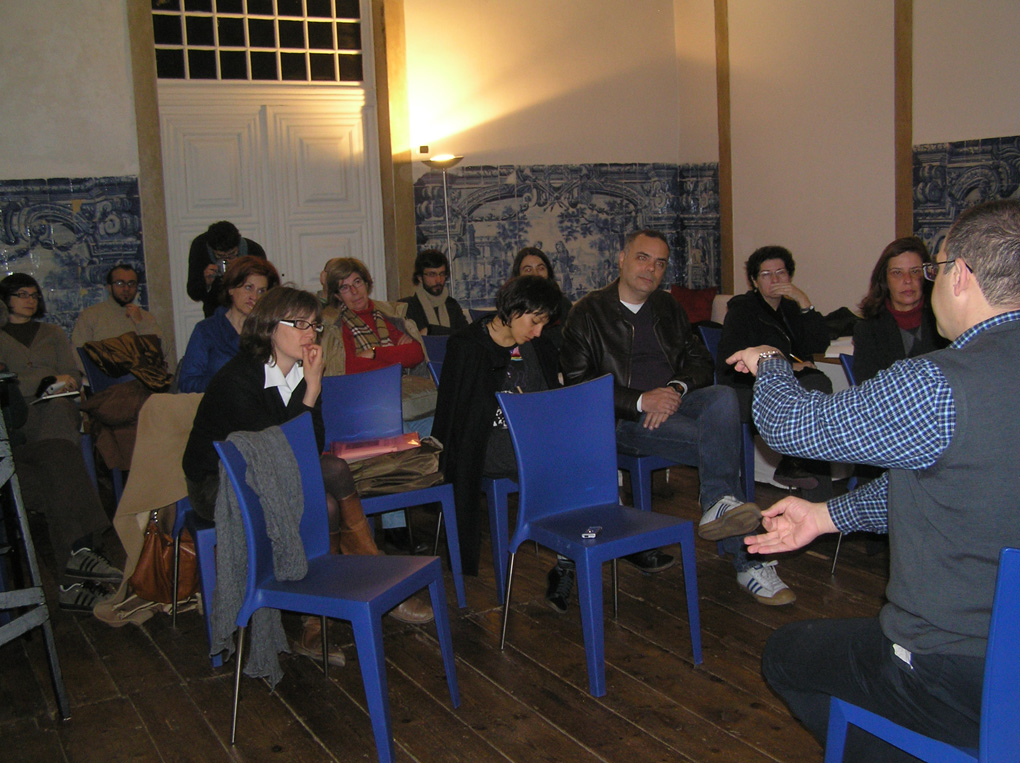
Open conferences allowed the wider public to take part in this intellectual exchange. By welcoming different voices and disciplines, the event created a space where literature, historical research, and cultural analysis could intersect, revealing new interpretations of Lisbon’s past and present.
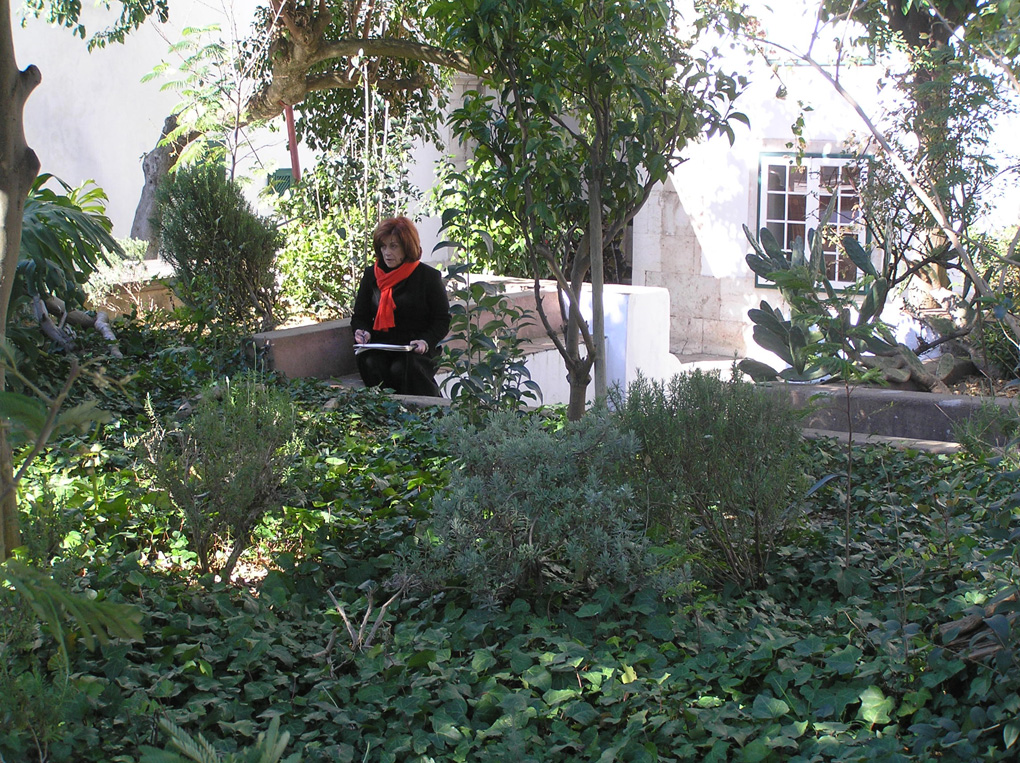
Hosted within the walls of Palácio Belmonte, itself a place deeply embedded in the history of the city, the workshop reinforced the importance of cultural dialogue in understanding urban heritage. Initiatives such as this demonstrate how academic reflection and public engagement can contribute to preserving the memory of place while inspiring new ways of seeing and interpreting the city.
Through gatherings like this, Lisbon continues to affirm itself as a living archive of stories, where architecture, landscape, and human experience intertwine to shape narratives that travel far beyond its hills and streets.