Ecovila Vale de Caparide
Ecological Management program/proposal
about the project
"Never the world has been so open and so complex and never the social, economical and political organizations so restrained."
status of project
Concept/Proposal
project design: 2006
Details
Denomination: Ecovila Vale de Caparide – Ecological Management program/proposal
Branding denomination: Ecovila Vale de Caparide
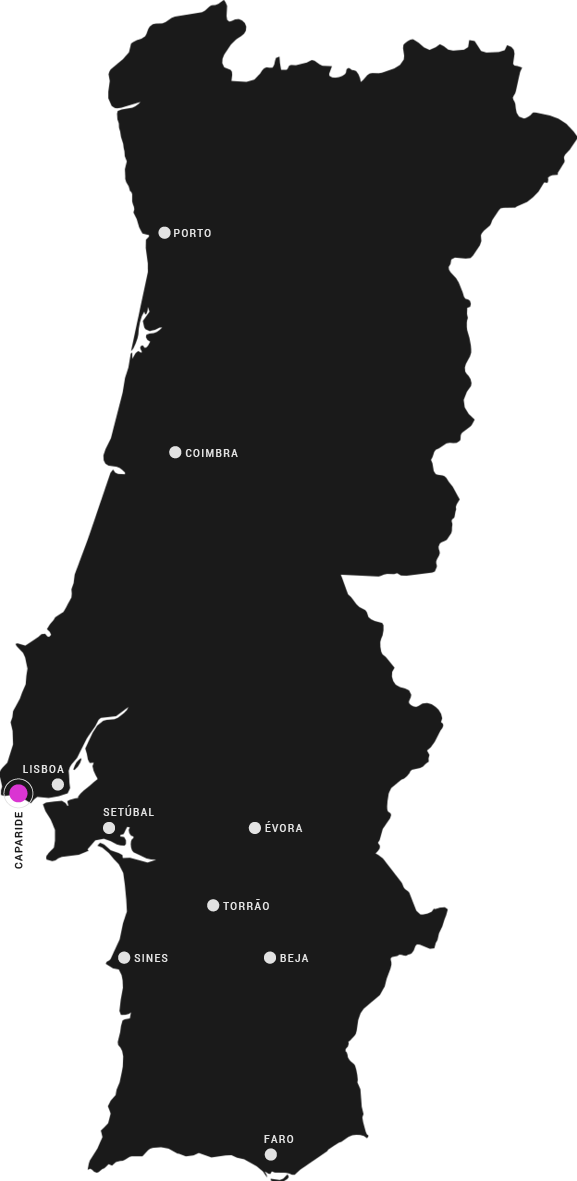
Location: Caparide, Cascais, Lisboa, Portugal
Concept & Project Developer: Frederic Coustols
team members
Concept & Project Management: Frederic Coustols & Guy de Casteja
Visual Strategy Architecture:Creative Digital Design
partners
short description
introduction
The rapid disappearance of the ideological and political boundaries that shaped the last century, and that gave rise to the dominant models governing our lives today, is creating a world in which many people feel both hopeful and constrained. This sense of contradiction fuels the call for a fundamental shift in the social and economic foundations of contemporary society.
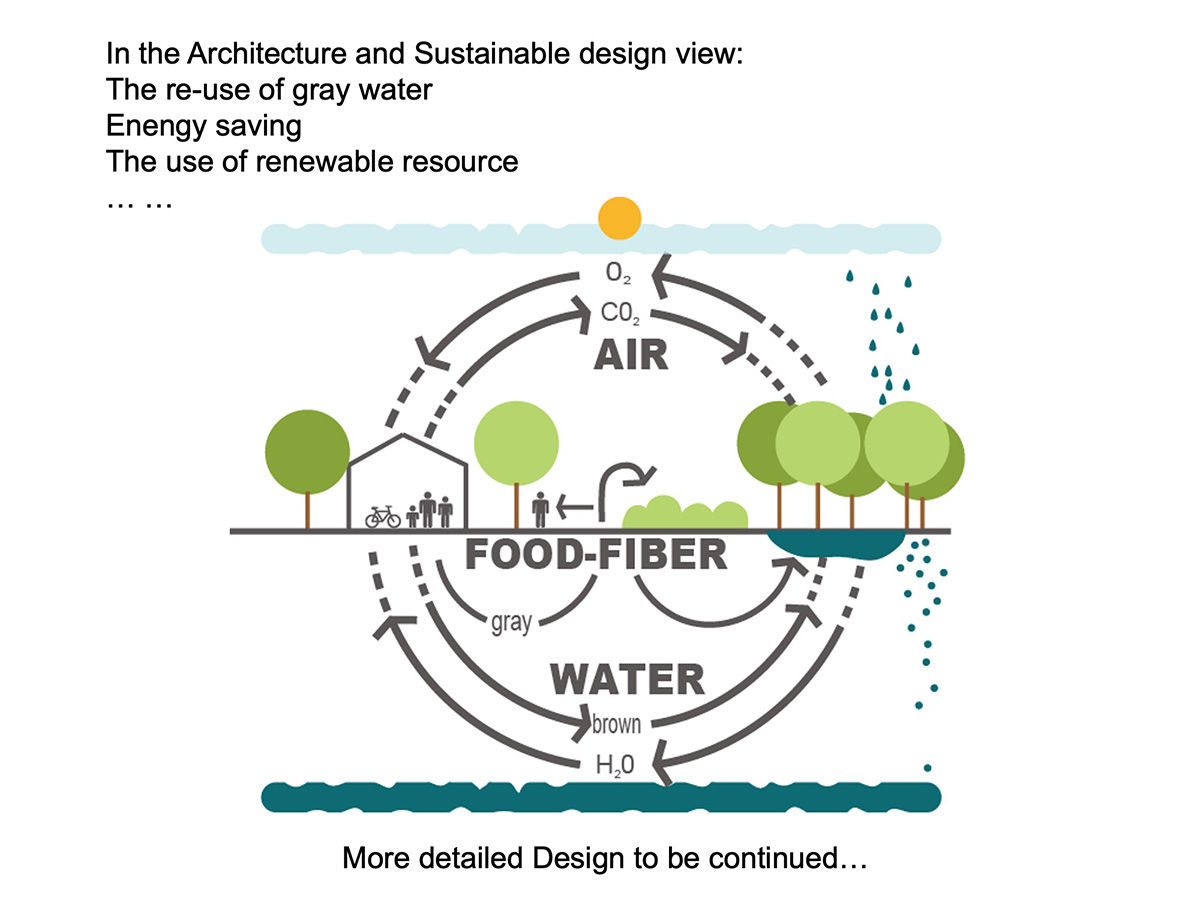
In this context, a small scale but real Portuguese case study offers an opportunity to break routine and create space for new possibilities. Ecovila Vale de Caparide seeks to reintroduce into our collective thinking the essential elements that sustain life, including spring water, biodiversity, soil fertility, forest ecosystems and the energy of the sun.
proposal
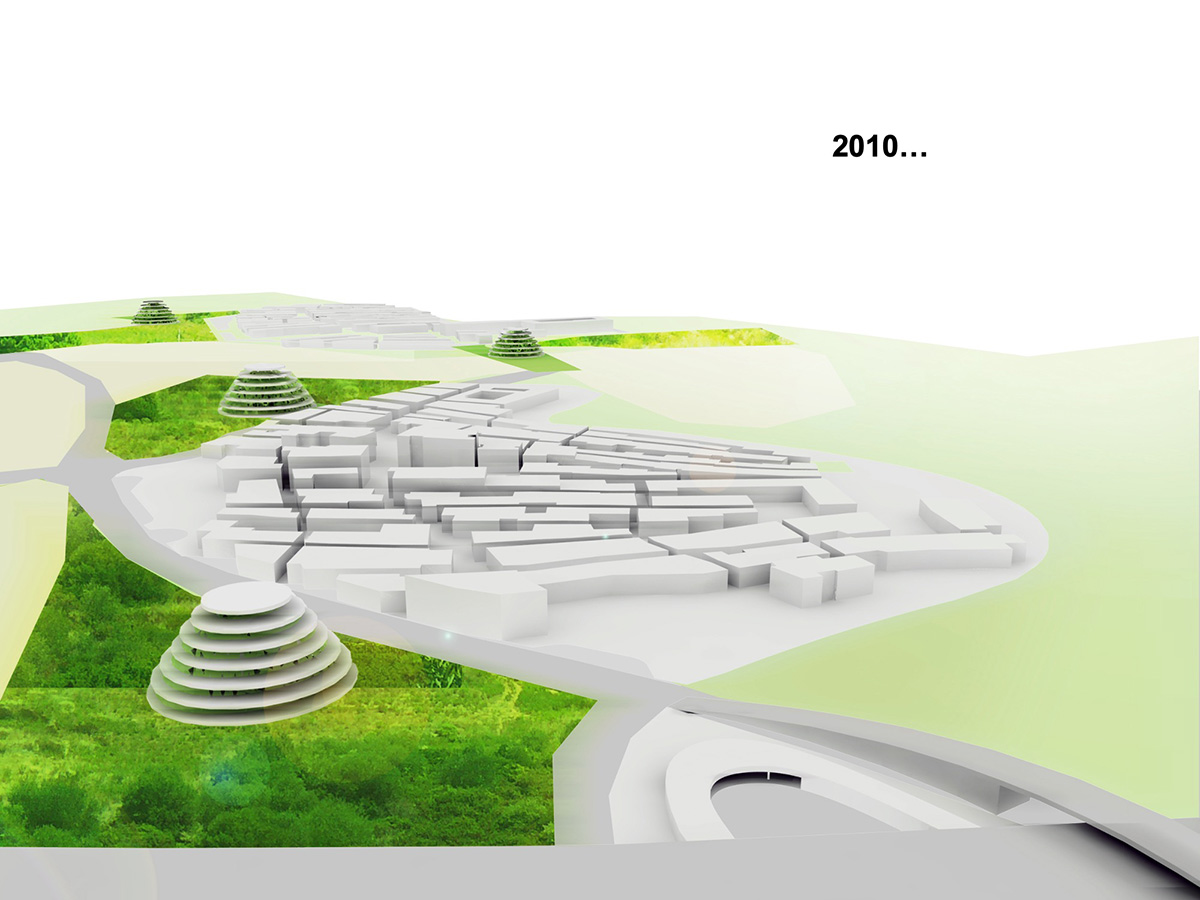
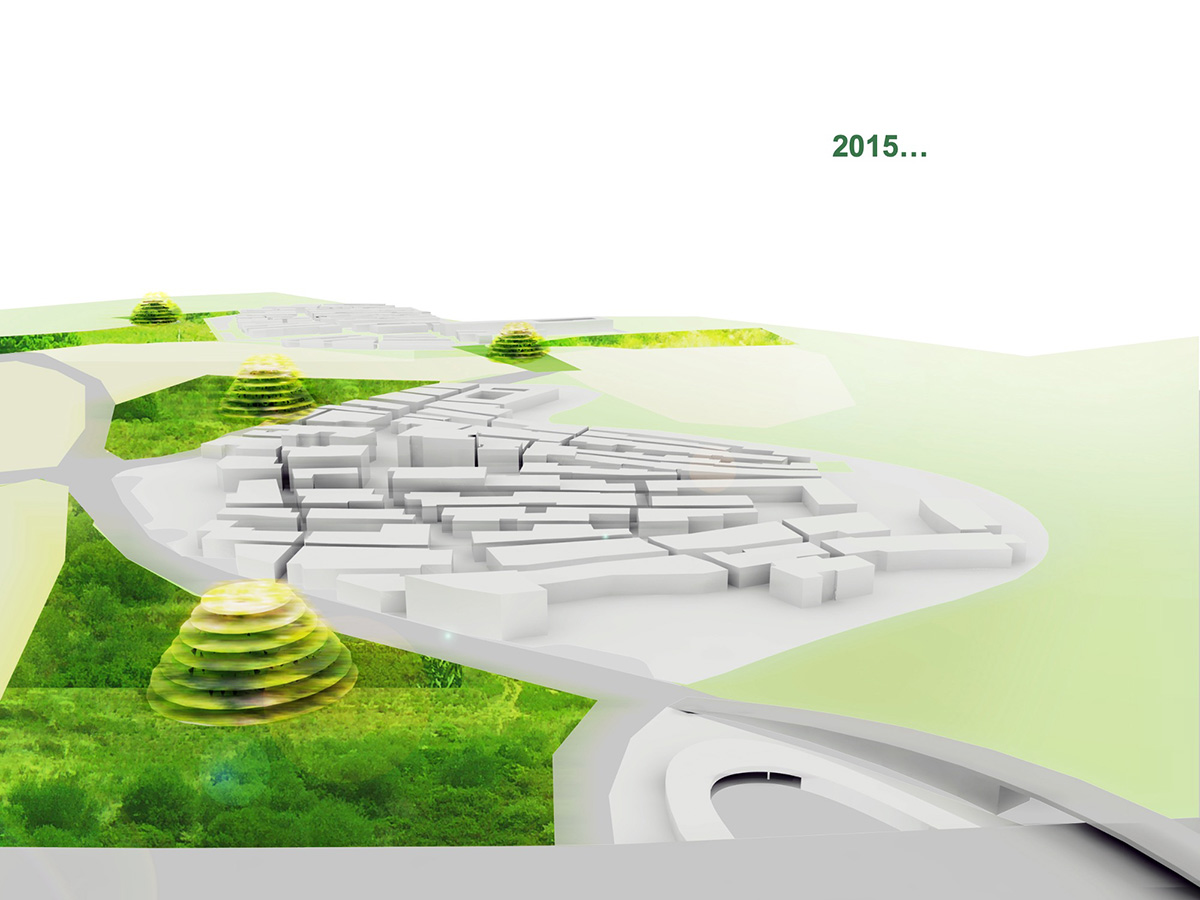
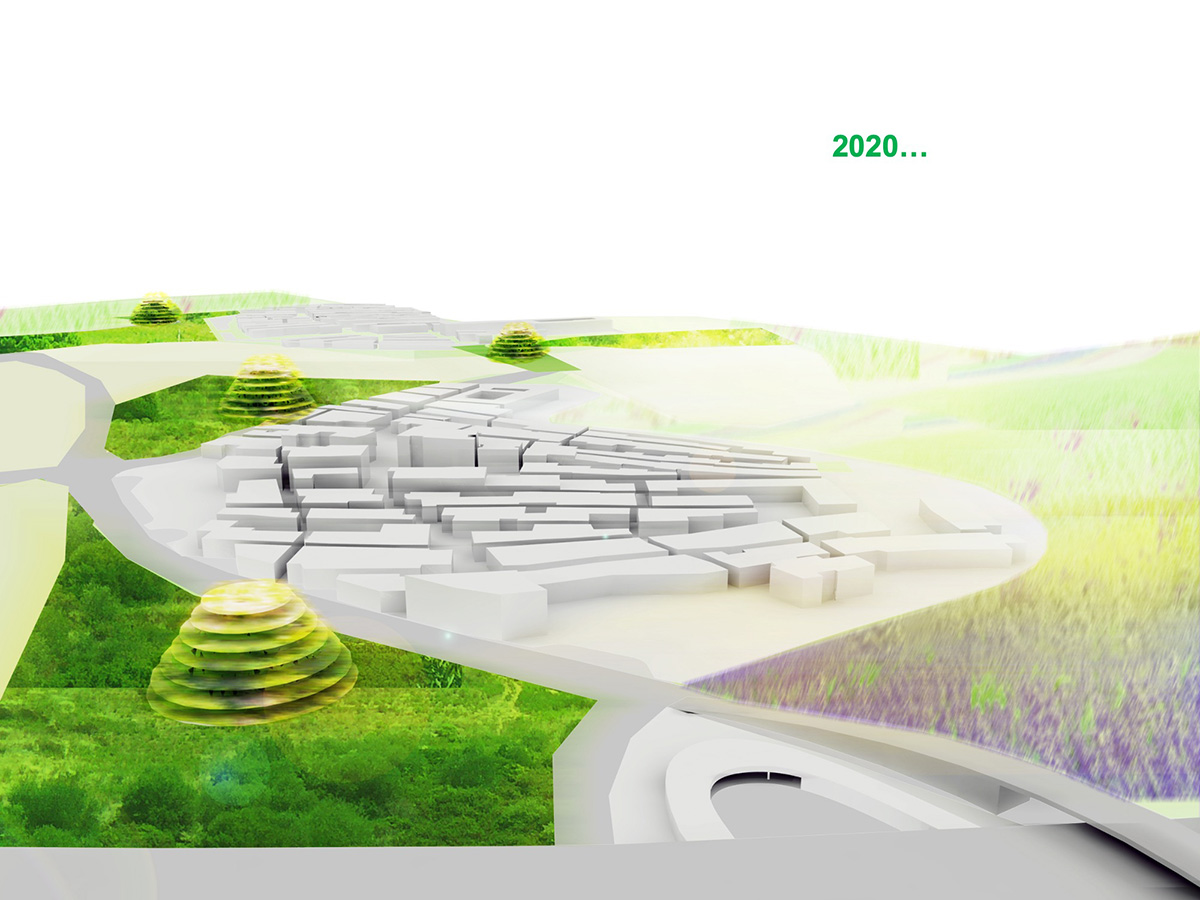
The proposal is to integrate the principles of sustainable design into the built environment of Cascais through a new systemic approach to social and environmental challenges. The work in Portugal will focus on planning what is, for now, referred to as Ecovila Vale de Caparide and its associated eco centres.
The planning and construction of Ecovila Vale de Caparide will extend far beyond reducing the environmental impact of conventional ‘green’ development or pursuing eco efficiency and pollution prevention. It will address the full life cycle management process, requiring a comprehensive examination of all policy questions informed by contemporary Earth sciences.
Ecovila Vale de Caparide is envisioned as a high profile European living demonstration model and should be recognised as a Project of National Interest. It will serve as a place where leading specialists from Portugal and around the world can converge to collaborate and innovate.
All efforts within Ecovila Vale de Caparide will be directed towards advancing high level research, technologies, learning tools, production and maintenance systems, monitoring processes, and new legal, social and economic frameworks. These are the instruments needed globally to ensure the long term sustainability of the ecosphere.
Strategic Vision: DaST's Outlook
The project aligns its perspective with the work of Karl Henrik Robert, recipient of the Green Cross Award for International Leaders and the Blue Planet Prize, often referred to as the environmental Nobel. His framework states that a long term sustainable society must maintain stable physical relations with the ecosphere. This requires sustainable material exchange between society and the natural world, as well as clear limits on how society intervenes in and manipulates ecological systems.
In this context, sustainable development means progressing toward a stable and sustainable relationship with the ecosphere and, once that relationship is achieved, evolving within the boundaries it establishes. These principles call for fundamental cultural and paradigmatic change, supported by a deep examination of the cultural foundations that shape our current systems.
our values
The values that must guide a sustainable society are the value of human life and dignity, and the value of life on Earth. The first affirms that human welfare and justice are fundamental societal goals. The second recognises that life and life supporting systems hold intrinsic worth, not merely instrumental value for human use.
This perspective aligns with the work of architect and researcher Phil Hawes, PhD, designer of Biosphere 2 in Arizona, who emphasises the global need for building full service communities capable of living within the limits of solar income. His approach calls for the establishment of new paradigms and new development standards for communities that operate sustainably and set benchmarks for future settlement design.
This work also rests on the understanding that both global and local carrying capacities impose real limits on human settlement. Within this conceptual framework, the ecological footprint becomes an essential tool. Ecological footprint analysis estimates the resource consumption and waste assimilation requirements of a population in relation to the productive land area needed to sustain it. In other words, it assesses how much land is required to support all ecologically derived resources needed for the long term viability of a community.
The answer varies according to climate, soil conditions, water availability, technological capacity and other local factors, but the principle remains constant: sustainable communities must design within the limits of what their ecosystems can support.
additional info
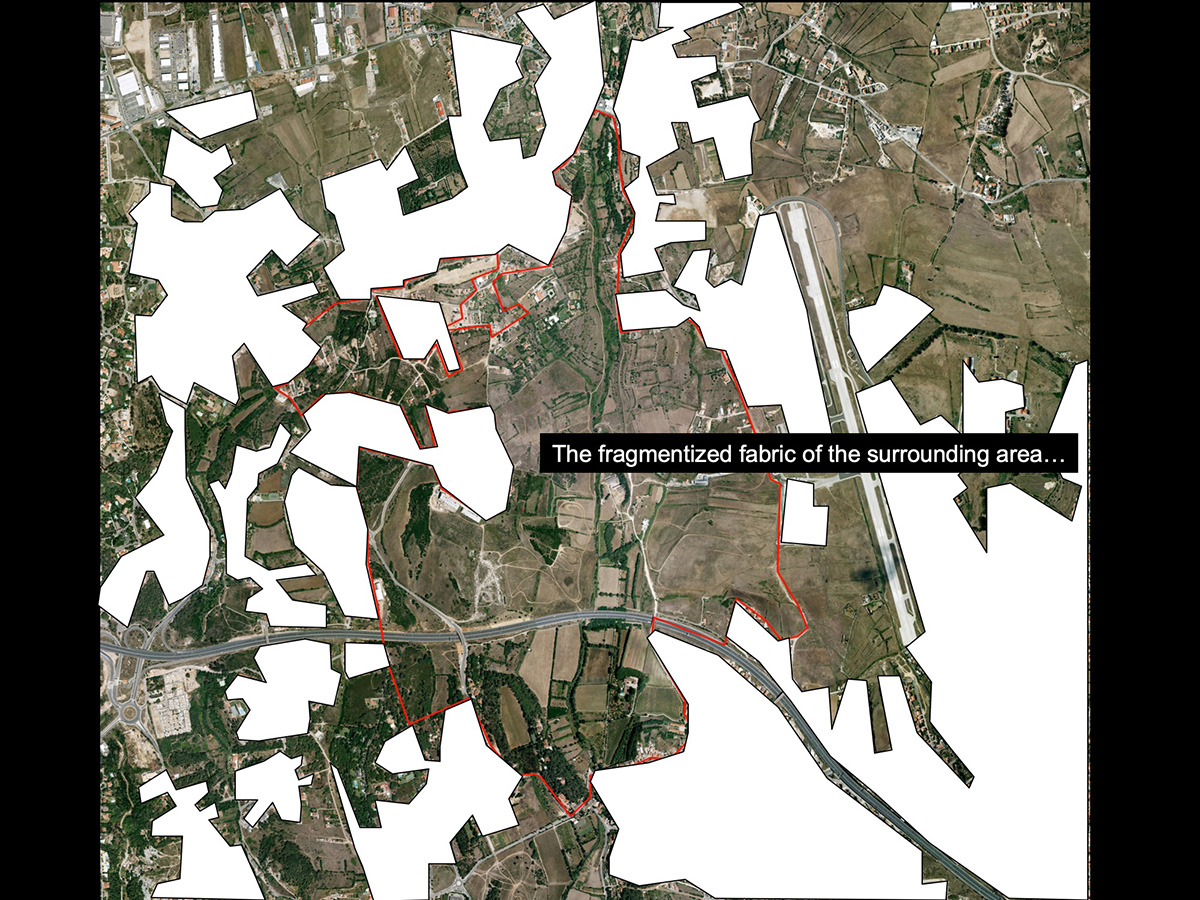
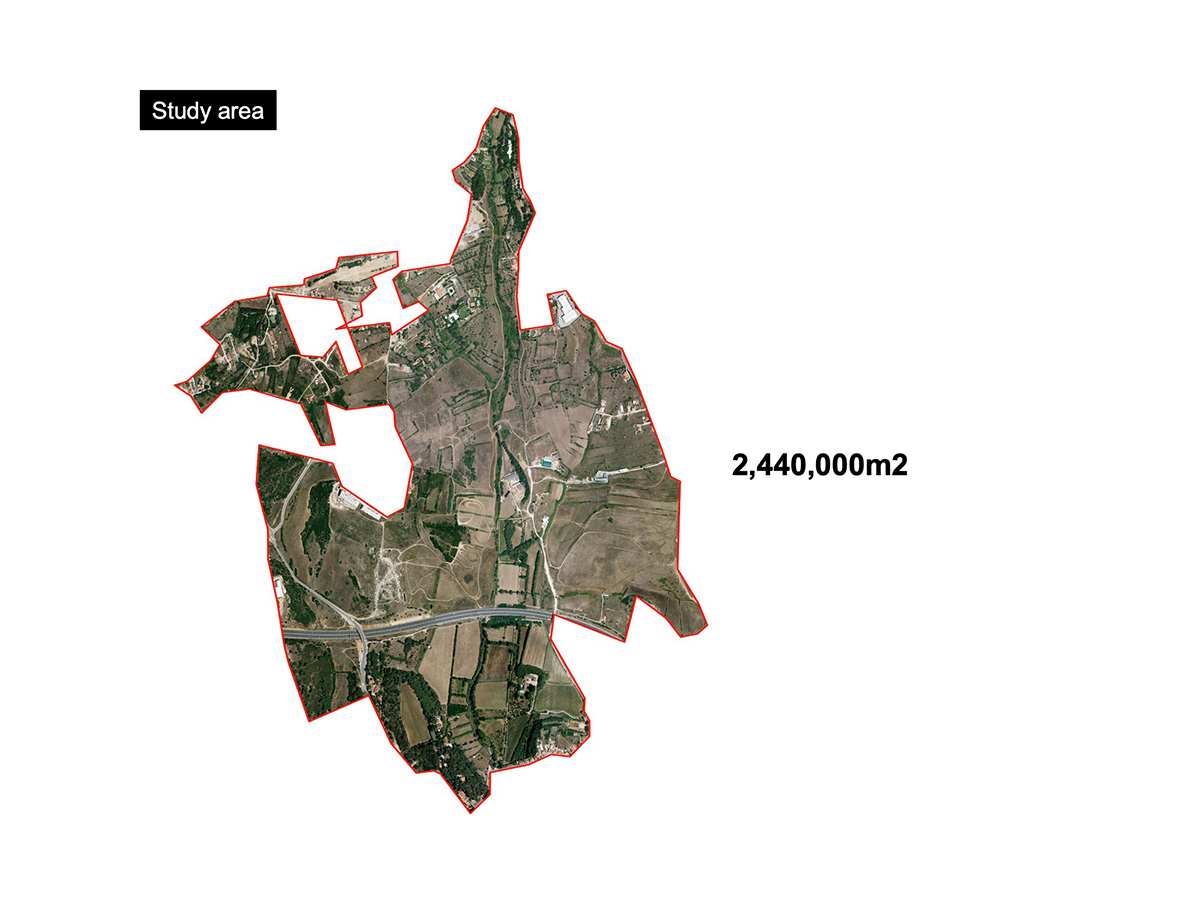
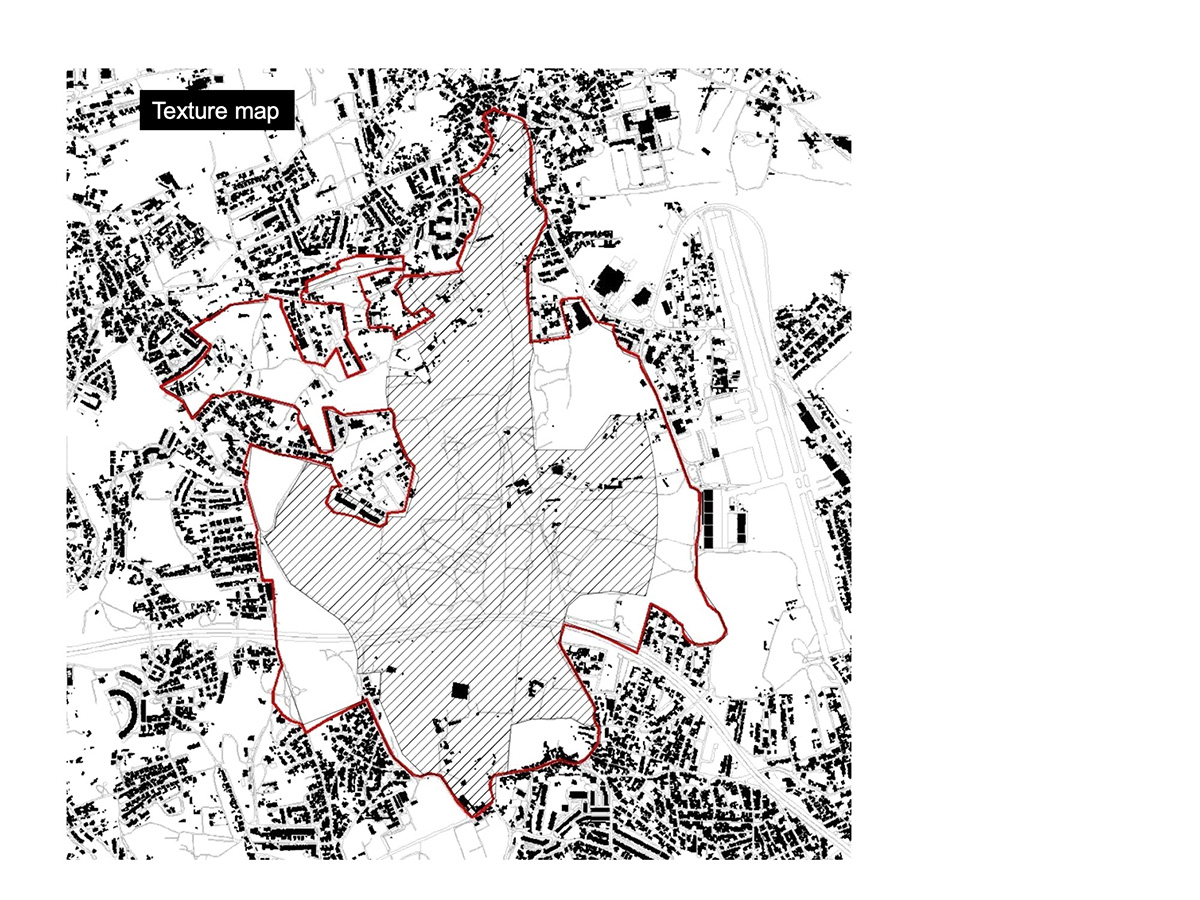
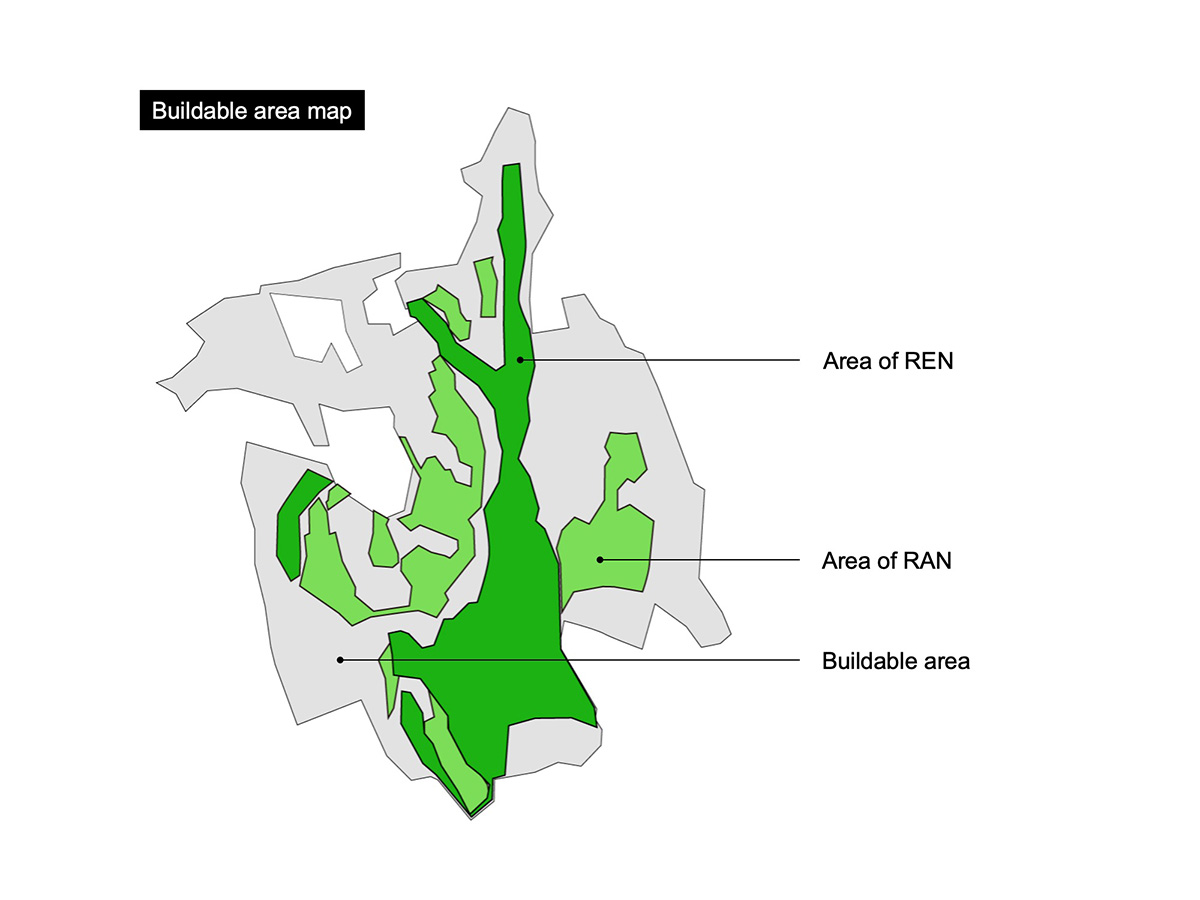
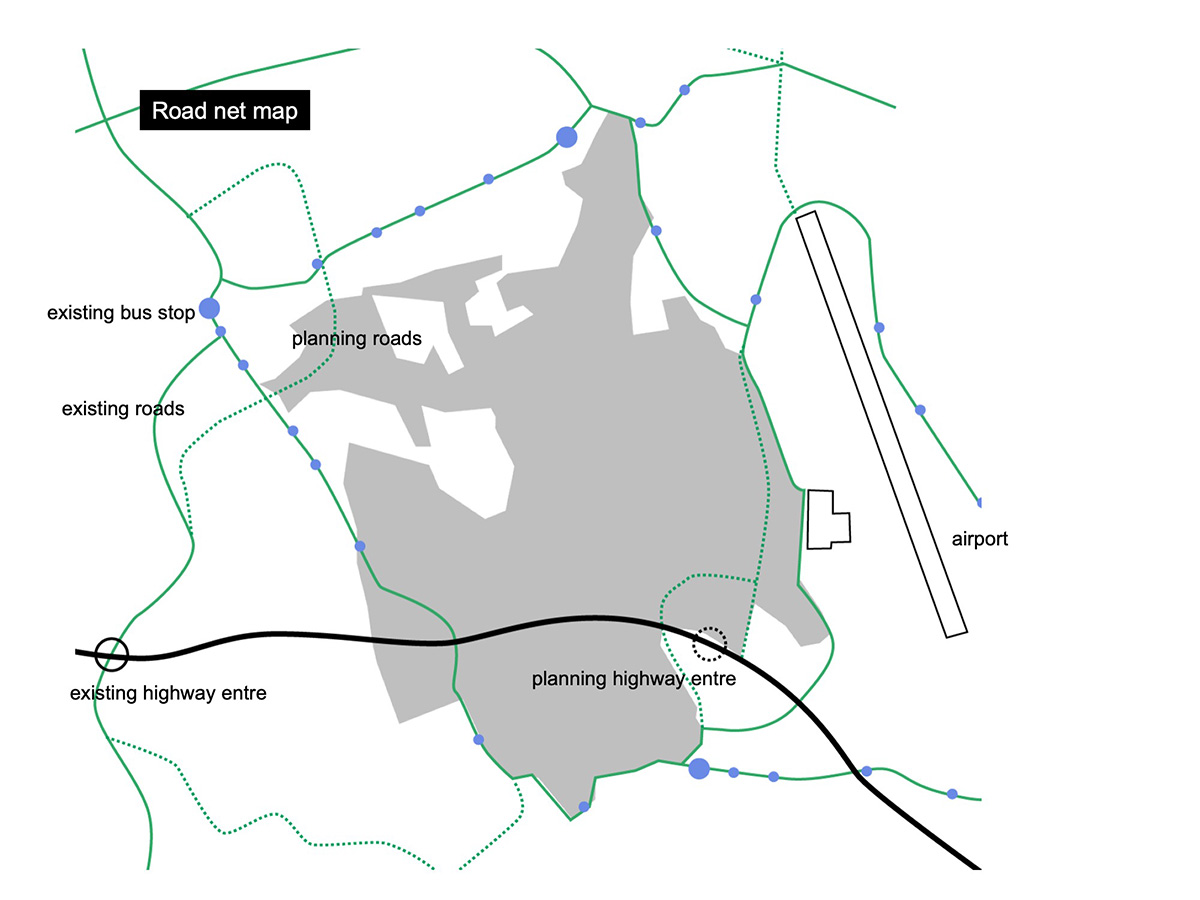
Recently, the Cascais City Council, recognising the exceptional environmental value of this micro region, much of which is classified under REN and RAN, commissioned new studies from leading experts, including Professor Ribeiro Telles and Professor Graça Saraiva. The purpose of these studies was to define and plan the protection of one of the last untouched and ecologically essential systems in the Cascais district: the Vale de Caparide ecosystem, comprising 225 hectares.
The current zoning for this first parcel of land, representing the full Vale de Caparide ecosystem, was approved in 1997 and reviewed in 2005.
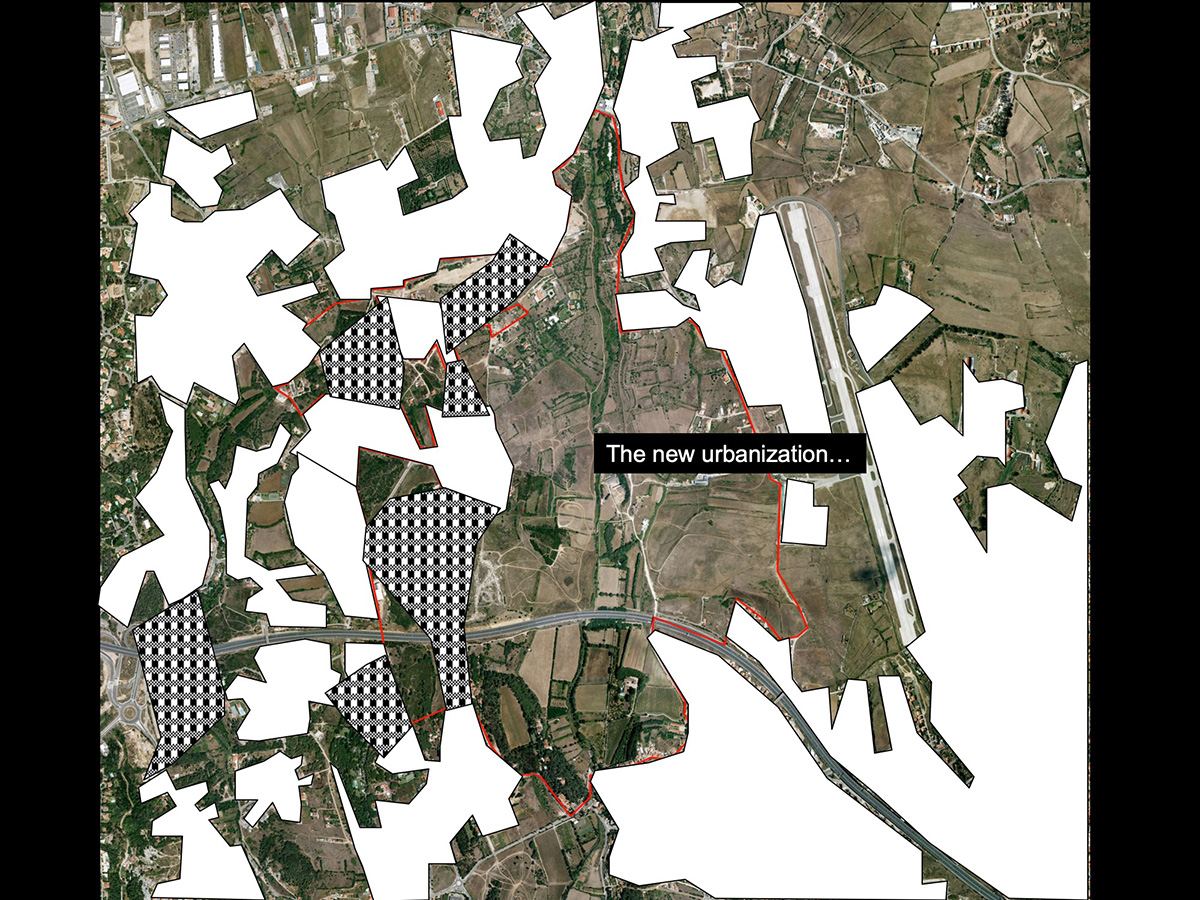
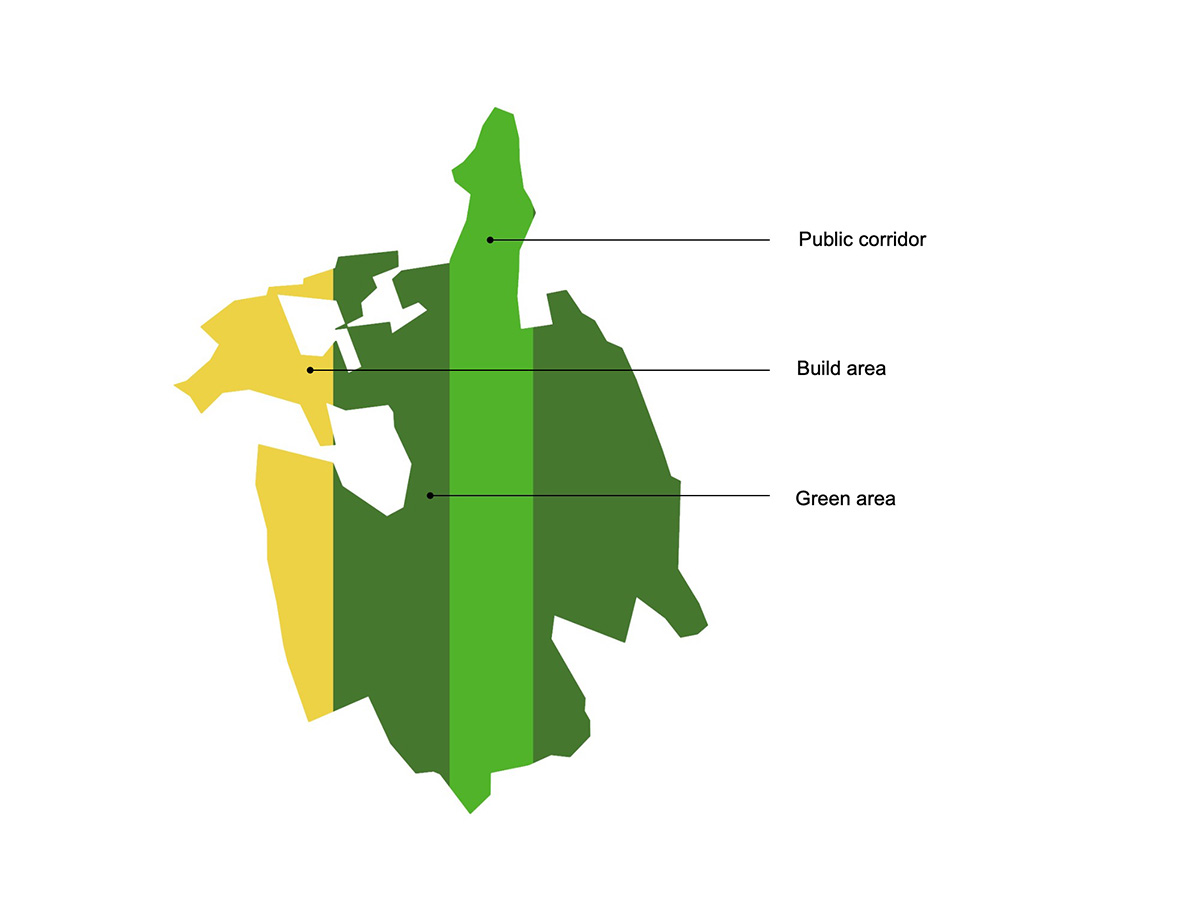
Work on the zone began in January 2005, with an initial concept presented to the President of the Cascais City Council in May of that year. This meeting was followed by numerous productive discussions at every level of governance and technical analysis. After incorporating all recommendations and ensuring that the long term sustainability of the Vale de Caparide ecosystem would be safeguarded, the project team limited the additional space required to 19 hectares.
This adjustment ensures compliance with the essential criteria outlined by Professor Ribeiro Telles and Professor Graça Saraiva, including the preservation of the ecosystem’s integrity and the ability to provide current landowners with the financial means to meet all regulatory requirements, at no cost to the Cascais Council.
At the same time, the project aims to generate economic vitality and establish a new centre of activity for the surrounding community. To achieve this, the team developed a concept that is both environmentally responsible and economically robust.
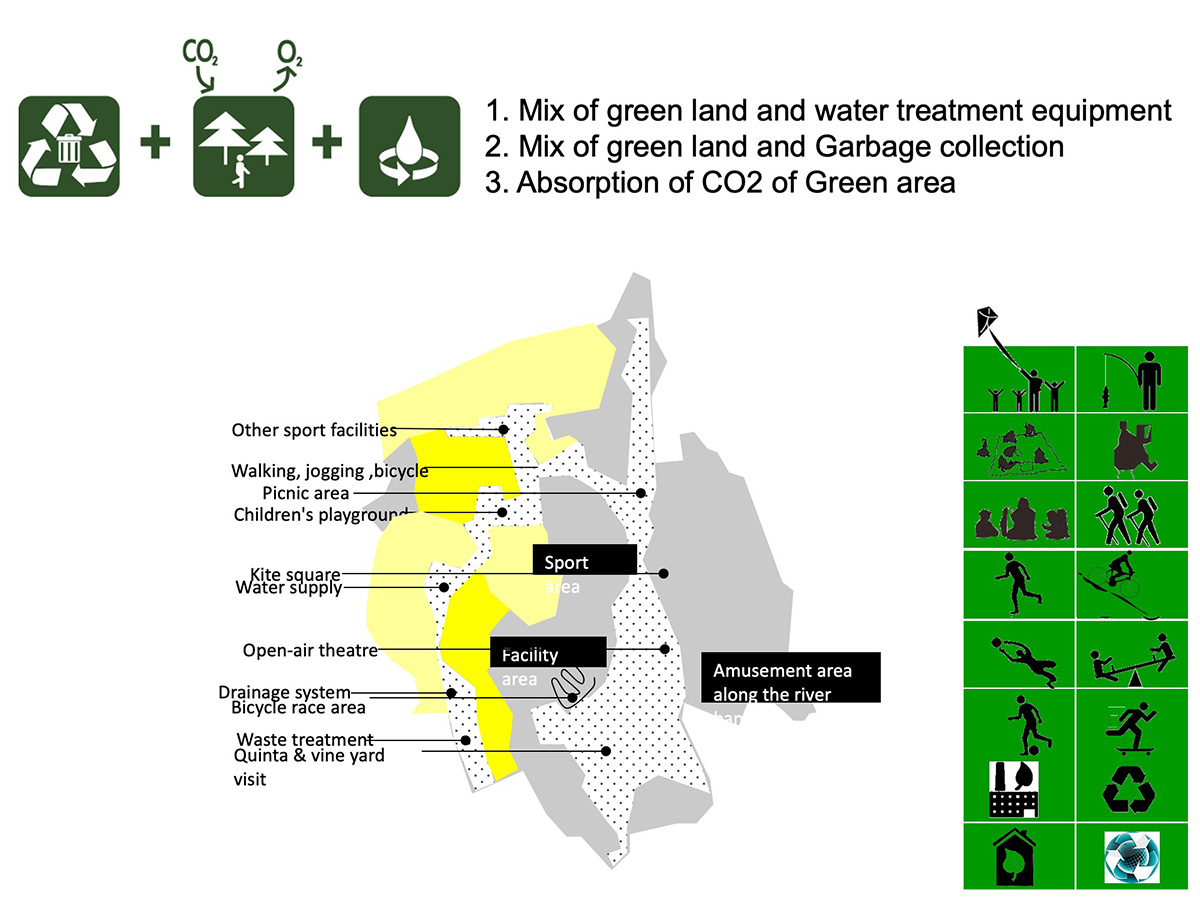
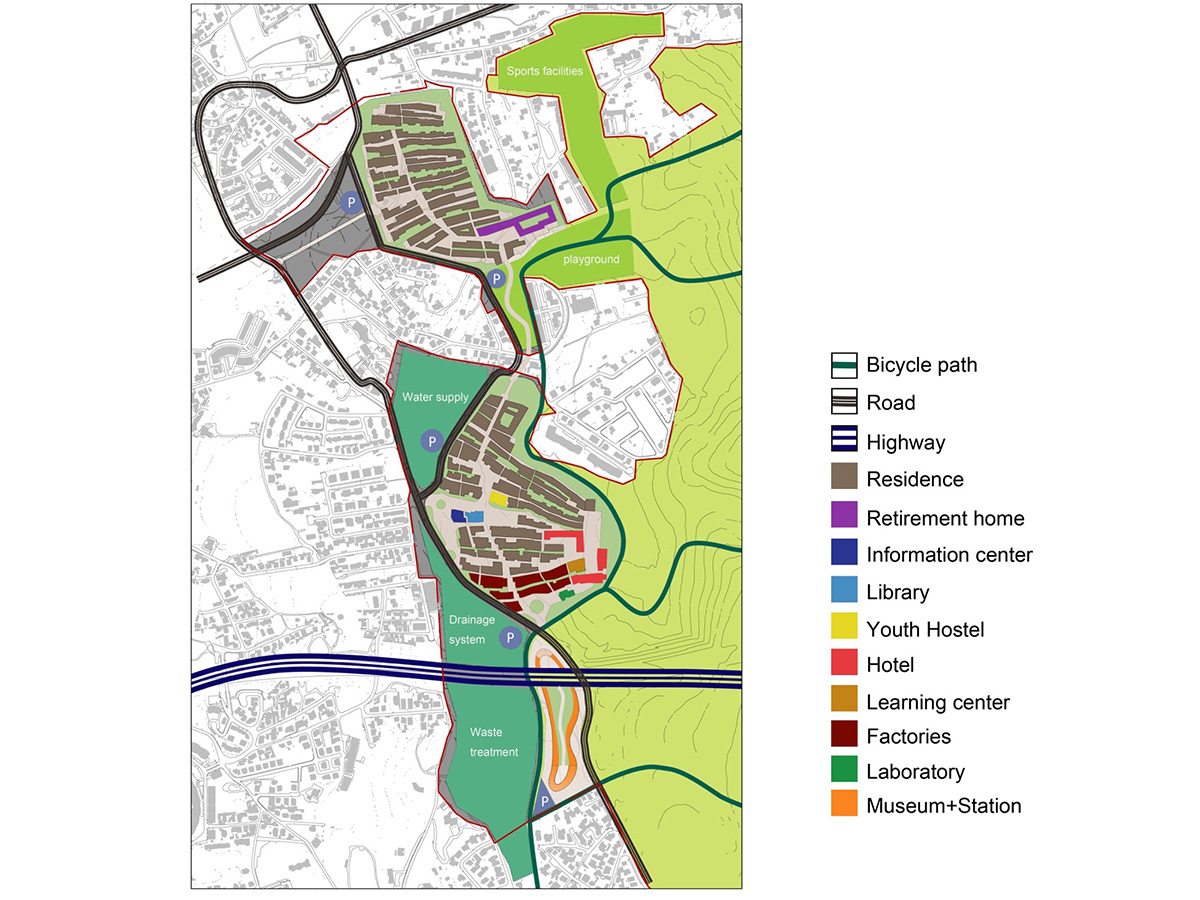
The proposal envisions planning and organising, at both upstream and downstream levels, a community where life and life supporting systems are valued in their own right and not solely for their utility to human society. This means creating a fully serviced city capable of living within the limits of solar income, integrating not only eco efficient housing but also information, recreation and education centres, research laboratories linked to leading universities and private companies, and collective investments in the natural assets required to sustain long term development, including food production, renewable energy, carbon neutrality, waste management and the reduction of fossil fuel dependence.
The planning and construction of Ecovila Vale de Caparide will represent a paradigmatic shift in community building and is intended to become a high profile European public demonstration model and research centre. It will function as a full scale laboratory city, enabling the development of new analytical approaches in areas such as health, education, state accounting principles, tax assessment procedures, legal frameworks and human wellbeing. At the same time, it will work to strengthen natural support systems and reduce reliance on non renewable resources.
“Ecovila Vale de Caparide” is conceived as a full service community for Cascais.
Beyond being a global concept shaped by life cycle management principles, it is designed to become a productive and diverse community with strong economic and social vitality. It will include a high level research centre specialising in sustainable products and services, a learning centre, and a cultural, tourist and sports destination. To reach these objectives, full institutional support will be essential.
The project has:
• established the framework through which all decisions will be made during the planning phase and throughout implementation
• defined the collective investments, including natural assets and technological systems, required to ensure the long term sustainability of the Ecovila
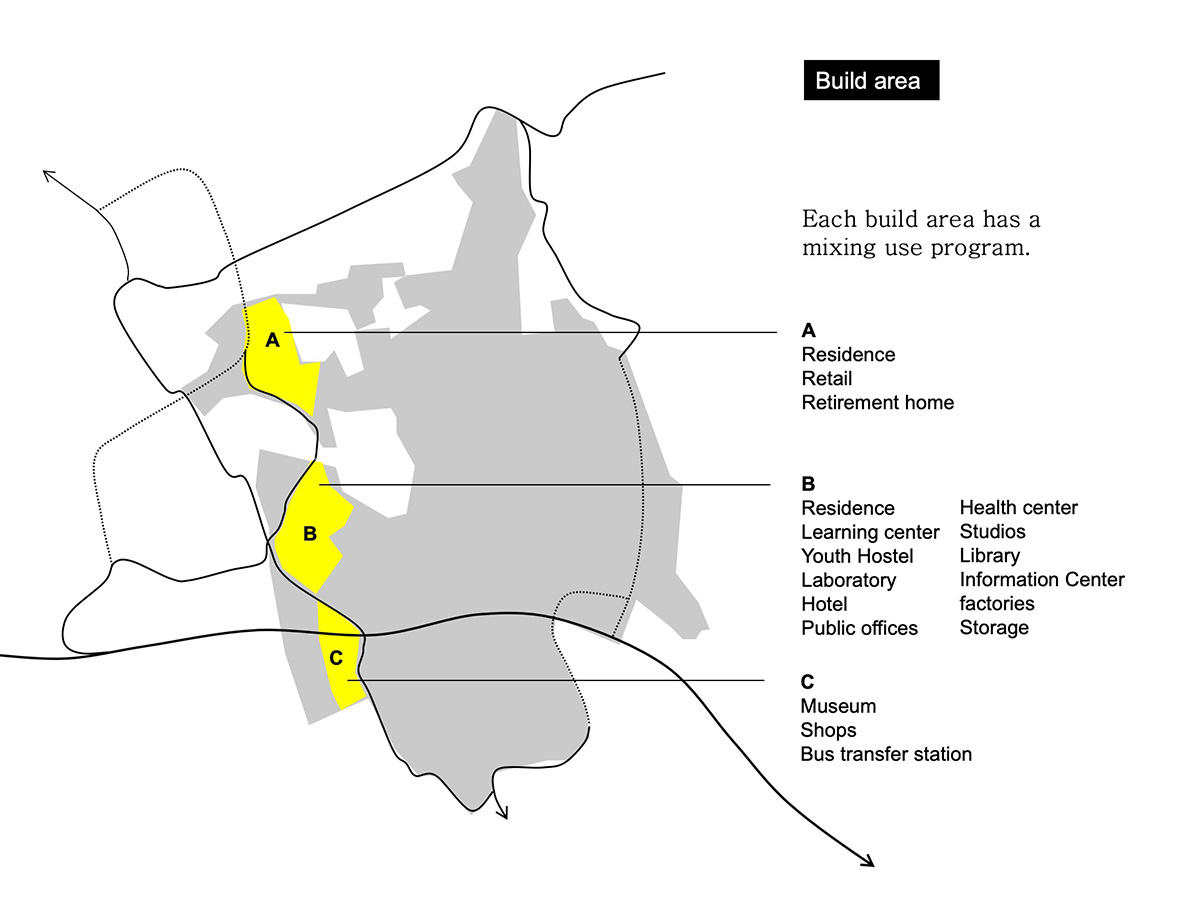
• calculated the appropriate scale of public, residential, commercial, office, industrial, research, recreational and cultural areas that the newly engineered ecosystem can sustain
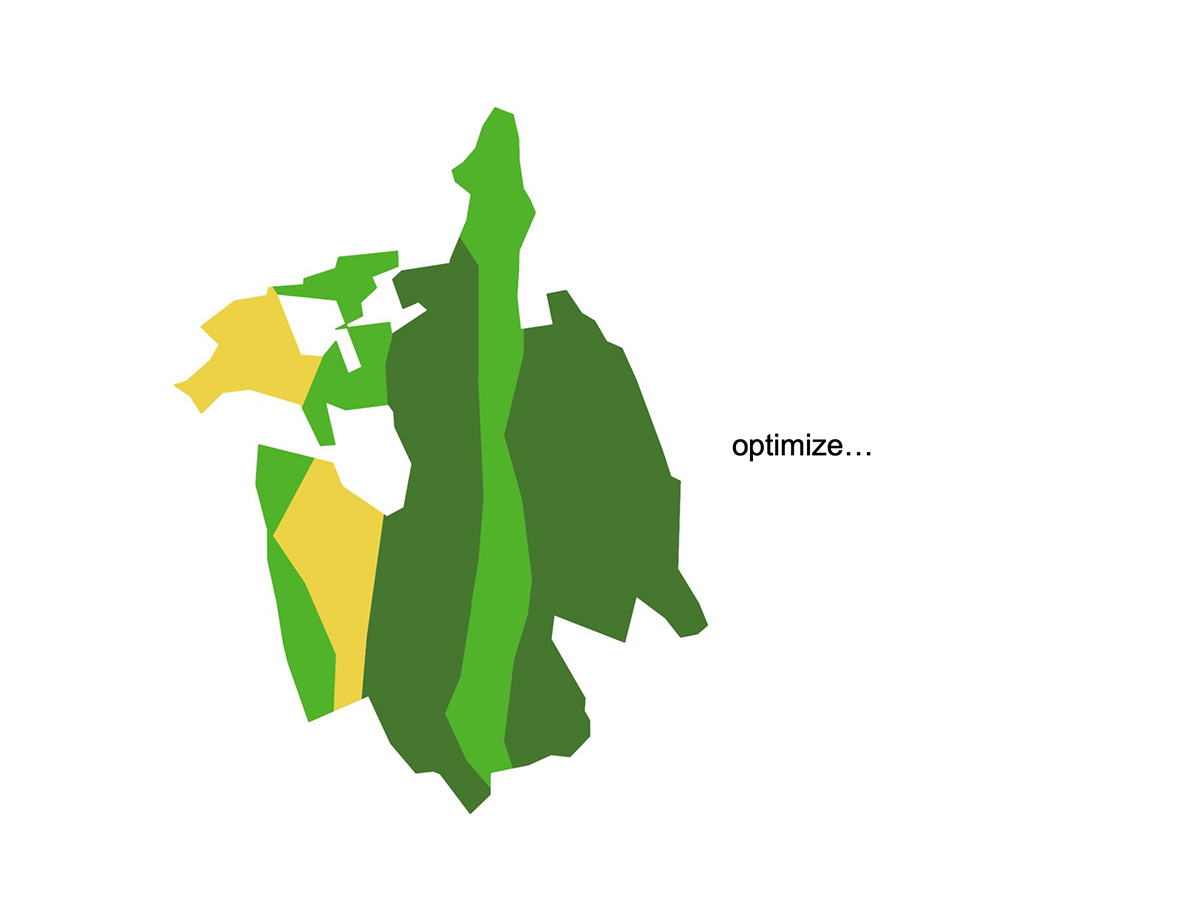
• developed zoning recommendations to guarantee both the restoration and ongoing vitality of the Vale de Caparide ecosystem
• proposed future uses for key architectural landmarks within the area, including the Quintas of Manique, Pesos and Samarra
• outlined the legal requirements necessary to secure the efficiency of the concept, complete the project and ensure its social and economic success
• evaluated the optimal level of employment to be created on site
The team is currently selecting leading consultants in Portugal and internationally, prioritising expertise paired with strong skills in consensus building and implementation. An international communications group is also being assembled, comprising specialists in media, writing, television, film and digital platforms. Work is underway to finalise the specifications and procedures that will guide the development process.
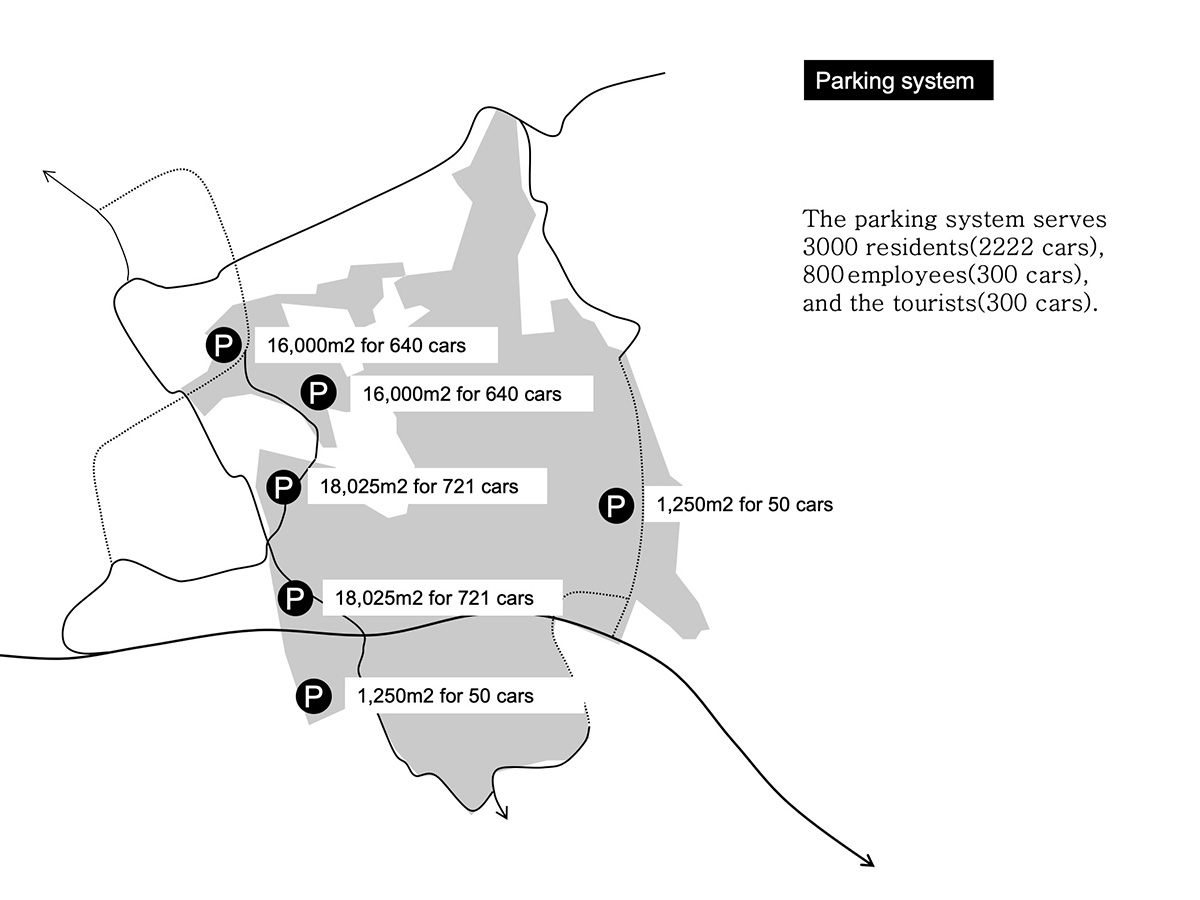
Based on current market values, the additional cost of this project is considered acceptable given the scale of the proposed offer. The total estimated capital requirement to develop the full service Ecovila Vale de Caparide, comprising a minimum of 265,000 square metres of constructed area, 118,000 square metres of land area, housing for approximately 3,000 residents and 800 on site jobs, is projected at 360 million euros. This figure includes the cost of land within the site. An additional 69 million euros is estimated for utilities, natural assets and the studies required to offset environmental impacts generated by construction and long term maintenance.
However, through the sale of perpetual rights of use, residential units, commercial spaces, offices and industrial areas, revenues will be generated, reducing the actual cash requirement for construction to an estimated 130 million euros. The projected return on investment is approximately 14 percent, in addition to ongoing operational profits.
Peak expenditures are expected in years four and five of the development cycle, within an overall project duration of approximately six years.
The project will require dedicated financial resources, and an investment fund will be established for this purpose. The fund is expected to be open, should they wish to participate, to the Cascais City Hall, to existing landowners within the zoning area of Vale de Caparide and to external investment groups specialising in renewable energy, carbon neutrality, water and waste management, sustainable construction and related fields.
The current Portuguese legal framework provides a basis for advancing the project, although certain legal instruments are still absent from national legislation. These tools, while aligned with the spirit of the law, will require formal approval by Parliament. Until such adaptations are enacted, the financial structure established under the leadership of the project team will provisionally assume the responsibilities of the various parties involved in order to ensure the full effectiveness of the overall concept.
This approach ensures that all collective investments required to provide a sustainable quality of life for the approximately three thousand residents and eight hundred workers of the Ecovila will be integrated into a dedicated trust or fund. These investments will be managed and accounted for according to non negotiable life cycle principles.
All legal instruments and financial commitments must guarantee that the entire area under consideration, comprising two hundred and forty four hectares within the Cascais Council and four thousand three hundred hectares beyond it, is treated as one balanced living unit. This unit is defined as the footprint of three thousand inhabitants and eight hundred and twelve workers. Development parameters, maintenance processes and the scale and type of rights granted within this area will be strictly limited by its ecological carrying capacity.
At a later stage, the project team will present to the Cascais authorities, the Portuguese Parliament and the European Union a set of proposed legal structures designed to support the broader national application of this concept.
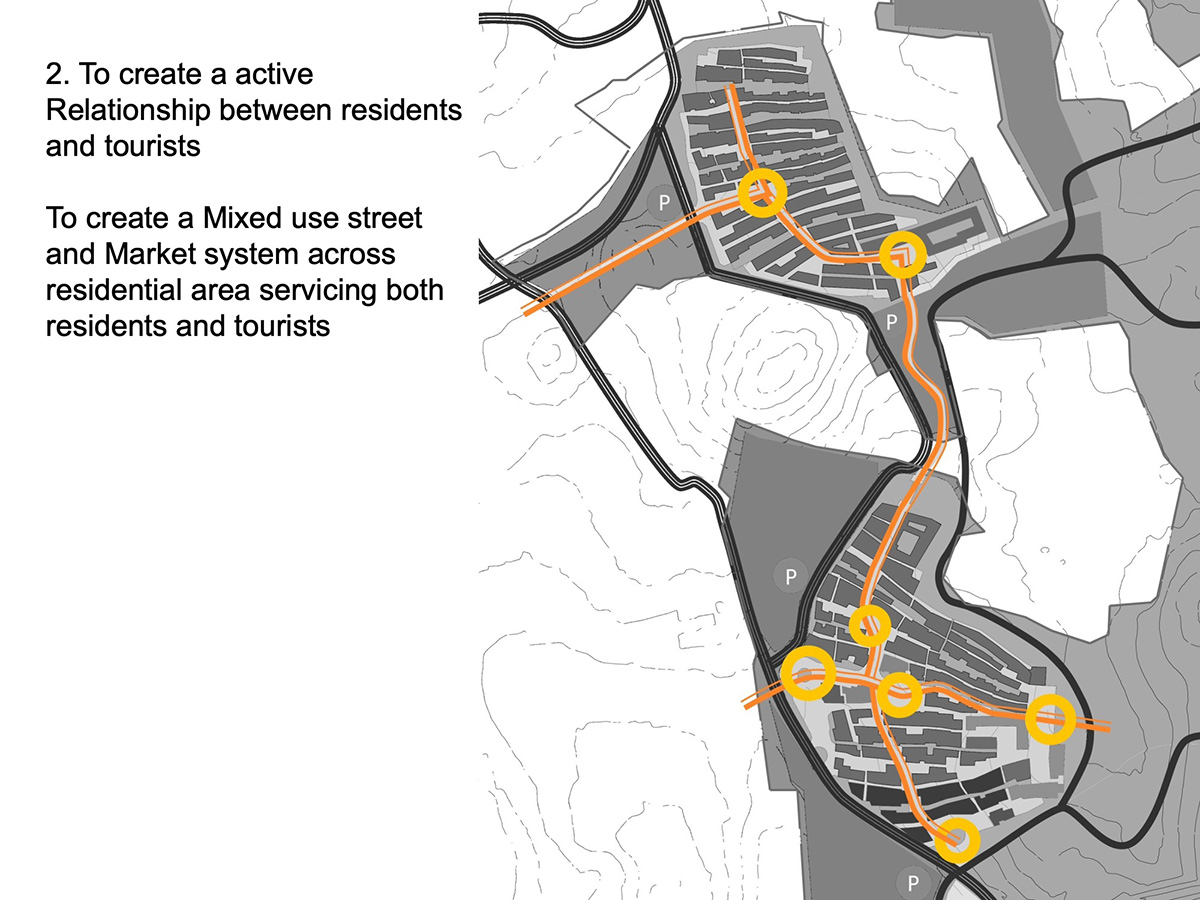
Ecovila Vale de Caparide is conceived as a demonstration project that will promote social cohesion and participation, best practice techniques in the integrated management of urban environments and the principles of Local Agenda 21.
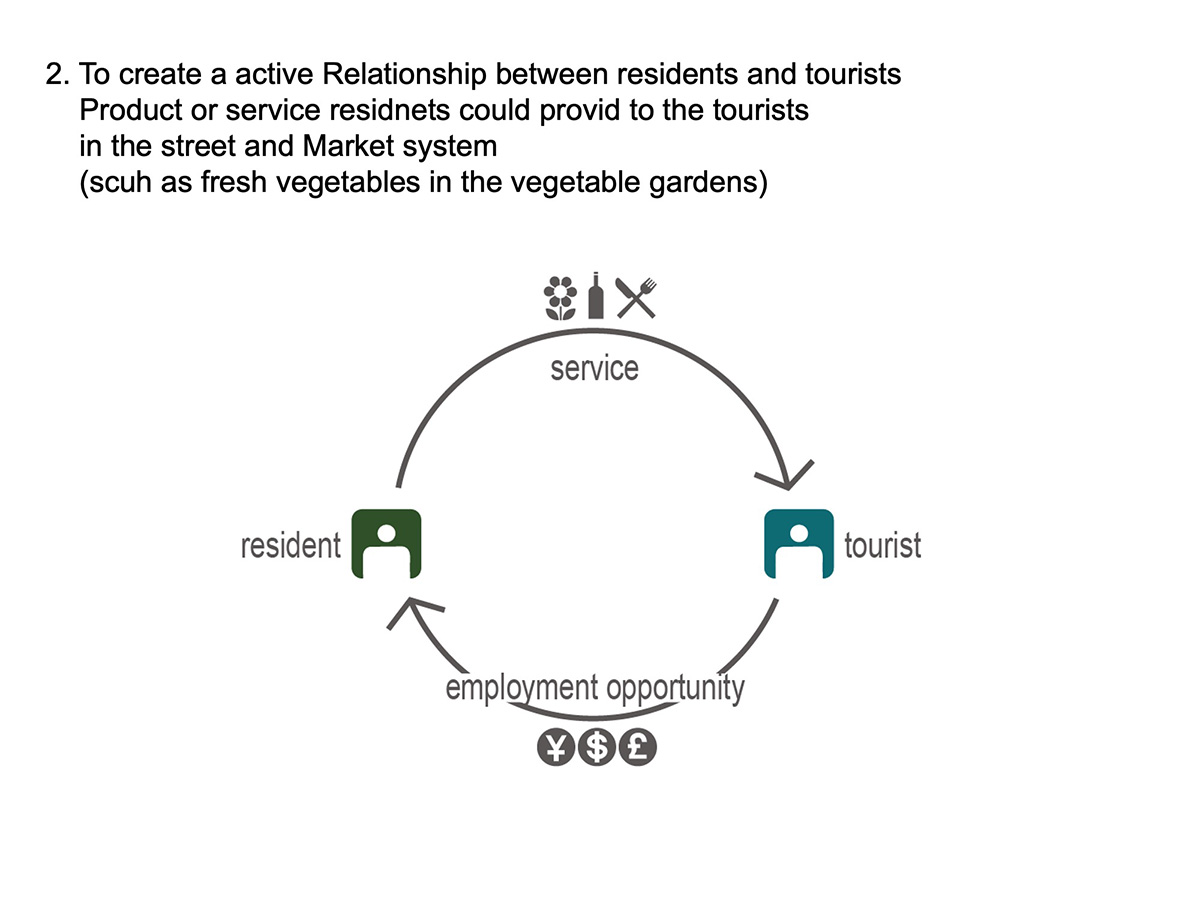
The project will strengthen the overall attractiveness of Cascais by enhancing its image and creating new opportunities for employment, investment and tourism. It will also generate essential data across key sectors, including education, health, social development, urbanism and the economy, allowing for continuous monitoring and evaluation of its results and impacts.
All natural assets, comprising four thousand five hundred and forty four hectares, together with the necessary infrastructures required to balance carbon emissions and ensure full autonomy in water, waste, energy and food supply, will be placed under permanent protection. The on site high technology cluster is expected to generate significant amounts of innovation and technical knowledge for national application and international dissemination.
We anticipate that more than one thousand articles will be published worldwide and that the project will attract approximately one hundred and thirty five thousand visitors per year.
Ecovila Vale de Caparide is an ambitious yet achievable global initiative. All theoretical frameworks are available and validated by the scientific community. The Sciences of the Earth provide the necessary foundational data. The technical solutions are well established. The experts and practitioners are prepared to proceed. The location is exceptional. The project is economically viable. Funding sources are accessible. The existing legal conditions are adequate. Citizens are calling for a shift of this magnitude in political and planning approaches. The political timing is favourable.
Importantly, the project requires no financial contribution from the wider community while offering substantial returns to current landowners.
We believe that this integrated model, grounding a human community within the life cycle of natural systems, represents a major growth sector for the coming decades. It is fitting that Portugal, which explored the world five centuries ago with notable openness and curiosity, could once again take a leading role in pioneering a peaceful, progressive and globally relevant model for the future.
Ecovila Vale de Caparide offers a simple, constructive and inspiring opportunity to test how tomorrow’s society can be built on stable and resilient foundations. The preservation of social harmony depends on it.